












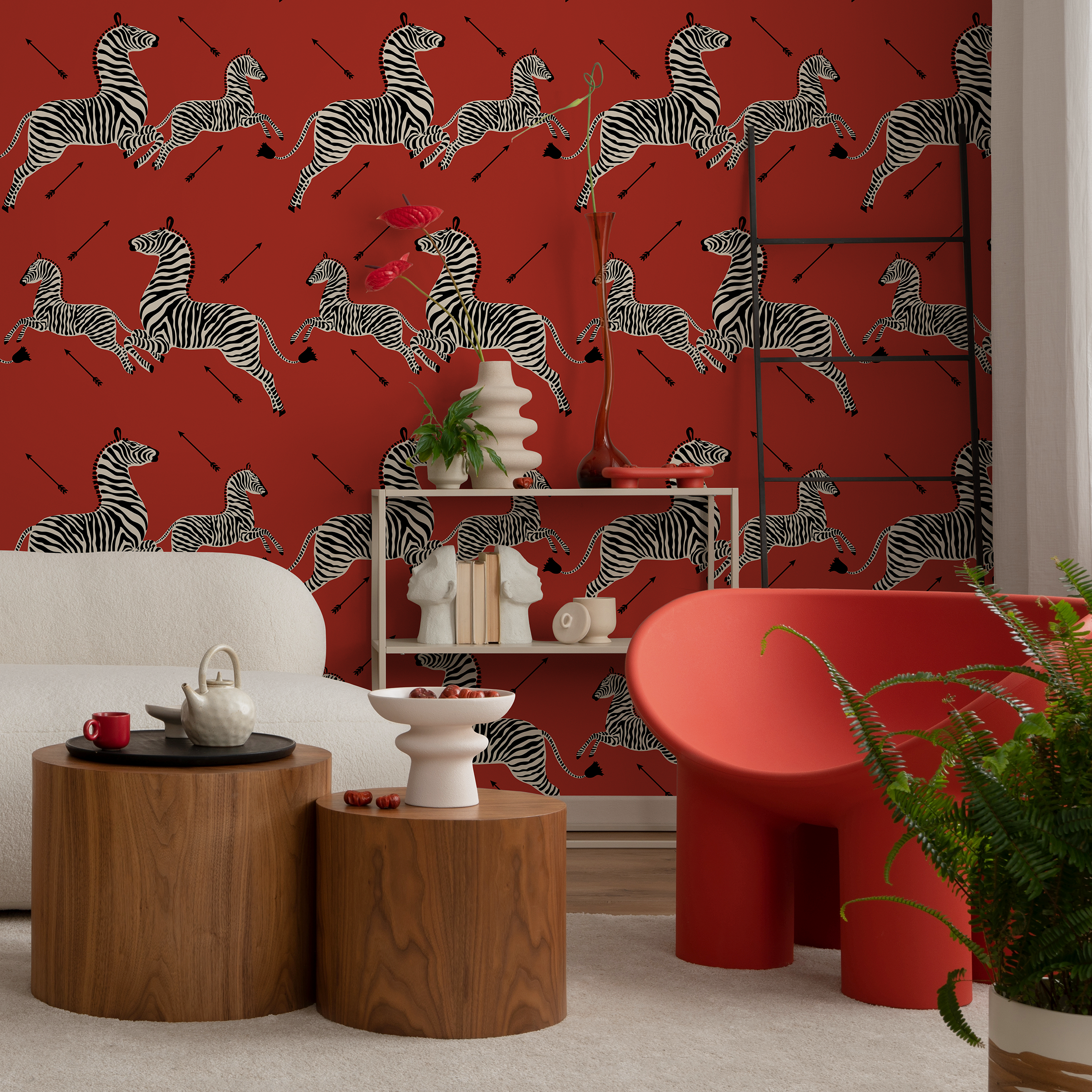

Is Peel And Stick Wallpaper Easy To Install

1 producto
Ordenar por:
1 producto
1 producto


Shadow Orchid Wallpaper Featuring a Solid Color in a Muted Orchid Purple - E216
Crafted with premium, eco-friendly materials and cutting-edge printing technology, our wallpaper is not only beautiful but also durable, scratch-resistant, and safe for your home with No VOC inks. Enjoy vibrant, consistent color and a high-quality finish that elevates your home improvement projects.
Is Peel and Stick Wallpaper Easy to Install? A Step-by-Step Honest Guide
The short answer: yes, peel and stick wallpaper is significantly easier to install than traditional paste wallpaper. But easy does not mean effortless — a beautiful result still requires clean wall preparation, careful alignment, and a bit of patience. The good news is that ONDECOR's tiled panel system eliminates the most frustrating parts of traditional wallpaper installation — no paste mixing, no wet paper handling, no complex pattern matching. Just peel, align, smooth, and admire. All ONDECOR wallpapers are printed on demand in the USA from PVC-free, eco-friendly materials and ship as straight-match panels sized to your exact wall dimensions.
Want to test the process before committing? Order a free sample with just $2 flat-rate shipping. Practice applying and removing on a small section of wall to get comfortable with the material and adhesive before tackling a full wall.
Why Peel and Stick Is Easier Than Traditional Wallpaper
Traditional wallpaper installation involves multiple steps that require experience: measuring and cutting lengths from a roll, mixing paste to the right consistency, applying paste evenly, booking (folding) the paper to let it absorb moisture, matching pattern repeats across strips, and aligning everything while the paste is still wet — all within a limited working time before the adhesive dries. One misalignment and you are scraping off a wet, heavy strip and starting over.
Peel and stick eliminates nearly all of these pain points. There is no paste, no wet paper, no booking time, and no race against a drying adhesive. ONDECOR's straight-match tiled panels arrive pre-cut to your wall dimensions, so there is no measuring or cutting either. The repositionable adhesive means you can lift and reapply panels multiple times during installation without losing stickiness. If you have ever applied a screen protector to a phone, you have the basic motor skills needed for peel and stick wallpaper. For a related perspective, see our guide on whether peel and stick is easy to use, and if you have heard it is difficult, check our assessment of whether peel and stick is hard to put up.
Step-by-Step Installation Guide
Step 1: Prepare Your Wall. Clean the wall with a damp cloth to remove dust, grease, and cobwebs. Let it dry completely. The cleaner the surface, the better the adhesion. If you have recently painted, wait at least two to four weeks for the paint to fully cure before applying peel and stick wallpaper.
Step 2: Mark a Plumb Line. Use a level to draw a light vertical line where your first panel will go. This ensures your first panel is perfectly vertical — critical because all subsequent panels align to this starting edge.
Step 3: Peel and Position. Peel about twelve inches of backing from the top of the first panel. Align the top edge with the ceiling line (or where you want the wallpaper to start) and press into place along your plumb line. Once the top is positioned correctly, slowly peel more backing while smoothing the panel downward with your hand or a wallpaper smoother.
Step 4: Smooth and Eliminate Bubbles. Work from the center of each panel outward toward the edges using firm, even pressure. Any small bubbles can be pushed to the nearest edge. If a bubble persists, gently peel back the panel to that point and re-smooth.
Step 5: Align Subsequent Panels. ONDECOR's tiled panels use a straight-match system — simply butt each new panel against the previous one. The pattern continues seamlessly. No overlap, no complex matching. This is dramatically simpler than matching pattern repeats on traditional roll wallpaper.
Step 6: Trim Edges. If your wall has outlets, switches, or architectural details, apply the panel over the obstacle and trim with a sharp utility knife. For baseboards and crown molding, smooth the panel into the corner and trim along the edge for a clean finish.
Tips for the Best Result
Work in a room-temperature environment — cold rooms reduce adhesive tack, and hot rooms can make the material too pliable. Two people make alignment easier for tall walls, but solo installation is entirely doable. Keep a utility knife, level, and smoothing tool within reach. And remember: the beauty of peel and stick is that mistakes are reversible. If a panel goes on crooked, simply peel it back and try again. Try that with wet paste and you will understand why peel and stick has converted millions of first-time wallpaperers.
Room-by-Room Installation Considerations
Living Room: Typically the largest panels and most visible results. Start with your living room accent wall and work from the most prominent corner. Take extra care with alignment here — it is the wall your guests see first.
Bedroom: Bedroom headboard walls are the most popular first project because they are usually a single uninterrupted surface — no outlets, no windows, just a clean rectangle. Perfect for building confidence.
Bathroom: Ensure the bathroom wall is completely dry before application. Avoid applying wallpaper in a steamy, freshly-showered bathroom — let the room air out first.
Kitchen: Kitchen installations often involve working around outlets, backsplashes, and cabinets. Trim carefully and take your time with these detail areas. The actual panel application is just as easy as in any other room.
Common Beginner Mistakes to Avoid
Applying to a dusty wall (the single most common adhesion failure). Not waiting for fresh paint to cure. Stretching the wallpaper during application (this causes gaps as it relaxes back to size). Using a dull blade for trimming (causes tearing instead of clean cuts). And rushing — peel and stick is forgiving, but only if you give yourself time to align each panel properly.
Why ONDECOR Is Different
Custom-cut tiled panels matched to your wall dimensions. Straight-match alignment system — no complex pattern repeats. PVC-free materials printed on demand in the USA. Free customization with unlimited revisions. Free shipping on all US orders. Free exchanges. Rush production available. And free samples for $2 shipping so you can practice the installation process before committing.
Related Collections
- Easy to use peel and stick
- Is it hard to put up
- Easy peel and stick wallpaper
- Best way to apply peel and stick
- Easy to remove peel and stick
- Office wallpaper
- Nursery wallpaper
Is peel and stick wallpaper easy to install?
Yes. Peel and stick wallpaper is significantly easier than traditional paste wallpaper. No paste, no wet paper handling, and repositionable adhesive lets you adjust placement during installation.
Can one person install peel and stick wallpaper?
Yes. While a helper makes tall walls easier, solo installation is entirely doable. ONDECOR's pre-cut panels and straight-match system simplify the one-person process.
How long does it take to wallpaper one wall?
A typical accent wall takes one to three hours for a first-time installer using peel and stick wallpaper. Experienced installers can complete the same wall in under an hour.
What tools do I need for peel and stick wallpaper?
A level or plumb line, a wallpaper smoother or credit card, a sharp utility knife, and a clean cloth. No paste, brushes, trays, or soaking equipment needed.
Can I reposition peel and stick wallpaper during installation?
Yes. Quality peel and stick wallpaper uses repositionable adhesive that lets you lift and re-stick panels multiple times without losing adhesion.
What if I make a mistake during installation?
Simply peel the panel back to the misaligned point and reapply. The repositionable adhesive is designed for exactly this purpose. This is a major advantage over paste wallpaper.
Do I need to prepare my walls before applying peel and stick?
Yes. Clean walls with a damp cloth and let them dry completely. If recently painted, wait two to four weeks for the paint to cure. Clean, smooth, dry walls provide the best adhesion.


