












How to Measure Your Wall for Wallpaper: Step-by-Step
Learning how to measure wall for wallpaper is the step that makes the rest of the project easier. Accurate measurements help you order enough material, align the pattern cleanly, avoid visible shortages, and reduce waste. The process is simple, but it needs more care than measuring a wall for paint because wallpaper has roll widths, panel widths, pattern repeats, seams, and trimming.
If you are ready to order wallpaper, measure before you fall in love with a single roll count. A wall that looks small may need extra material for pattern matching. A wall with windows may still need full drops of wallpaper so the design stays aligned. A tall wall, sloped ceiling, or irregular corner may require more overage than expected.
Use this wallpaper measurement guide before shopping ONDECOR collections, and keep your notes handy when comparing removable wallpaper, best sellers, accent wall designs, and room-specific patterns.
## How to Measure Wall for Wallpaper: Tools You Need
Gather your tools before measuring:
- Tape measure
- Pencil
- Paper or notes app
- Step ladder
- Level, if checking uneven ceilings or corners
- Calculator
- Product details for the wallpaper you plan to order
Measure in inches for accuracy, then convert if needed. Write down every wall separately. Label each wall by location, such as "bed wall," "window wall," "left of vanity," or "kitchen island side." This prevents confusion when ordering later.
If you are still choosing a product, browse ONDECOR's Best Sellers, Removable Peel and Stick Wallpaper, and Accent Wall Wallpaper while keeping your wall dimensions nearby.
## Step 1: Measure Wall Width
Start by measuring the full width of the wall from one side to the other. Measure at the top, middle, and bottom if the wall is older, uneven, or framed by trim. Use the largest number. Walls are not always perfectly square, and ordering based on the smallest width can leave you short.
For one accent wall, measure the entire wall even if furniture will cover part of it. Wallpaper should usually continue behind beds, sofas, desks, or consoles so the finished wall looks complete. Stopping behind furniture can create awkward gaps if the layout changes.
For multiple walls, measure each wall individually and add the widths together only after you have written them separately. Corners, windows, and doors can affect how panels line up, so separate notes are safer.
## Step 2: Measure Wall Height
Next, measure the wall height from the top of the baseboard or floor line to the ceiling or crown molding. Measure in at least three places across the wall. Use the tallest number because ceilings and floors can slope slightly.
Wallpaper is typically trimmed at the top and bottom, so do not order based on a tight exact height. Each drop needs extra length for trimming and alignment. If the wallpaper has a pattern repeat, the height may also need to be adjusted so the design matches from one strip to the next.
For stairways, vaulted ceilings, sloped ceilings, and walls with beams, create a rough sketch and label the tallest and shortest points. These projects may need professional measuring or extra overage because the cuts are less predictable.
## Step 3: Account for Doors and Windows
Doors and windows reduce the total surface area, but they do not always reduce the amount of wallpaper you need as much as you expect. Wallpaper is installed in vertical drops or panels. Even when a window interrupts the wall, you may still need a full-height drop so the pattern continues above, below, and around the opening.
For small windows, narrow doors, or detailed patterns, it is often safer not to subtract much at all. For large openings, you can note the width and height separately, but be conservative. Running short is usually more frustrating than having a little extra for repairs.
Use this approach:
- Measure the full wall width and height first.
- Measure each door and window separately.
- Note whether the opening reaches the floor or leaves wall space below.
- Keep extra material for matching around corners and openings.
In kitchens and bathrooms, also note cabinets, backsplashes, vanities, mirrors, and tile. ONDECOR's kitchen wallpaper ideas and wallpaper for small bathrooms guides can help you decide which surfaces should actually be wallpapered.
## Step 4: Calculate Pattern Repeat
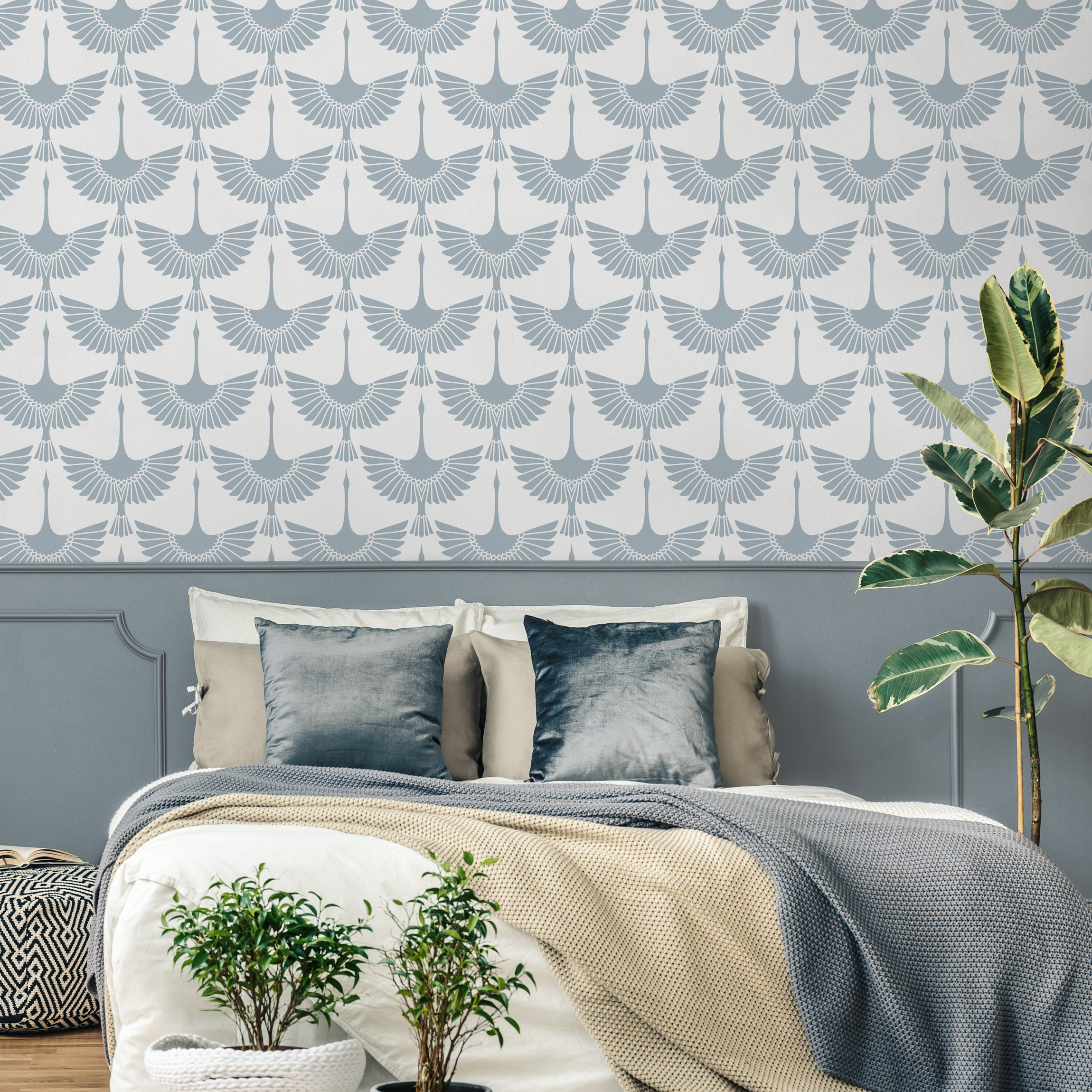
Pattern repeat is the distance before a wallpaper design repeats. It matters because adjacent strips need to align. A large repeat usually creates more waste than a small repeat because each strip may need to be shifted up or down before cutting.
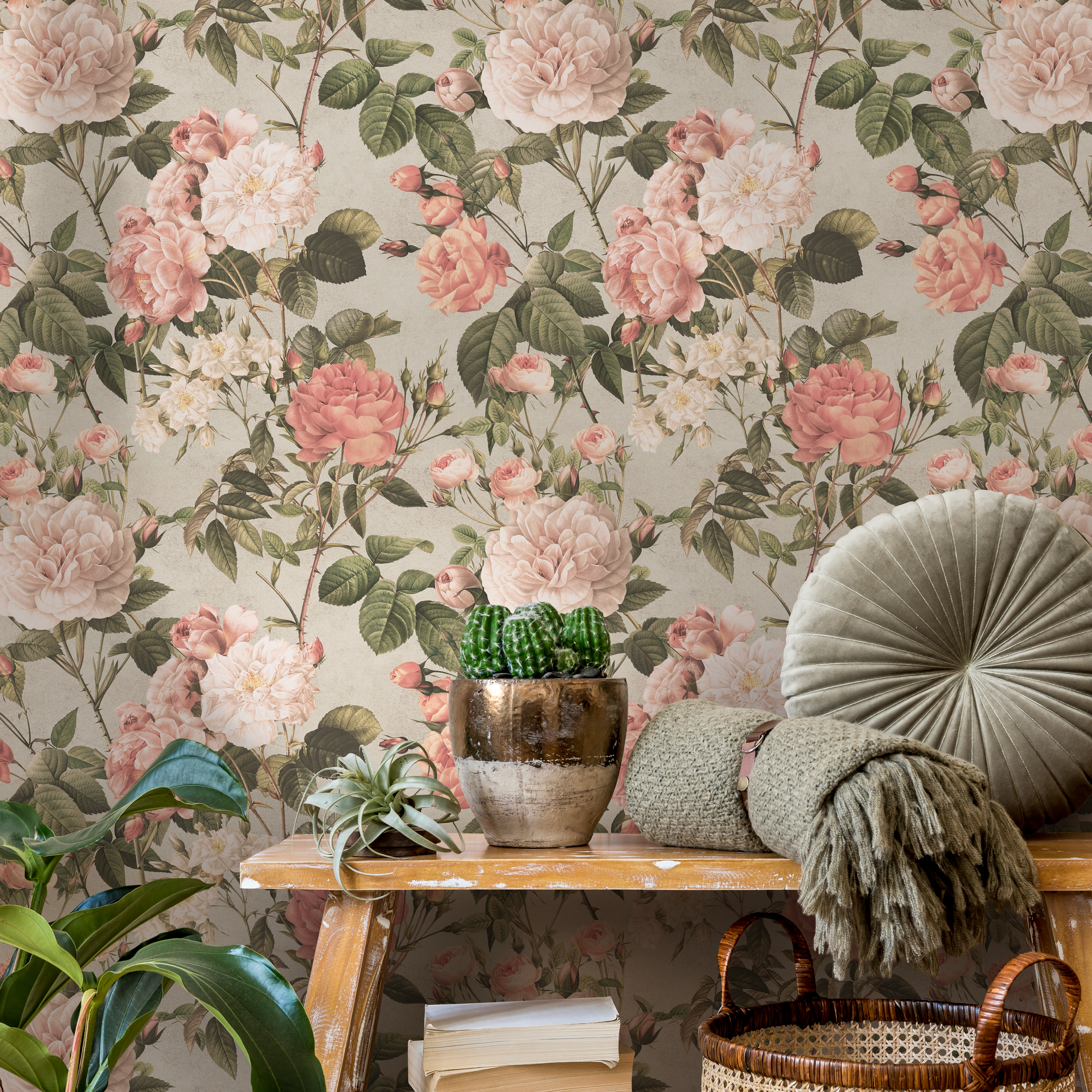
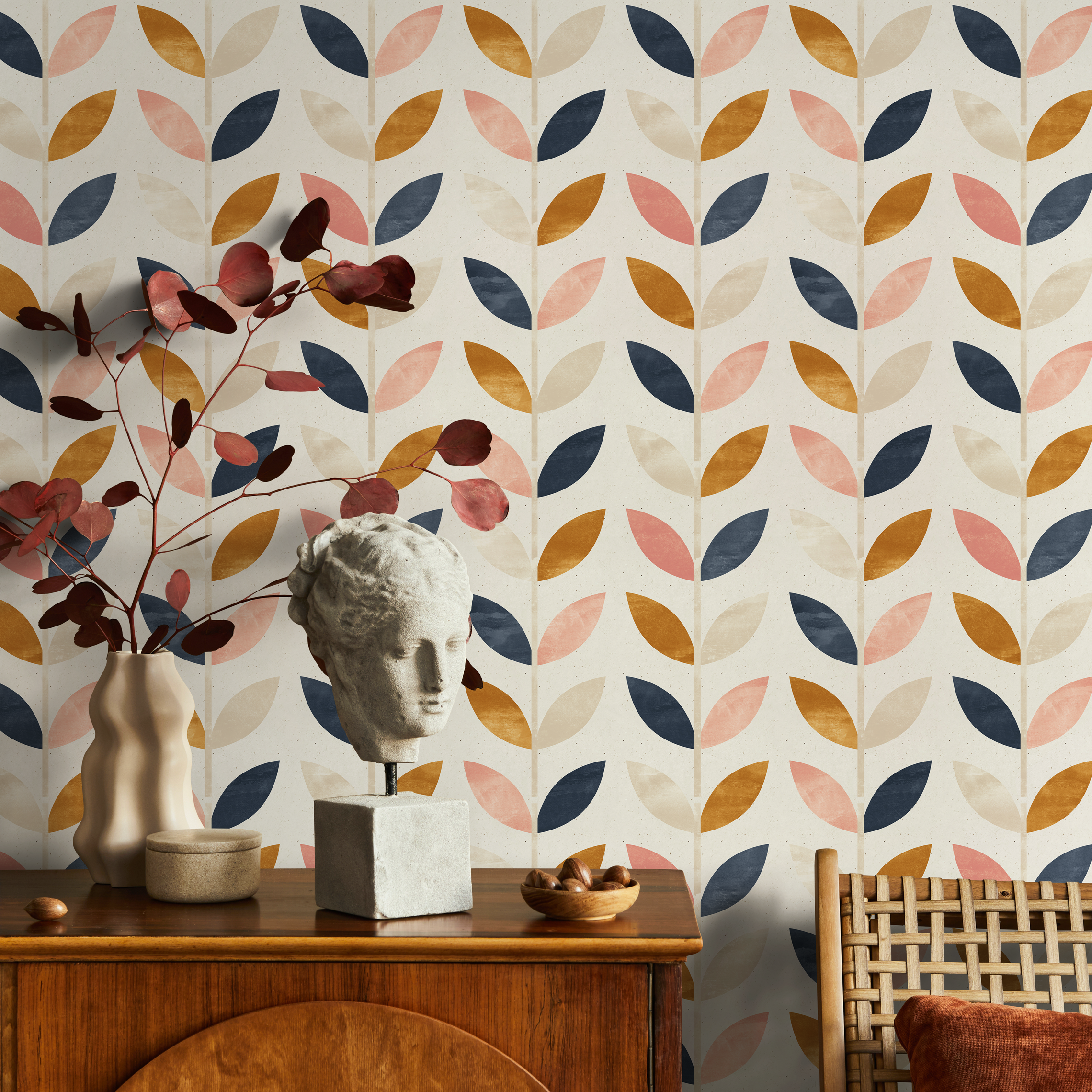
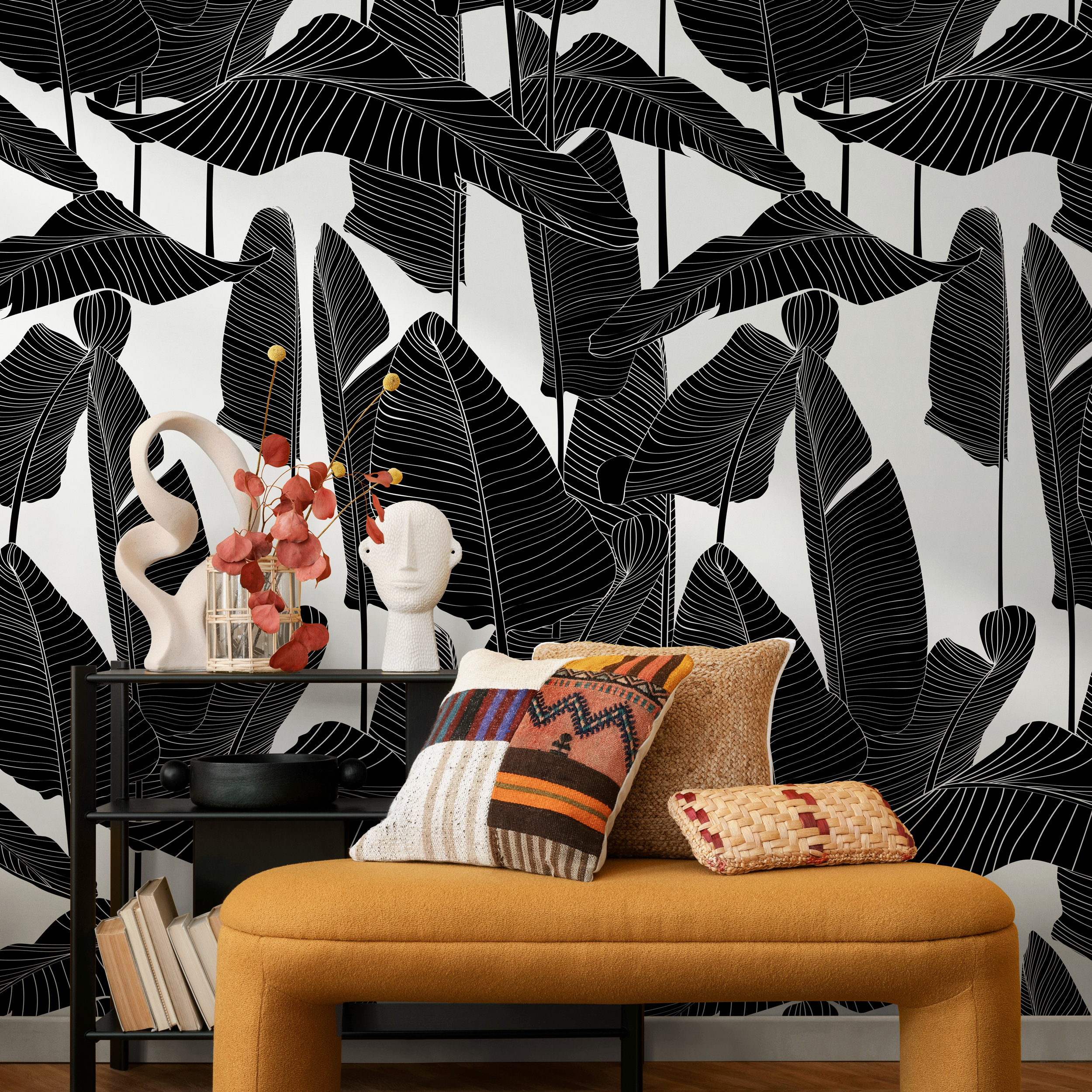
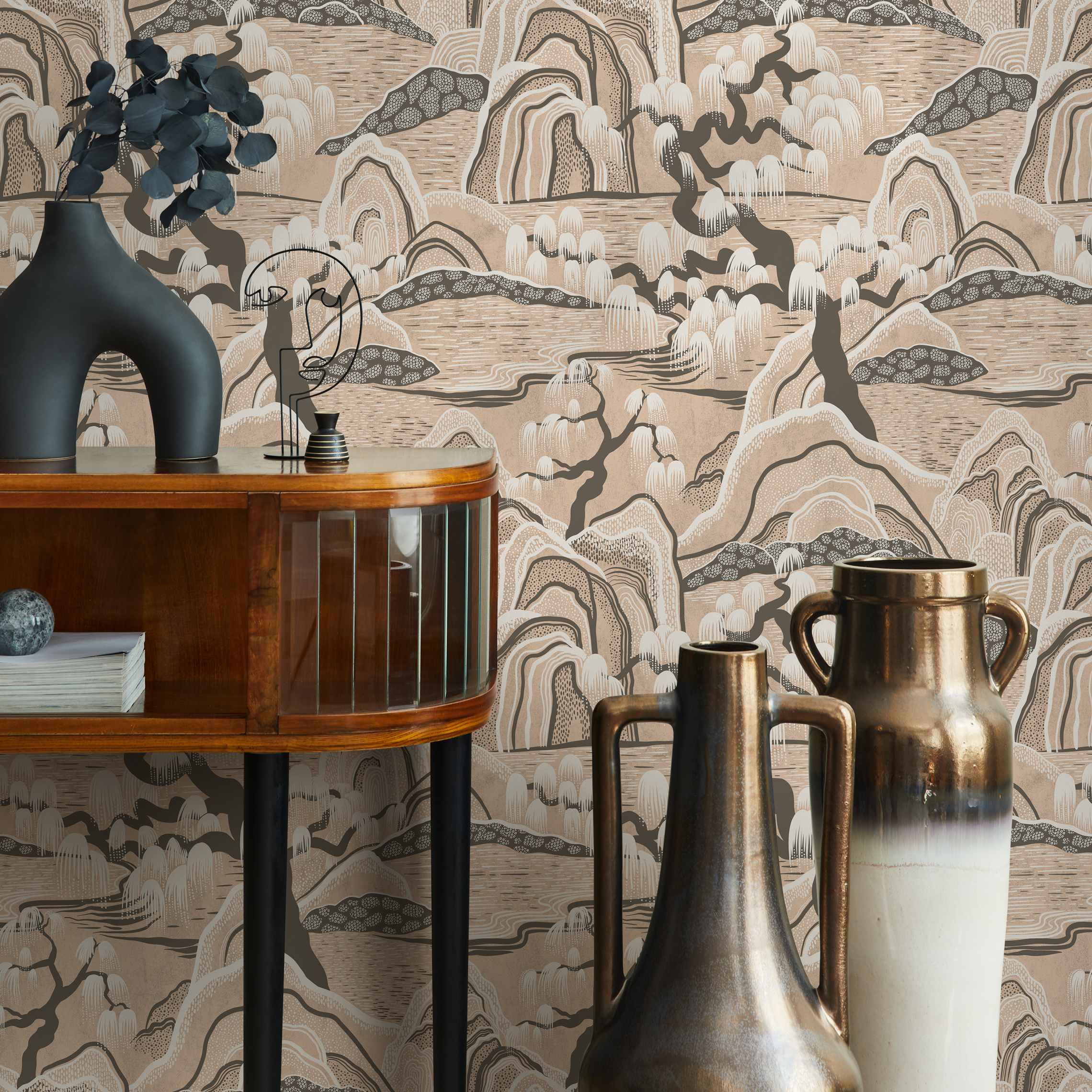
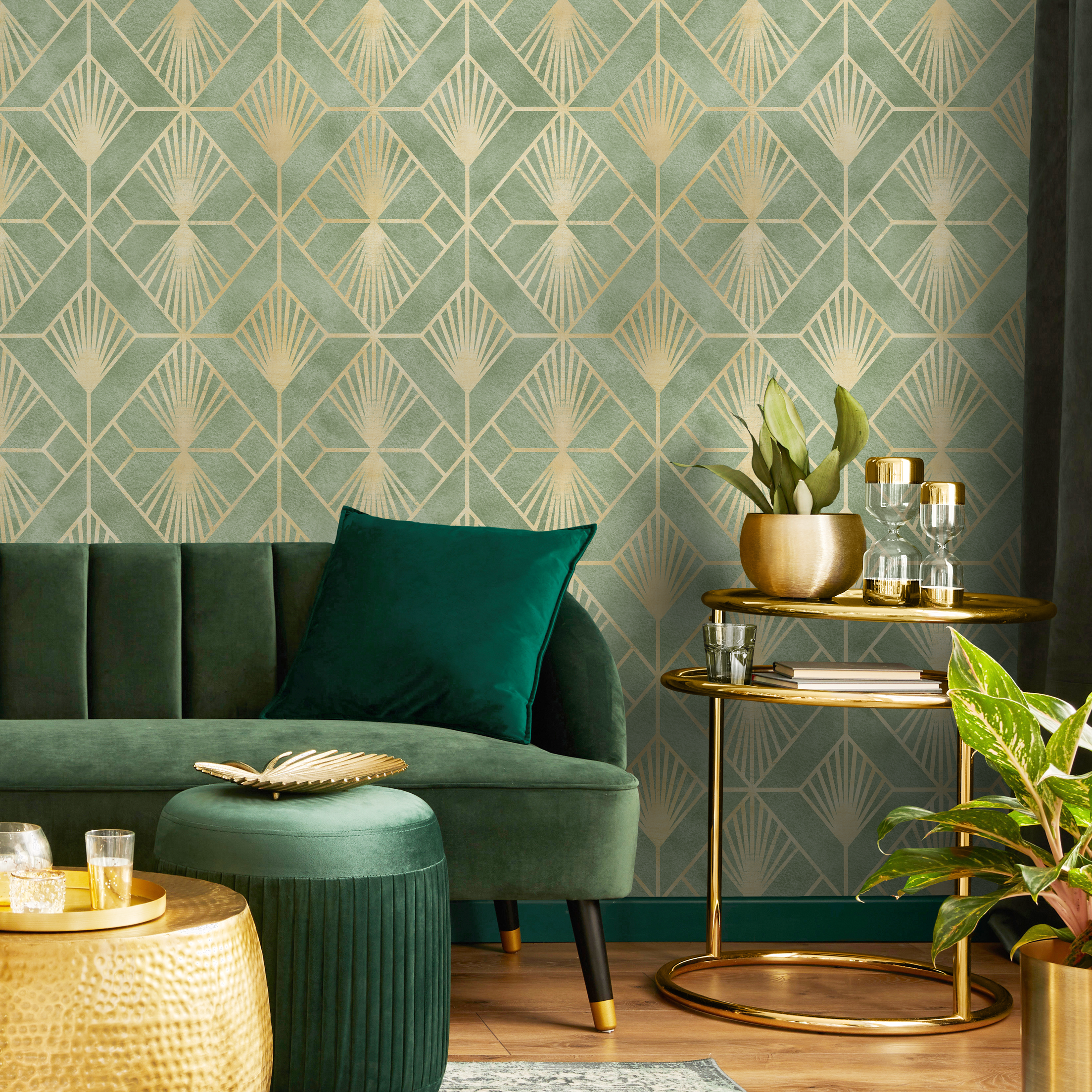
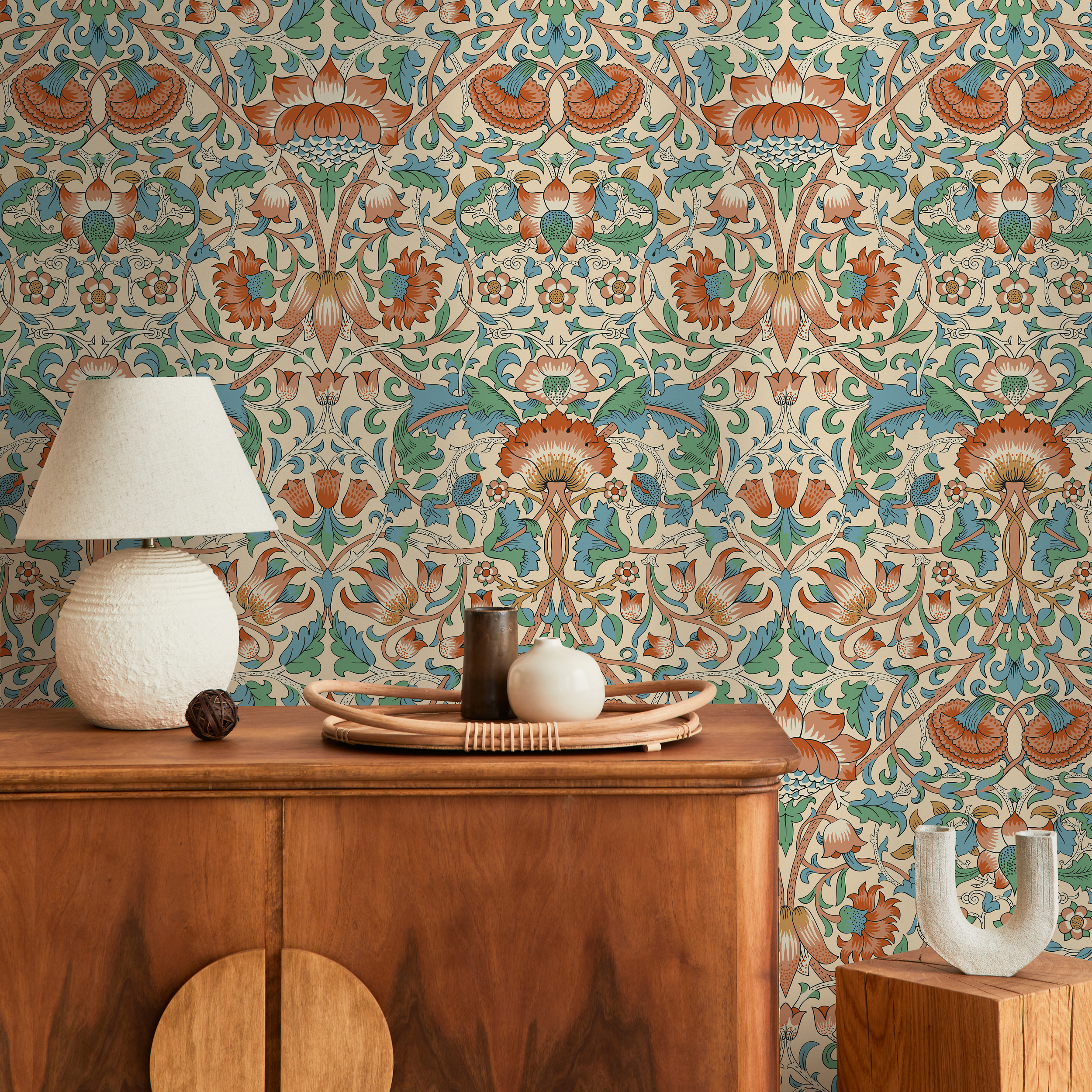
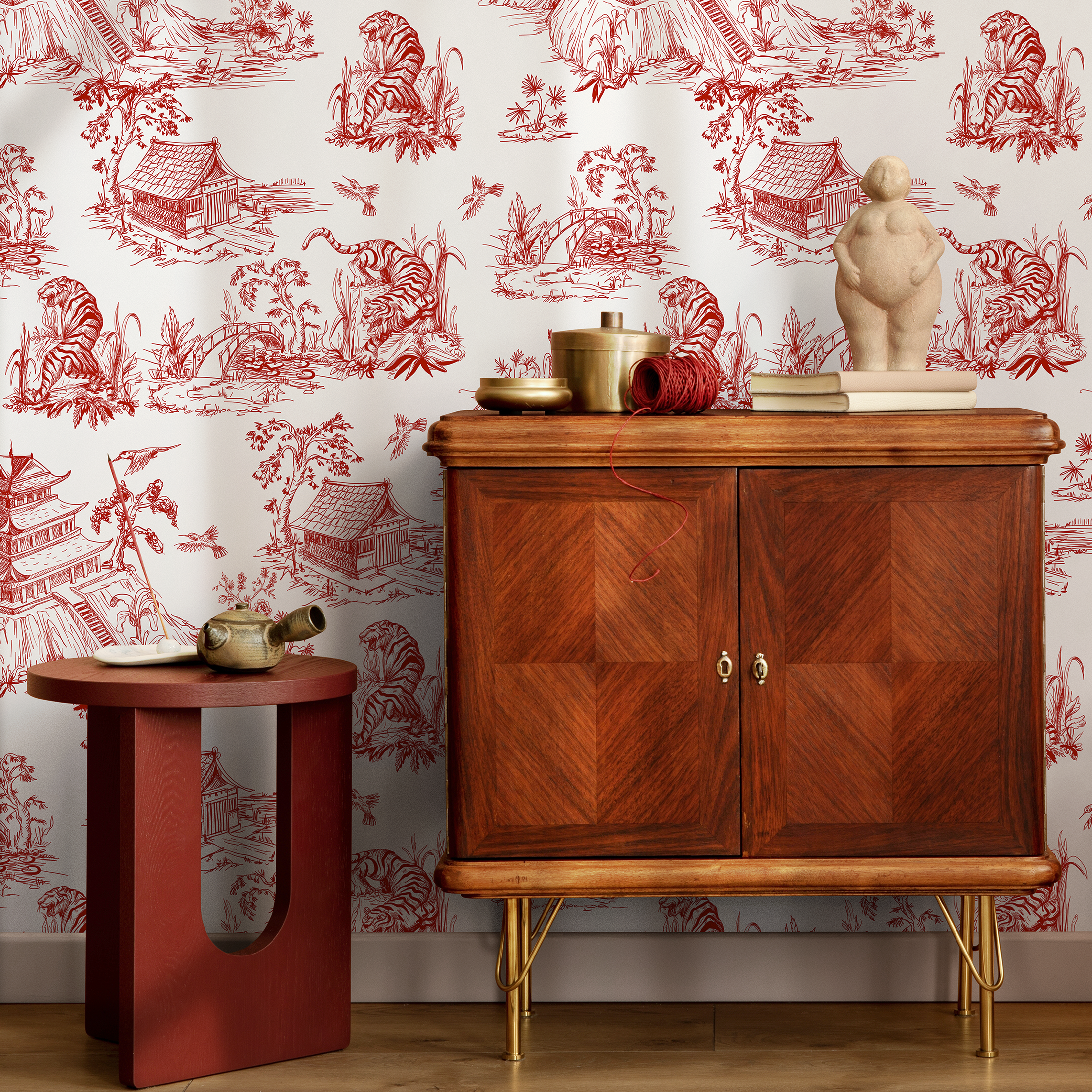
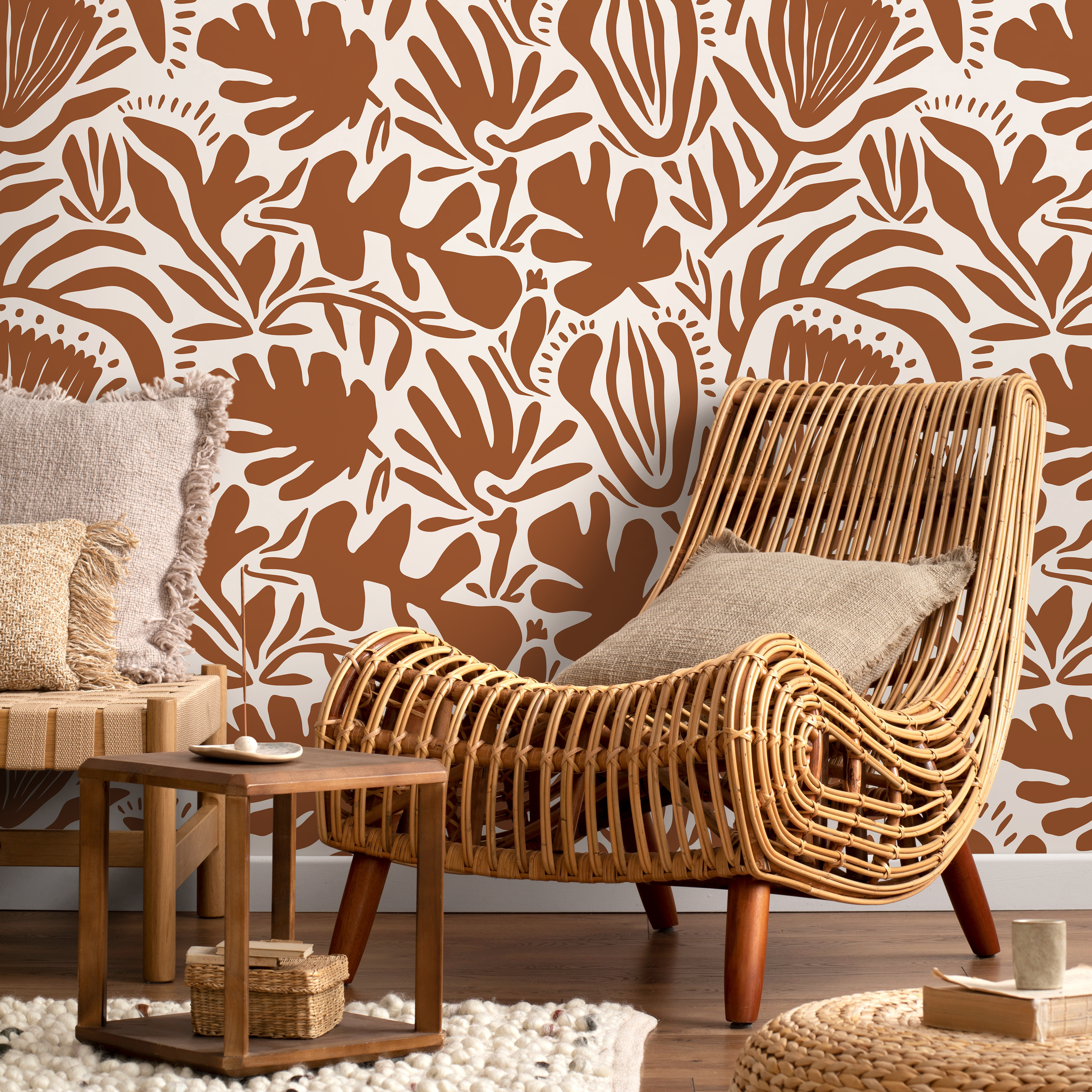
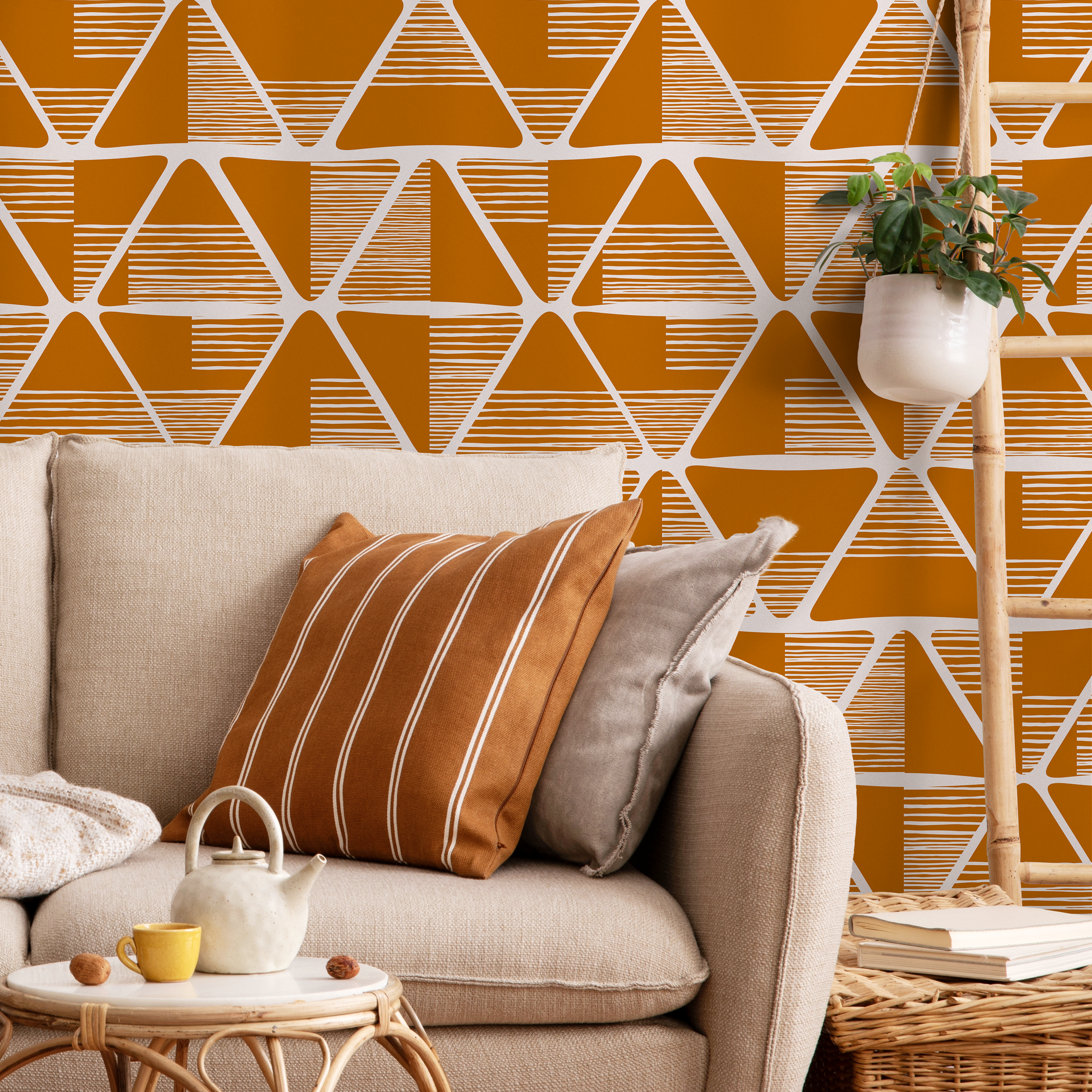
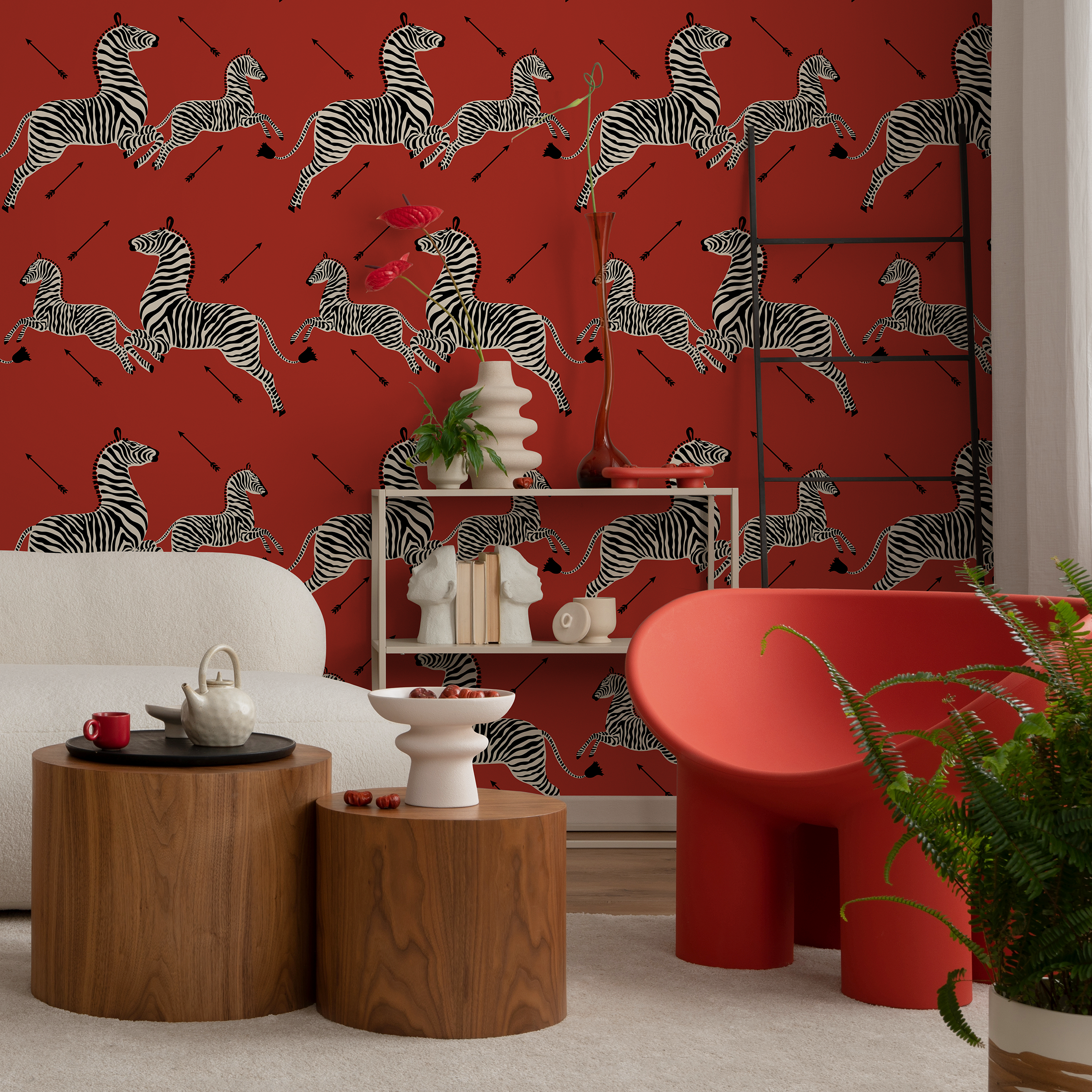
If the product lists a repeat, include it in your planning. For example, a plain texture may have little or no pattern matching. A large floral, mural-style botanical, geometric, or toile can require more material because the motif needs to line up cleanly across seams.
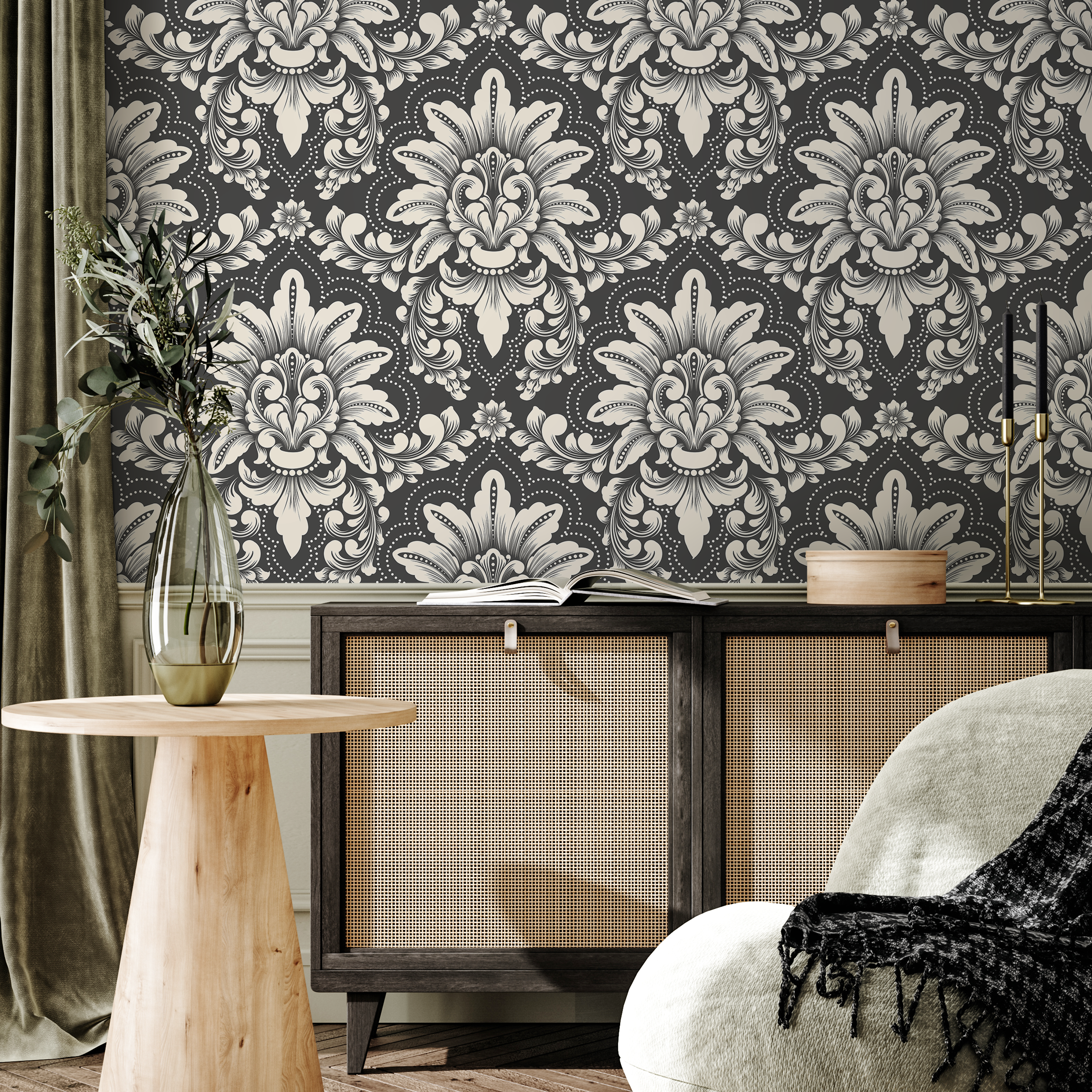
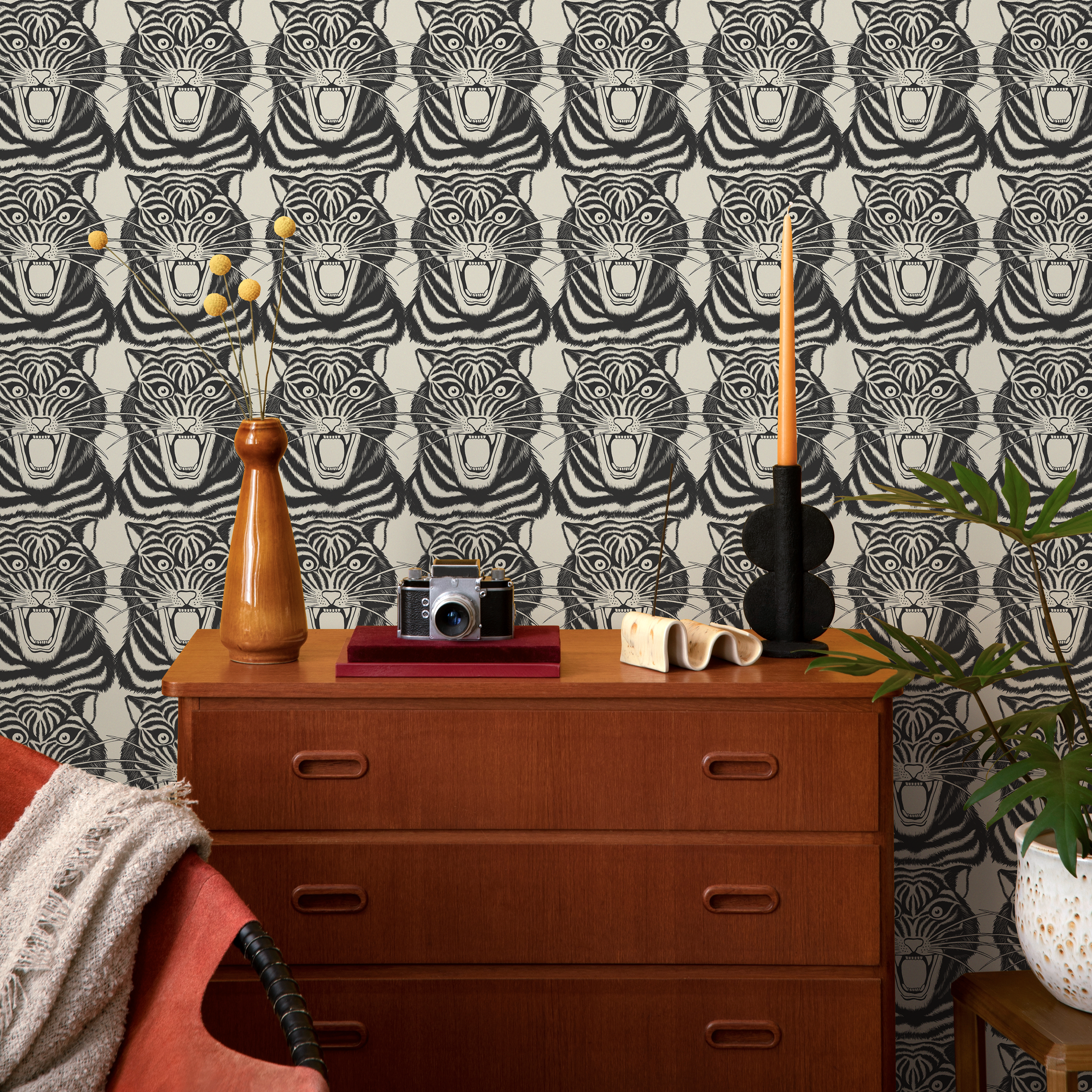
Pattern matching is one reason two walls with the same square footage can require different order quantities. A solid or small repeat may be efficient. A large-scale design may need more rolls or panels. If you are choosing a bold print from Floral Wallpaper, Geometric Wallpaper, or Botanical Wallpaper, be generous with overage.
## Step 5: Add 10% Overage
Always add overage. A common starting point is 10% extra, but some projects need more. Overage covers trimming, pattern matching, mistakes, damaged sections, and future touch-ups. It is especially important when wallpaper is printed in batches, because ordering later may not guarantee the same color match.
Consider adding more than 10% if:
- The pattern repeat is large.
- The wall has many doors, windows, corners, or outlets.
- You are wallpapering a stairway or sloped ceiling.
- You are a first-time installer.
- You are covering multiple walls.
- You want spare material for future repairs.
For a simple accent wall with a small repeat, 10% may be enough. For a full room or complex pattern, 15% to 20% can be more realistic.
## Common Mistakes and How to Avoid Them
The most common measuring mistake is using square footage alone. Wallpaper is not paint. Roll width, panel width, wall height, and pattern repeat all affect how much you need. A square-foot estimate can be useful, but it should not be the only calculation.
Another mistake is subtracting every door and window too aggressively. If the pattern needs to continue across the wall, those openings may not save as much material as expected. Keep the full-wall measurement as your baseline.
Avoid these issues:
- Measuring only one height on an uneven wall
- Forgetting baseboards, crown molding, or chair rails
- Ignoring pattern repeat
- Ordering exactly enough with no spare material
- Mixing measurements in feet, inches, and centimeters without checking
- Forgetting that accent walls still need trimming allowance
Once you have your measurements, review ONDECOR's how to install wallpaper guide so you understand how the material will be cut, aligned, smoothed, and trimmed.
## Ready to Order? Our Wallpaper Is Sold by the Roll
When you are ready to shop, keep three numbers in front of you: total wall width, wall height, and overage. Compare those numbers with the product's roll or panel coverage. If the wallpaper has a visible repeat, order enough for matching.
For a quick starting point, browse ONDECOR's Best Sellers, Removable Peel and Stick Wallpaper, and Bedroom Wallpaper. If you are planning a feature wall, Accent Wall Wallpaper is a practical collection to compare by scale and style.
Good measuring protects the final result. It helps the seams align, the pattern stay consistent, and the project move from unboxing to installation without a last-minute shortage.
## Shop ONDECOR
Measured and ready to order? Start with ONDECOR's Best Sellers, Removable Peel and Stick Wallpaper, or Accent Wall Wallpaper.
Compartir