
-
Shop
-
Trending
-
Theme
-
Patterns
-
Style
-
Coastal & Nautical
-
Flora
-
Fauna
-
Other
-
Soft & Trending
-
Neutrals
-
Earth & Natural Tones
-
Bold & Vibrant
Shop
PopularStyle and ThemeColor -


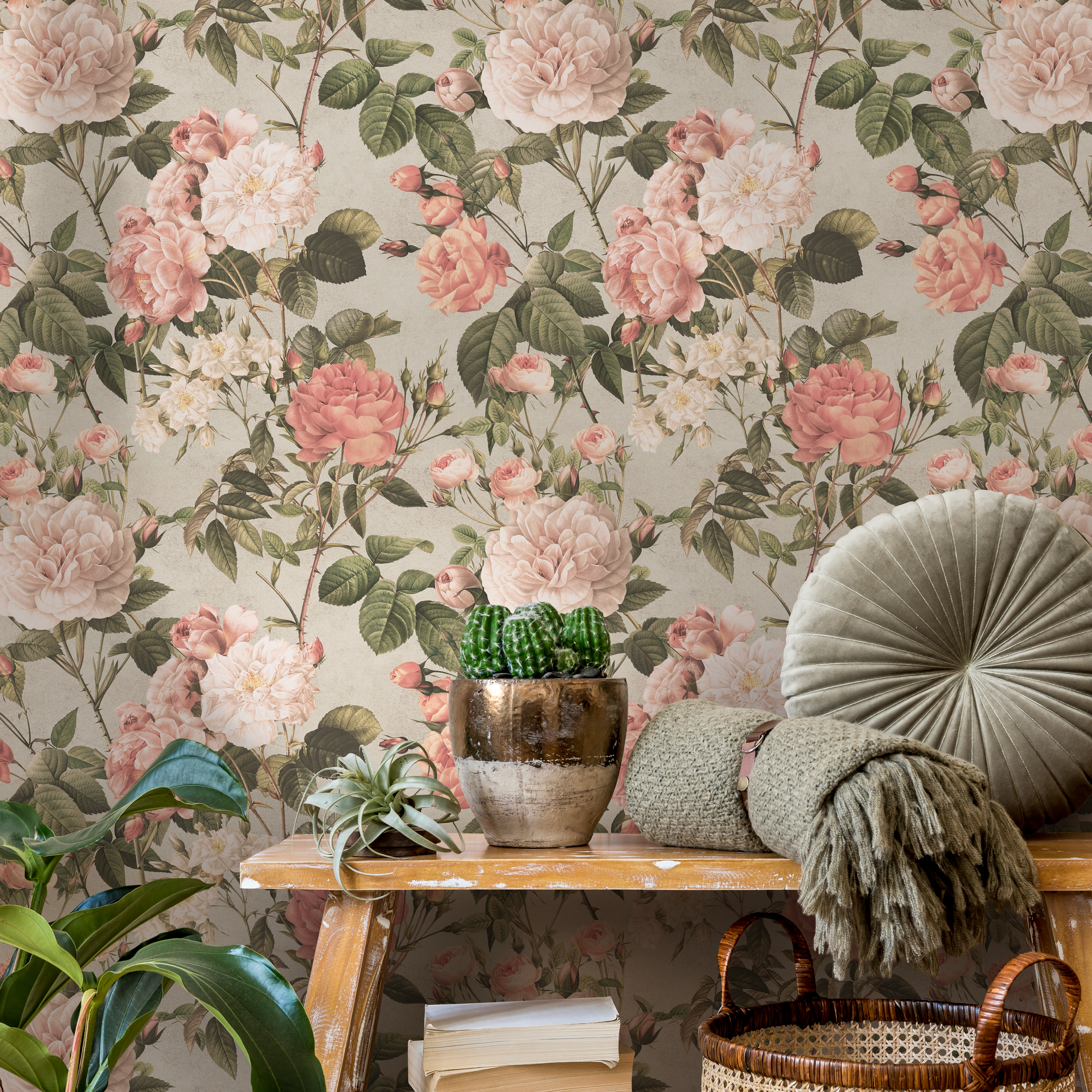

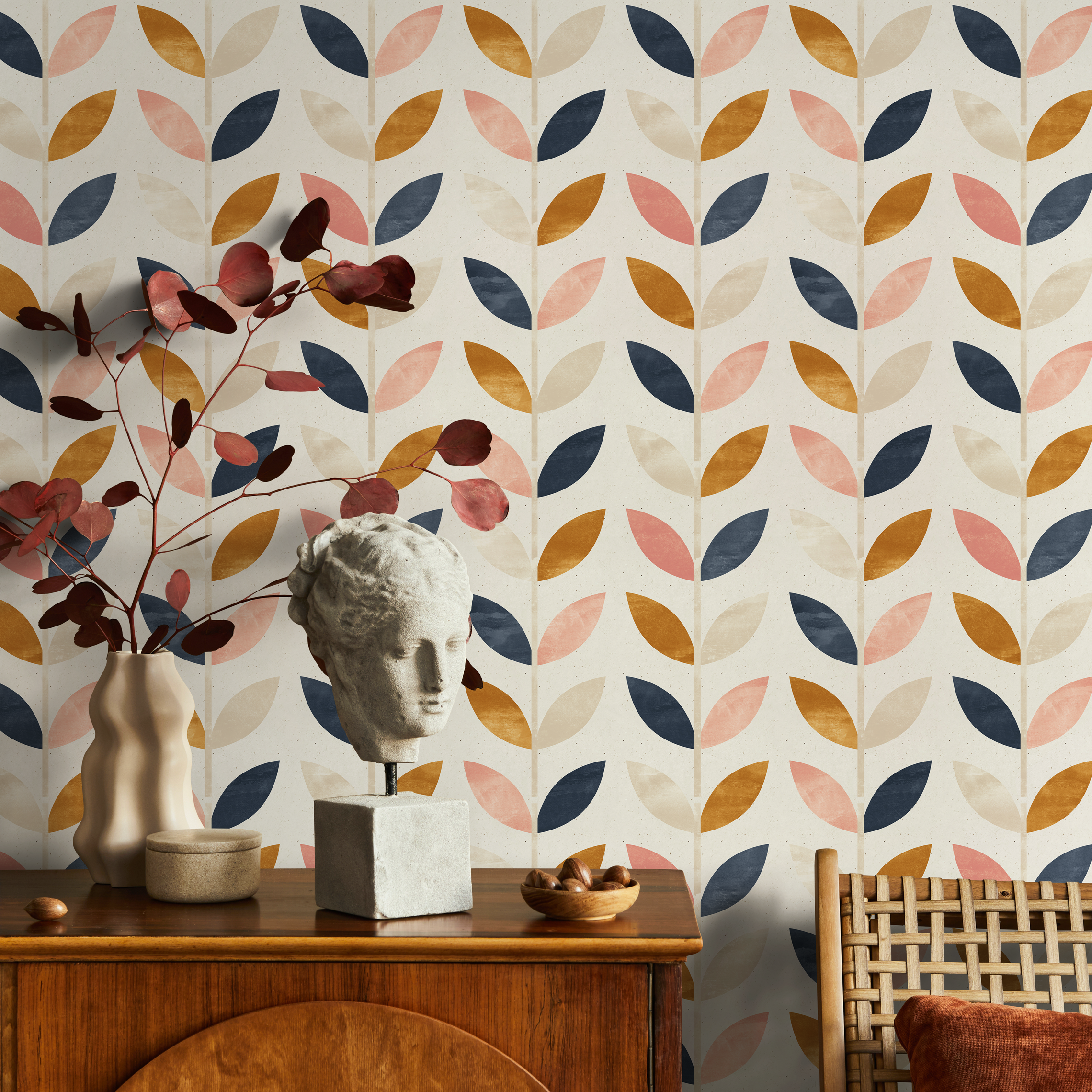
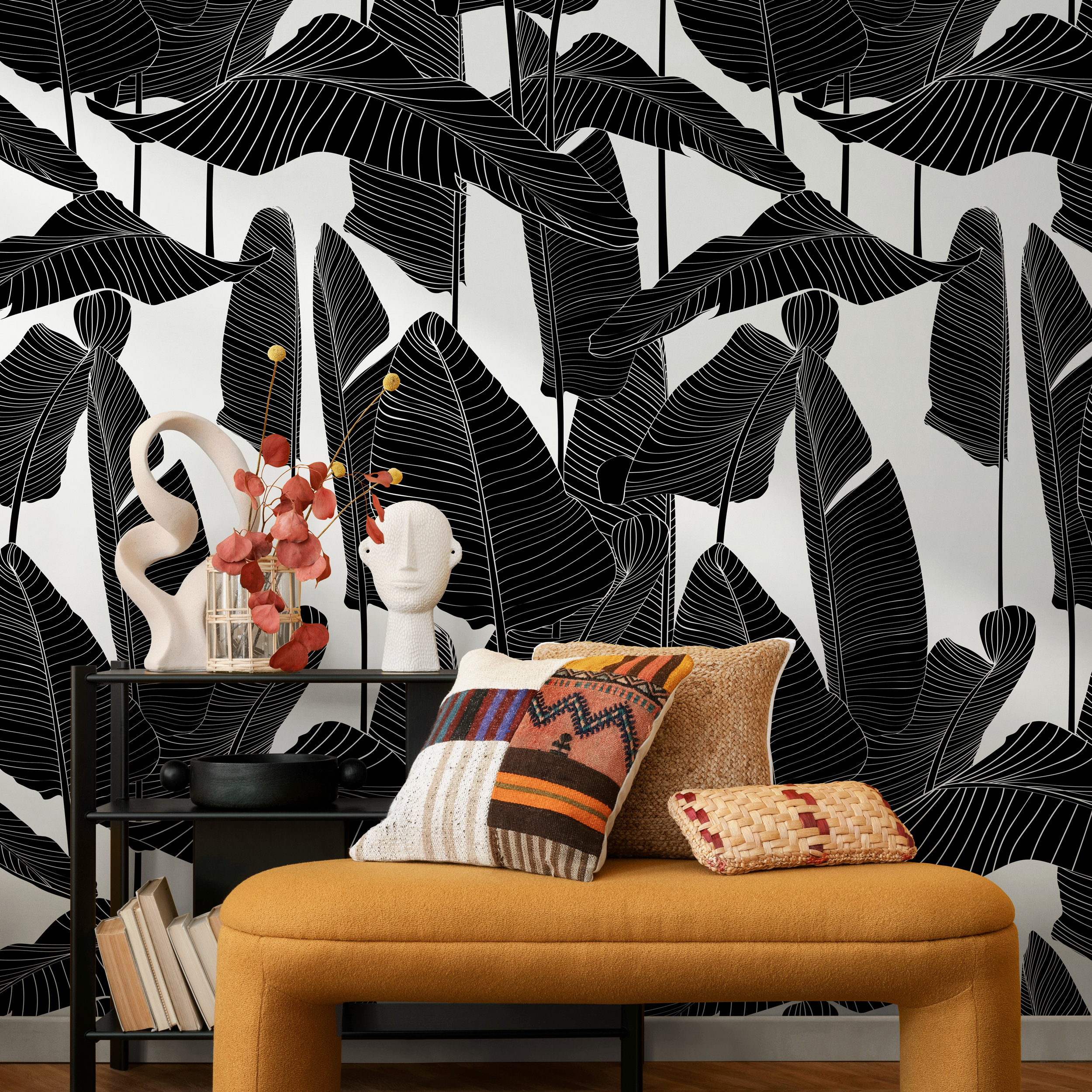
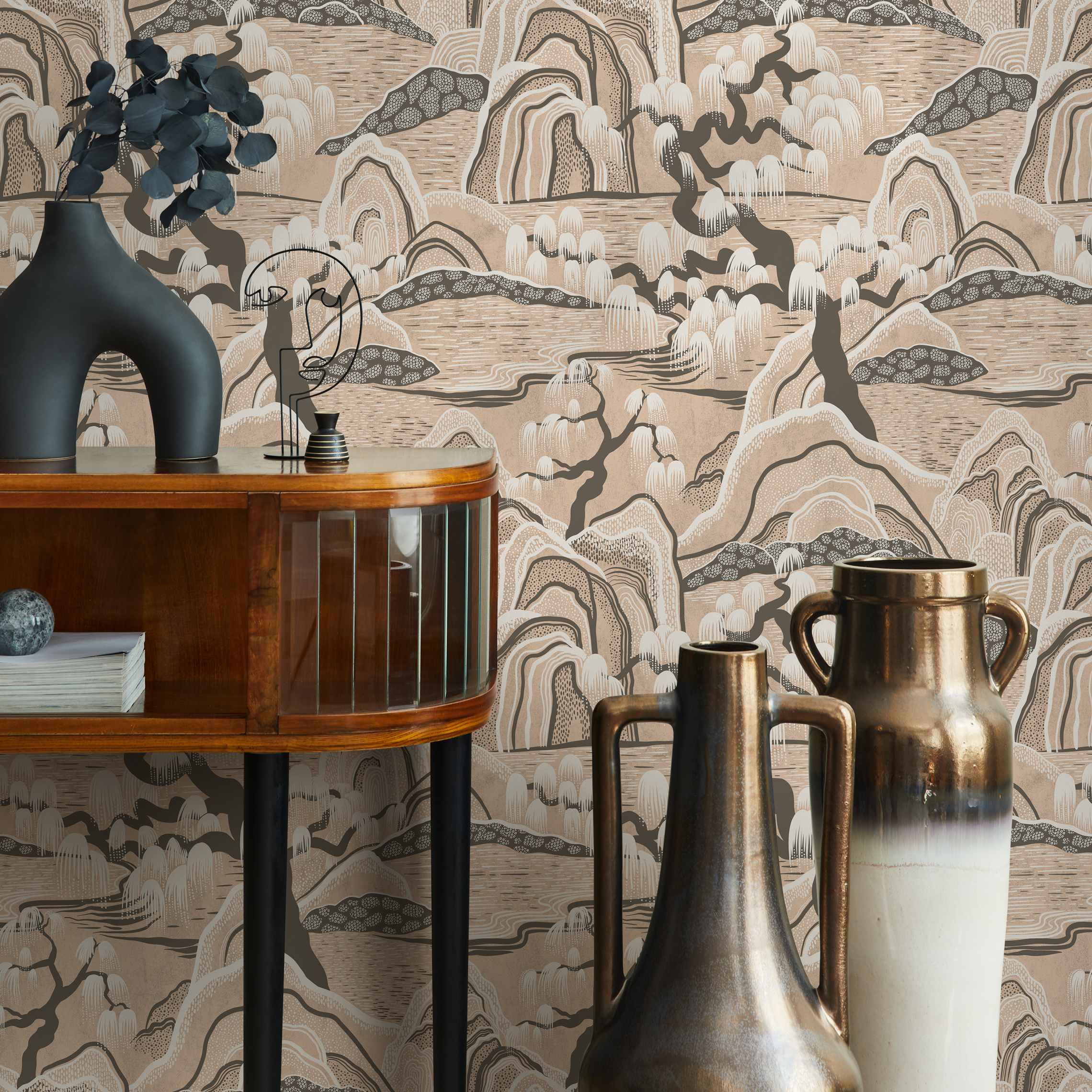




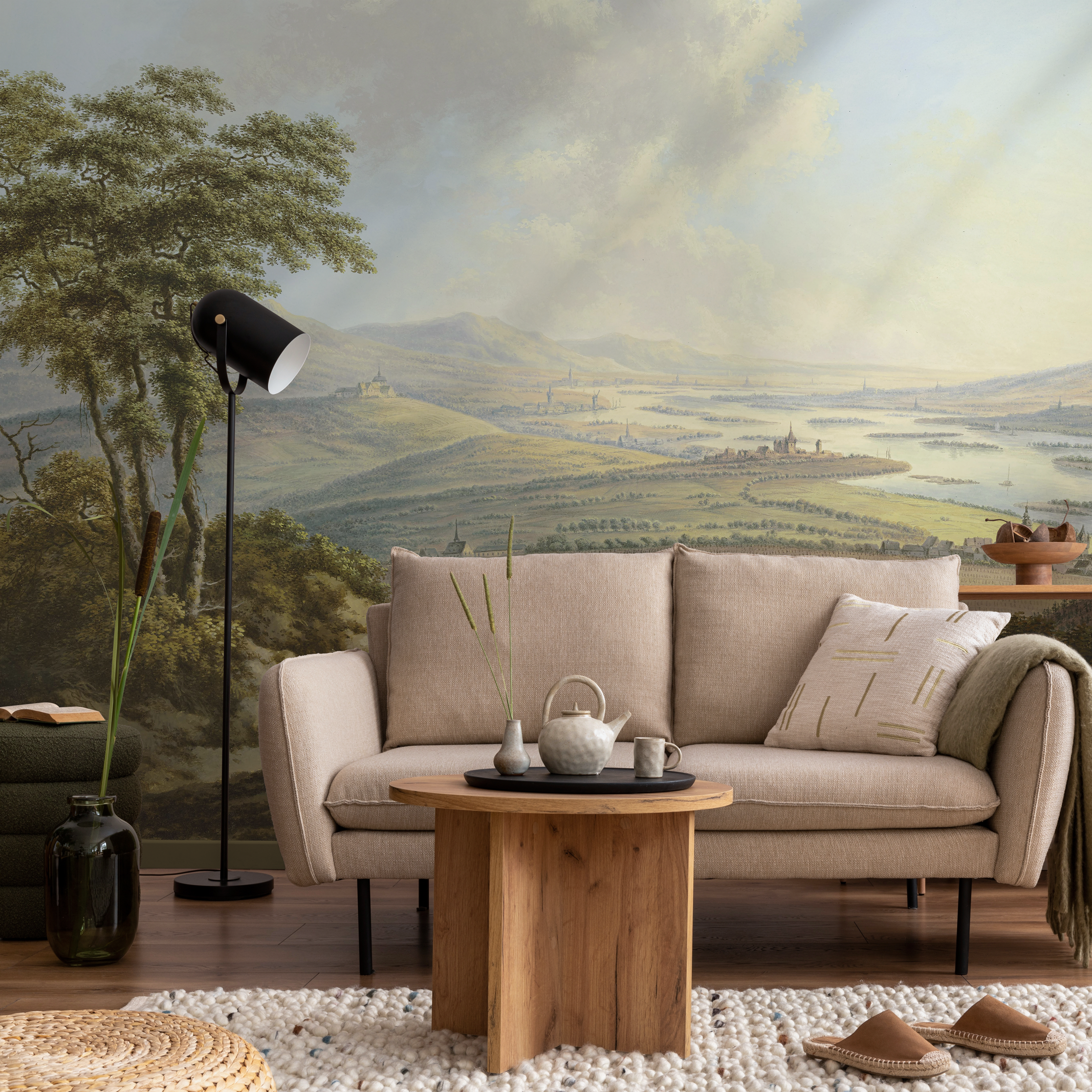

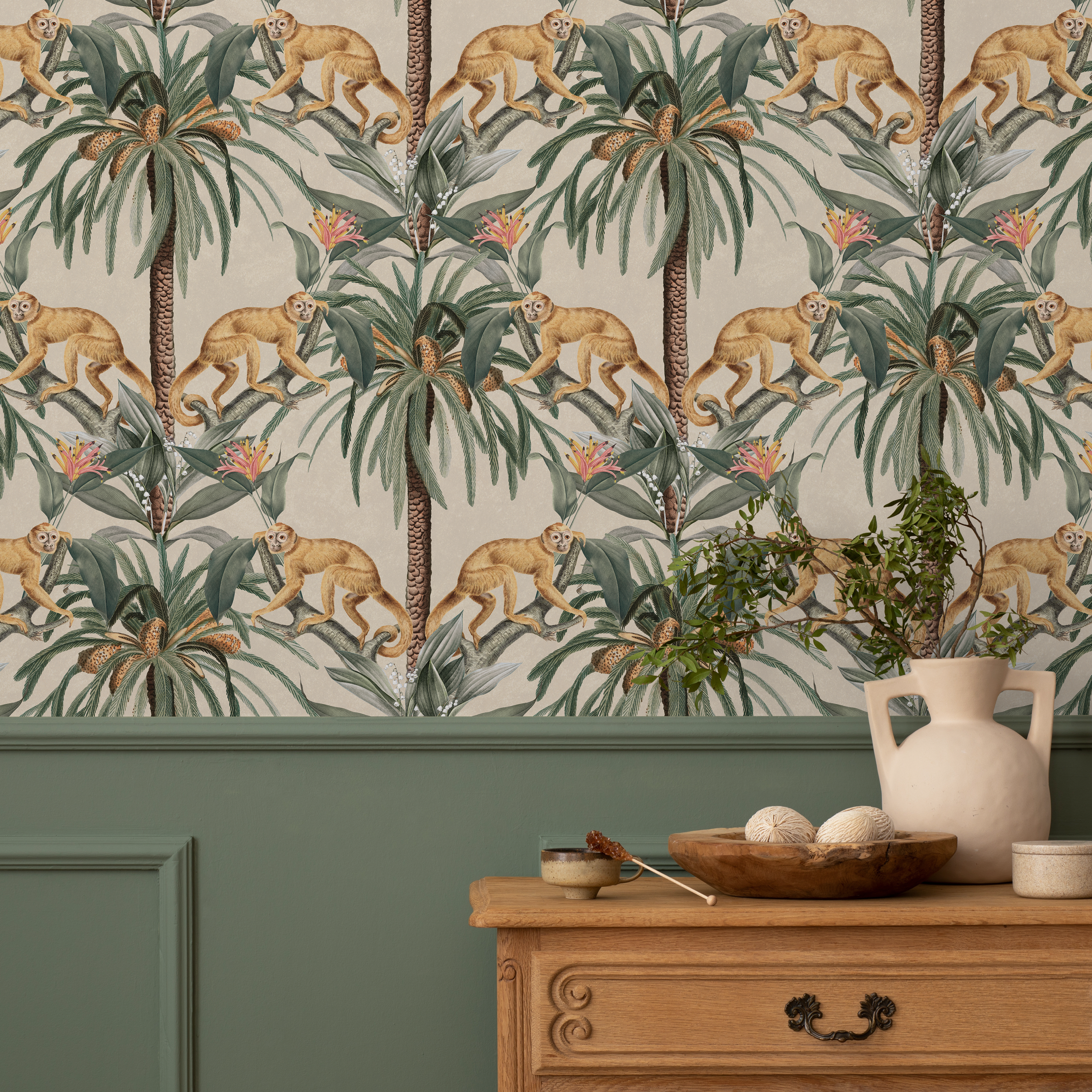
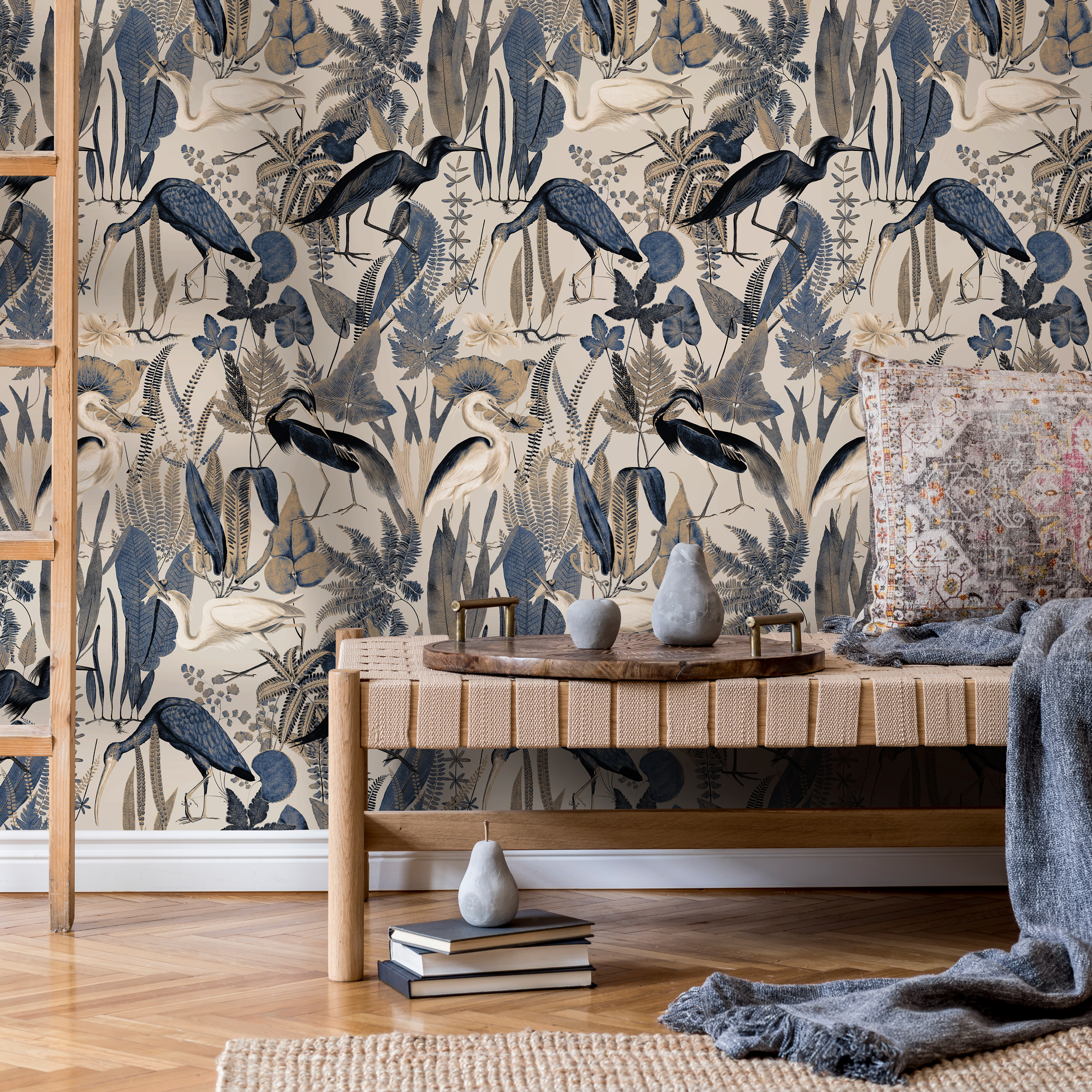
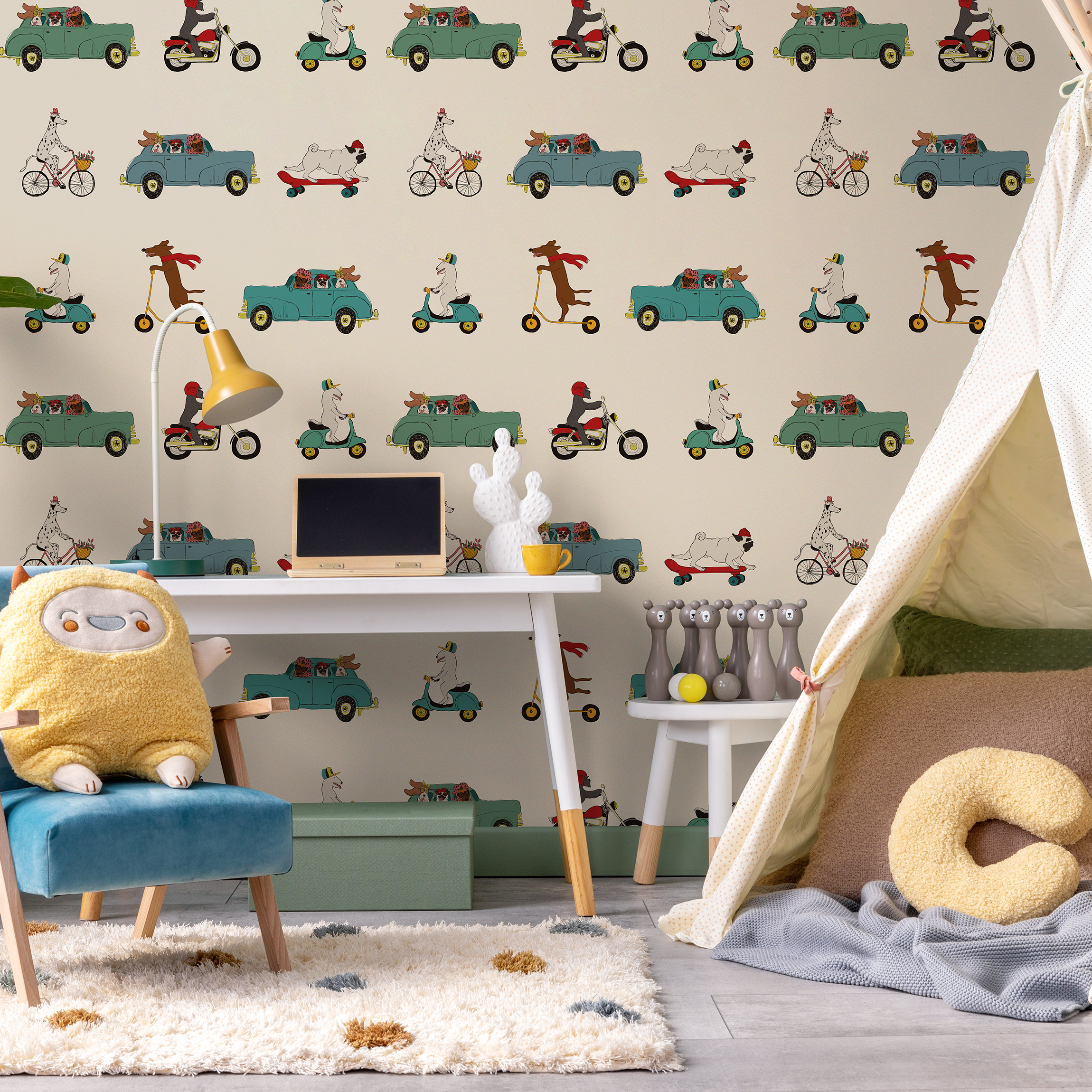




Sort by:
0 products
0 products
Sorry, there are no products in this collection
Peel and Stick Wallpaper on Wood Furniture — Upcycle Any Piece into a Design Statement
Wood furniture — from heirloom antiques to flat-pack basics — is one of the most rewarding surfaces for peel and stick wallpaper. A single roll of wallpaper can transform a tired dresser, outdated bookcase, or plain headboard into a custom, magazine-worthy piece. Whether you're working with dark-stained wood, painted furniture, or raw timber, this guide covers every technique for professional results on bedroom, living room, and kitchen furniture.
Order free wallpaper samples — just $2 flat-rate shipping in the US. See patterns and feel materials before committing to your project.
Before You Start — Essential Preparation Checklist
Every successful wallpaper project starts with proper preparation, regardless of the surface you're working with. Gather your tools: a plastic squeegee or wallpaper smoother, a sharp utility knife with fresh blades, a measuring tape, a level or straight edge, and a clean microfiber cloth. Plan your layout before peeling any backing — decide where your first panel will go (typically the most visible wall area), measure carefully, and mark light pencil guidelines. Having everything ready before you start makes the difference between a frustrating experience and a satisfying transformation. ONDECOR's customer support team is available to help with layout planning and measurement questions — don't hesitate to reach out before placing your order.
Wood Furniture Surfaces — What to Expect
Painted wood — The easiest furniture surface for peel and stick. No sanding needed if the paint is in good condition. Apply directly for strong adhesion.
Varnished or lacquered wood — Glossy finishes need light sanding with 220-grit to roughen the surface for adhesive grip. Skip this and the wallpaper may slide during application.
Raw or unfinished wood — Seal with a coat of primer or polyurethane first. Raw wood is too porous and may absorb adhesive, weakening the bond.
Laminate-covered wood — Clean thoroughly with rubbing alcohol. Most laminate surfaces accept peel and stick well without sanding.
Furniture Projects by Room
Bedroom — Bedroom furniture transformations deliver the most dramatic before-and-after results. Wallpaper a dresser front with cherry wood grain or herringbone wood patterns for instant elegance. DIY headboards wrapped in natural wood wallpaper become the room's focal point.
Living room — Living room bookcases, media consoles, and coffee tables are prime candidates. Barn wood patterns on an entertainment center create rustic charm, while faux wood slat designs add modern architectural interest.
Kitchen — Kitchen cabinet doors, open shelving faces, and kitchen islands accept wallpaper beautifully. Brown wood grain patterns give budget cabinets a premium look.
Dining room — Dining room sideboards, buffets, and china cabinets become statement pieces. Distressed wood wallpaper creates farmhouse character on any furniture piece.
Styling Wood Furniture with Wallpaper
Two-tone contrast — Wallpaper the top or drawer fronts while leaving the frame in its original finish. Grey wood tones on a natural wood dresser create sophisticated, layered texture.
Wood-on-wood — Apply chevron wood patterns to create visual interest on flat-fronted furniture. The directional pattern adds dynamism to otherwise static surfaces.
Bold transformation — For maximum impact, wrap the entire piece in blue-stained wood or black wood grain wallpaper. The unexpected color makes everyday furniture extraordinary.
The Furniture Upcycling Revolution
Furniture upcycling has evolved from a niche hobby to a mainstream design movement. Driven by sustainability consciousness, social media inspiration, and the sheer satisfaction of transformation, millions of people now see old furniture as raw material for creative expression. Peel and stick wallpaper has become the upcycler's secret weapon — it's faster than paint, more dramatic than stain, and fully reversible for vintage or valuable pieces. Wood paneling applications extend this same philosophy to architectural surfaces. ONDECOR's free customization means every furniture piece can receive a truly unique treatment — no two makeovers need look alike.
Why ONDECOR — Quality, Customization, and Confidence
ONDECOR prints tiled wallpaper panels on demand in the USA from PVC-free, eco-friendly materials. The straight-match panel system — not traditional rolls — means less waste and bolder, more expansive designs that cover walls with fewer seams. Every design is available in both peel and stick (renter-friendly, repositionable) and traditional paste (permanent, strongest bond) formats, giving you the right solution for any project.
Free customization sets ONDECOR apart: adjust colors, scale, design elements, or request entirely new colorways — with truly unlimited revisions at no additional charge. This means the pattern you see in the catalog is just the starting point. Want a warmer undertone? A different accent color? Larger scale to suit a big wall? Just ask. Free shipping on all US orders, free exchanges if you're not satisfied, and panels ship within 1–4 business days. Custom sizing means panels are cut to your exact wall or project dimensions — no guesswork, no waste.
What Sets ONDECOR Panels Apart
Traditional wallpaper rolls require pattern matching, careful measuring, and acceptance of whatever width the manufacturer chose. ONDECOR's tiled panel approach changes the equation entirely. Each panel is printed to align with the next in a straight match — simply place them side by side. The larger panel format allows for designs that would be impossible on narrow 21-inch rolls, including oversized botanicals, sweeping murals, and full-wall compositions. Because every order is printed on demand, there's no old stock sitting in a warehouse — your panels are fresh, vibrant, and made specifically for your order. The PVC-free material is safer for your family and the environment, with no vinyl off-gassing or plastic smell.
Installation Tips for Wood Furniture
Clean the surface thoroughly with rubbing alcohol. Sand glossy finishes lightly with 220-grit. Measure each section and cut wallpaper with 1/2-inch overlap. Apply starting from one edge, smoothing outward with a squeegee. For drawer fronts, remove the drawer and work on a flat surface. For edges and curves, warm the wallpaper with a hair dryer on low heat. Press edges firmly and trim excess with a sharp blade. For high-use surfaces, apply 2-3 coats of clear matte polyurethane after 24 hours of adhesive curing.
Ordering and Delivery
Ready to transform your space? Start by ordering free wallpaper samples — choose up to five patterns to compare against your surface and lighting. Samples ship with $2 flat-rate shipping and arrive within days. When you're ready to order, measure your surface dimensions carefully (ONDECOR's support team can help with measurement guidance). Every order is printed fresh in the USA and ships within 1–4 business days. Standard shipping is free on all US orders. If your wallpaper isn't what you expected, ONDECOR offers free exchanges — no questions asked. For custom color modifications, submit your request through the product page and receive a digital proof before printing begins. There's no minimum order and no maximum revision limit.
Frequently Asked Questions
Related Collections
- Wood Design Wallpaper
- Wallpaper on Wood Paneling
- Faux Wood Panel Wallpaper
- Herringbone Wood Wallpaper
- Barn Wood Wallpaper
- Distressed Wood Wallpaper
- Natural Wood Wallpaper
Can you put peel and stick wallpaper on wood furniture?
Yes — wood furniture is one of the best creative applications. Sand glossy finishes lightly, wipe clean, and apply. Both sealed and painted wood surfaces accept peel and stick well. For wood-look designs, see wood design wallpaper.
Do I need to sand wood furniture first?
Sand glossy or varnished surfaces lightly with 220-grit to give the adhesive grip. Matte or painted surfaces usually don't need sanding. Always wipe clean after sanding.
Will wallpaper damage wood furniture when removed?
Quality peel and stick removes cleanly from sealed, painted, or varnished wood. Remove slowly at 180 degrees. Any residual adhesive lifts with rubbing alcohol.
What furniture pieces work best?
Dressers, nightstands, desks, bookcases, headboards, cabinet doors, and side tables. Flat surfaces work best. Dark wood finishes get dramatic makeovers with bold patterns.
Can I wallpaper just drawer fronts?
Yes — one of the most popular techniques. Wallpapered drawer fronts with the cabinet body left in a solid color creates sophisticated contrast. Try herringbone wood patterns for textured elegance.
Should I use a topcoat over wallpaper on furniture?
For frequently used surfaces (desk tops, dressers), a clear matte polyurethane topcoat extends lifespan. For display pieces or low-touch surfaces, the wallpaper alone is sufficient.
What patterns transform wood furniture best?
Bold designs that contrast with the furniture's original character. Faux wood panel patterns create subtle textural updates, while abstract designs deliver dramatic transformations.


