
-
Shop
-
Trending
-
Theme
-
Patterns
-
Style
-
Coastal & Nautical
-
Flora
-
Fauna
-
Other
-
Soft & Trending
-
Neutrals
-
Earth & Natural Tones
-
Bold & Vibrant
Shop
PopularStyle and ThemeColor -



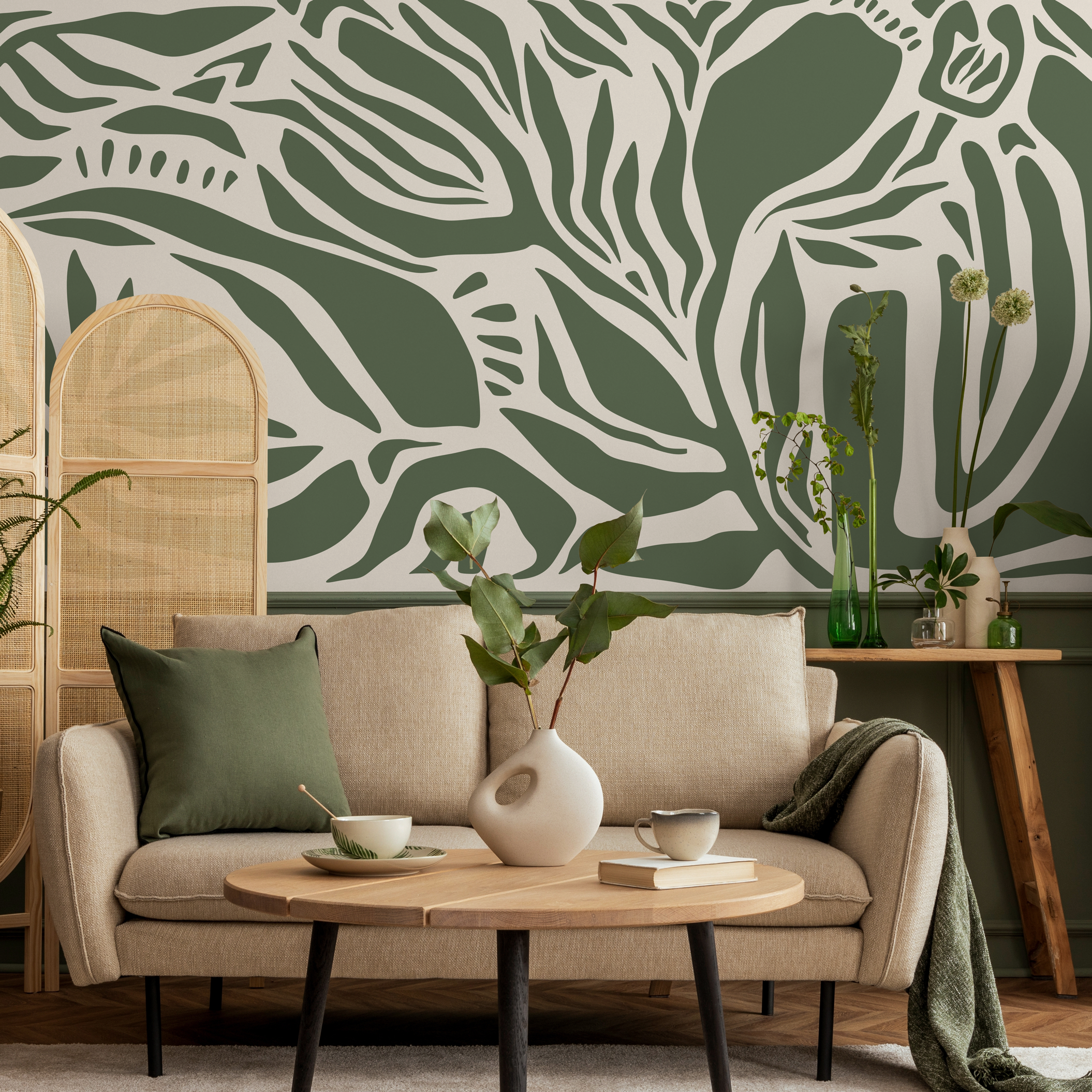
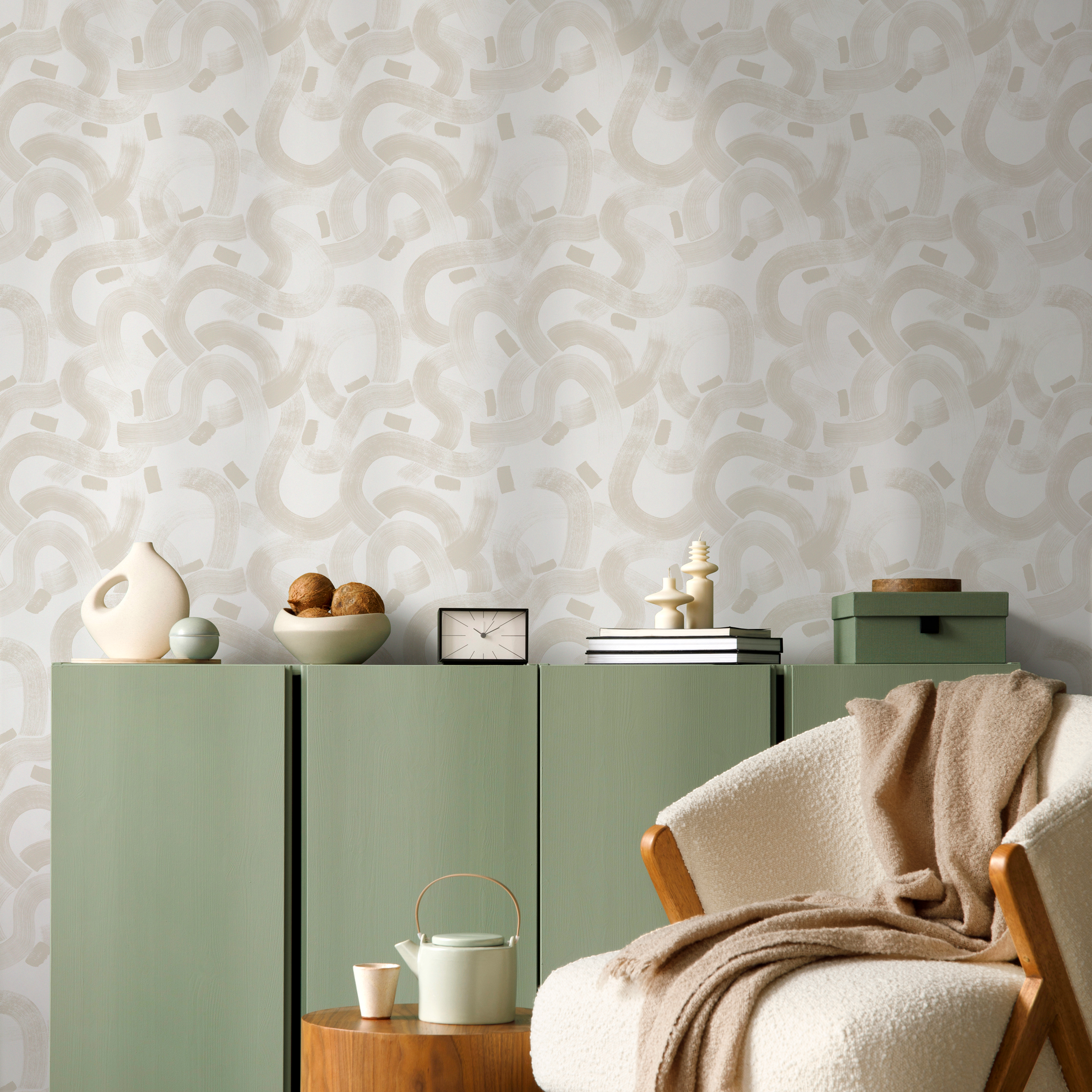
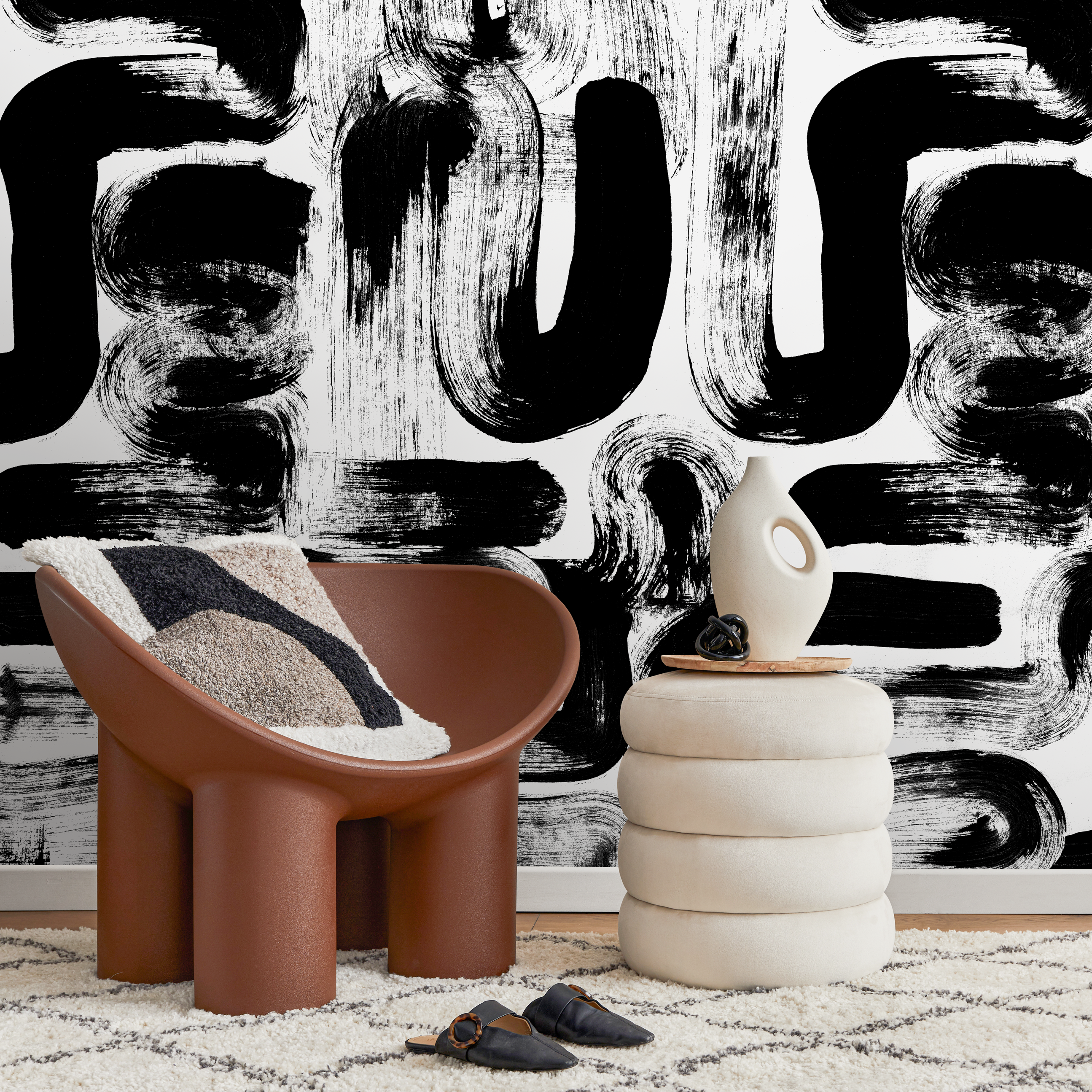
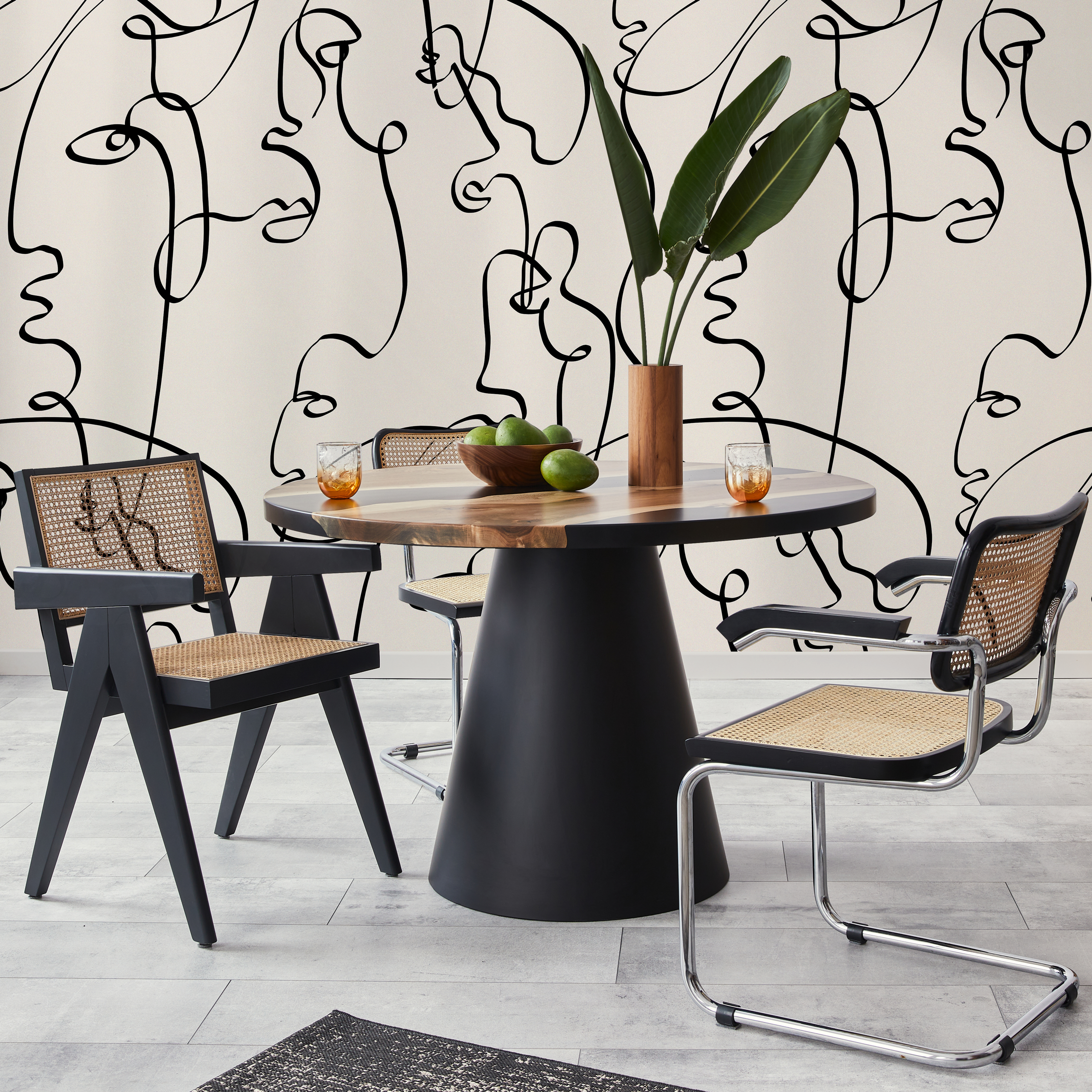
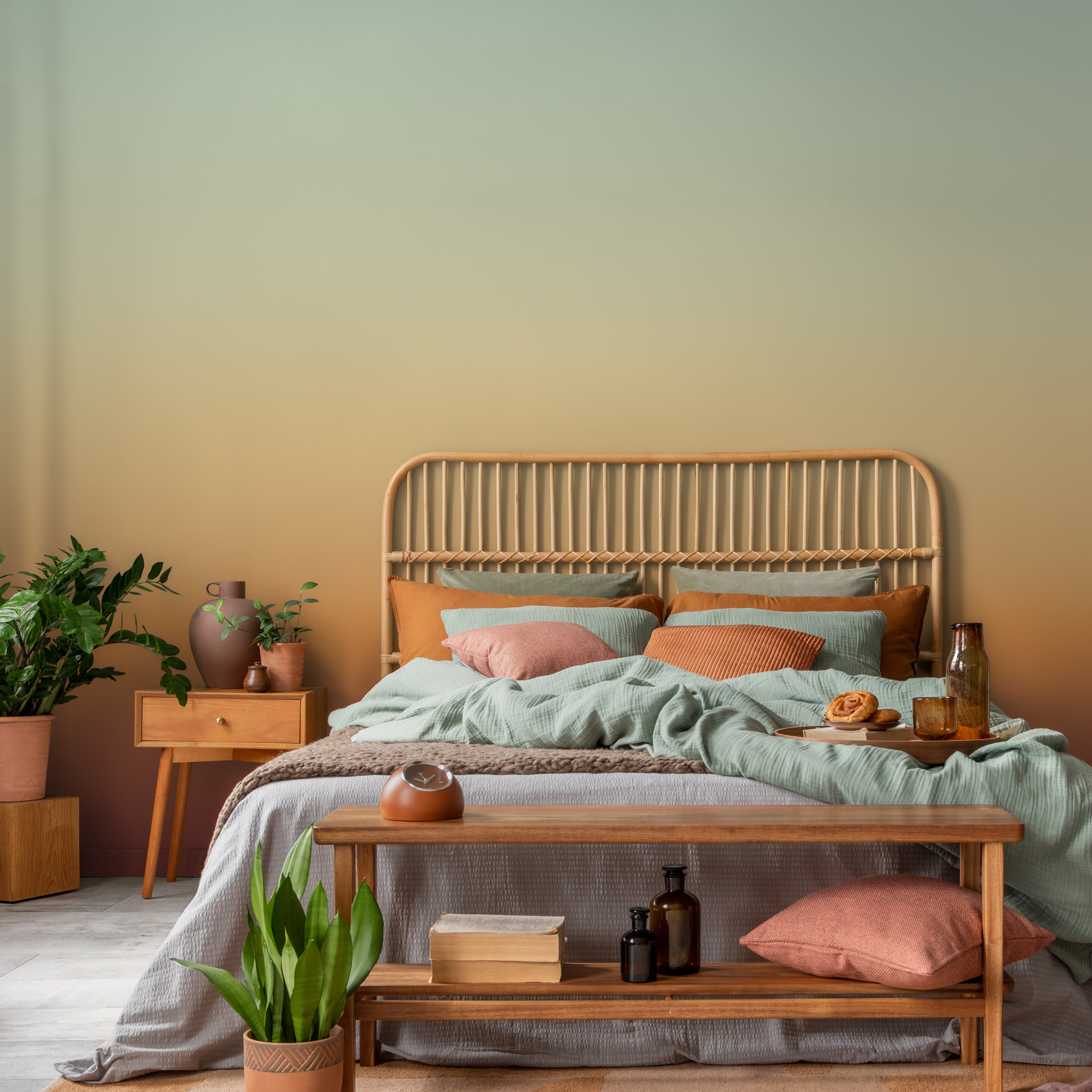

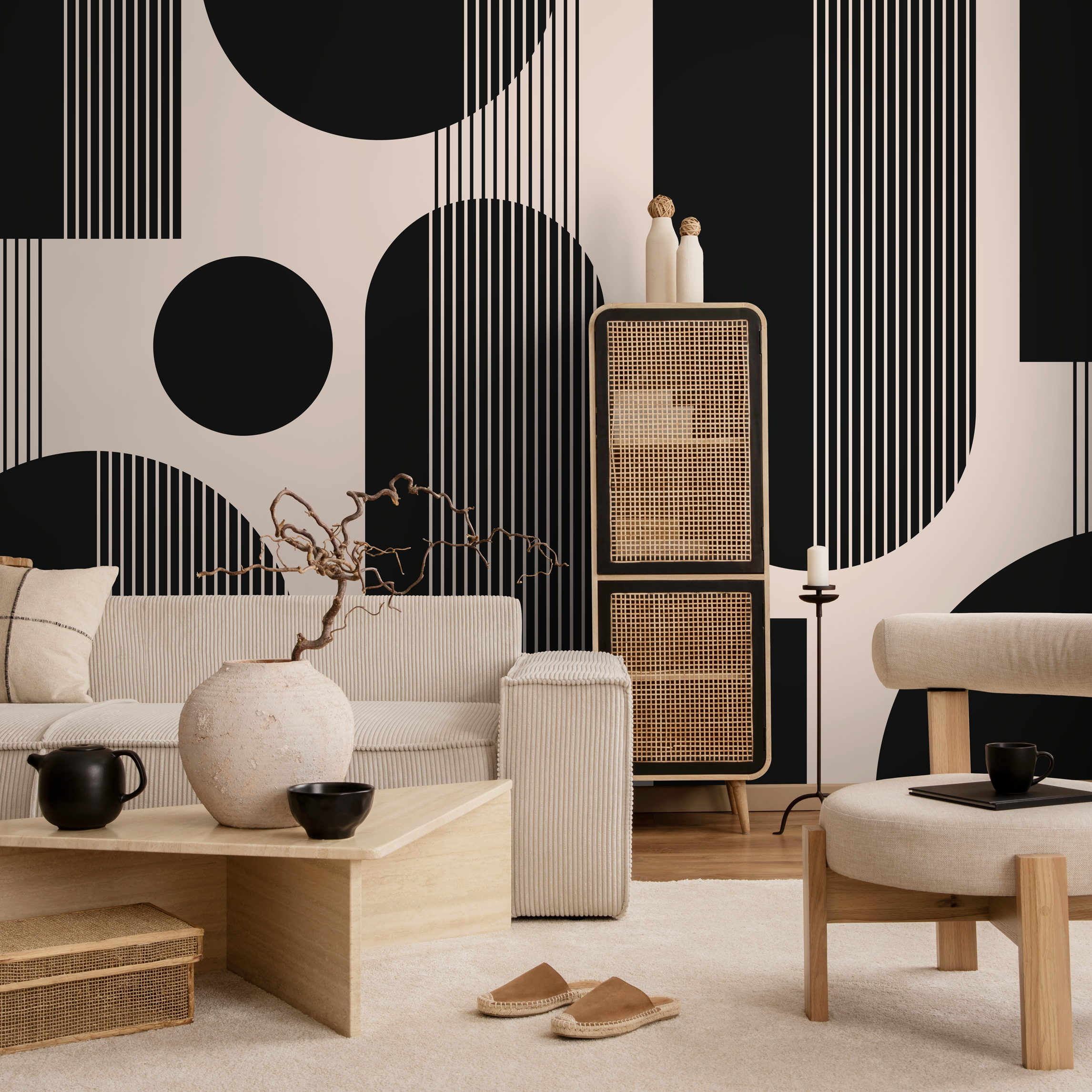
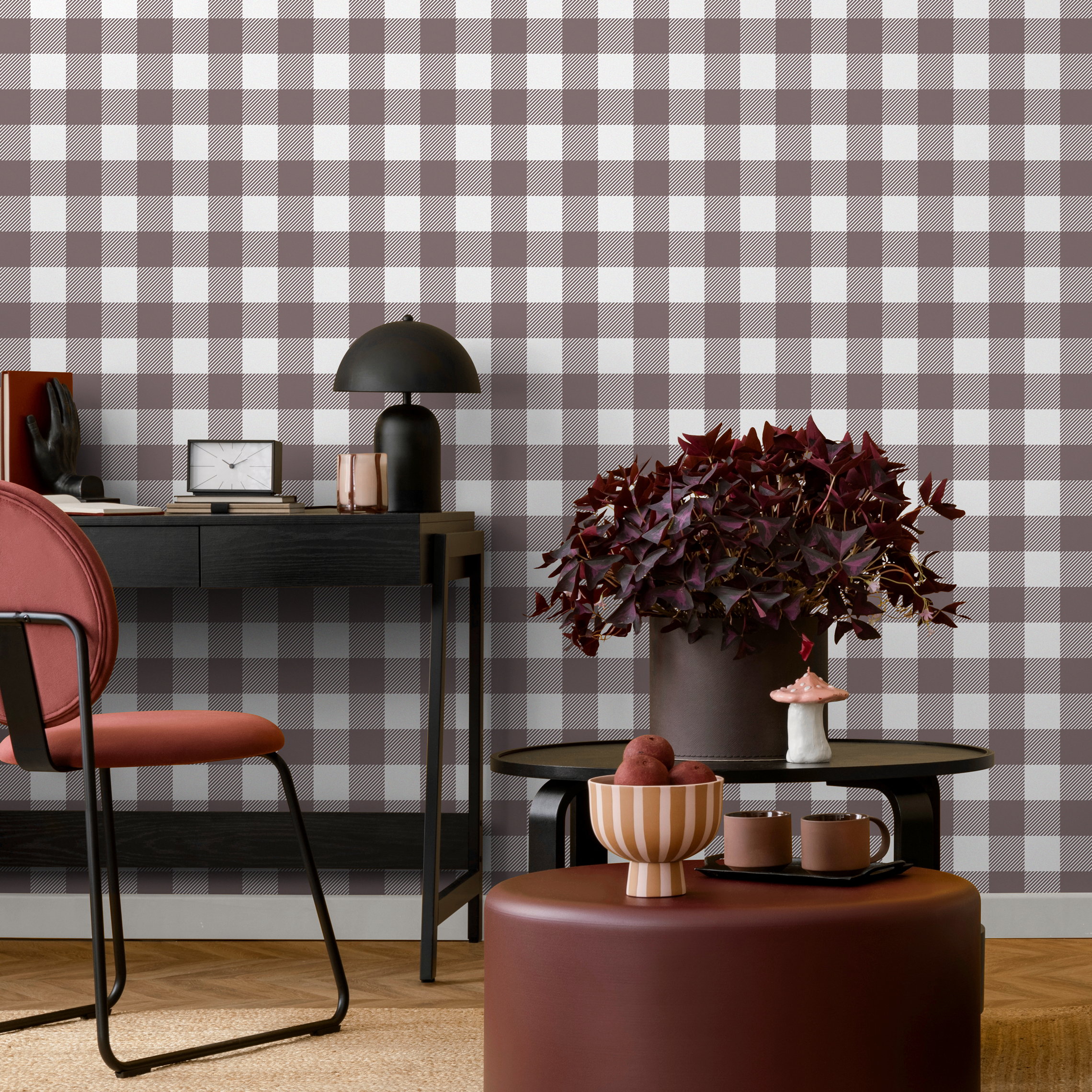
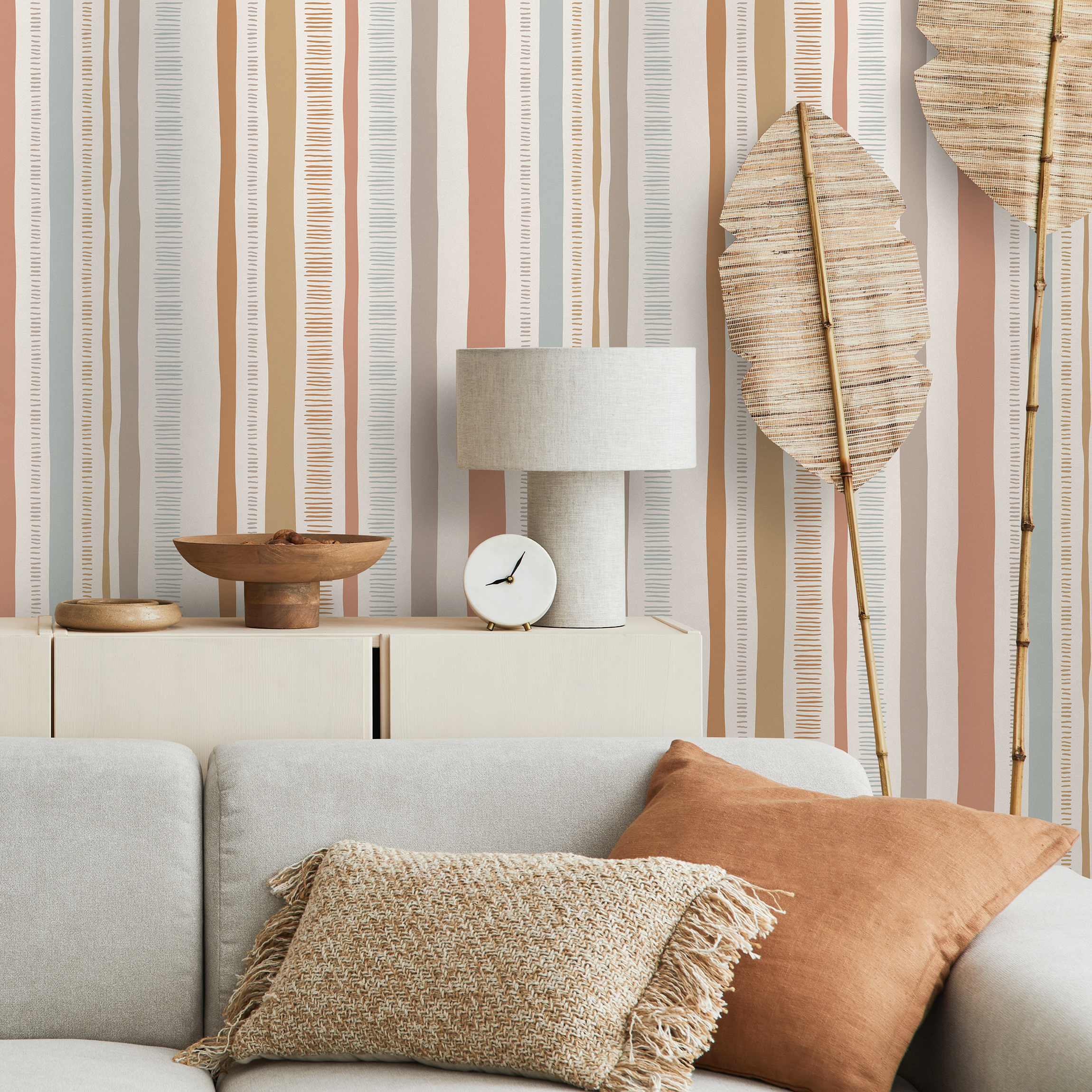




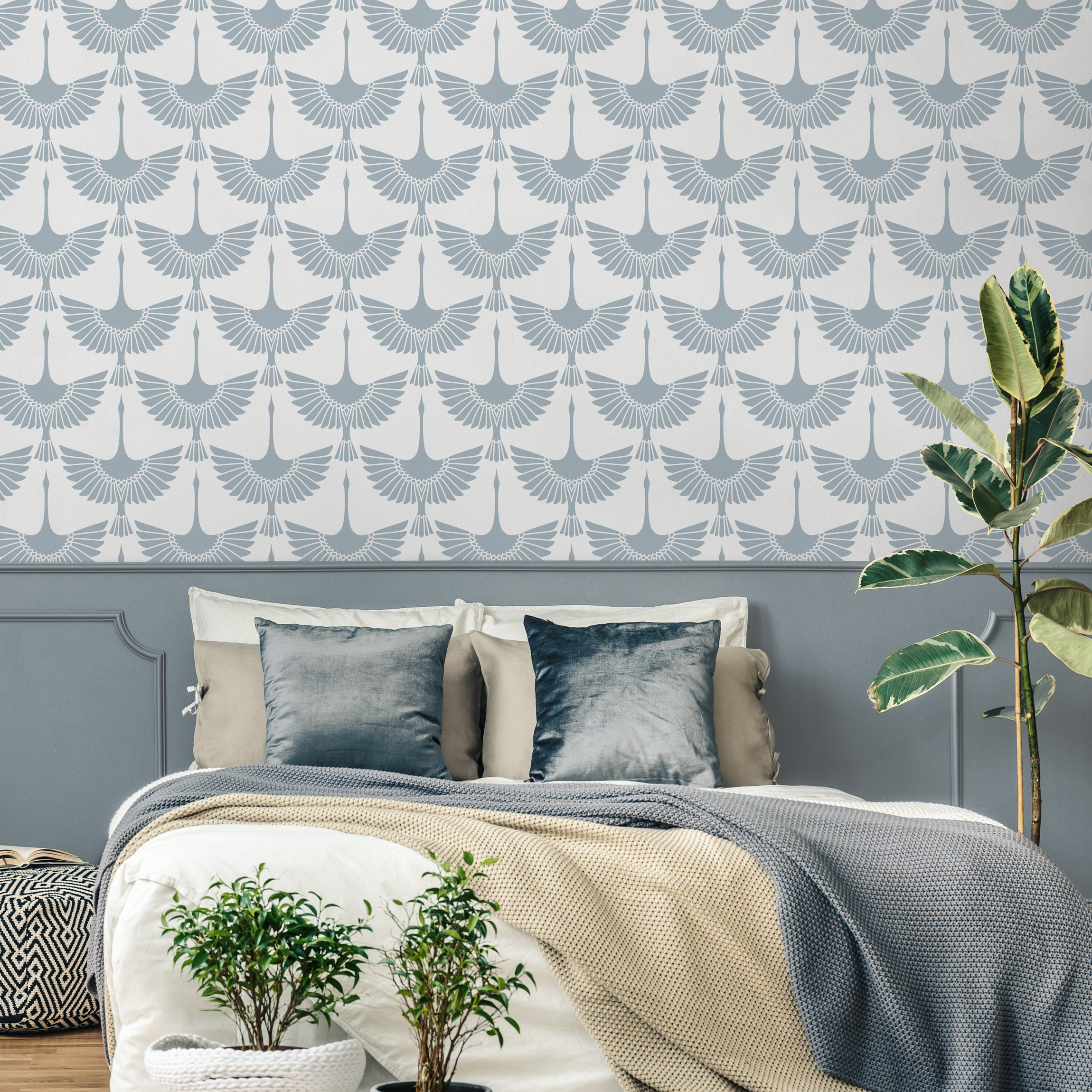


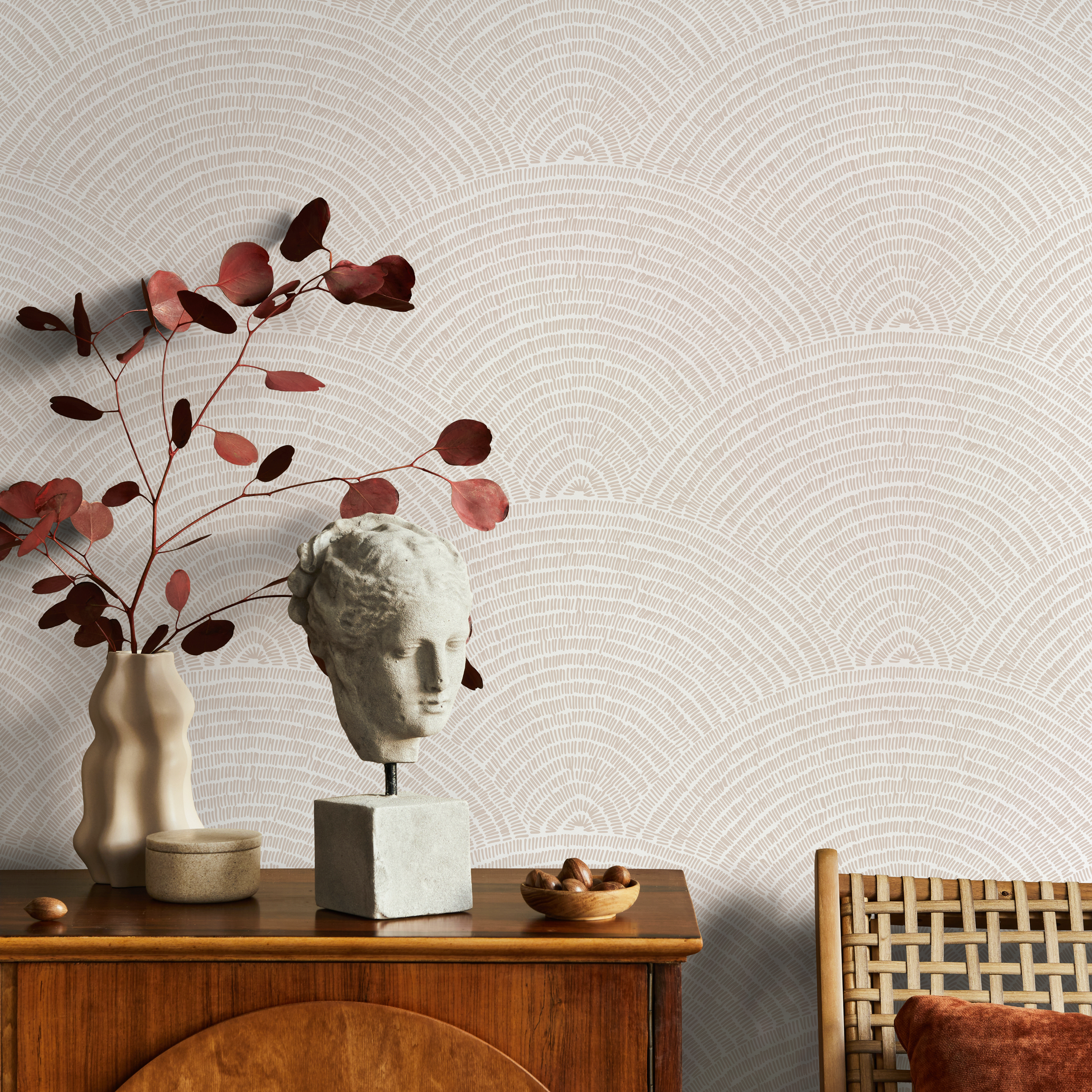
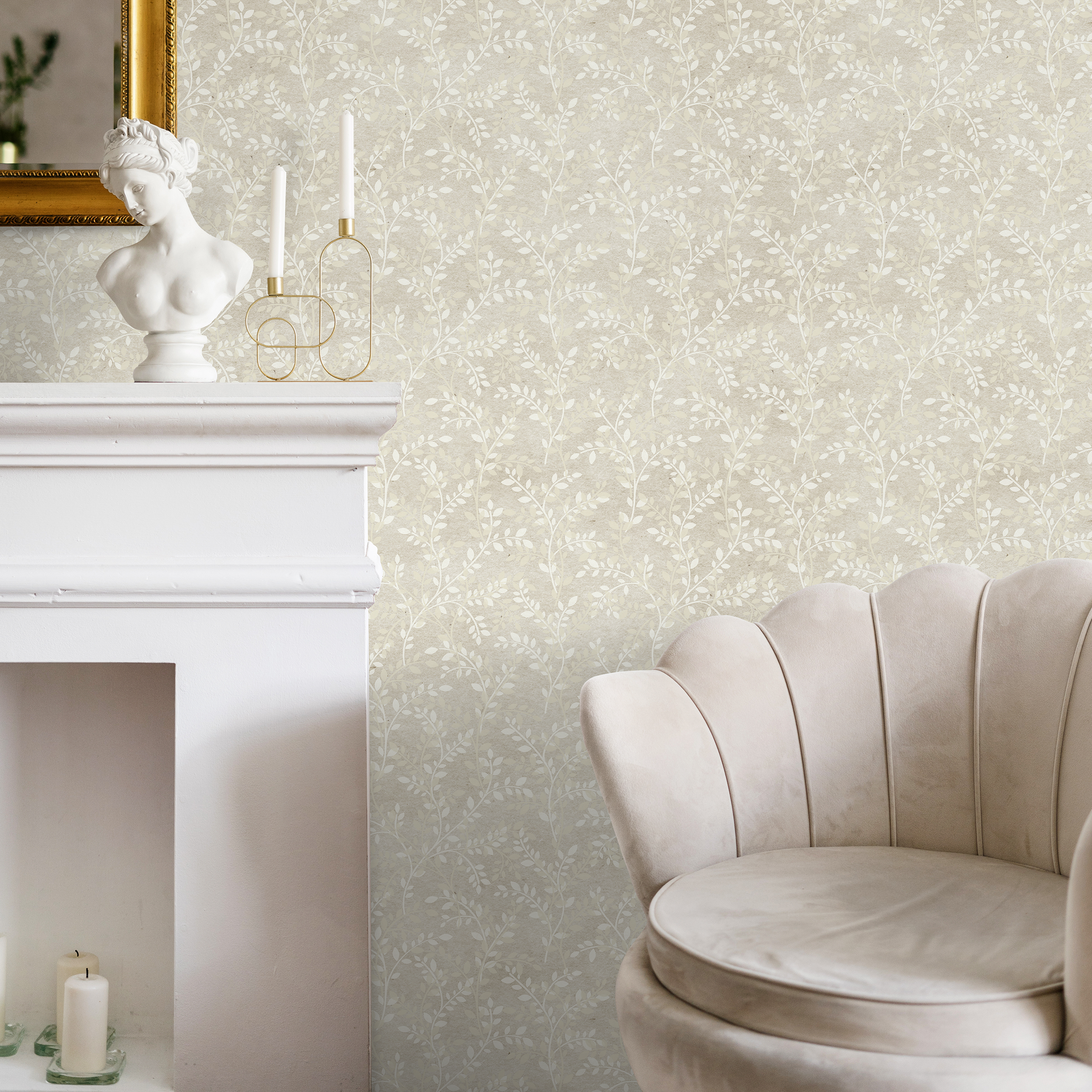
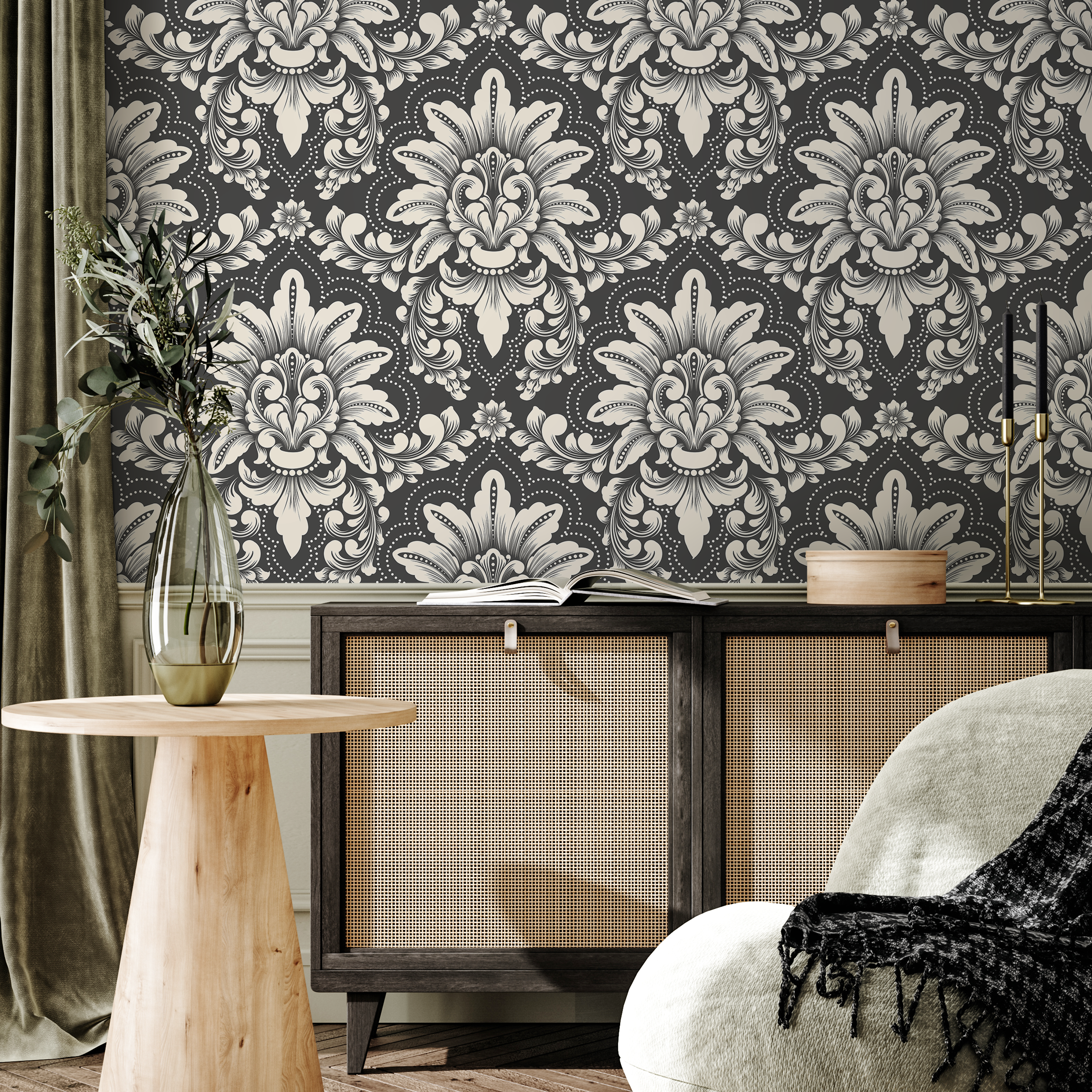


Peel And Stick Wallpaper Falling Off

Sort by:
121 products
121 products
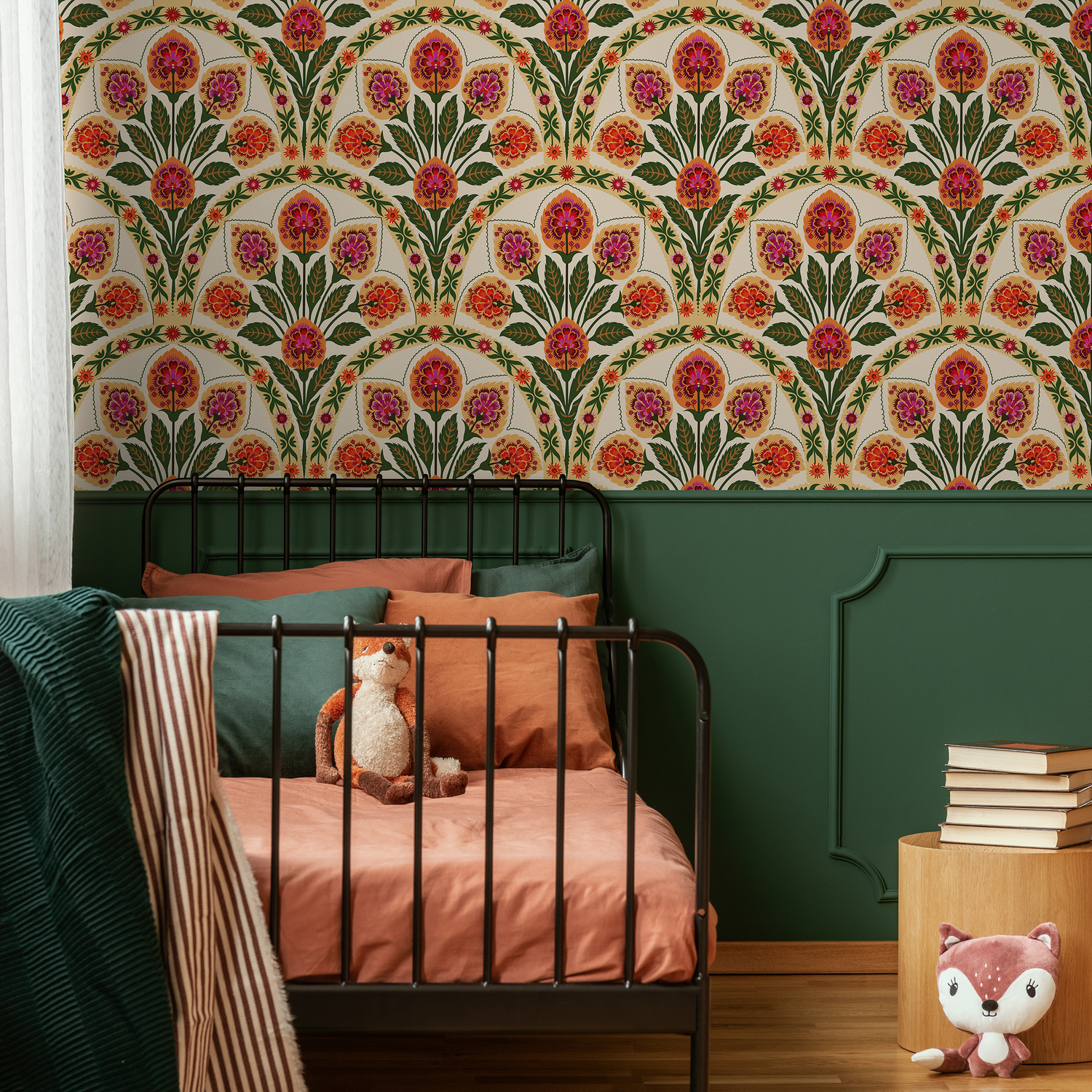
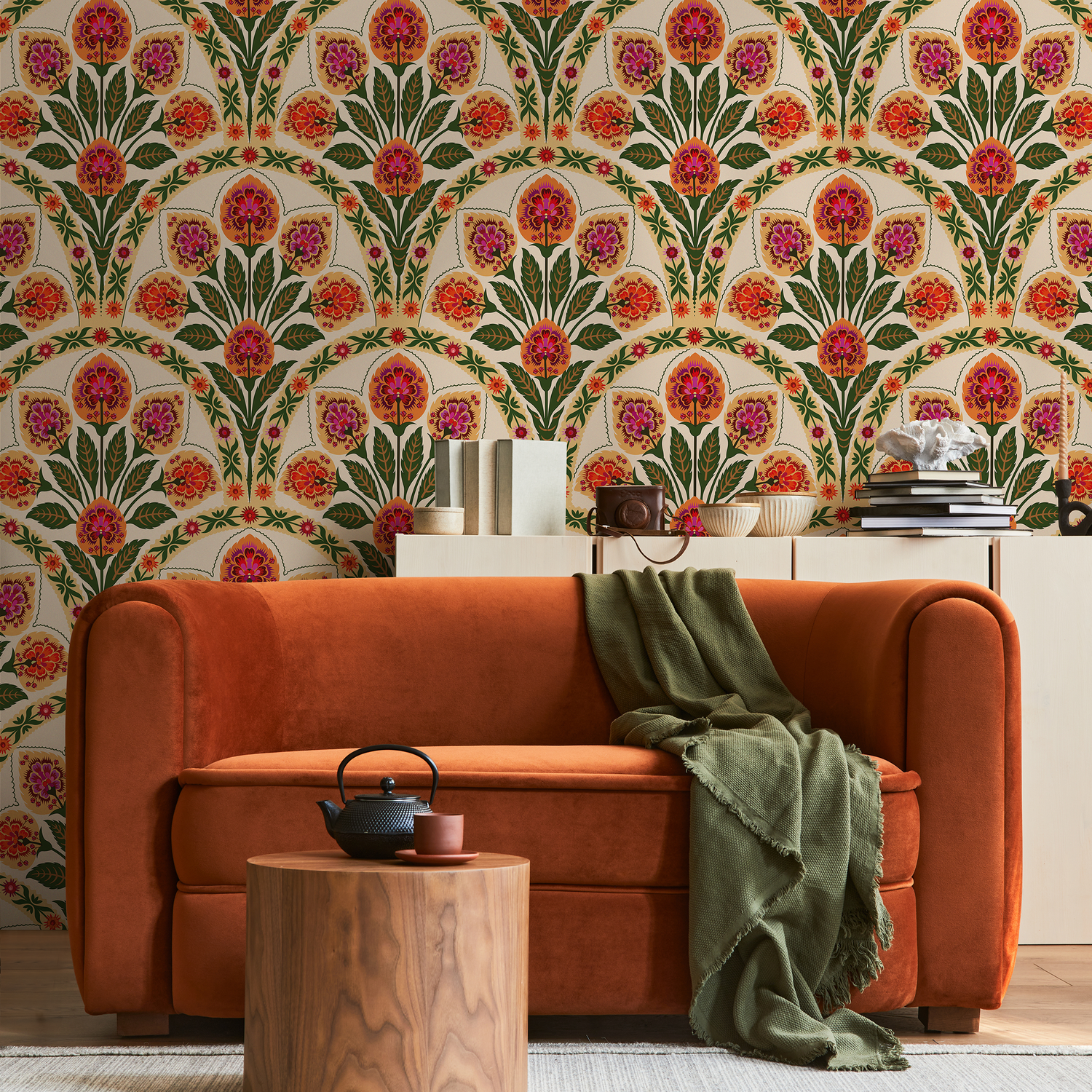
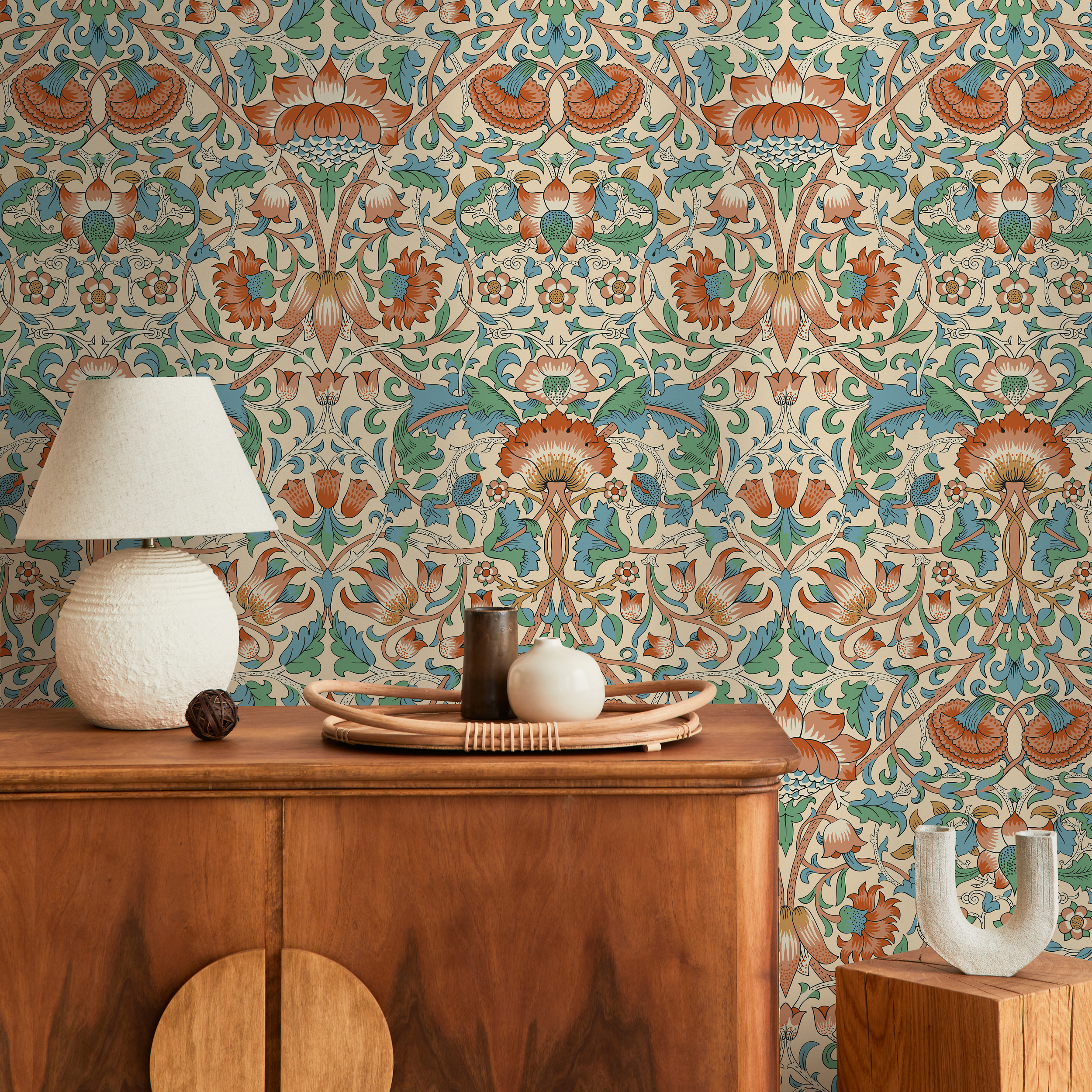
Art Nouveau Wallpaper with Stylized Florals in Green, Orange, and Beige - C452
Art Nouveau Wallpaper with Stylized Florals in Green, Orange, and Beige - C452
Introduce a touch of timeless elegance with our Art Nouveau Wallpaper, featuring stylized florals in rich green, orange, and beige. This peel and stick wallpaper showcases an intricate, arched pattern with a folk-art-inspired motif, creating a captivating visual for any interior. The vibrant colors and flowing lines are perfect for anyone looking to incorporate sophisticated wall art into their home decor. Transform your space effortlessly with this stunning removable wallpaper. Ideal as a living room accent wall or for adding character to a bedroom, our wallpaper provides a high-impact interior design solution. The easy installation of our peel and stick wallpaper means you can achieve a professional look without the hassle, making it a perfect DIY project for a quick room makeover. Crafted in the USA using eco-friendly, non-toxic inks, this wall decor is designed for both beauty and durability. The high-quality material is thicker for simple application, scratch-resistant, and ensures vibrant, consistent color. Enjoy a safe, stylish, and long-lasting enhancement to your home with our premium, removable wallpaper.
• Perfect for a living room wallpaper, bedroom accent wall, or nursery decor.
• Pairs beautifully with vintage furniture, bohemian decor, and eclectic designs.
• Complements walls painted in forest green, warm terracotta, or soft cream.
• Available in custom wallpaper sizes to guarantee a perfect fit for any room.
• Our premium peel and stick is a durable, removable wallpaper for easy updates.
• Features damage-free removal, making it the ideal rental property friendly decor.
• Ask about personalized wallpaper options for custom colors or scale adjustments.
• Made in the USA with eco-friendly, non-toxic, and sustainable home decor.
Peel And Stick Wallpaper Falling Off — Expert Guide and Design Inspiration
When peel and stick wallpaper falls off the wall, it's telling you something — and the message is almost never 'this product doesn't work.' It's almost always 'the surface wasn't ready' or 'the environment is working against the adhesive.' Understanding these signals transforms frustration into a quick fix. Peel and stick wallpaper falling off from ONDECOR brings this vision to life with premium, made-in-USA materials that install easily and remove cleanly.
Want to see it in your space first? ONDECOR offers free samples with just $2 flat-rate shipping — hold the actual texture, color, and scale against your walls before committing to a full order.
How Peel And Stick Wallpaper Falling Off Compares to Similar Options
Falling off differs from related issues in severity and cause. Persistent falling off suggests a fundamental surface incompatibility. Wallpaper that keeps falling off after reapplication points to an environmental factor like humidity. Wallpaper coming off gradually is less severe — usually just edges or seams. Falling down is gravity-driven, while peeling off starts at edges and curls outward.
Room-by-Room Styling Guide
Bathroom: Bathroom wallpaper falling off is usually humidity-related. Steam from showers saturates the air and softens adhesive. Solutions: always run the exhaust fan, avoid placement directly above the shower, and consider ONDECOR's traditional paste format for high-moisture areas.
Kitchen: Kitchen wallpaper may fall off near heat sources. Cooking-generated steam and grease films also weaken bonds. Keep wallpaper at least 12 inches from stovetops and clean walls thoroughly before application.
Bedroom: Bedroom wallpaper falling off is rare — the environment is usually ideal. Check for recently painted walls (wait 4+ weeks) or dusty surfaces. A thorough cleaning solves most bedroom adhesion issues.
Living Room: Large living room wallpaper panels can fall off if air pockets create weak zones. Use a smoothing tool methodically during application to ensure 100% contact between adhesive and wall.
Styling and Décor Pairings
Diagnostic Approach: Before reapplying, diagnose the cause. Feel the adhesive — is it dusty? Look at the wall — is it textured or flaking? Check the environment — is it humid or cold? The fix depends on the diagnosis.
Surface Preparation Mastery: Clean with water only (no soap residue). Let dry 30+ minutes. Check for flaking paint. Apply at 65-75°F. Use a quality accent wallpaper product rather than bargain alternatives.
Format Switching: If peel and stick keeps falling off despite perfect prep, switch to ONDECOR's traditional paste format. Some wall surfaces — certain textures, flat/matte paints, old plaster — simply work better with paste adhesive.
Design Heritage and Context
The adhesive chemistry behind peel and stick wallpaper is a fascinating balance. The adhesive must be strong enough to support weight against gravity on a vertical surface, flexible enough to allow repositioning and clean removal, yet not so aggressive that it damages surfaces. This balance is achieved through carefully formulated pressure-sensitive adhesives — typically acrylic-based polymers that form bonds through surface contact pressure rather than chemical reaction. When wallpaper falls off, it means the bond formation was incomplete. Common culprits: dust particles creating microscopic gaps in the adhesive interface, surface texture reducing contact area below the threshold needed for adequate bond strength, moisture film preventing direct adhesive-to-surface contact, or temperature extremes changing the adhesive's viscosity. ONDECOR's premium formulation is engineered for optimal performance across the widest range of typical home conditions.
Systematic Troubleshooting Process
When wallpaper falls off, resist the temptation to simply reapply it to the same surface. Instead, follow a systematic troubleshooting process. First, examine the adhesive side of the fallen panel. Is it covered in dust or debris? That means the wall was dirty. Is the adhesive intact and clean? That means the wall surface is the problem — too smooth, too textured, or has a coating that repels adhesive. Is the adhesive partially transferred to the wall? That suggests the wallpaper substrate delaminated, indicating a product quality issue.
Second, examine the wall surface where the panel fell from. Feel it with your palm — is it powdery (uncured or chalky paint), slick (glossy finish or silicone residue), bumpy (texture that reduces contact area), or damp (moisture infiltration)? Each diagnosis has a specific fix: powdery walls need priming, slick walls need scuffing or cleaning with isopropyl alcohol, bumpy walls need skim-coating or switching to paste format, and damp walls need the moisture source addressed before any wall treatment.
Preventing Recurrence with Quality Products
Persistent falling-off issues often resolve simply by switching to a higher-quality wallpaper product. Budget wallpapers marketed as peel and stick may use thin adhesive layers that provide adequate initial tack but lack the bonding strength for long-term vertical adhesion. ONDECOR's wallpaper uses premium acrylic-based pressure-sensitive adhesive applied at optimal thickness for reliable performance. The PVC-free substrate is engineered for consistent weight and flexibility, and the tiled panel format keeps individual panels lightweight. Combined with proper surface preparation, this addresses the falling-off problem at its root rather than applying band-aid solutions to a fundamental quality gap. Free samples let you test adhesion on your specific walls before committing to a full order — the $2 sample investment can save significant frustration.
Why ONDECOR Is Different
Every ONDECOR wallpaper is printed on demand in the USA using PVC-free, eco-friendly materials. Unlike traditional rolls, ONDECOR uses a tiled panel system with straight-match alignment — less waste, easier installation, and bolder designs. You get free customization on any design (adjust colors, scale, or elements at no charge with unlimited revisions), free shipping on all US orders, and free exchanges if you change your mind. Panels are cut to your exact wall dimensions, and samples ship for just $2.
Installation and Practical Details
ONDECOR wallpaper is available in both peel and stick (renter-friendly, removes cleanly) and traditional paste formats. ONDECOR offers both formats for flexibility. Peel and stick for clean removability on smooth surfaces, traditional paste for problem walls or permanent installations. All panels are custom-cut, shipped in 1-4 days with free US shipping, and backed by free exchanges if you're not satisfied. Ships within 1-4 business days, with rush production available if you need it faster.
Related Collections
- My Wallpaper Is Falling Off
- Wallpaper Keeps Falling Off
- Wallpaper Coming Off
- Wallpaper Falling Down
- Wallpaper Peeling Off
- Taking Off Wallpaper
Why does my peel and stick wallpaper keep falling off?
Most common causes: dirty walls, textured surfaces, humidity, uncured paint (under 4 weeks), or low-quality product. Thorough surface prep and quality wallpaper solve most cases.
Can I fix wallpaper that's fallen off?
Yes. Clean both surfaces, let dry, and reapply with firm pressure. Address the root cause first — cleaning the wall, reducing humidity, or switching formats if the surface is problematic.
Does temperature affect wallpaper adhesion?
Yes. Cold temperatures (below 50°F) make adhesive rigid and less effective. Hot temperatures can soften it. Room temperature (65-75°F) is ideal for application and long-term adhesion.
Should I use additional adhesive?
Quality wallpaper shouldn't need it. If ONDECOR wallpaper is falling off, the surface needs attention rather than more adhesive. Double-sided tape at the top edge can help as temporary insurance.
Is traditional paste better for problem walls?
For heavily textured, humid, or challenging surfaces, yes. Traditional paste creates a stronger, permanent bond. ONDECOR offers both formats for exactly this reason.
How do I prepare walls properly?
Wipe with a damp cloth (water only), dry completely, check for flaking paint, ensure paint is 4+ weeks cured, and apply at room temperature. These steps prevent the vast majority of adhesion failures.


