



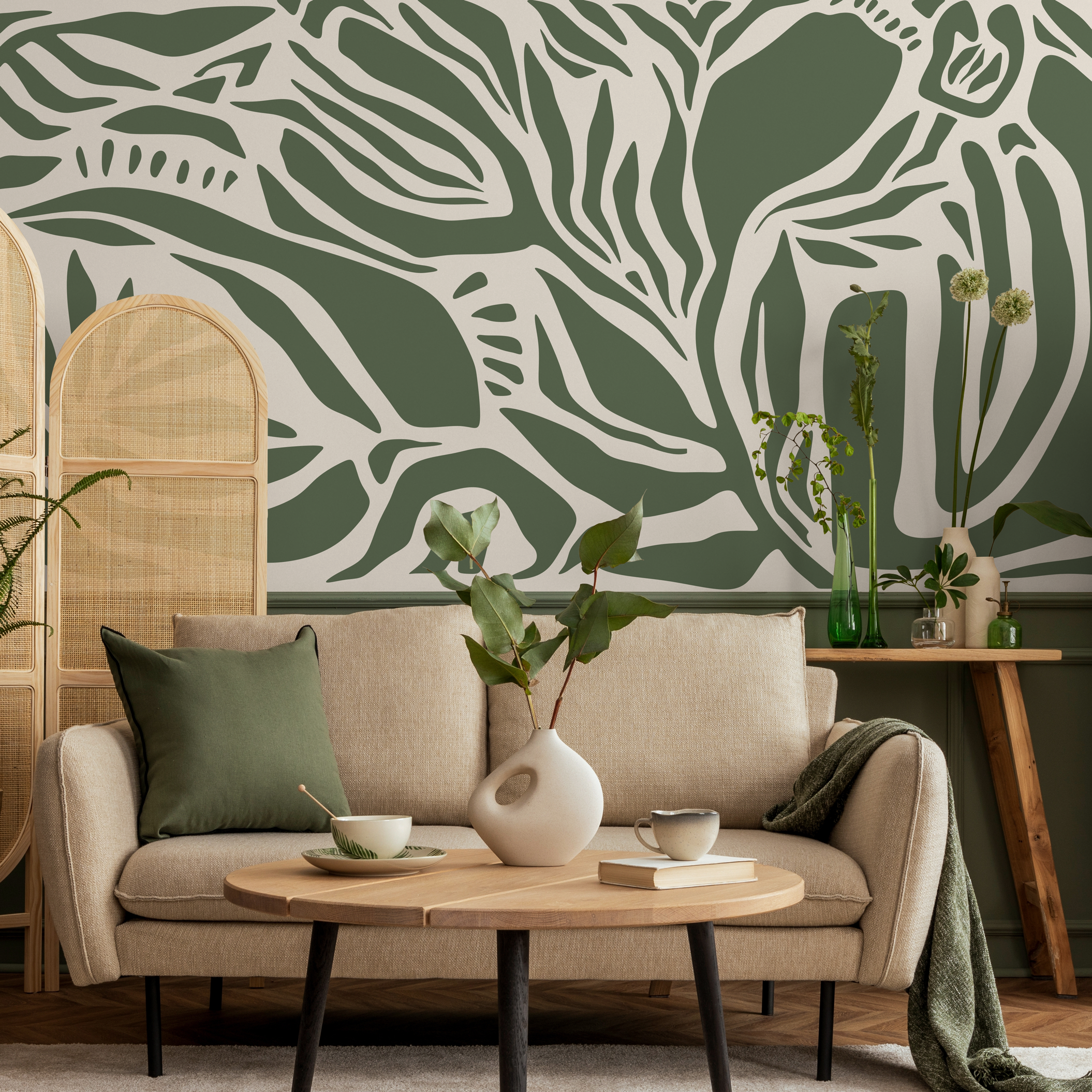
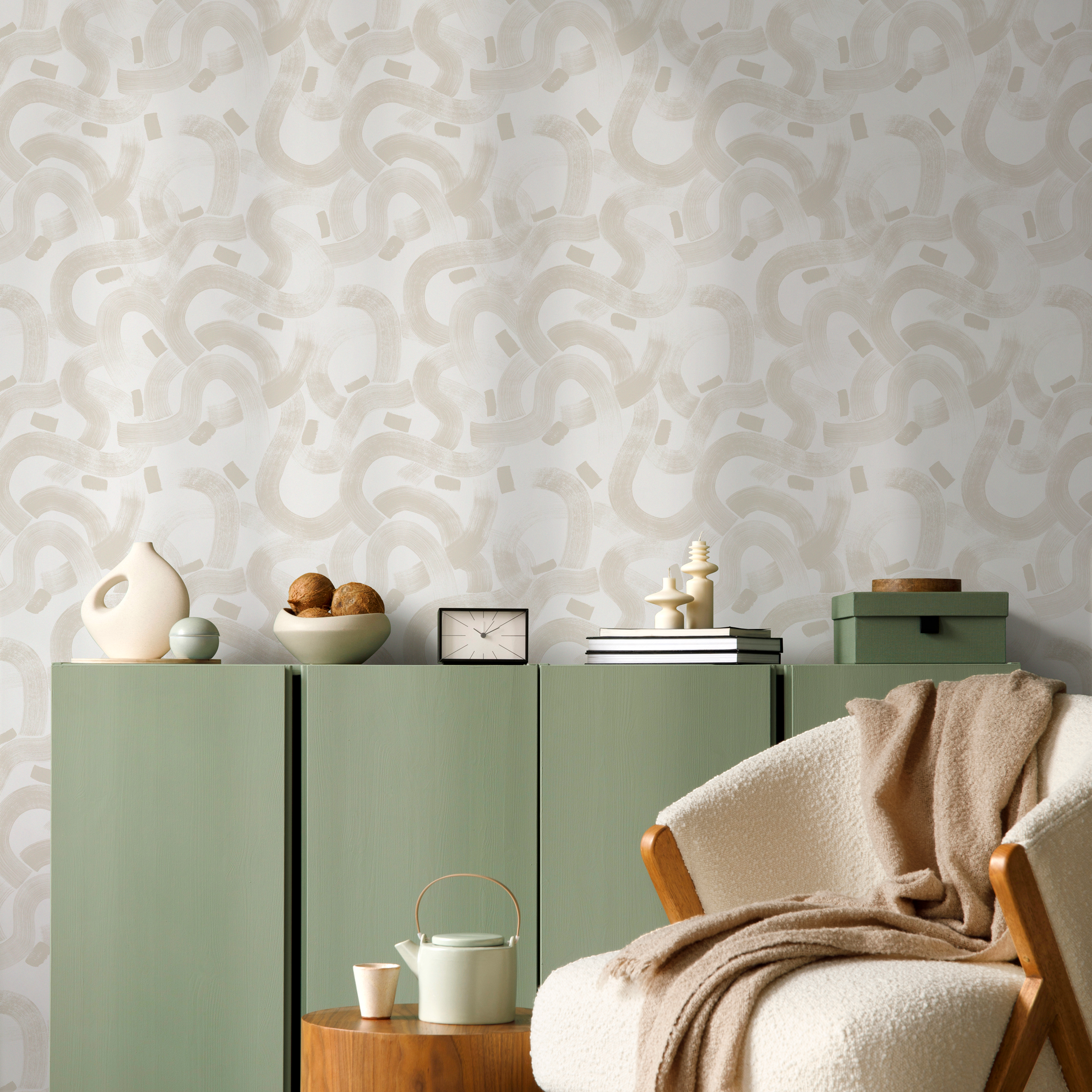
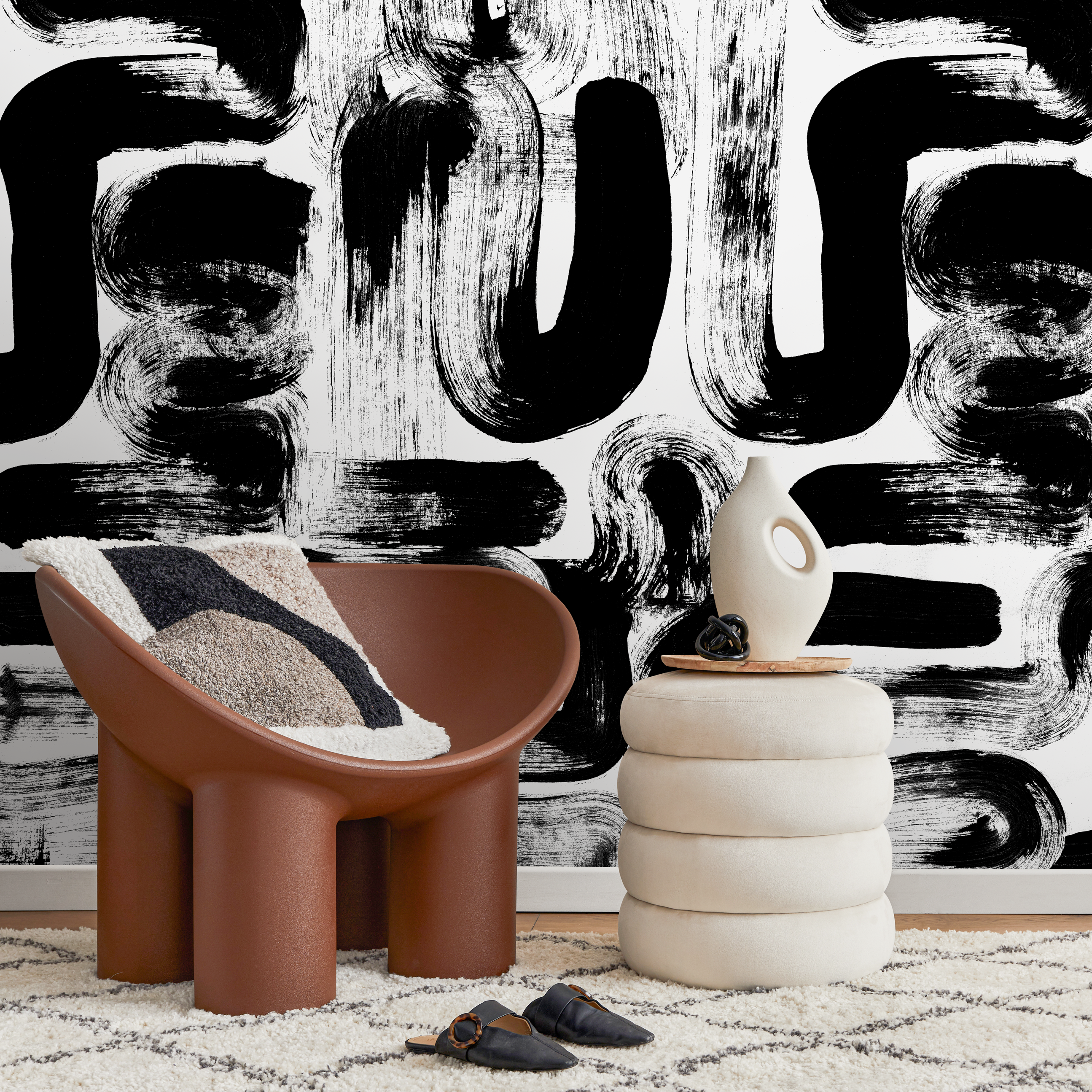
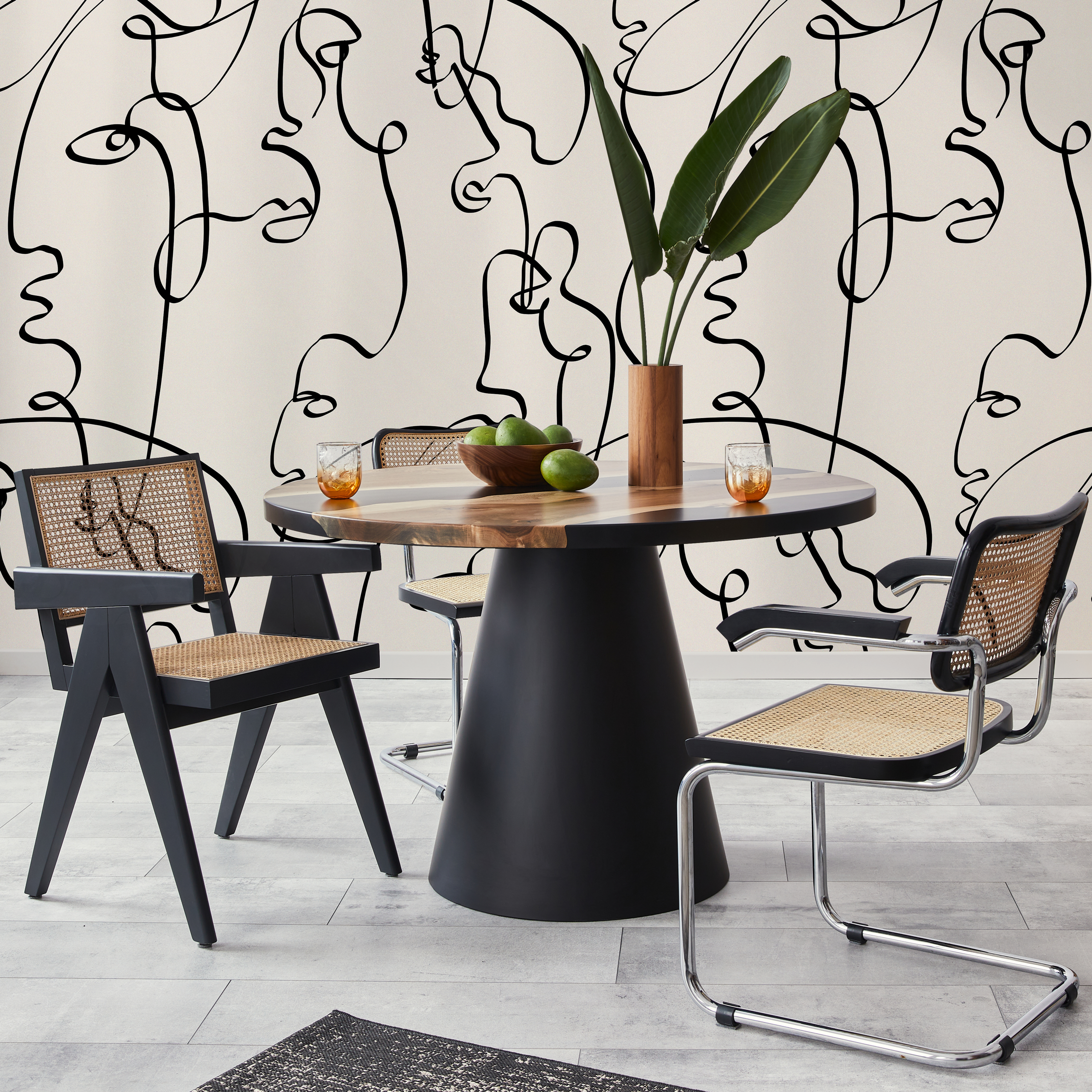





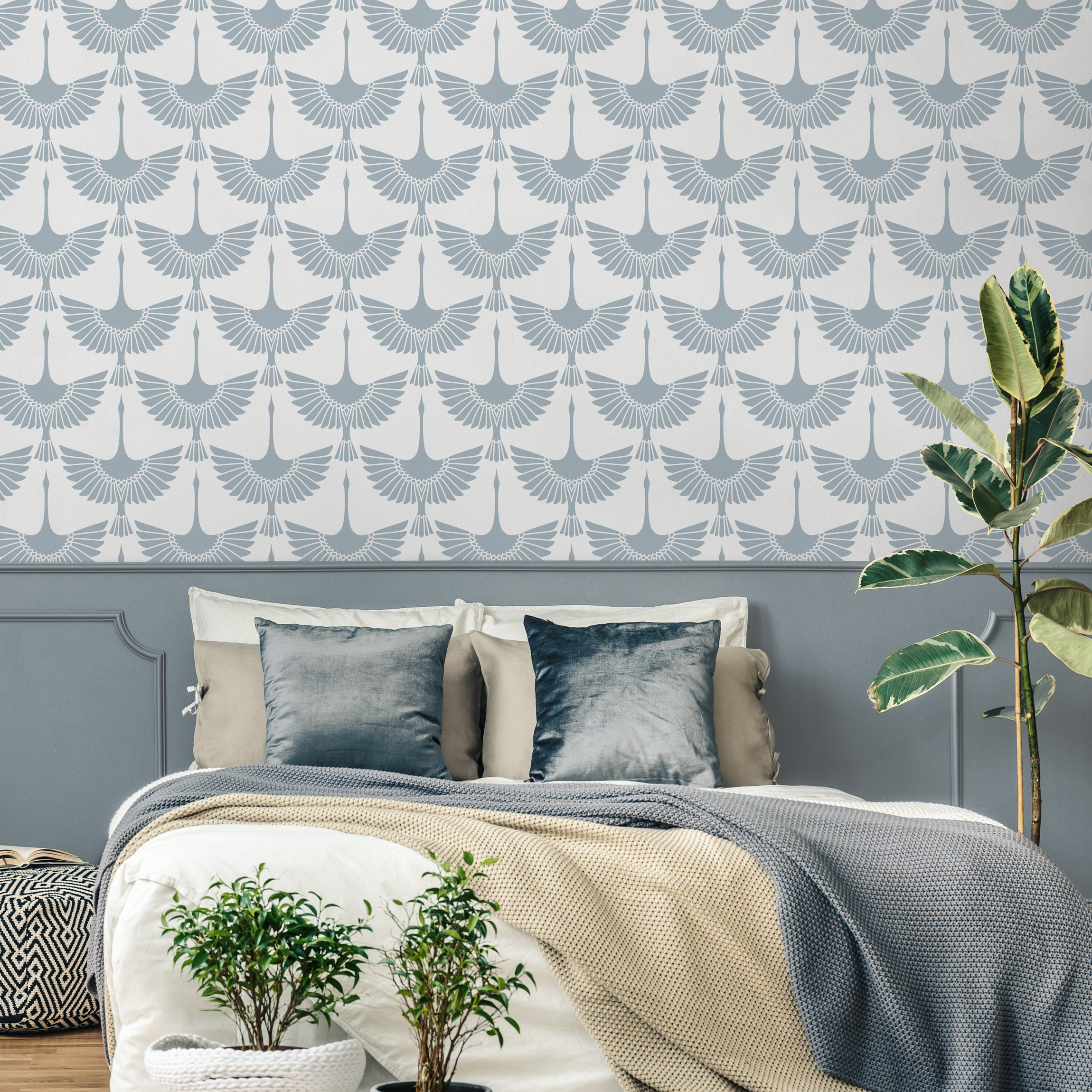


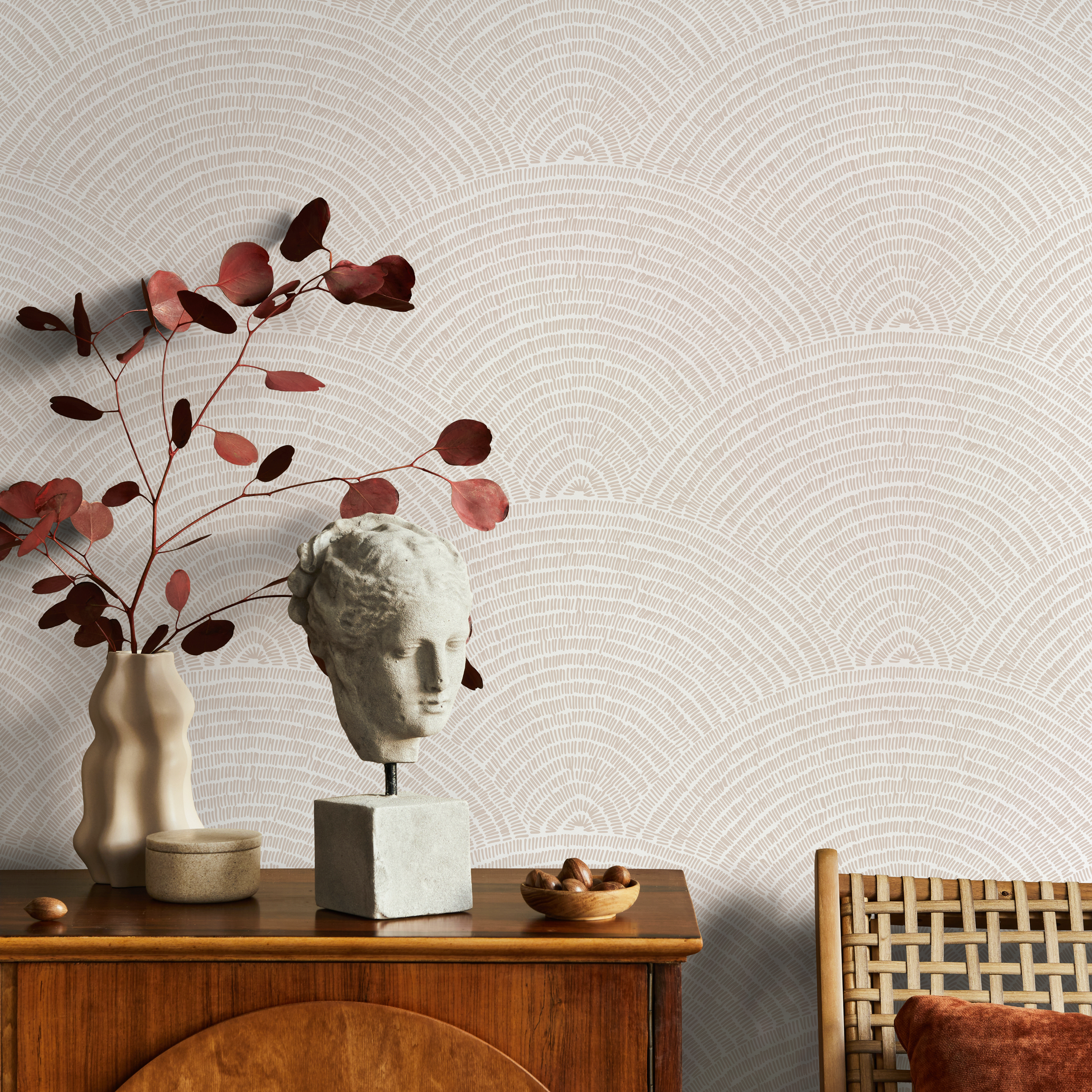
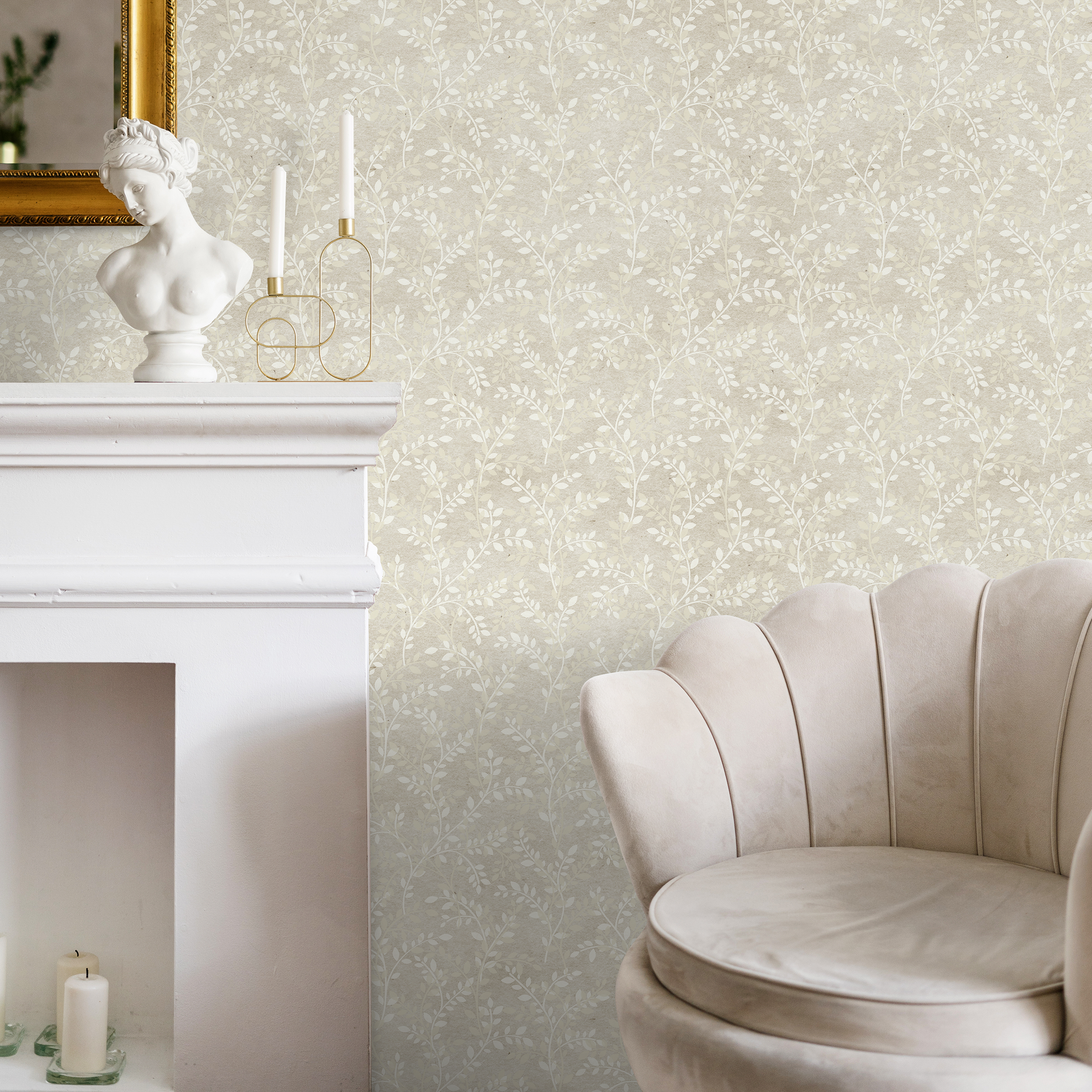
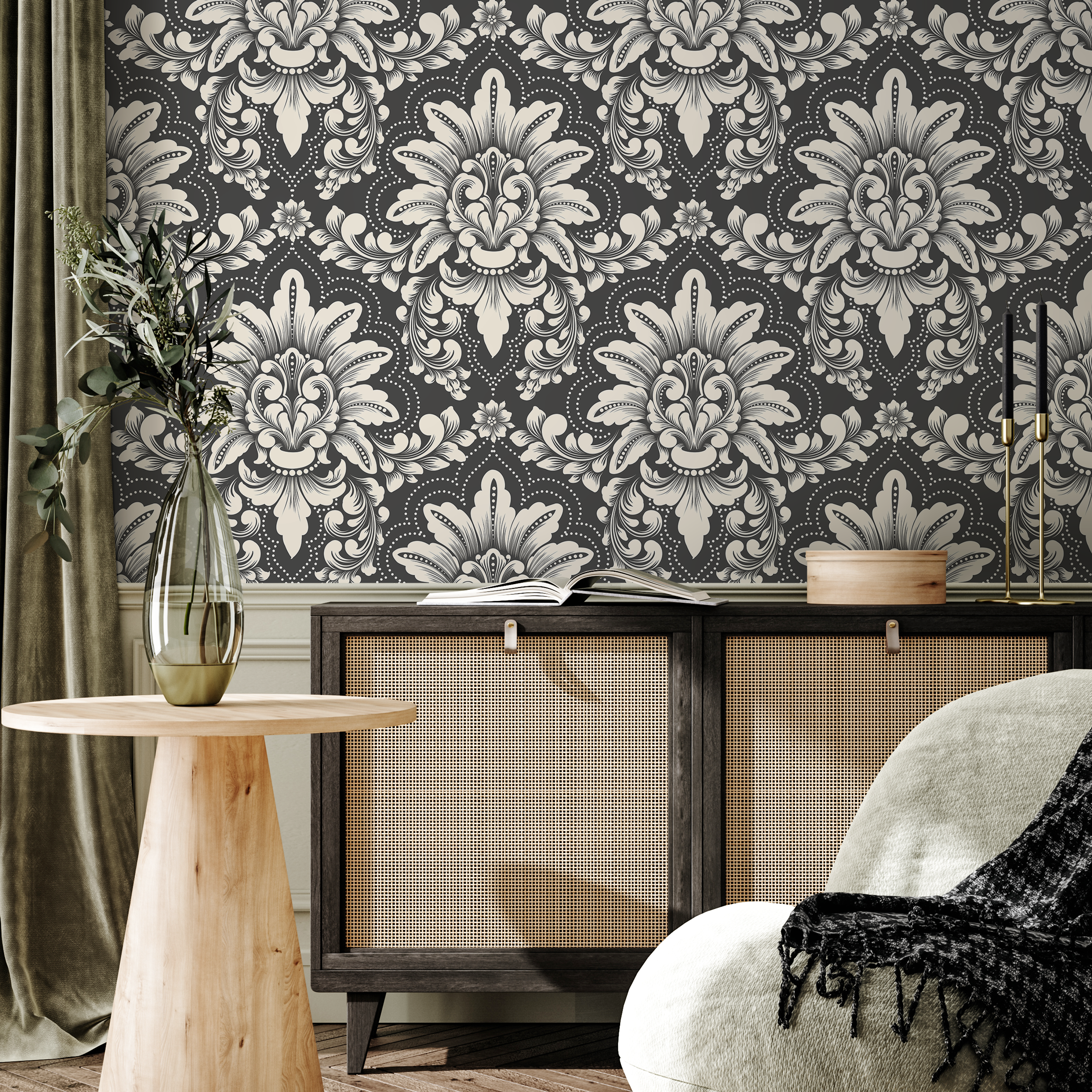

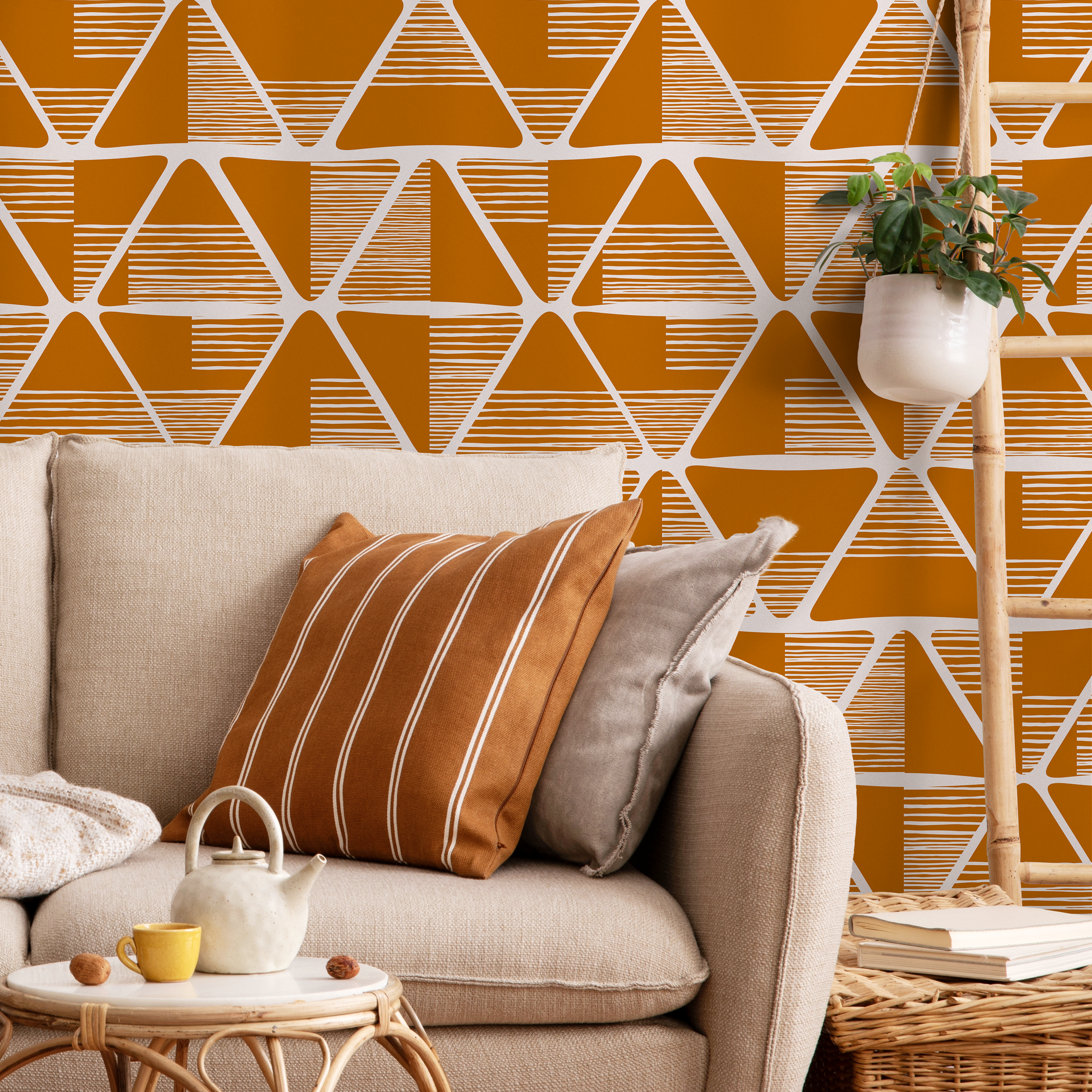
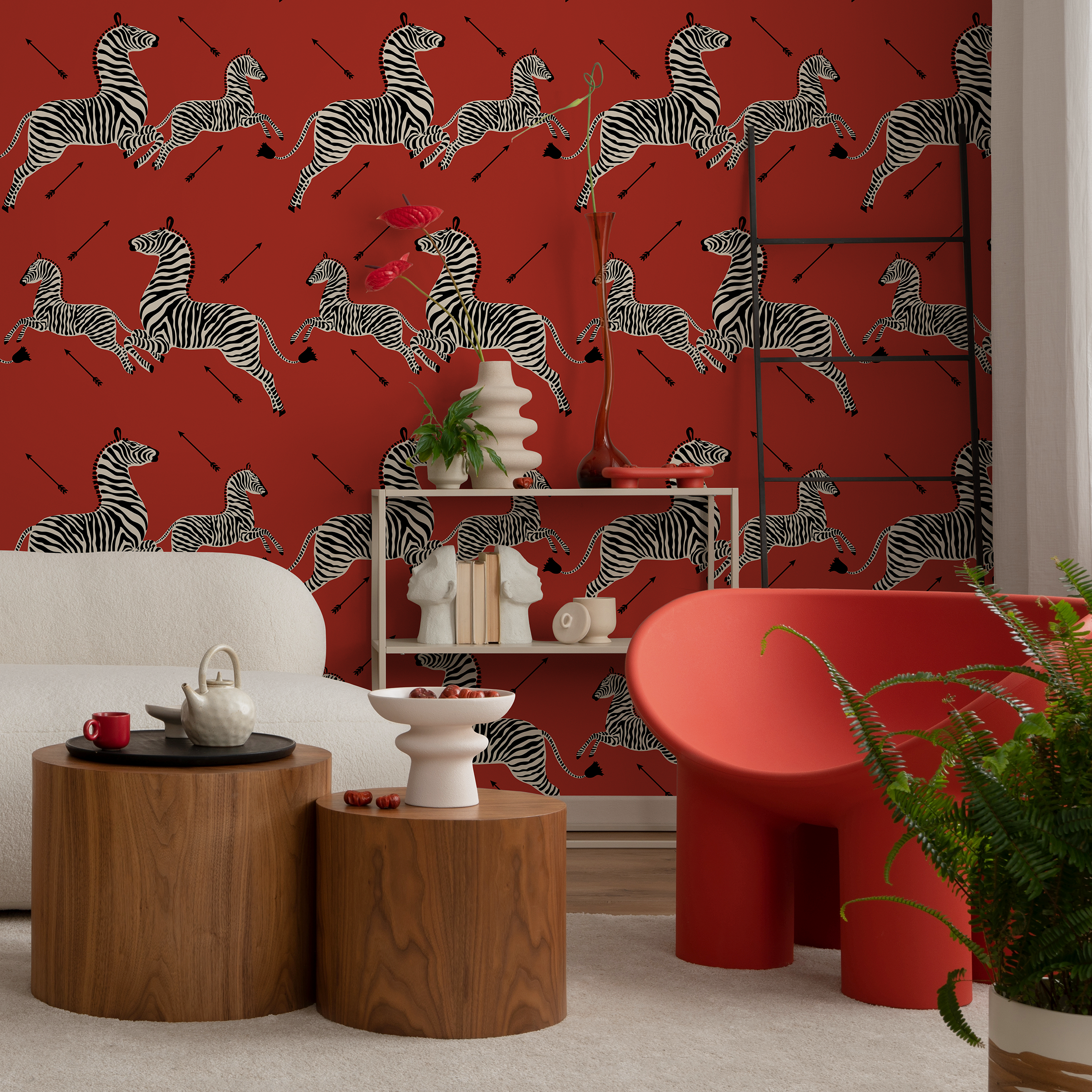

Hanging Peel And Stick Wallpaper On Textured Walls

327 products
Sort by:
327 products
327 products


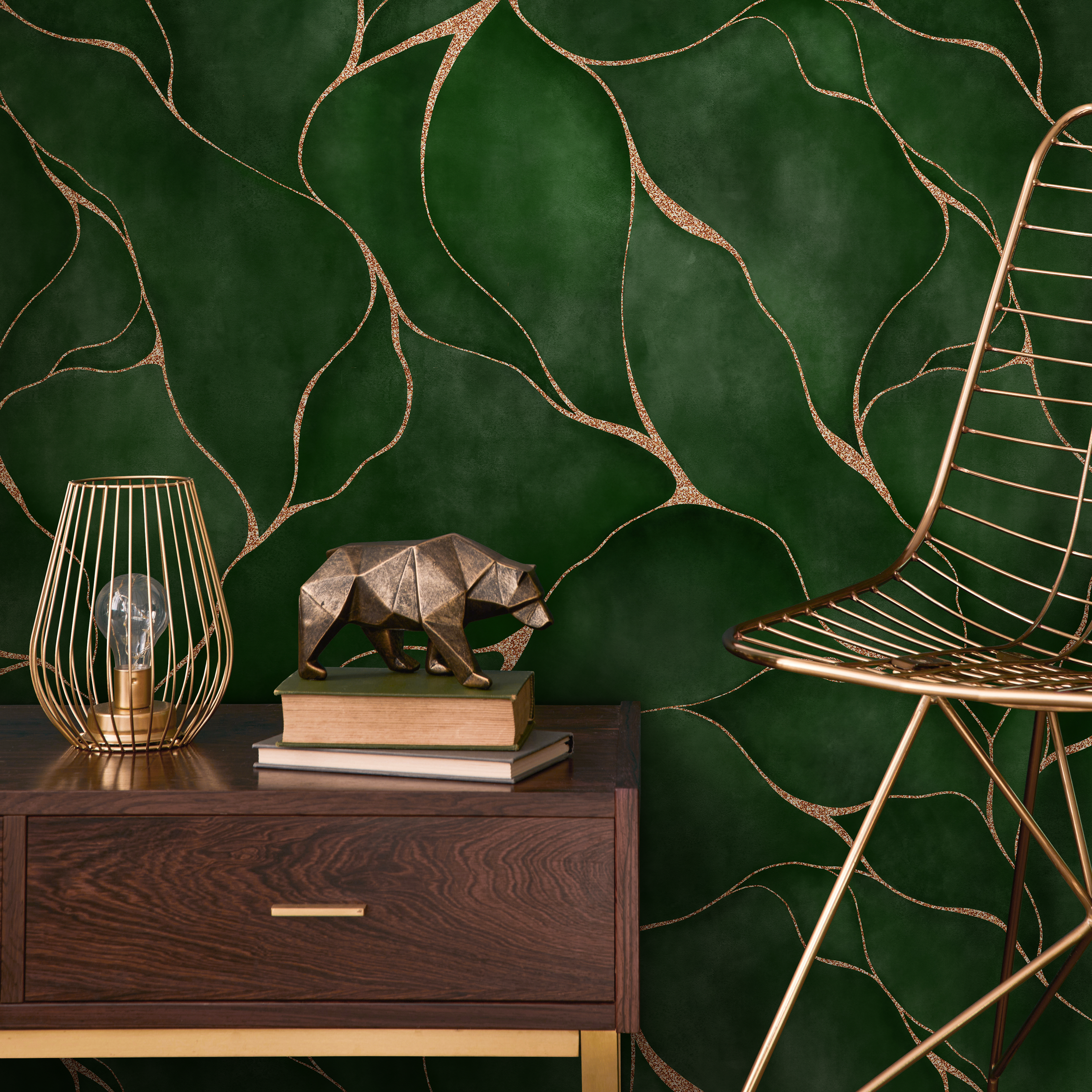
Marble Wallpaper with a Malachite Agate Motif in Dark Green and Black - ZAEO
Introduce a bold and luxurious statement with our Marble Wallpaper, showcasing a dramatic Malachite Agate motif. This abstract design features intricate, flowing lines in deep, moody shades of dark green and black, mimicking the natural elegance of polished stone. Perfect for creating a sophisticated atmosphere, this wallpaper serves as a stunning piece of wall art that instantly elevates your interior design.
Our high-quality peel and stick wallpaper makes room transformation effortless. Ideal for creating a captivating accent wall in your living room, bedroom, or office, this removable wallpaper is a versatile home decor solution. The dark green marble design provides a rich, textured look without the cost or permanence of real stone. It's the perfect way to infuse your space with modern elegance and a touch of nature-inspired beauty.
Designed for convenience and style, this wallpaper is simple to apply and just as easy to remove, making it a fantastic choice for renters and homeowners alike. The durable material ensures a long-lasting, beautiful finish. Upgrade your home decor with our dark green and black Malachite Agate wallpaper and create a space that is uniquely yours.
Key Features:
- Perfect for a living room accent wall, bedroom wall decor, or moody office space.
- Pairs beautifully with modern furniture, art deco accents, and minimalist design.
- Complements walls painted in charcoal gray, deep black, or warm white tones.
- Available in custom wallpaper sizes to ensure a perfect fit for any room size.
- Choose from premium peel and stick or traditional wallpaper options for your project.
- Features damage-free removal, making it a perfect rental property friendly choice.
- We offer custom color options to create your own personalized wallpaper masterpiece.
- Proudly Made in the USA with eco-friendly, non-toxic, sustainable materials.


● 𝐏𝐑𝐈𝐍𝐓𝐈𝐍𝐆 𝐓𝐄𝐂𝐇𝐍𝐎𝐋𝐎𝐆𝐘 ●
Why is printing technology important? Previous technologies used Solvent and Eco-Solvent, which contained high VOC chemicals that degraded wallpaper panels over very short periods. As printing technology improved, HP Latex eliminated harsh chemicals and reduced material shrinkage. However, a serious challenge remained: color consistency. Today, our wallpaper production uses Canon Océ Colorado, which is water-based and does not contain chemicals. Most importantly, this printing technology delivers higher color quality, color consistency over time, and scratch resistance.
● 𝐅𝐄𝐀𝐓𝐔𝐑𝐄𝐒 ●
• Made in the USA - from raw materials to packing
• We run 100% run on Green Energy
• We offset 100% of carbon emissions from shipping and packing on every delivery
• Thicker wallpaper - which makes it easier to install
• Durability - Peel and Stick wallpapers last over ten years, and Traditional wallpapers a lifetime
• No VOC ink - safe for your health
• High-Quality print - sharp images and blurry prints are a no-no
• Color consistency between your order and reprints
• Highest Scratch resistance
• Free Shipping on Orders and Samples to the US
• Free International Shipping to Canada/Mexico on orders over $150 USD+
• Free International Shipping on orders over $250 USD+
Our wallpapers do NOT contain the following:
• Solvent Ink (known for off-gassing VOCs and shrinkage over time, creating gaps between panels)
• Latex Ink (very low color consistency between panels, an essential factor on wallpapers)
● 𝐓𝐄𝐂𝐇𝐍𝐈𝐂𝐀𝐋 𝐈𝐍𝐅𝐎𝐑𝐌𝐀𝐓𝐈𝐎𝐍 ●
Design type: pattern
Design repeat: 24"
This design repeats every: 1 roll
Match type: Straight
Seams: Butt Joint - Overlap upon request in the Personalization Box or message us after ordering.


● 𝐏𝐑𝐈𝐍𝐓𝐈𝐍𝐆 𝐓𝐄𝐂𝐇𝐍𝐎𝐋𝐎𝐆𝐘 ●
Why is printing technology important? Previous technologies used Solvent and Eco-Solvent, which contained high VOC chemicals that degraded wallpaper panels over very short periods. As printing technology improved, HP Latex eliminated harsh chemicals and reduced material shrinkage. However, a serious challenge remained: color consistency. Today, our wallpaper production uses Canon Océ Colorado, which is water-based and does not contain chemicals. Most importantly, this printing technology delivers higher color quality, color consistency over time, and scratch resistance.
● 𝐅𝐄𝐀𝐓𝐔𝐑𝐄𝐒 ●
• Made in the USA - from raw materials to packing
• We run 100% run on Green Energy
• We offset 100% of carbon emissions from shipping and packing on every delivery
• Thicker wallpaper - which makes it easier to install
• Durability - Peel and Stick wallpapers last over ten years, and Traditional wallpapers a lifetime
• No VOC ink - safe for your health
• High-Quality print - sharp images and blurry prints are a no-no
• Color consistency between your order and reprints
• Highest Scratch resistance
• Free Shipping on Orders and Samples to the US
• Free International Shipping to Canada/Mexico on orders over $150 USD+
• Free International Shipping on orders over $250 USD+
Our wallpapers do NOT contain the following:
• Solvent Ink (known for off-gassing VOCs and shrinkage over time, creating gaps between panels)
• Latex Ink (very low color consistency between panels, an essential factor on wallpapers)
● 𝐓𝐄𝐂𝐇𝐍𝐈𝐂𝐀𝐋 𝐈𝐍𝐅𝐎𝐑𝐌𝐀𝐓𝐈𝐎𝐍 ●
Design type: pattern
Design repeat: 24"
This design repeats every: 1 roll
Match type: Straight
Seams: Butt Joint - Overlap upon request in the Personalization Box or message us after ordering.


Esoteric Wallpaper with Vintage Mystical Grimoire Illustrations in Green and Beige - E578
Immerse your space in mystery with this Esoteric Wallpaper, featuring intricate mystical grimoire illustrations. Presented in a rich green and beige palette, this design captures the essence of a vintage alchemical manuscript, complete with botanical sketches, occult symbols, and cryptic script. The chalkboard-like texture adds a layer of authentic, scholarly charm, making it a captivating choice for creating a unique and thought-provoking atmosphere.
Transform your home office, library, or living room with this stunning wall art. Our high-quality peel and stick wallpaper makes installation effortless, allowing you to create a dramatic accent wall or cover an entire room without professional help. The removable design is perfect for renters or anyone who loves to update their interior design frequently. This wallpaper is not just home decor; it's a conversation piece that brings a touch of dark academia and gothic elegance to any setting.
Crafted for durability and style, this wallpaper offers an easy way to express your unique taste. The detailed alchemical and botanical motifs provide endless visual interest, turning any wall into a masterpiece of mystical art. Easy to apply and remove, our wallpaper ensures you can achieve a sophisticated and personalized look with minimal effort, making it the perfect solution for your next home decor project.
Key Features:
- Perfect for a library, office accent wall, or gothic bedroom wall decor.
- Pairs with dark wood furniture, vintage decor, and eclectic curiosities.
- Complements charcoal gray, deep plum, or antique gold paint colors.
- Available in custom wallpaper sizes to ensure a perfect fit for any wall.
- Choose from premium peel and stick or traditional wallpaper options.
- Features damage-free removal, making it ideal for rental property decor.
- We offer personalized wallpaper with custom color and scale options.
- Proudly Made in the USA with non-toxic, eco-friendly materials.


Art Nouveau Wallpaper with a Floral Motif in Dark Teal, Sage Green, and Gold - E504
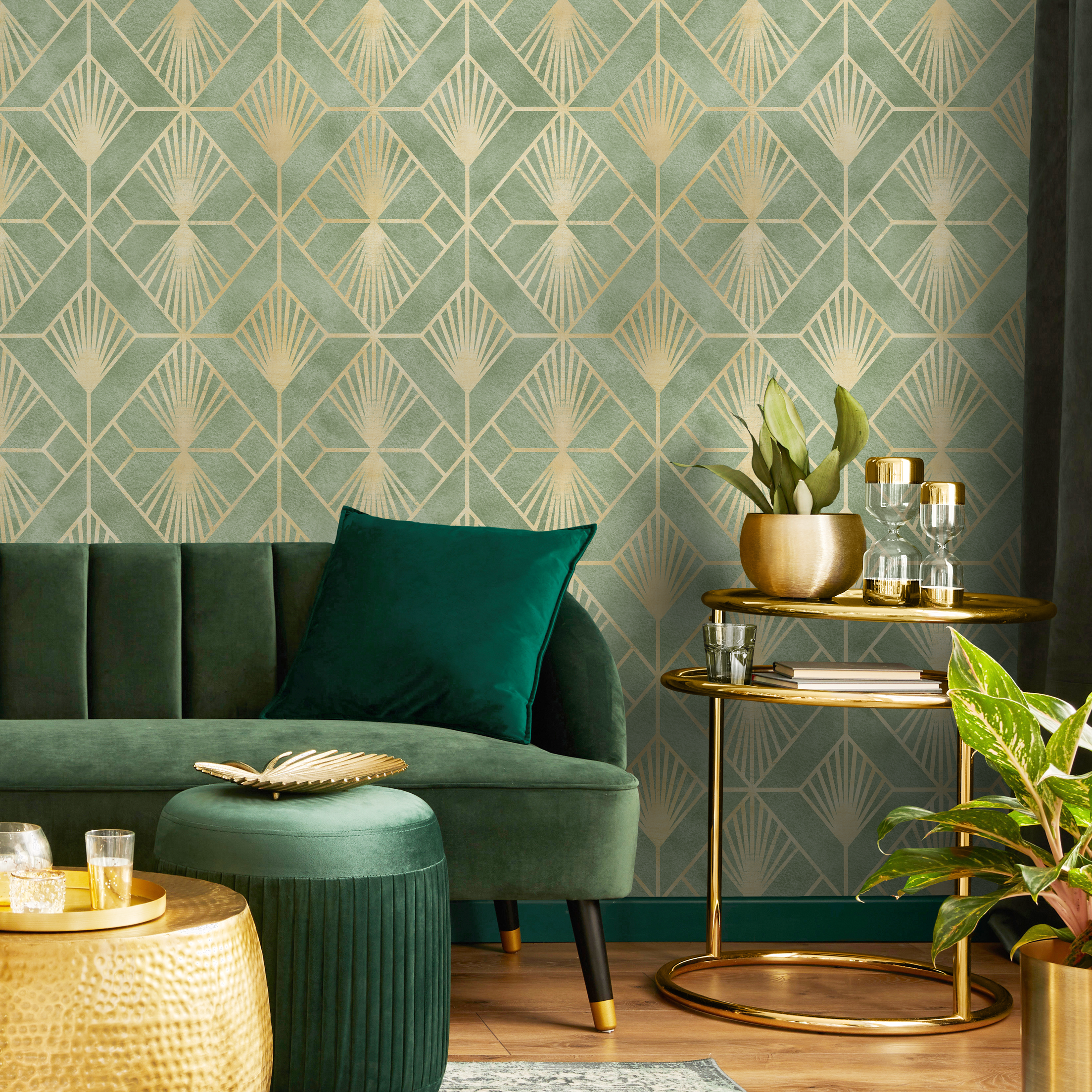
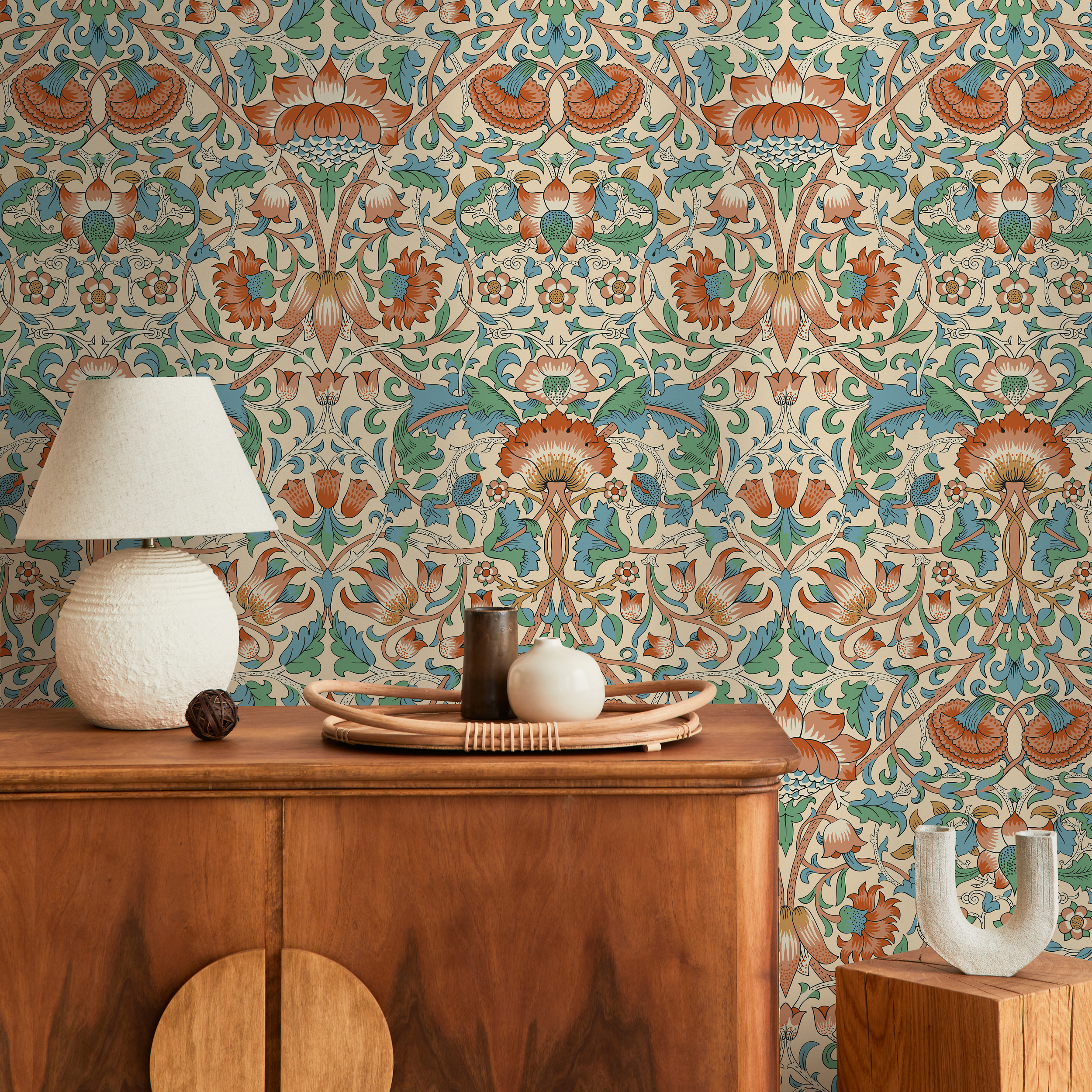
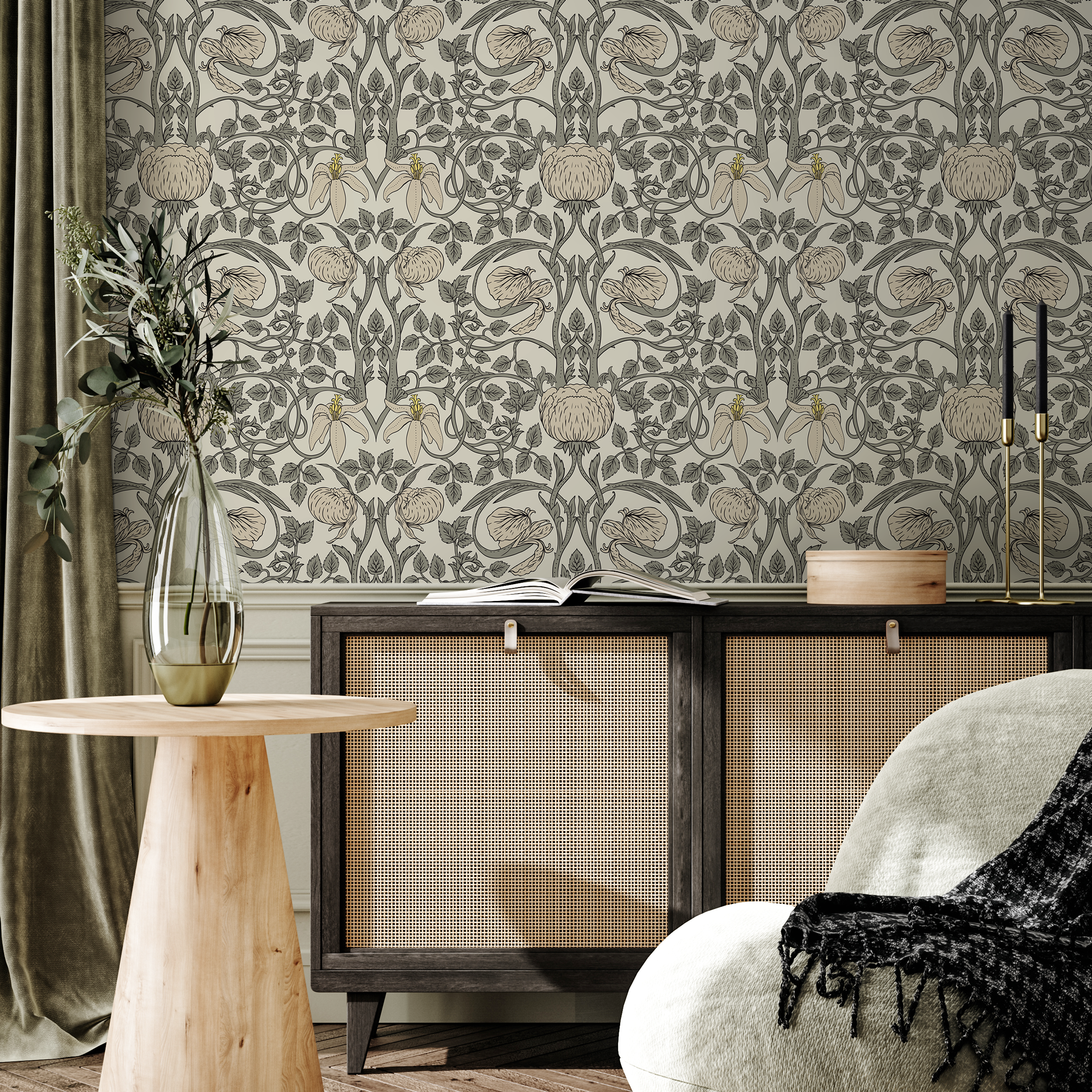
Elevate your interior with this stunning Art Nouveau Wallpaper, featuring an intricate floral damask motif. The sophisticated design showcases a rich palette of dark teal, sage green, and shimmering gold, creating a sense of timeless elegance and depth. This vintage-inspired wall art is perfect for anyone looking to infuse their home decor with a touch of classic luxury and artistic flair.
Our peel and stick wallpaper offers a simple way to achieve a dramatic room transformation. Ideal as an accent wall in a living room or a full-room application in a bedroom, this removable wallpaper makes interior design accessible and stress-free. The detailed floral pattern provides a captivating focal point, enhancing your space with its ornate and graceful lines. This high-quality wall art is designed for easy installation, allowing you to create a professional look without the hassle.
Crafted for longevity and style, this wallpaper is a versatile choice for various home decor projects. Whether you're updating a traditional space or adding a classic touch to a modern home, the rich colors and elegant design provide the perfect backdrop. As a premium, easy-to-install solution, it's the ideal way to express your personal style and create a truly memorable interior.
Key Features:
- Perfect for a living room wallpaper, bedroom wall decor, or a dining room accent wall.
- Pairs beautifully with Art Deco furniture, vintage decor, and dark wood accents.
- Complements charcoal gray paint, deep navy walls, and warm beige tones.
- Available in custom wallpaper sizes for a perfect fit guarantee on any room size.
- Choose from premium peel and stick or traditional wallpaper options for any project.
- Features damage-free removal, making it completely rental property friendly.
- Ask about personalized wallpaper and custom color options for bespoke wall art.
- Proudly Made in the USA with eco-friendly wallpaper and non-toxic materials.


Introduce a touch of rustic charm to your home with our Wood Wallpaper, featuring a realistic vertical plank motif in warm beige and brown tones. This design effortlessly creates the cozy, inviting look of a shiplap or wood panel wall, making it a perfect choice for anyone seeking to enhance their interior design. Ideal for creating a stunning accent wall or transforming an entire room, this wood grain wallpaper adds texture and depth to your space.
Crafted for convenience and style, this removable wallpaper is an excellent solution for both homeowners and renters. The peel and stick option allows for a simple, mess-free application, turning your home decor project into an easy and enjoyable task. Whether you're updating your living room, bedroom, or office, this versatile wall art provides the perfect backdrop for farmhouse, modern, or coastal aesthetics. It's a simple way to achieve a high-end look without the commitment or cost of traditional wood paneling.
Our commitment to quality ensures a durable and beautiful finish that revitalizes your walls. This peel and stick wallpaper is designed for easy removal without damaging your surfaces, offering a flexible and temporary decorating solution. Elevate your home with the timeless appeal of our beige and brown vertical plank wallpaper and enjoy a sophisticated, welcoming atmosphere in any room.
Key Features:
- Perfect for bedroom wall decor, living room wallpaper, or a rustic kitchen accent wall.
- Pairs beautifully with modern farmhouse, rustic decor, and minimalist furniture.
- Complements walls painted in warm gray, soft white, or deep navy blue.
- Available in custom wallpaper sizes to ensure a perfect fit for any room size.
- Choose from premium peel and stick or traditional wallpaper options for lasting quality.
- Our wallpaper ensures damage-free removal, making it rental property friendly.
- We offer custom color options and personalized wallpaper to match your unique vision.
- Proudly Made in USA with eco-friendly wallpaper and non-toxic materials.
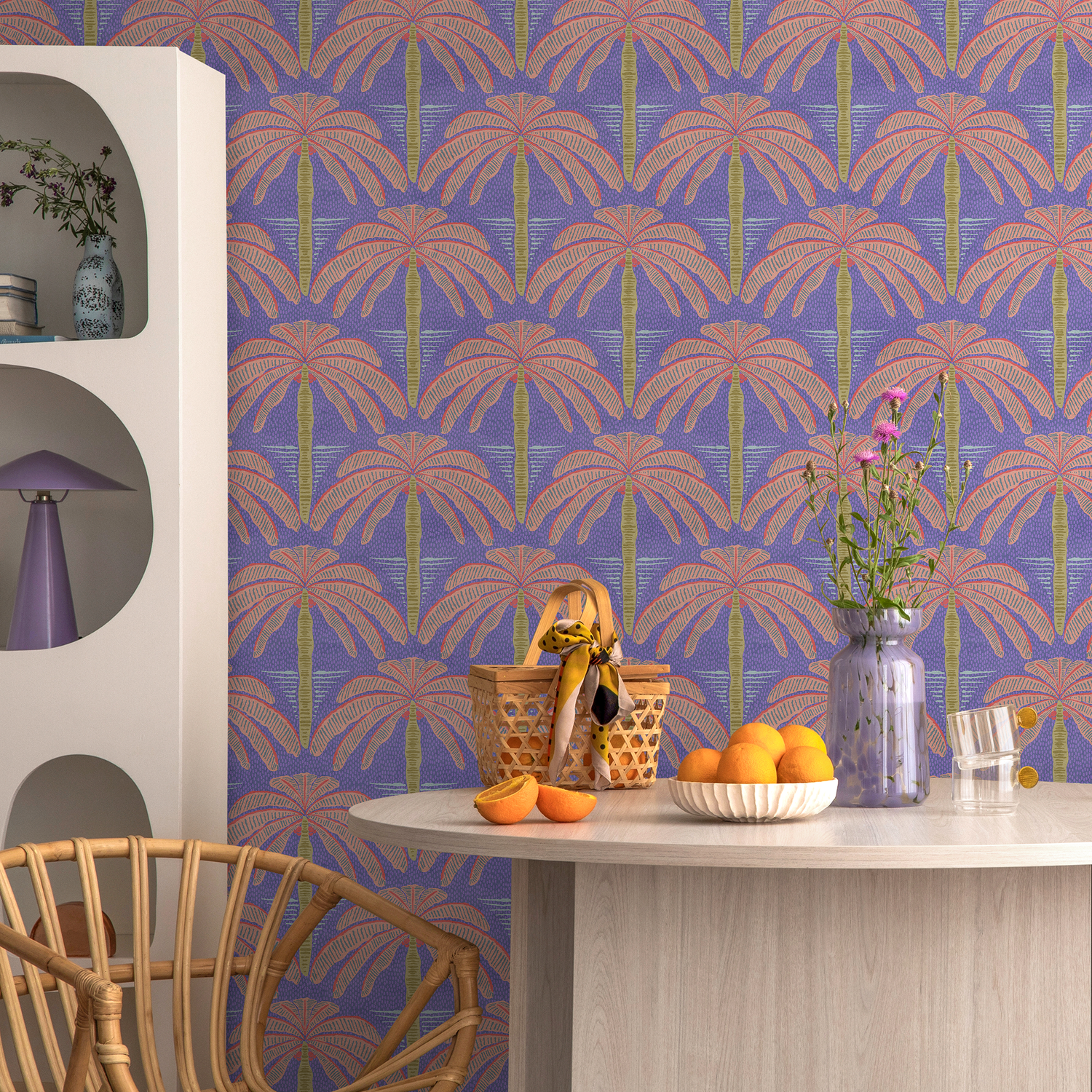
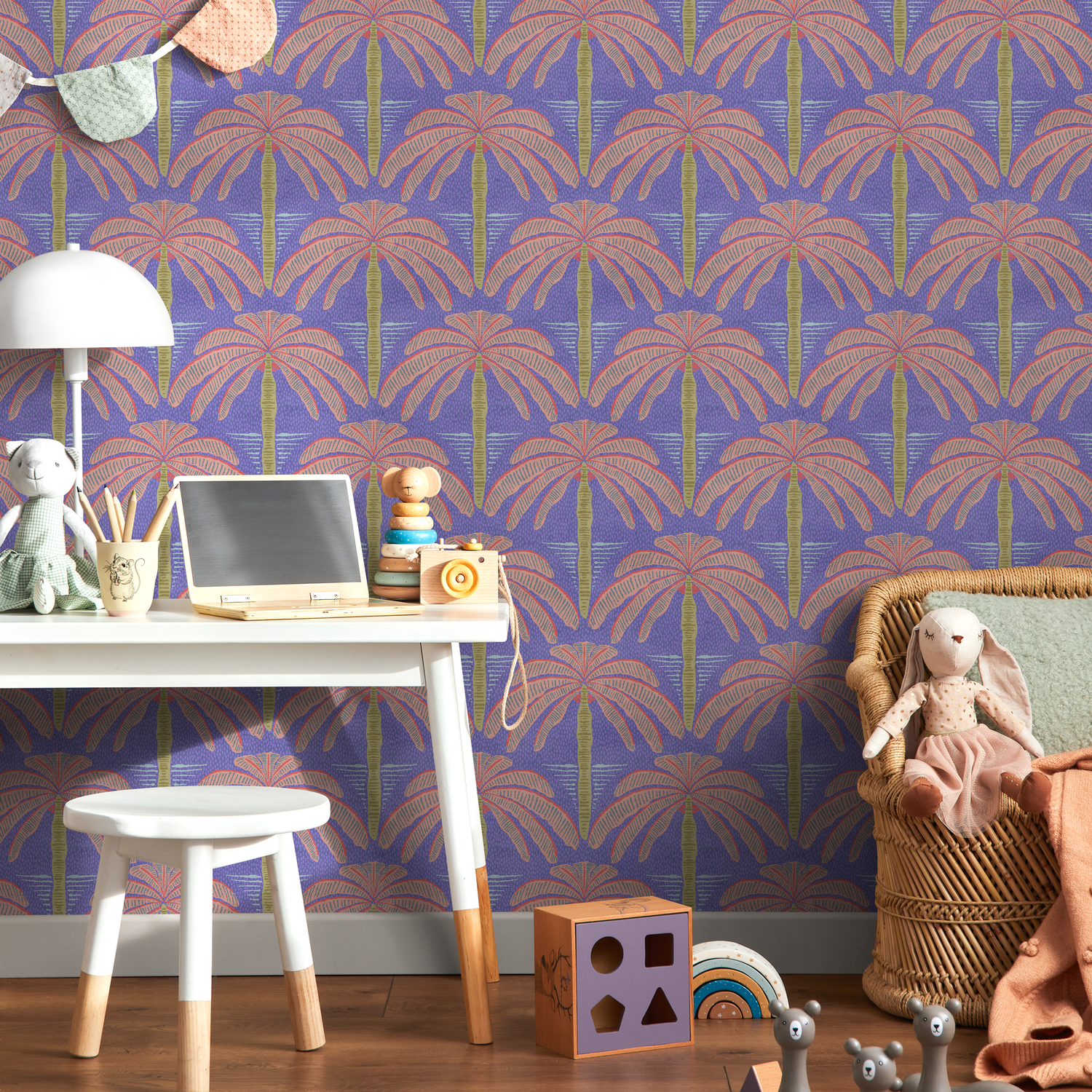

Tropical Wallpaper with Stylized Palm Trees in Purple, Pink, and Green - E441
Infuse your space with vibrant, retro charm using our Tropical Wallpaper, featuring a playful pattern of stylized palm trees. This captivating design, rendered in a unique palette of purple, pink, and green, creates an instant focal point and brings a cheerful, botanical energy to any room. Perfect for crafting a statement accent wall, this wallpaper transforms your interior into a stylish tropical escape, blending artistic flair with a touch of nature-inspired whimsy.
Our peel and stick wallpaper is designed for effortless application, making it a fantastic choice for both homeowners and renters seeking a simple yet impactful home decor update. The high-quality, removable material allows you to refresh your living room, bedroom, or office without any long-term commitment. This stylized palm tree wallpaper not only enhances your interior design but also offers a durable and easy-to-clean surface, ensuring your walls look stunning for years to come.
Embrace a bold new look with this unique wall art. Whether you're aiming for a coastal vibe or a pop of artistic color, this purple and pink wallpaper provides the perfect backdrop. The easy installation process means you can achieve a professional-looking finish in no time, making it the ideal solution for a quick and transformative room makeover.
Key Features:
- Perfect for a living room, bedroom wall decor, or a bathroom accent wall.
- Pairs beautifully with bohemian decor, mid-century modern, or coastal furniture.
- Complements walls painted in soft white, light gray, or even sage green.
- Available in custom wallpaper sizes for a perfect fit on any wall.
- Choose from premium peel and stick or traditional wallpaper options.
- Features damage-free removal, making it completely rental property friendly.
- Ask about our custom color options to create personalized wallpaper.
- Proudly Made in the USA with non-toxic, eco-friendly wallpaper materials.
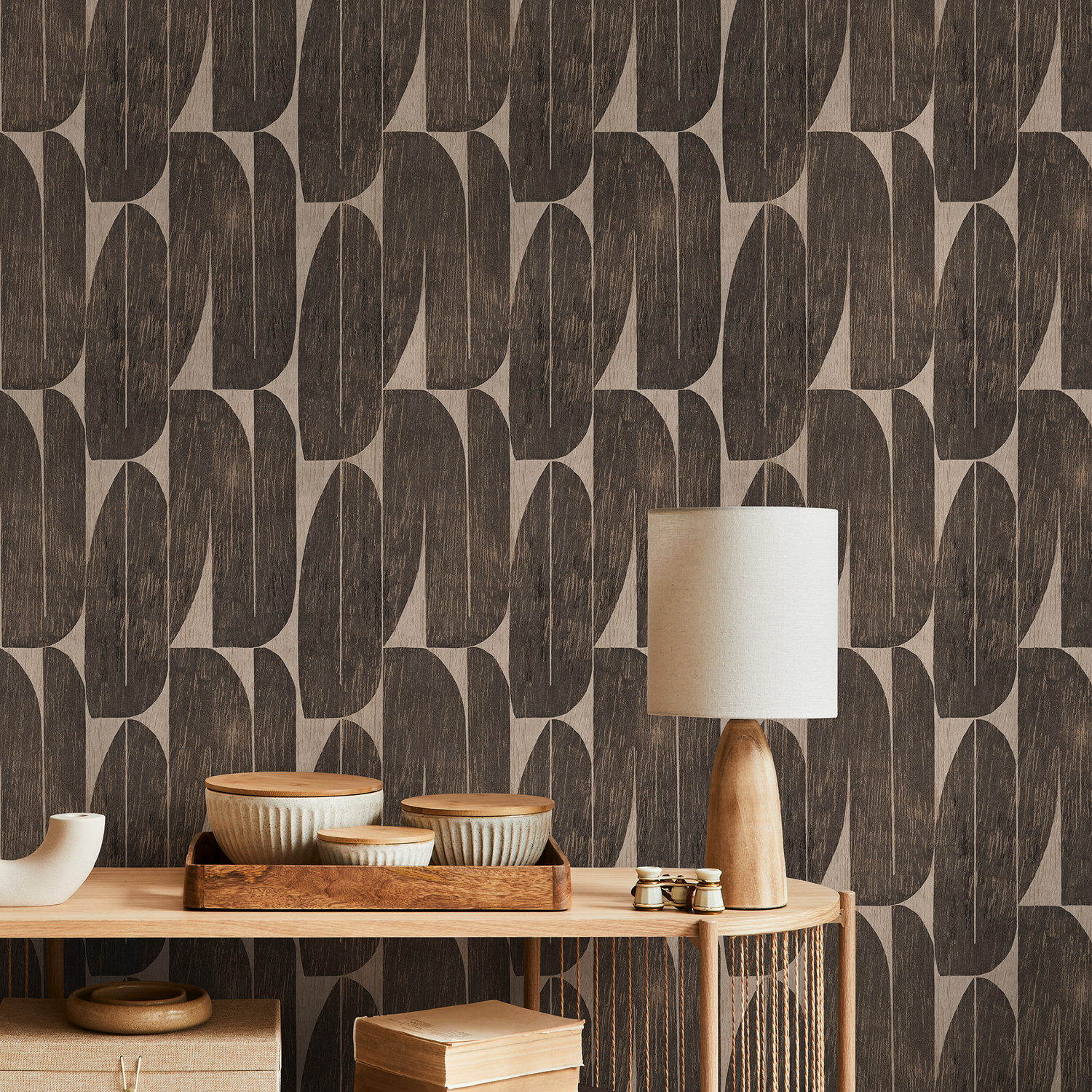
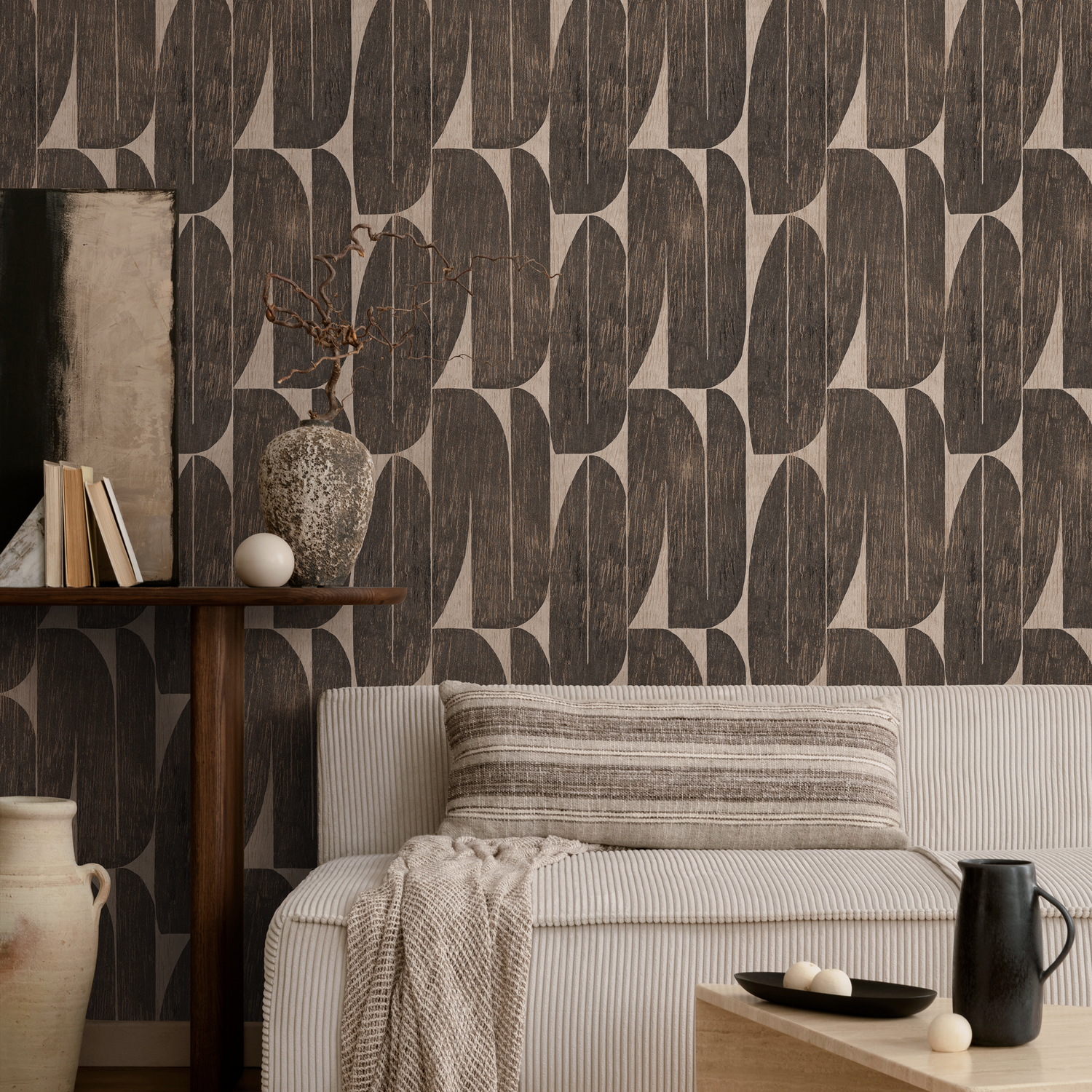

Modern Abstract Wallpaper with Bold Wood Texture Shapes in Brown and Beige - E484
Introduce a touch of organic modernism to your space with this Abstract Wallpaper, featuring bold wood texture shapes. The captivating design, rendered in a sophisticated palette of deep brown and warm beige, creates a dynamic yet grounded aesthetic perfect for contemporary interior design. This geometric wallpaper uses large-scale abstract forms to make a statement, adding depth and a unique textural element to any room. Ideal for creating a stunning accent wall, its wood grain effect brings natural warmth and character to your home decor.
Elevate your home with this versatile wall art, designed for effortless style enhancement. Whether you're looking for removable wallpaper for a temporary update or a more permanent solution, this design offers flexibility. The peel and stick wallpaper option ensures a simple, mess-free application, making it a popular choice for DIY home projects. This abstract wallpaper is perfect for a living room, bedroom, or office, instantly transforming your walls into a focal point of artistic expression and modern elegance.
Our commitment to quality means this peel and stick wallpaper is not only beautiful but also durable and easy to maintain. The high-grade material ensures a flawless finish, while the removable nature makes it ideal for renters or those who love to frequently update their interior design. Achieve a professional look with minimal effort and enjoy a sophisticated backdrop that complements a wide range of decor styles, from minimalist to mid-century modern.
Key Features:
- Perfect for living room wallpaper, bedroom wall decor, or a home office accent wall.
- Pairs beautifully with modern furniture, minimalist design, and Japandi style decor.
- Complements walls painted with warm gray, off-white, or deep charcoal paint.
- We offer custom wallpaper sizes for a perfect fit guarantee in any room size.
- Choose from premium peel and stick or traditional wallpaper options for quality.
- Features damage-free removal, making it a perfect rental property friendly choice.
- Ask about personalized wallpaper and custom color options for bespoke wall art.
- Proudly Made in USA with eco-friendly wallpaper and non-toxic materials.
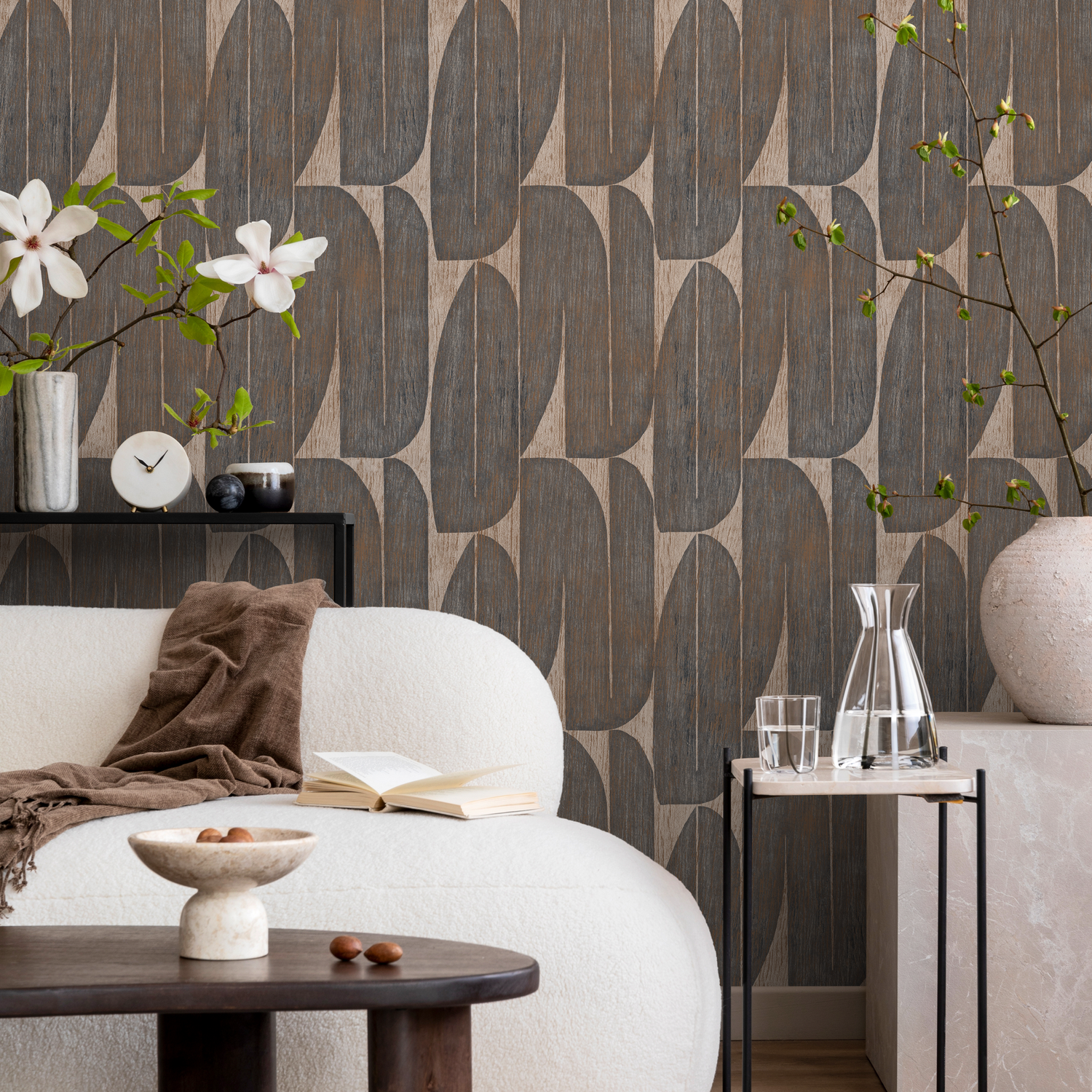
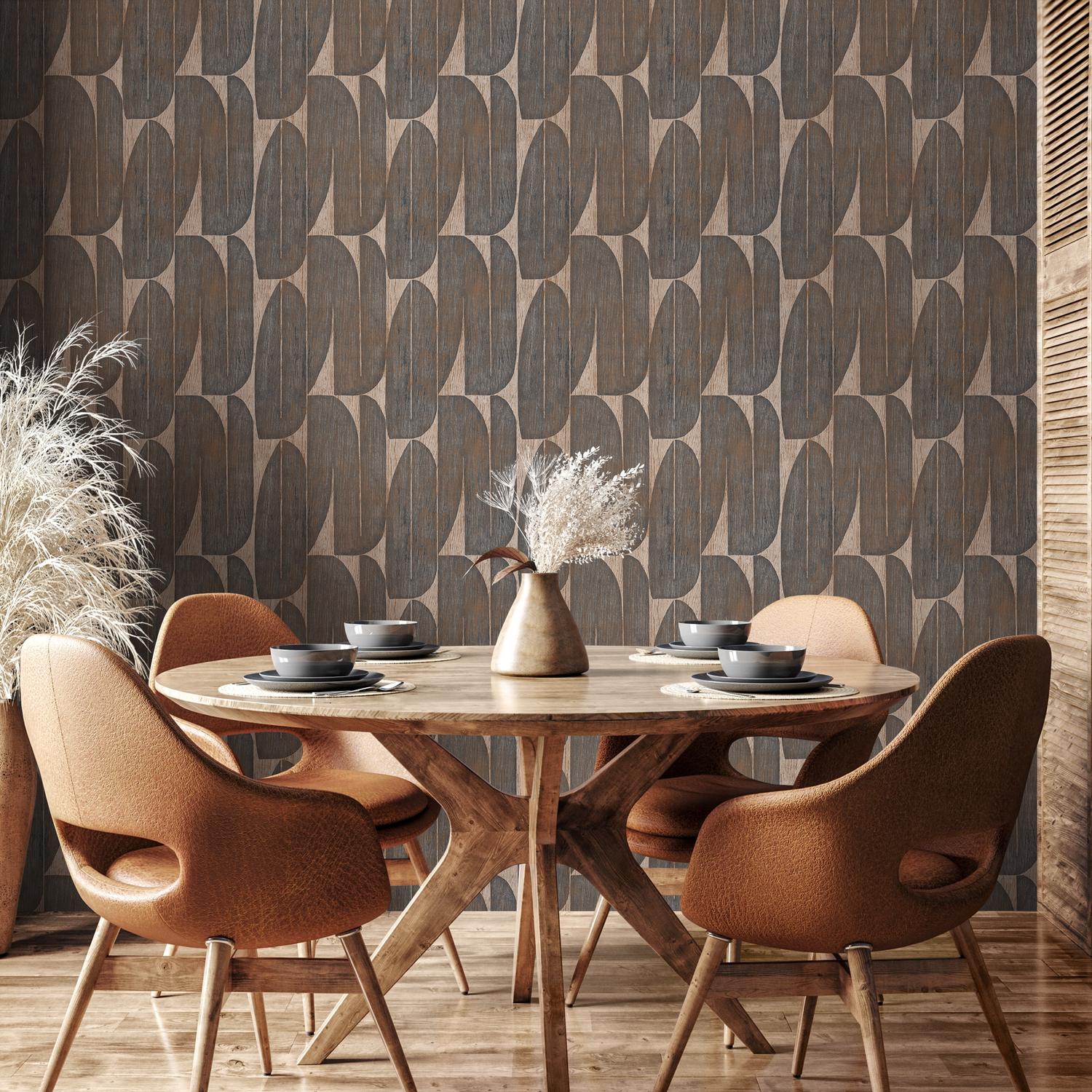

Modern Abstract Wallpaper with Interlocking Wood Grain Shapes in Brown and Beige - E486
Introduce a sense of organic modernism to your space with this Abstract Wallpaper. Featuring bold, interlocking wood grain shapes, this design brings texture and depth to any room. The sophisticated palette of Brown and Beige creates a warm, inviting atmosphere inspired by Mid-Century Modern and Japandi aesthetics.
This versatile wall art is perfect for creating a stunning accent wall in your living room or a serene backdrop in your bedroom. As a removable wallpaper, it offers a commitment-free way to explore bold interior design choices. The peel and stick wallpaper option ensures an easy installation process, allowing you to transform your home decor in a single afternoon without any mess or professional help.
Crafted from high-quality materials, our wallpaper is designed for both beauty and longevity. The intricate wood grain details provide a unique, textured look that elevates your walls from simple surfaces to statement pieces. Whether you're updating your forever home or personalizing a rental, this wallpaper provides a durable and stylish solution for contemporary home design.
Key Features:
- Perfect for living room wallpaper, bedroom accent wall, or modern office decor.
- Pairs beautifully with minimalist furniture, Japandi decor, and natural wood tones.
- Complements warm gray paint, off-white walls, and deep charcoal accents.
- Available in custom wallpaper sizes for a perfect fit on any wall dimension.
- Choose from premium peel and stick or traditional wallpaper options for durability.
- Features damage-free removal, making it ideal for rental property friendly decor.
- We offer personalized wallpaper with custom color options for bespoke wall art.
- Proudly Made in the USA with eco-friendly wallpaper and non-toxic materials.
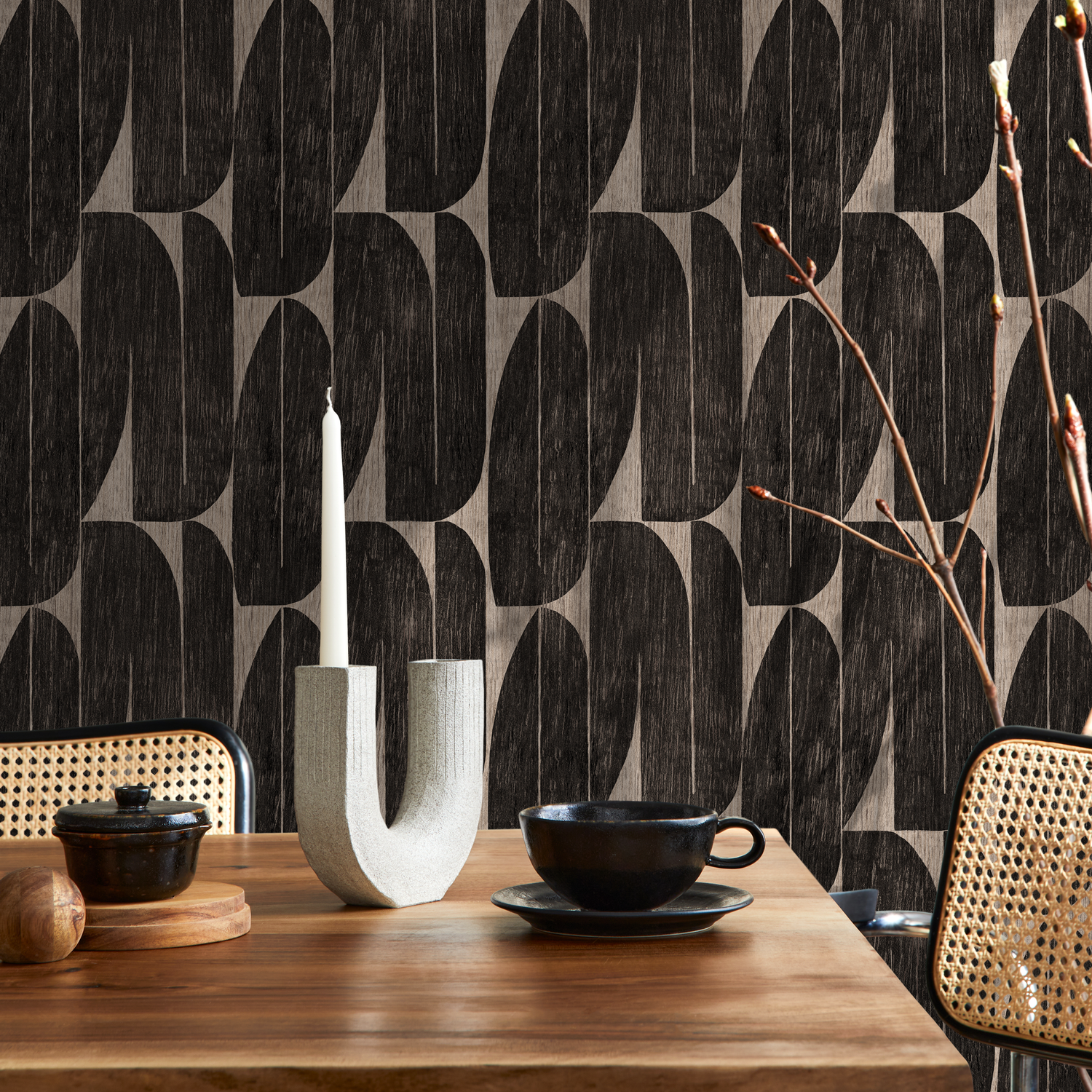
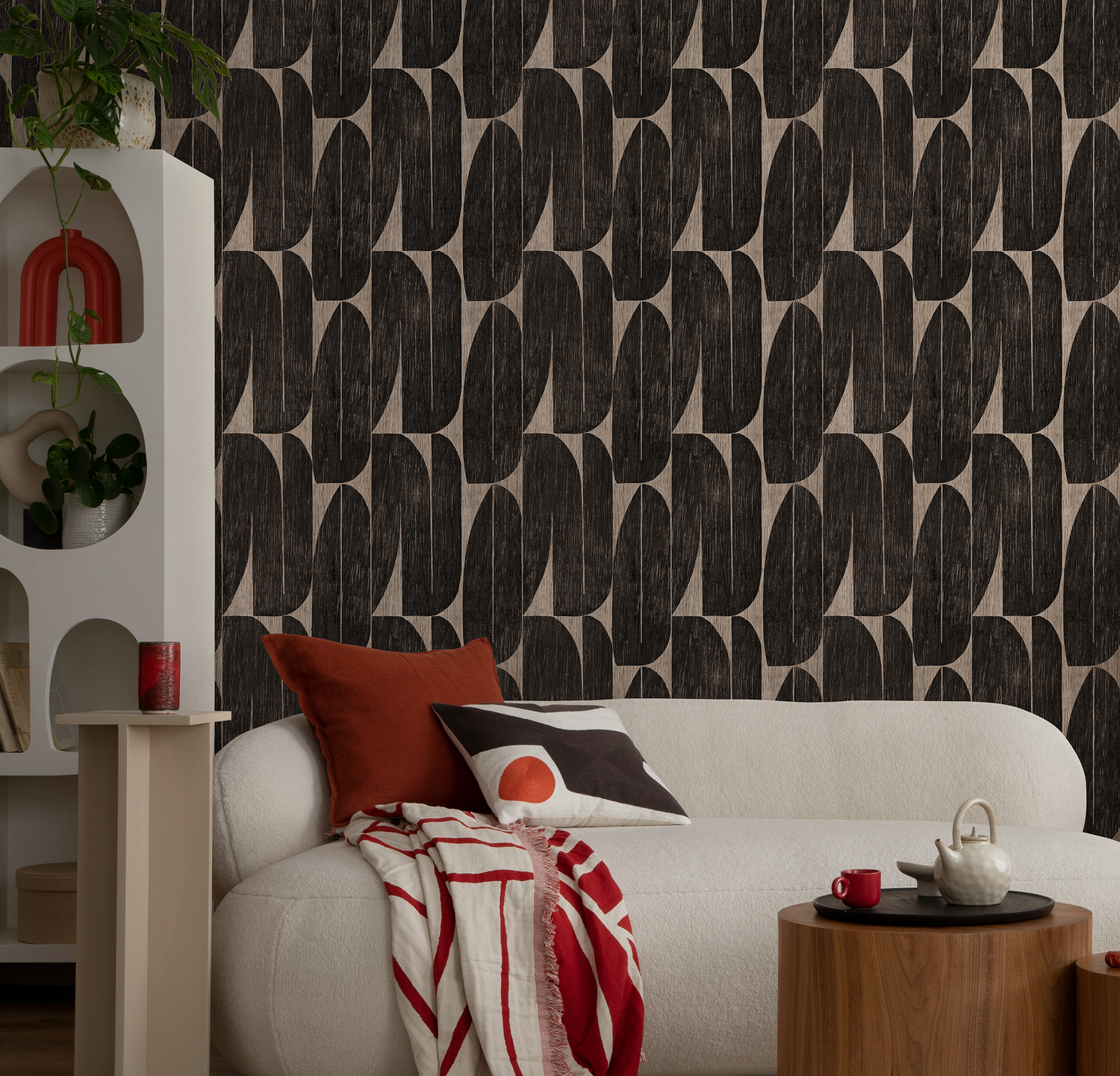

Modern Abstract Wallpaper with a Wood Block Motif in Black and Beige - E485
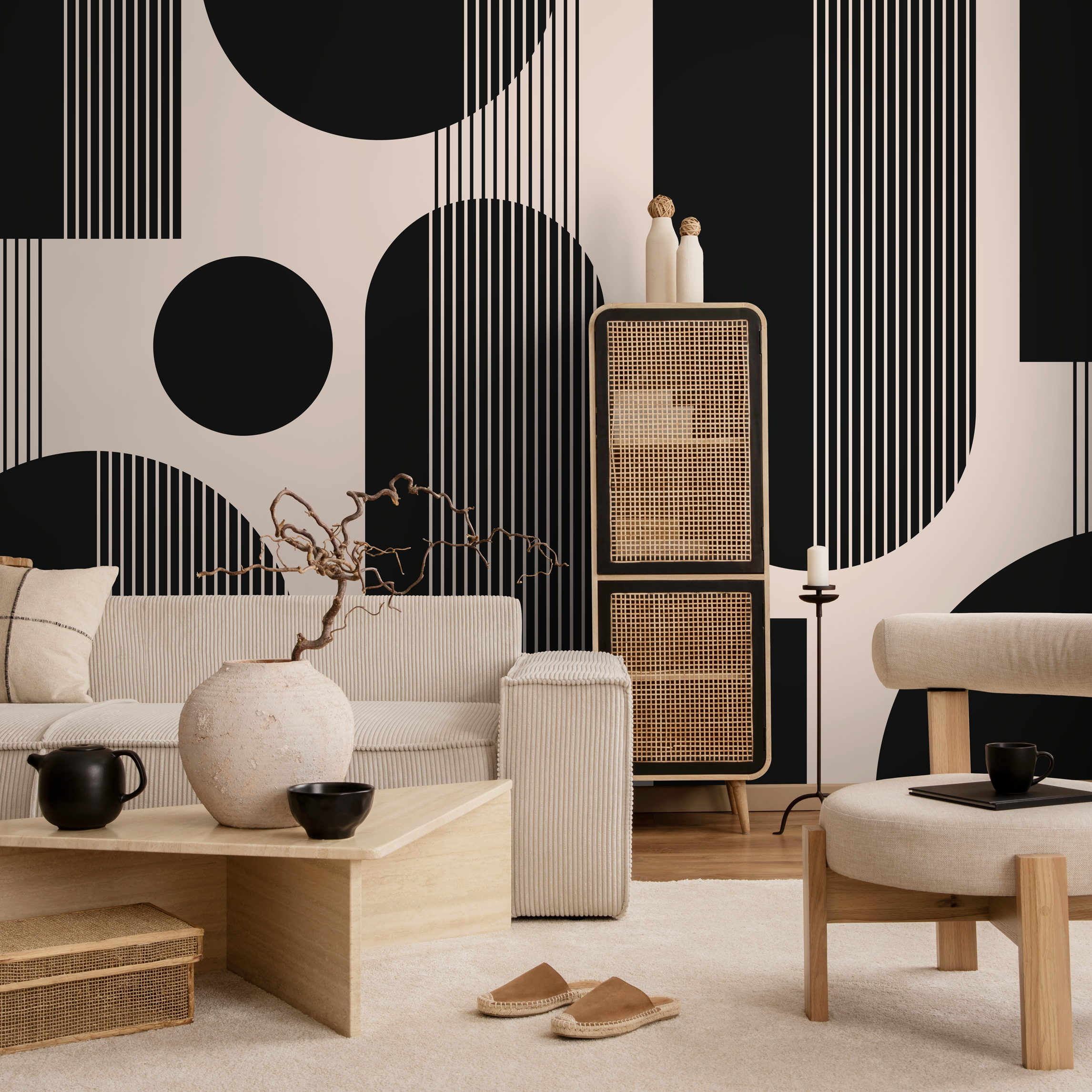
Introduce a bold and sophisticated aesthetic into your space with this Modern Abstract Wallpaper, featuring a striking wood block motif. The dramatic interplay of black and beige tones creates a captivating visual texture, perfect for a modern or mid-century modern interior. This geometric peel and stick wallpaper is designed to make a statement, transforming any room into a curated work of art.
Crafted for effortless application, this removable wallpaper is an ideal solution for both homeowners and renters seeking a significant style upgrade without the commitment. The peel and stick technology ensures a smooth, bubble-free installation and damage-free removal, making it perfect for an accent wall, living room, or bedroom. Enhance your home decor with this unique wall art that blends rustic wood grain with clean, abstract forms for a truly memorable interior design.
Our high-quality wallpaper is not only visually stunning but also durable and easy to maintain. Whether you're undertaking a full room makeover or simply adding a touch of modern elegance, this black and beige wallpaper offers the perfect combination of style and convenience. Redefine your home with a design that is both timeless and contemporary.
Key Features:
- Perfect for living room wallpaper, bedroom wall decor, or a bold office accent wall.
- Pairs beautifully with modern furniture, minimalist decor, and Japandi style interiors.
- Complements walls painted in warm gray, soft white, or deep charcoal tones.
- Offered in custom wallpaper sizes for a perfect fit guarantee on any wall.
- Choose from premium peel and stick or traditional wallpaper options for your project.
- Ideal temporary wall decor with damage-free removal for rental property friendly style.
- Personalize your space with custom color options for truly bespoke wall art.
- Proudly Made in USA with eco-friendly, non-toxic materials for your home.
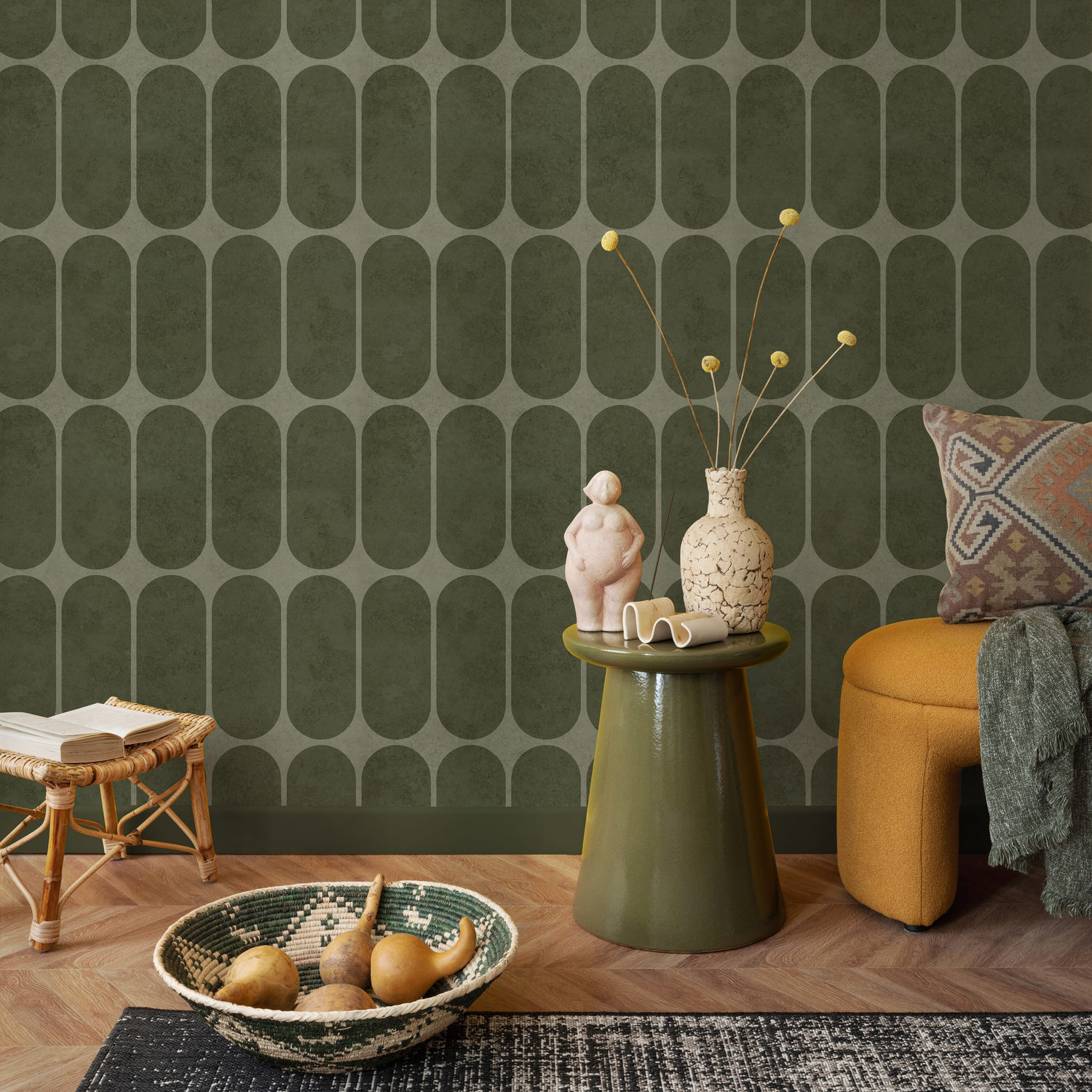
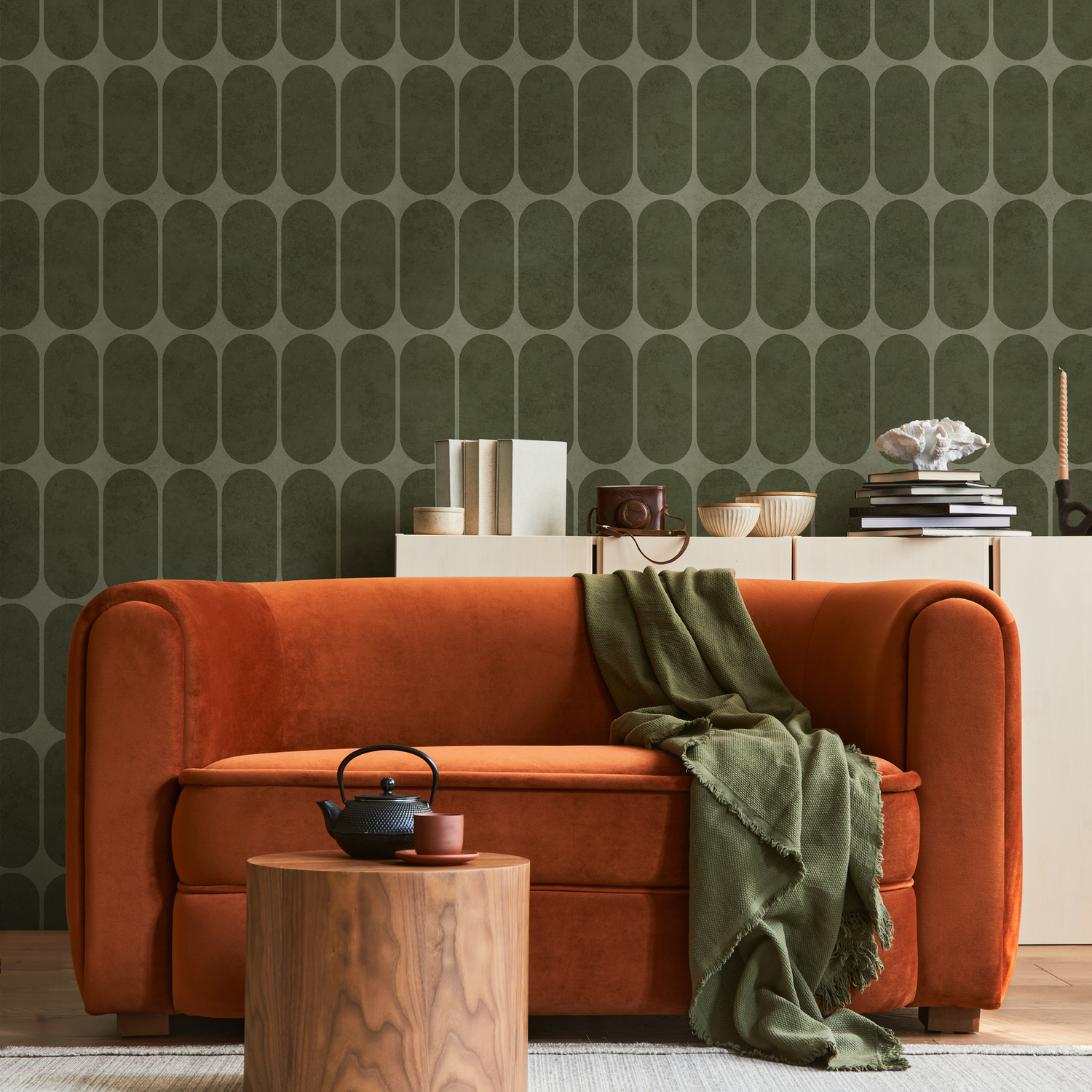

Modern Geometric Wallpaper with Textured Arches in Olive and Sage Green - E402
Introduce a touch of sophisticated style with our Modern Geometric Peel and Stick Wallpaper, featuring a stunning Art Deco Arch Pattern. This elegant design, rendered in calming shades of olive and sage green, brings a textured, modern feel to any room. The repeating arch motif creates a sense of rhythm and harmony, making it a perfect choice for creating a chic accent wall or transforming an entire space with its unique character.
This high-quality, removable wallpaper is designed for effortless application, allowing you to achieve a professional look without the hassle. As a versatile piece of wall art, our olive and sage green wallpaper complements a wide range of interior design themes, from mid-century modern to minimalist contemporary. Ideal for renters and homeowners alike, this peel and stick wallpaper offers a simple way to update your home decor, providing a durable and stylish finish that elevates your living room, bedroom, or office.
Crafted for both beauty and convenience, this wallpaper is easy to install and just as easy to remove, leaving your walls damage-free. It's the perfect solution for anyone seeking a high-impact, low-commitment design upgrade. Embrace the timeless appeal of our Art Deco Arch Pattern wallpaper and give your home the elegant transformation it deserves.
Key Features:
- Perfect for a living room wallpaper, bedroom accent wall, or modern entryway.
- Pairs beautifully with mid-century modern furniture and minimalist decor.
- Complements walls with warm gray, beige, or charcoal gray paint colors.
- Available in custom wallpaper sizes to guarantee a perfect fit for your wall.
- Choose from premium peel and stick or traditional wallpaper options.
- Features damage-free removal, making it ideal for rental property decor.
- Ask about our personalized wallpaper and custom color options for your project.
- Proudly Made in the USA with non-toxic, eco-friendly wallpaper materials.
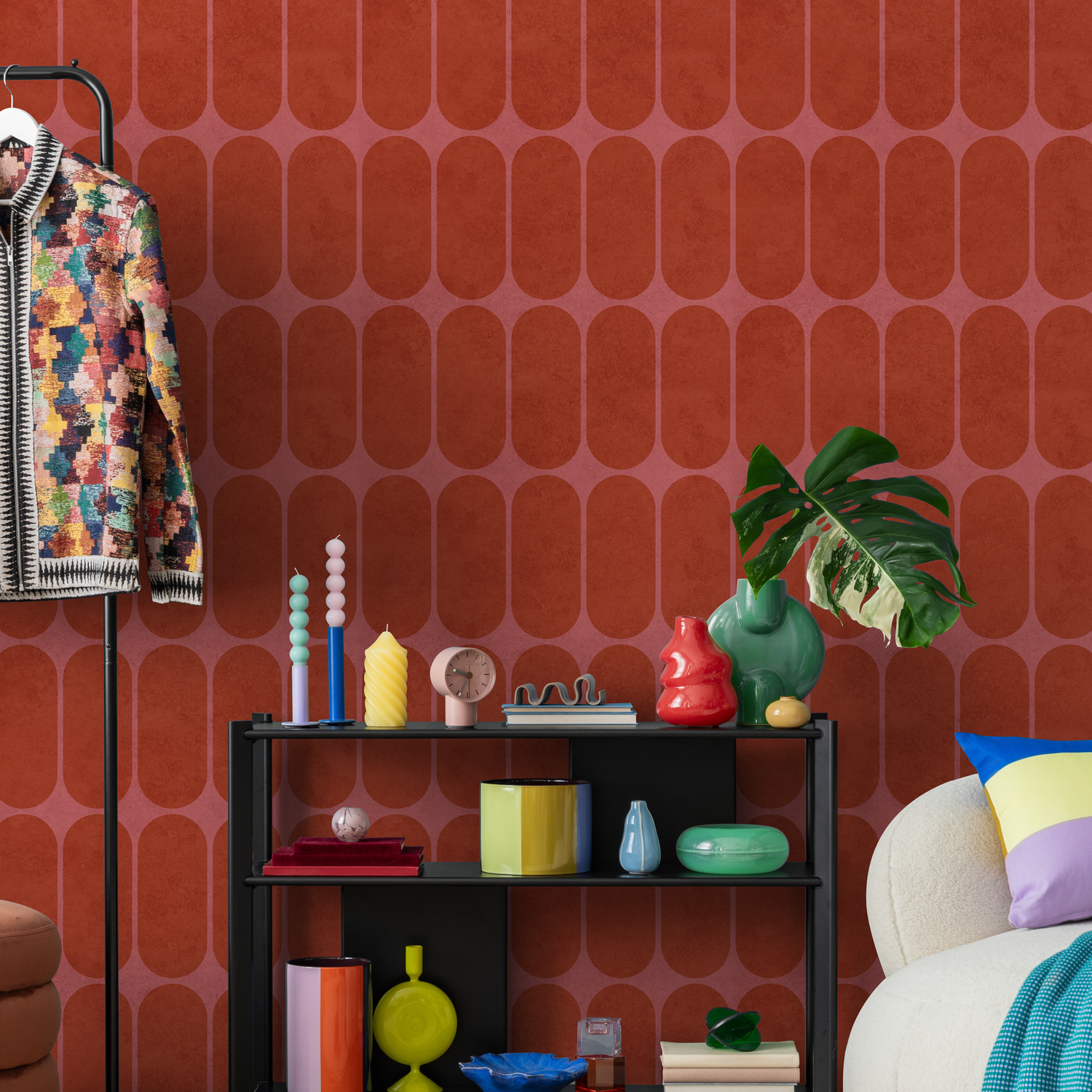
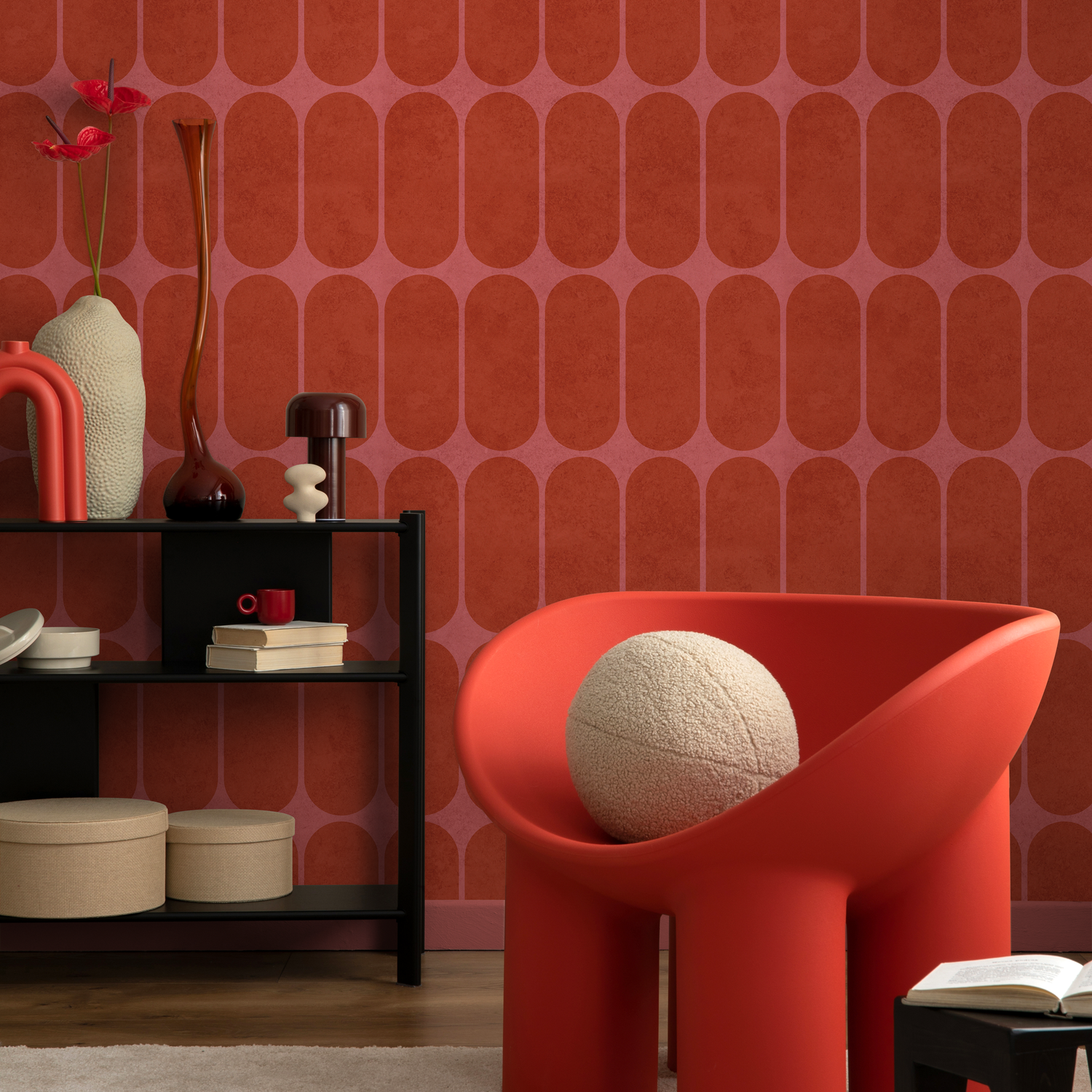

Modern Geometric Wallpaper with an Interlocking Arch Motif in Red and Pink - E403
Introduce a touch of modern sophistication with our Modern Geometric Wallpaper, featuring a stunning interlocking arch motif in rich Terracotta and Pink. The design's subtle texture adds depth and warmth, creating a captivating visual that enhances any interior design scheme. This wallpaper is the perfect solution for anyone looking to make a bold yet elegant statement.
Our versatile peel and stick wallpaper is designed to transform your home decor, making it incredibly easy to create a striking accent wall in a living room, bedroom, or office. As a premium piece of wall art, this removable wallpaper allows for a simple, commitment-free style update. The warm terracotta and soft pink hues bring a contemporary yet inviting feel, upgrading your space without the need for a full renovation.
Crafted for convenience and quality, this wallpaper is simple to apply and just as easy to take down, making it an ideal choice for renters or design enthusiasts who love to refresh their surroundings. The high-quality material ensures a smooth, durable finish, providing a professional look with minimal effort. Redefine your home with this unique and stylish geometric wall covering.
Key Features:
- Ideal for a living room wallpaper, bedroom accent wall, or modern office decor.
- Pairs beautifully with mid-century modern furniture and minimalist decor styles.
- Complements walls painted in off-white, warm gray, or deep navy blue shades.
- Available in custom wallpaper sizes to guarantee a perfect fit for any room.
- Choose from premium peel and stick or traditional wallpaper options for your project.
- Features damage-free removal, making it a perfect rental property friendly choice.
- We offer personalized wallpaper with custom color options for a bespoke wall art look.
- Proudly Made in USA using eco-friendly, non-toxic and sustainable materials.
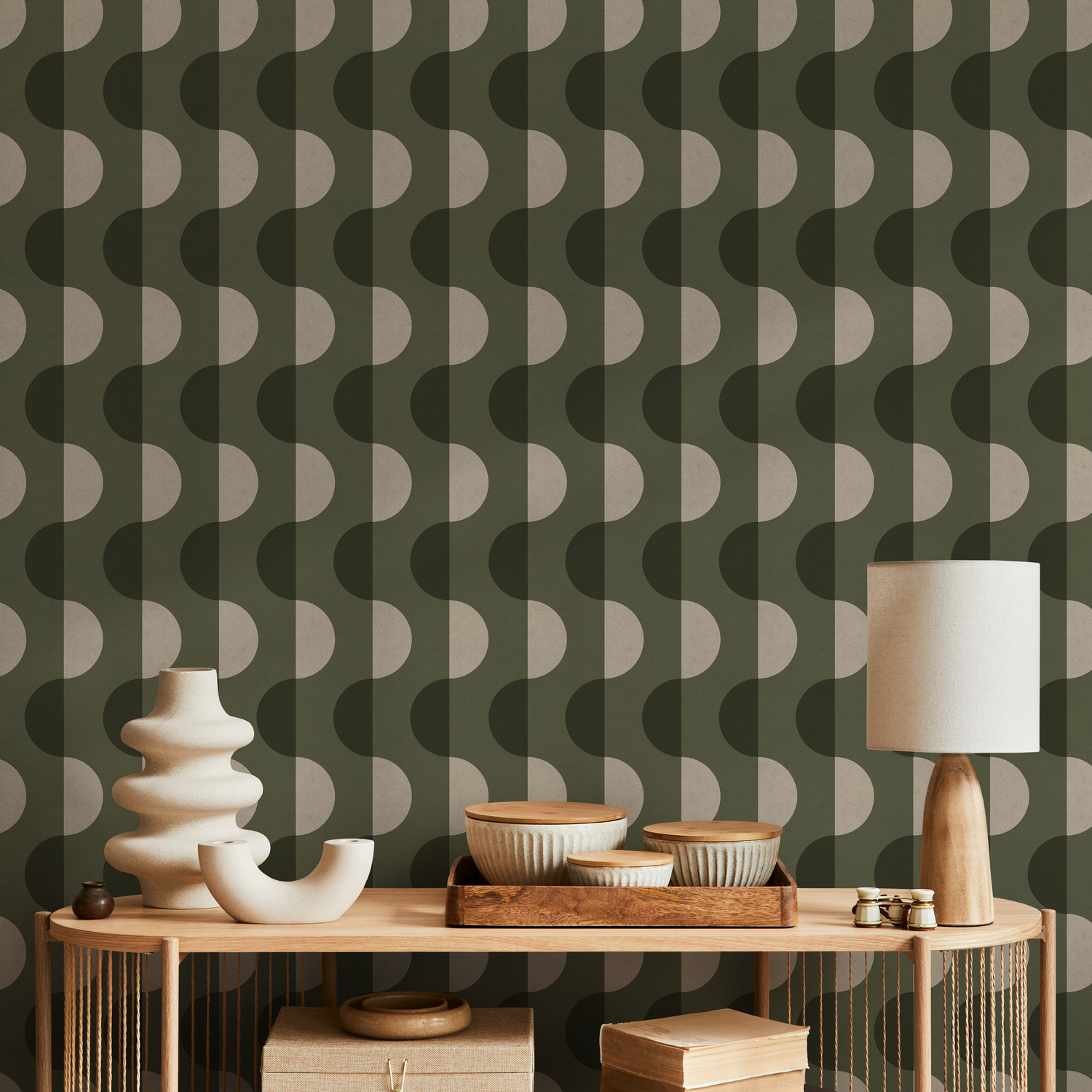
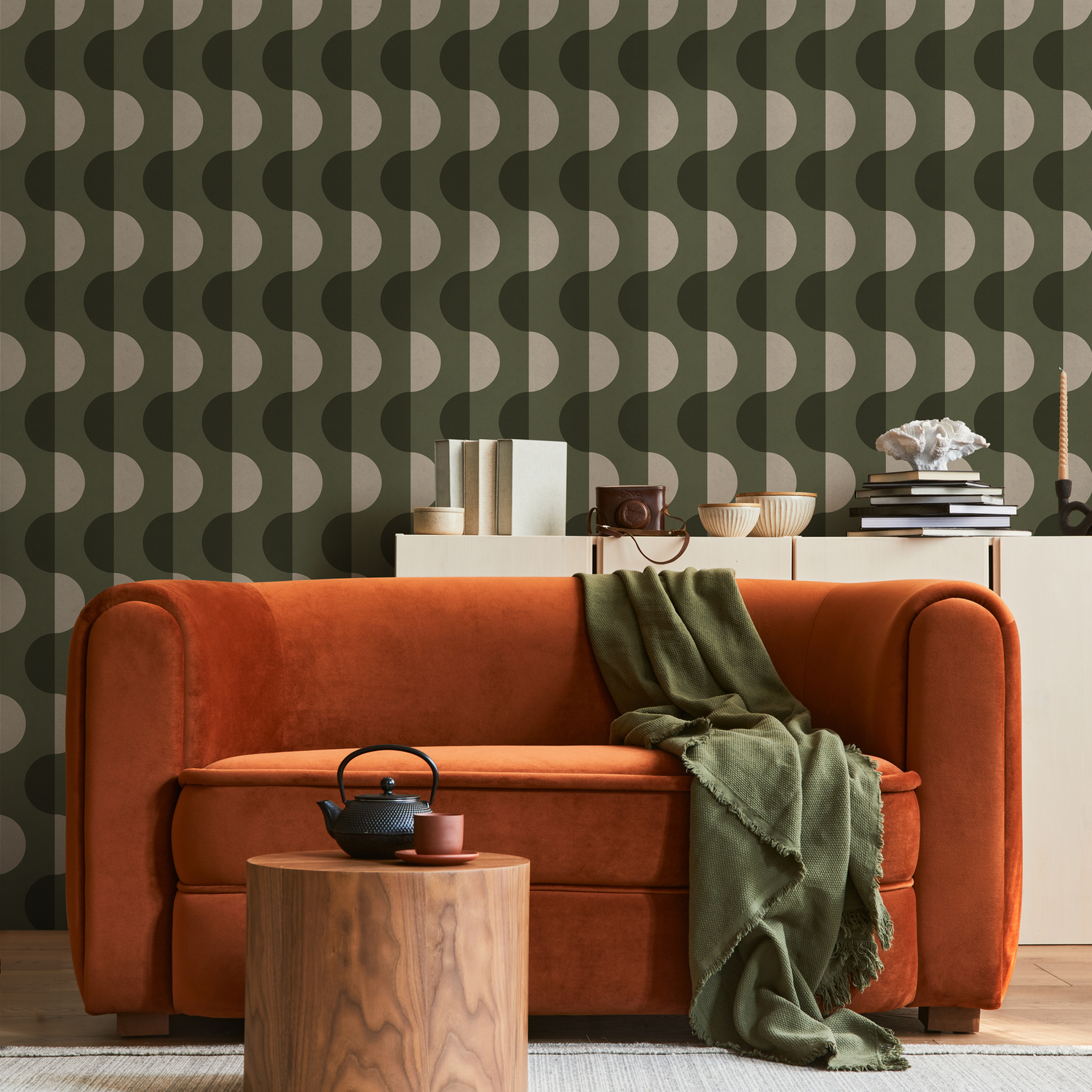

Geometric Wallpaper with a Modern Wavy Semicircle Motif in Olive Green and Beige - E394
Introduce a touch of retro sophistication to your home with our Geometric Wallpaper, featuring a captivating wavy semicircle motif. This stunning design, presented in a chic palette of olive green and beige, creates a bold and dynamic visual that instantly elevates any interior. Perfect for crafting a statement accent wall, this wallpaper’s unique pattern adds depth and character, making it an ideal choice for modern and mid-century inspired home decor.
Transform your living space effortlessly with this high-quality wall art. Whether you're looking for an easy-to-install peel and stick wallpaper or a more permanent solution, our product is designed for a seamless application. The olive green and beige colorway offers a versatile backdrop that complements a wide range of interior design schemes. This removable wallpaper is perfect for renters or anyone who loves to update their decor, allowing you to bring a graphic, artistic flair to your living room, bedroom, or office without commitment.
Crafted with premium materials, our wallpaper ensures durability and a flawless finish. The intricate wavy semicircle motif provides a timeless yet contemporary feel, making it a sophisticated choice for your next home decor project. Easy to clean and maintain, this wallpaper is not just a beautiful design element but a practical investment in your home's aesthetic.
Key Features:
- Ideal for living room wallpaper, bedroom wall decor, or a bold office accent wall.
- Pairs perfectly with mid-century modern furniture and minimalist design elements.
- Complements walls painted in warm gray, creamy off-white, or deep charcoal.
- Available in custom wallpaper sizes to guarantee a perfect fit for any room.
- Choose from premium peel and stick or traditional wallpaper options for your project.
- Features damage-free removal, making it ideal rental property friendly wall decor.
- Ask about our personalized wallpaper and custom color options for a bespoke look.
- Proudly Made in the USA with eco-friendly, non-toxic, sustainable materials.
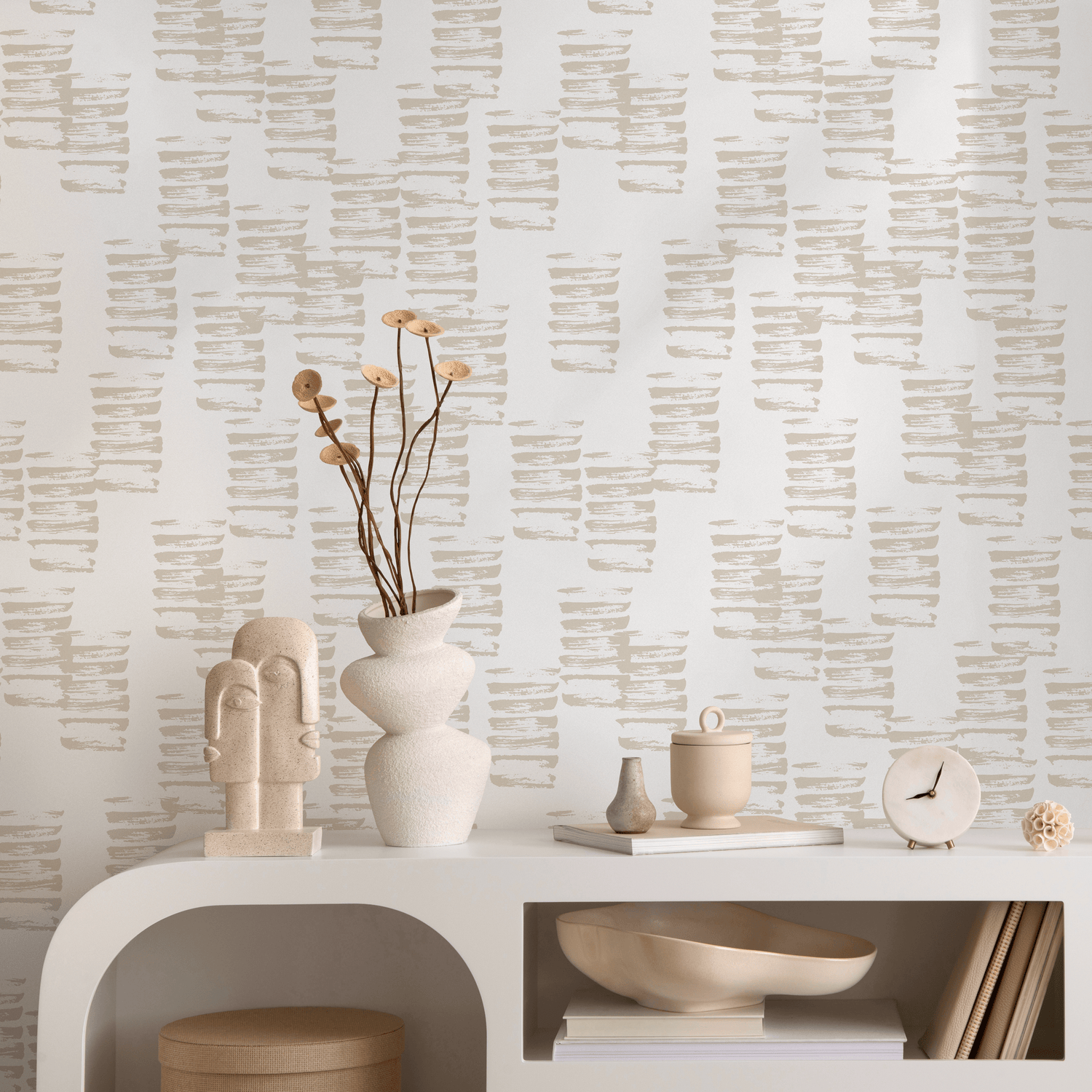
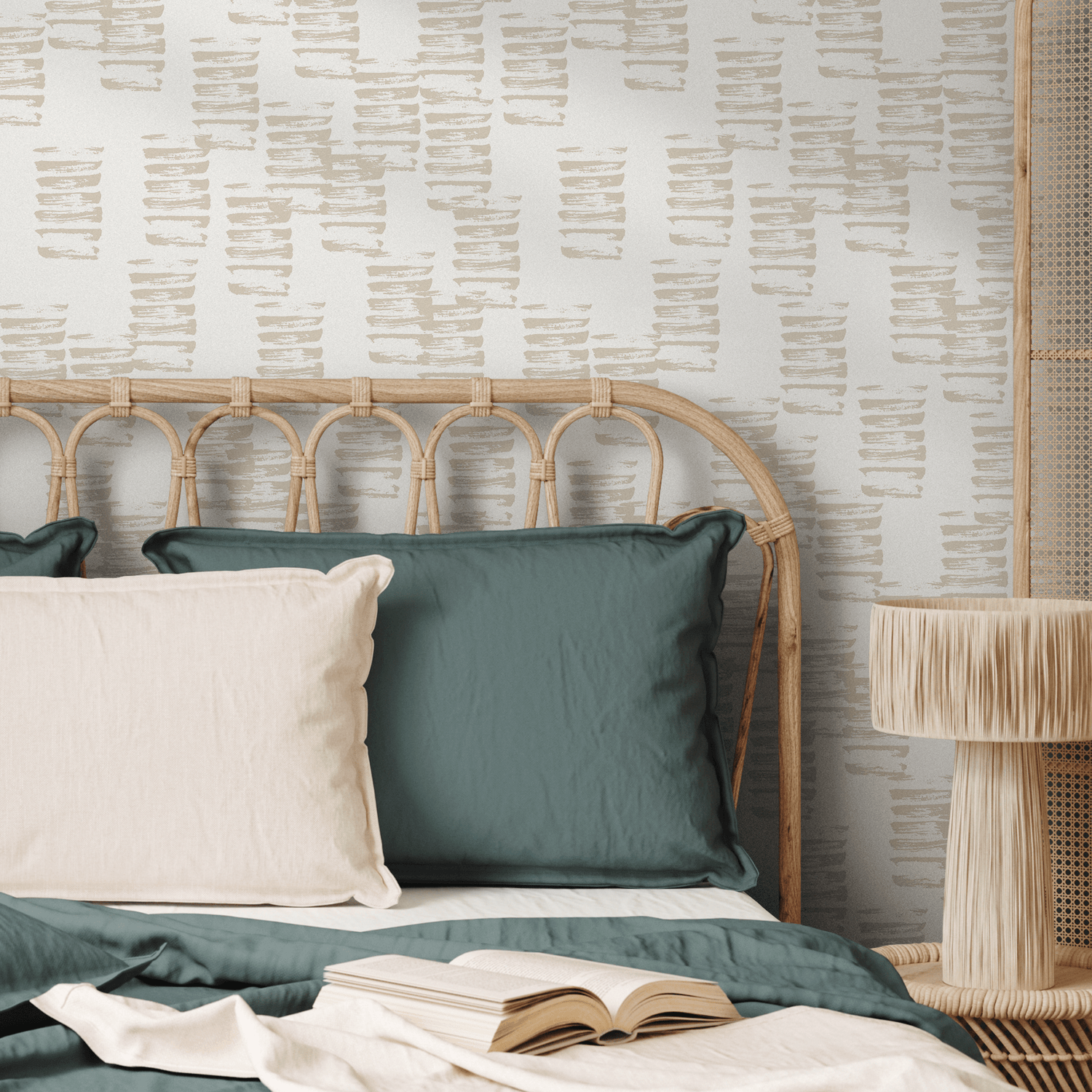

• Ideal as living room wallpaper, bedroom wall decor, or a minimalist accent wall.
• Pairs beautifully with Scandinavian, Japandi, and minimalist home decor styles.
• Complements walls painted in warm gray, soft white, or muted sage green tones.
• Available in custom wallpaper sizes to ensure a perfect fit for any room.
• Our premium peel and stick material is a thick, high-quality removable wallpaper.
• Enjoy damage-free removal, making this the perfect temporary wall decor for rentals.
• Request personalized color options for a truly bespoke wall art experience.
• Proudly Made in the USA with non-toxic inks and sustainable home decor materials.
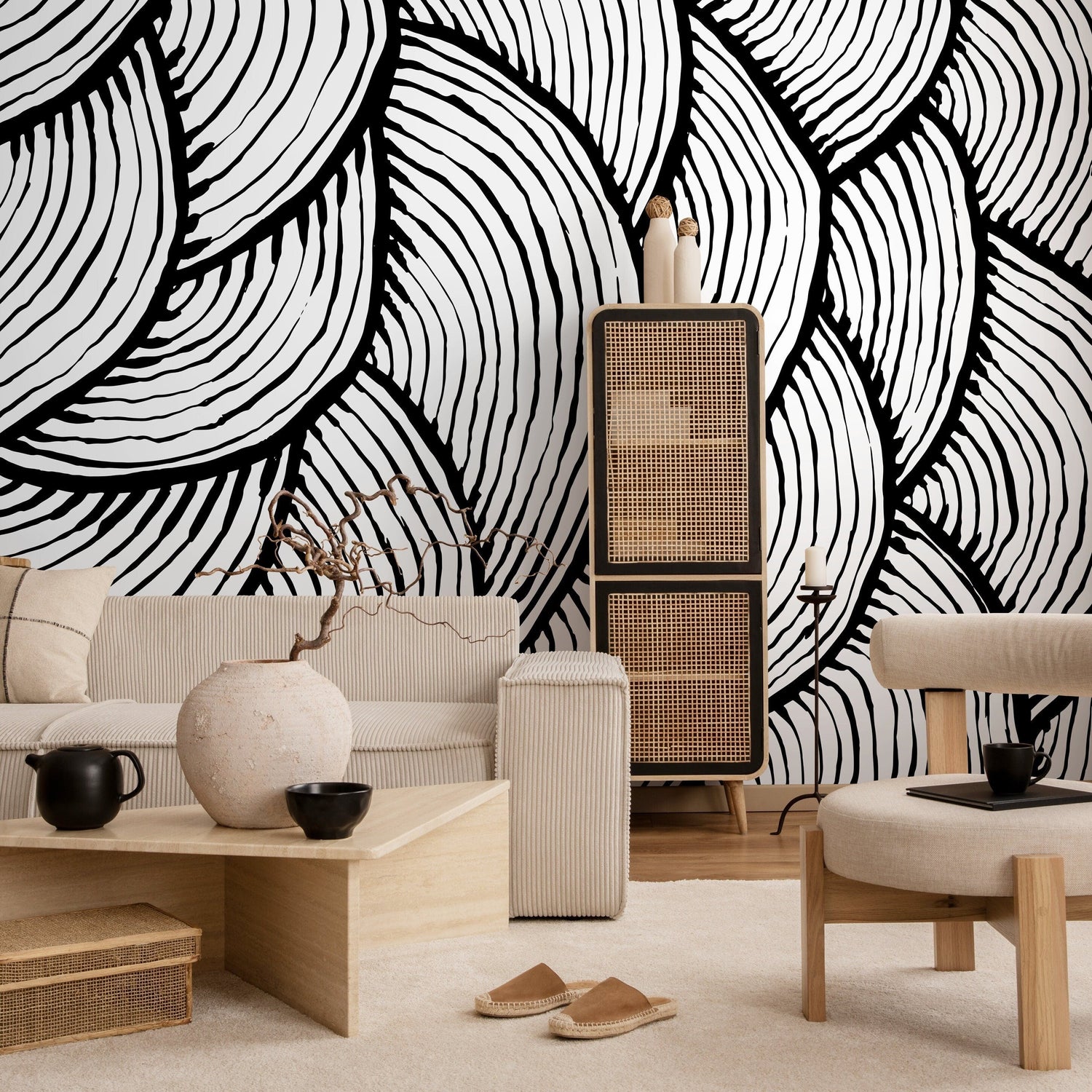
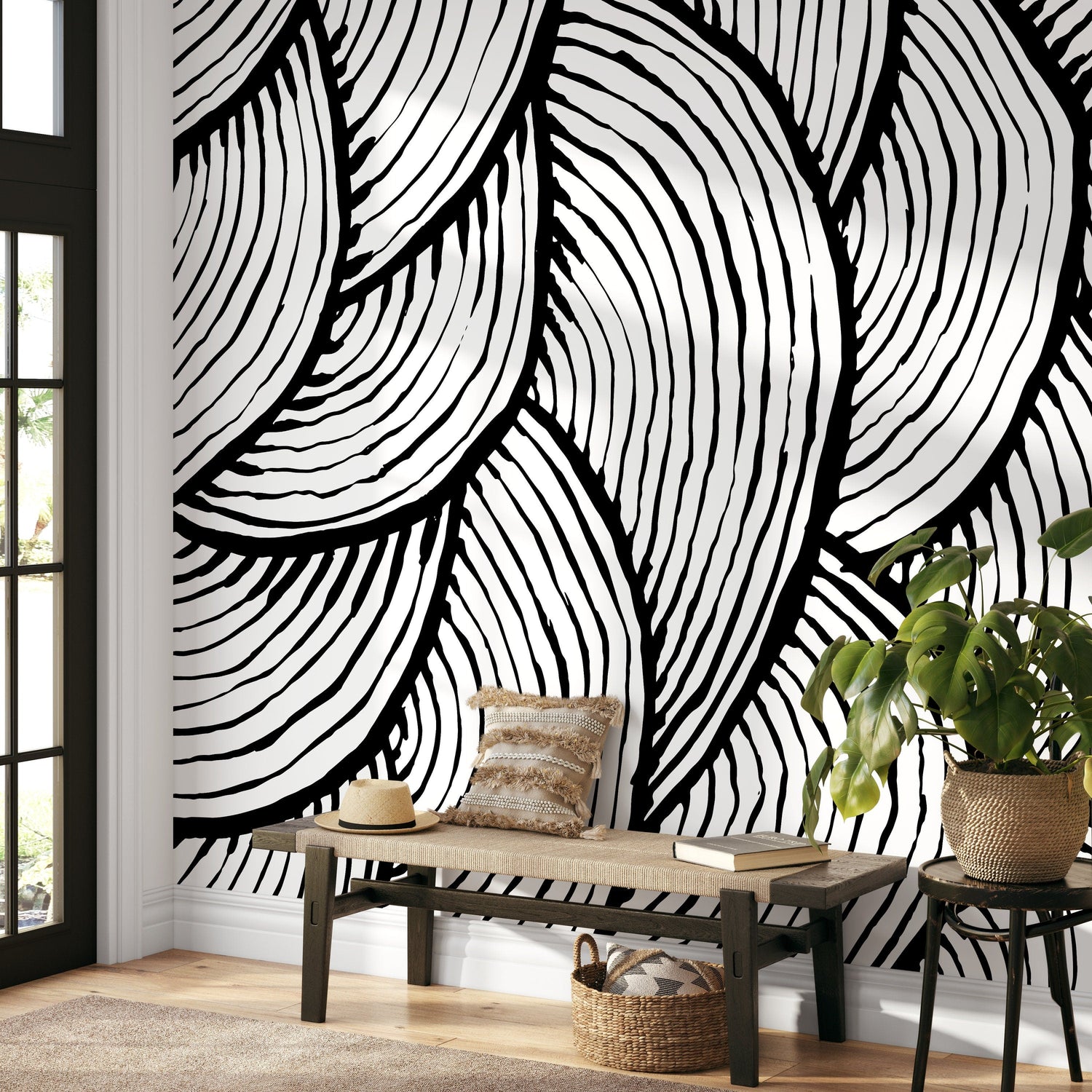

• Ideal for a living room wallpaper, bedroom accent wall, or a modern office space.
• Pairs beautifully with modern furniture, minimalist decor, and Japandi interiors.
• Complements walls with warm gray paint, natural wood tones, and bold accents.
• Available in custom wallpaper sizes to guarantee a perfect fit for any room size.
• Choose from premium peel and stick or traditional wallpaper for lasting quality.
• Features damage-free removal, making it a perfect rental property friendly choice.
• Request custom color options to create truly personalized and bespoke wall art.
• Proudly Made in the USA with eco-friendly, non-toxic, sustainable materials.
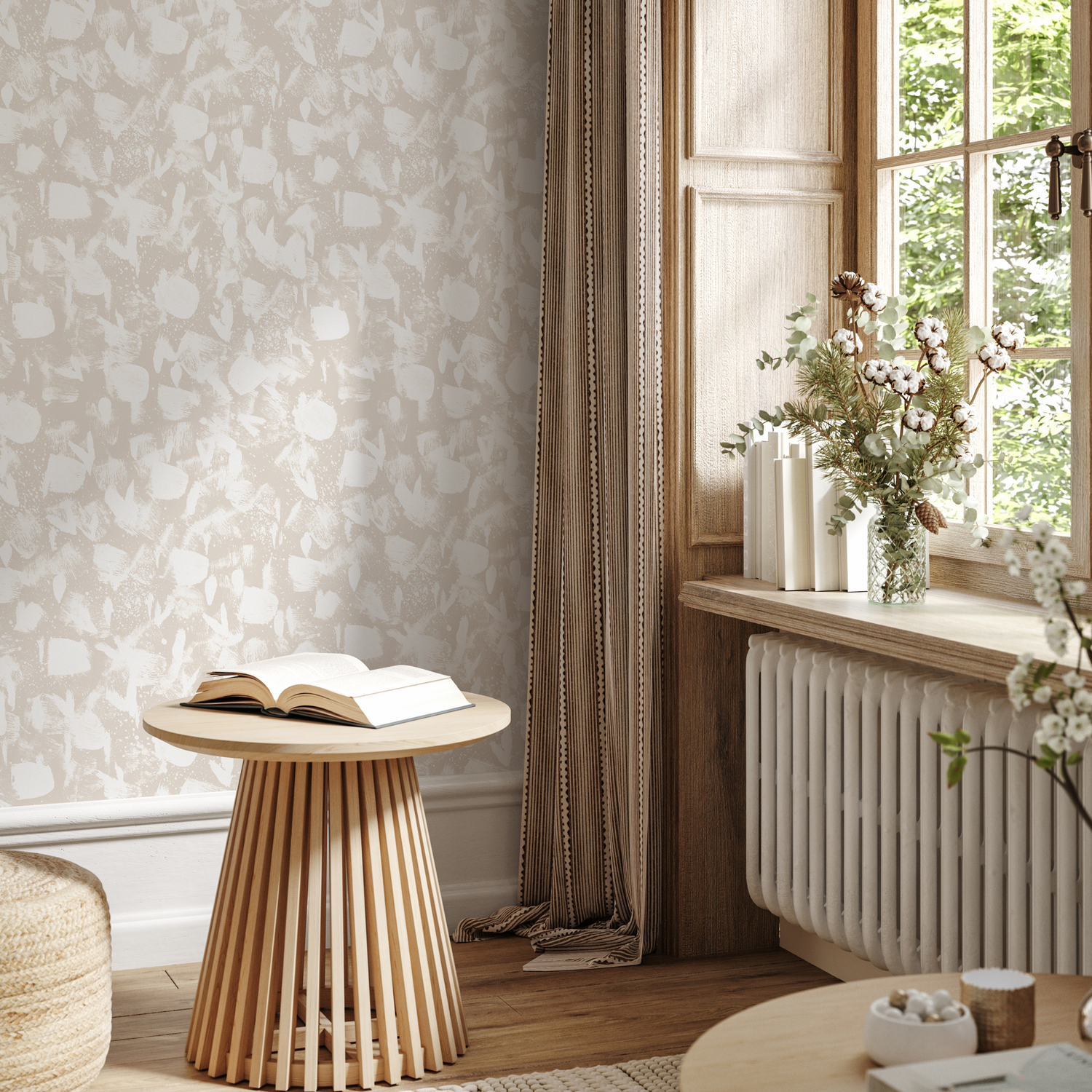
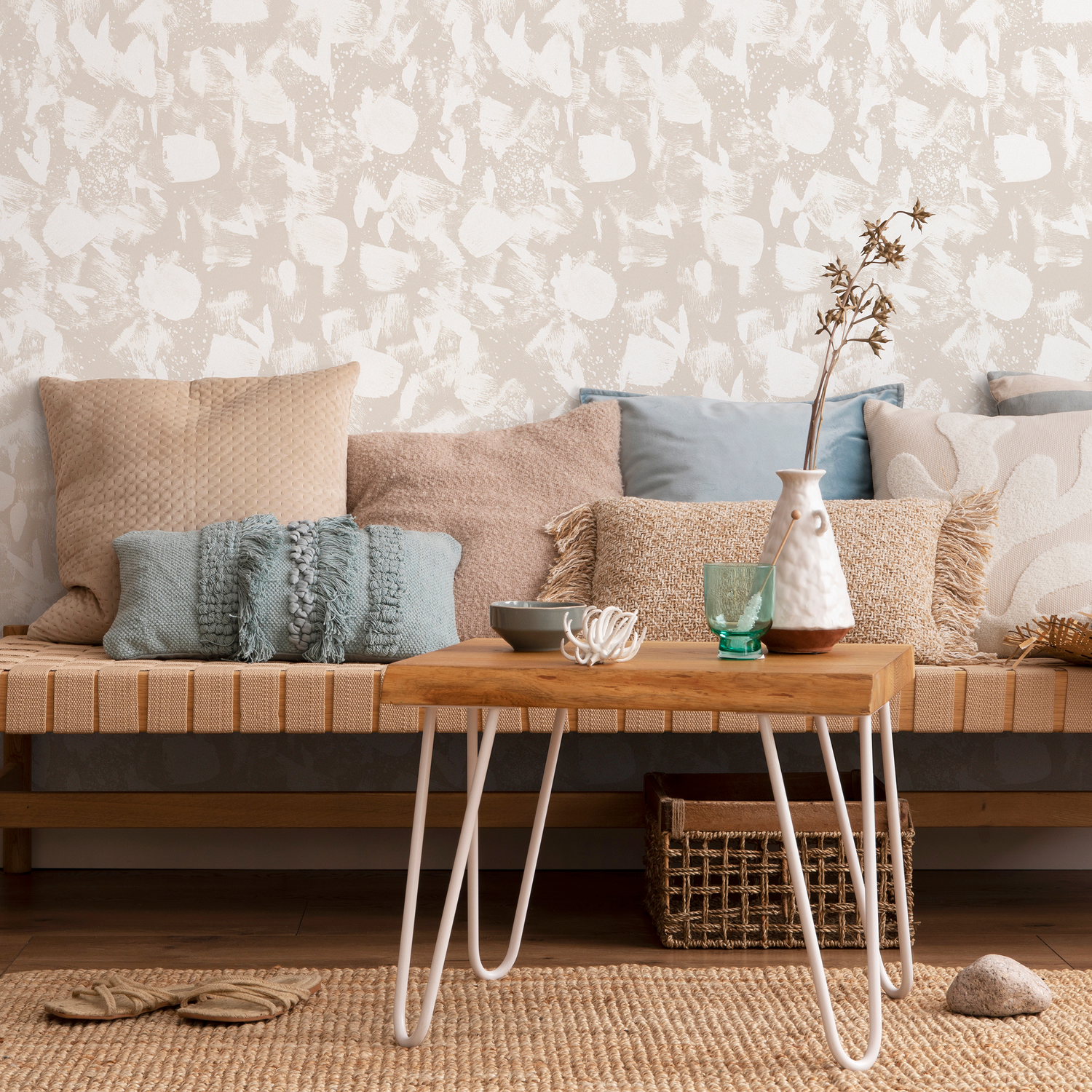

• Ideal as living room wallpaper, bedroom wall decor, or a dining room accent wall.
• Pairs beautifully with Japandi, minimalist, and modern farmhouse furniture.
• Complements walls painted in warm gray, soft white, or muted sage green.
• Available in custom wallpaper sizes to guarantee a perfect fit for any room.
• Choose from premium peel and stick or traditional wallpaper options for your project.
• Our damage-free removal makes this the perfect temporary wall decor for rentals.
• Ask about personalized wallpaper options, including custom colors or scale.
• Proudly Made in the USA with non-toxic inks and eco-friendly materials.
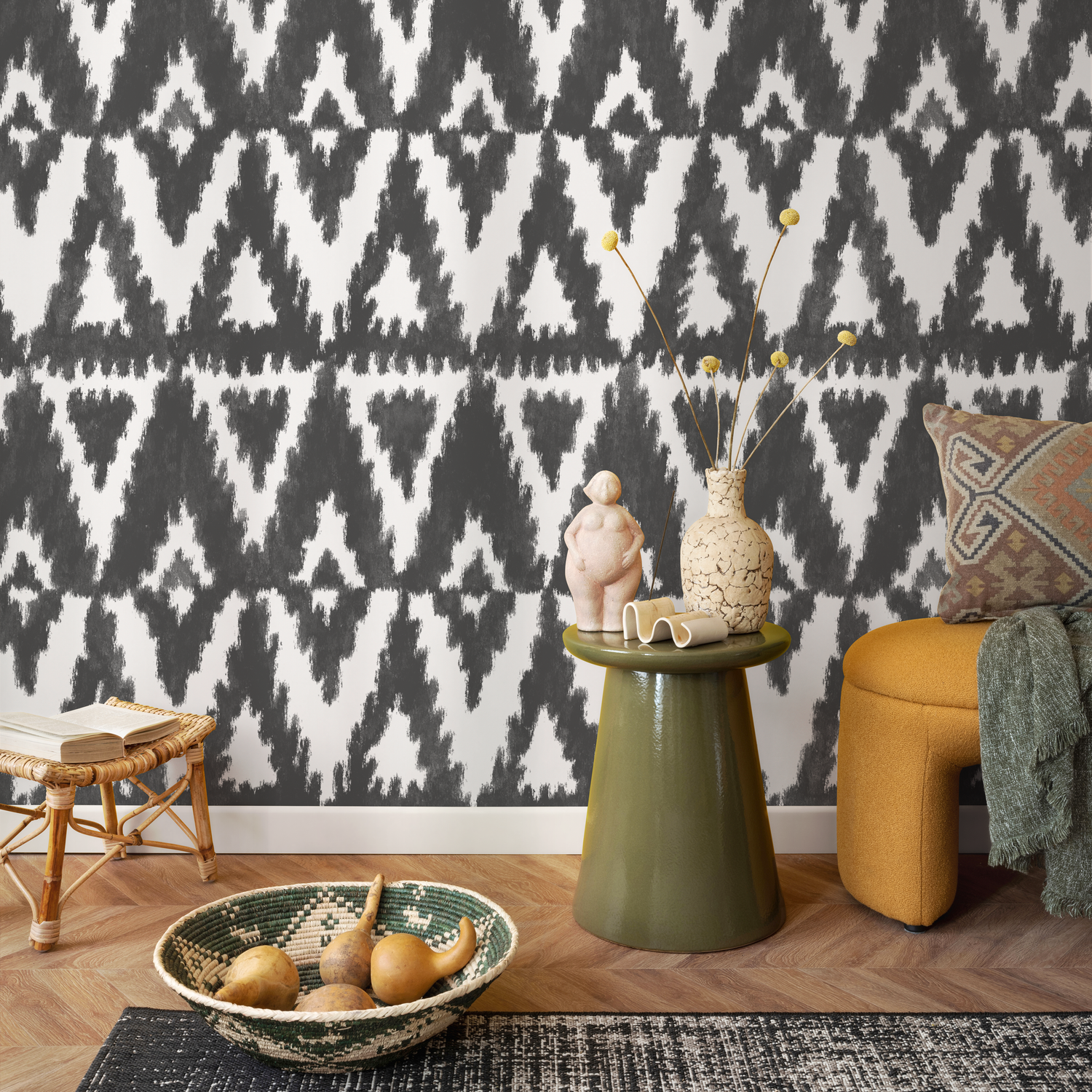
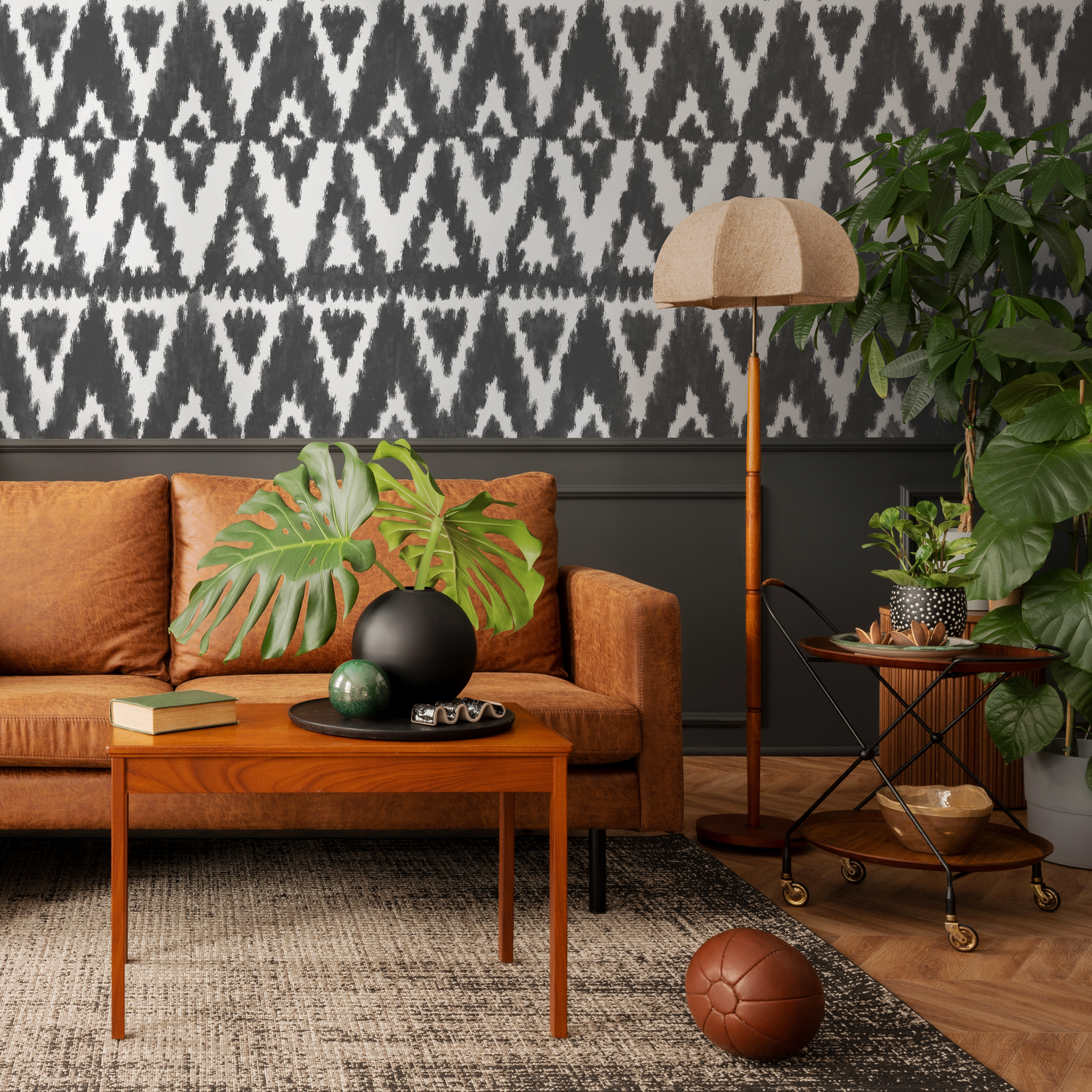

• Ideal for a living room wallpaper, bedroom wall decor, or a bold entryway.
• Pairs beautifully with bohemian, modern, or minimalist home decor and furniture.
• Complements neutral paint schemes like warm grays, beige, or rich earthy tones.
• Available in custom wallpaper sizes for a perfect fit on any wall in any room.
• Choose from premium peel and stick or traditional wallpaper for lasting quality.
• Our damage-free removal makes this the perfect temporary wall decor for renters.
• Request personalized wallpaper with custom color options for unique wall art.
• Proudly Made in the USA with eco-friendly, non-toxic, sustainable materials.
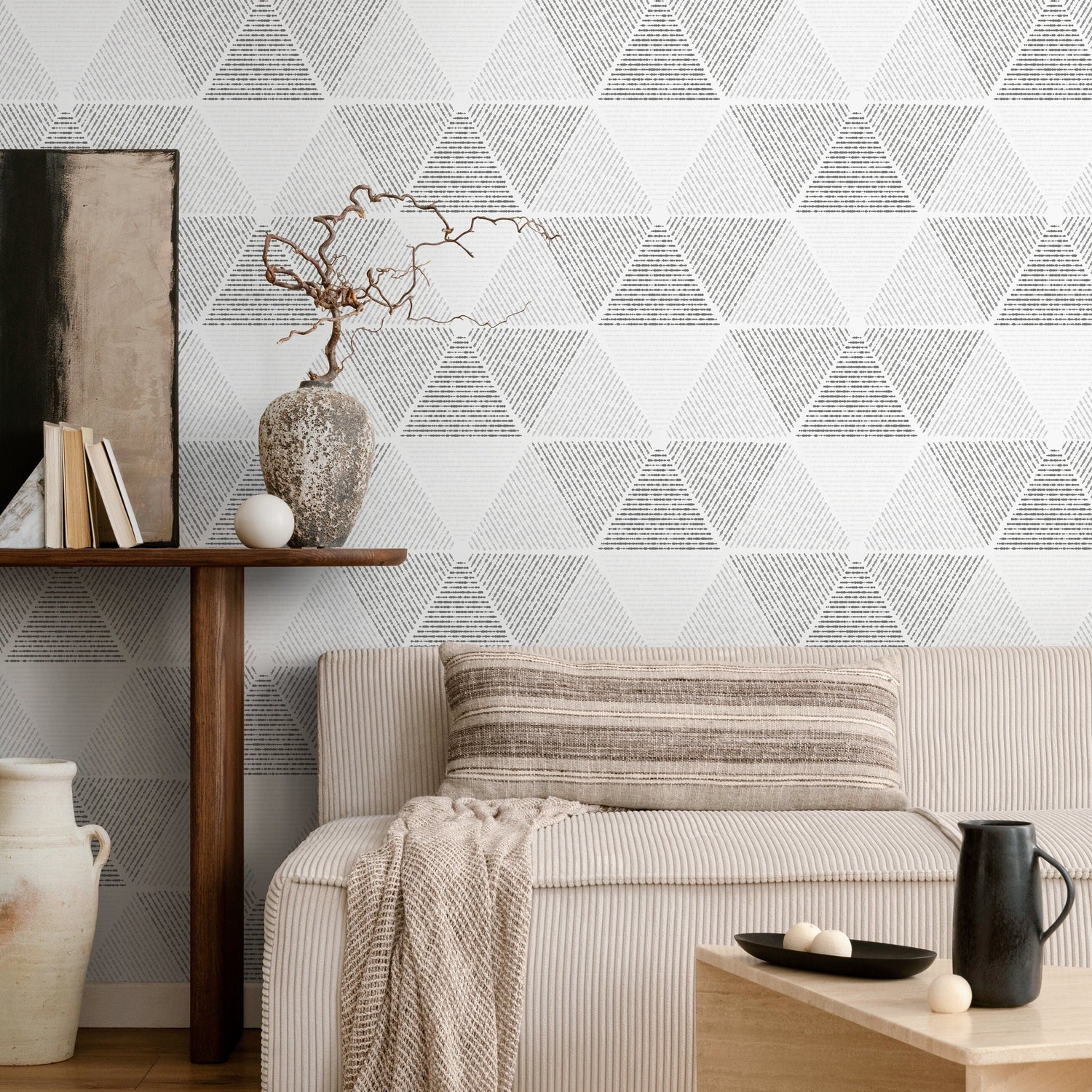
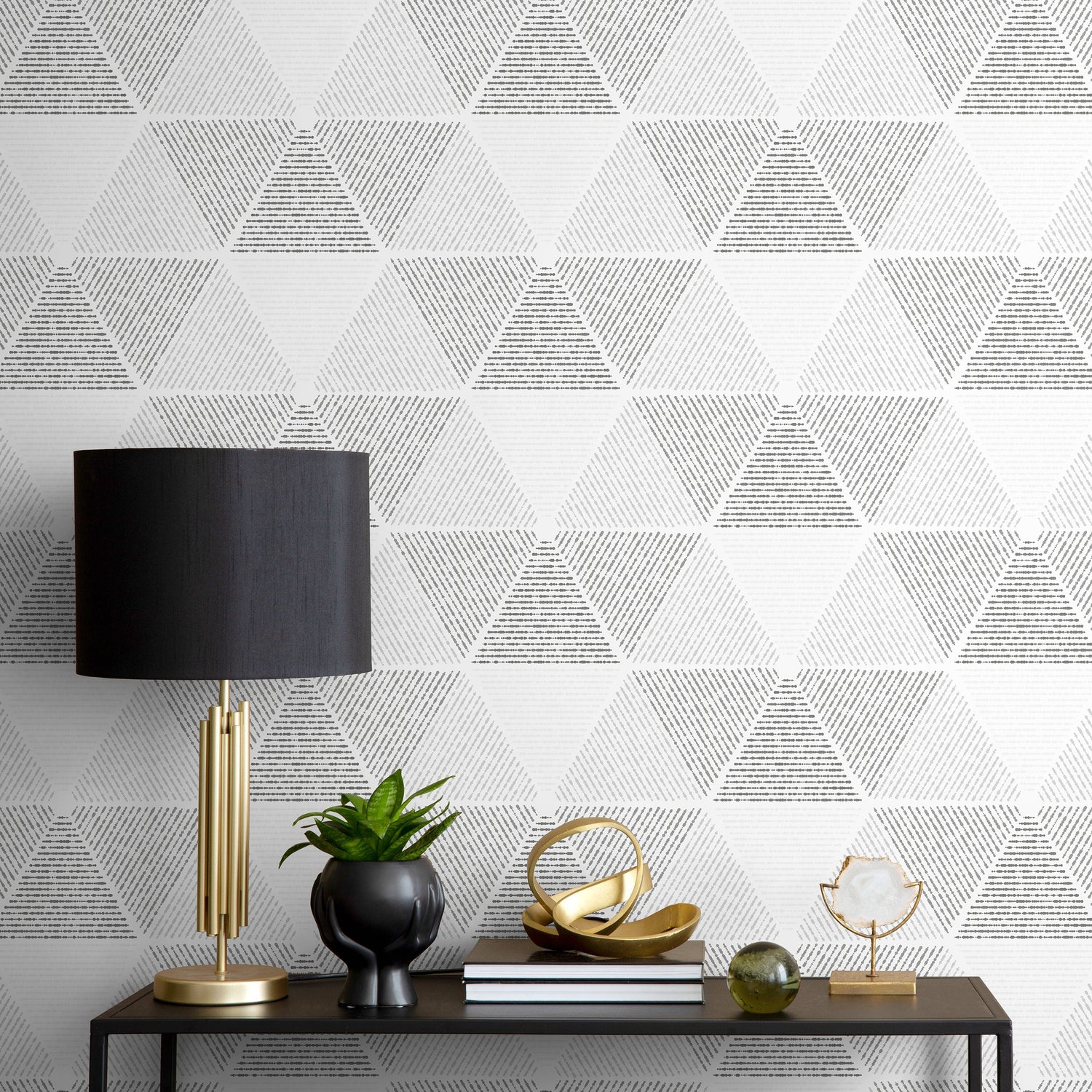

• Ideal for living room wallpaper, bedroom wall decor, or a modern office accent wall.
• Pairs perfectly with modern furniture, minimalist design, and Japandi style decor.
• Complements walls painted in warm gray, charcoal black, or crisp off-white tones.
• Available in custom wallpaper sizes to guarantee the perfect fit for any room size.
• Offered in premium peel and stick or traditional wallpaper for your desired finish.
• Our damage-free removal makes this ideal for rental properties and temporary decor.
• Request personalized wallpaper with custom color options for a bespoke wall art look.
• Proudly Made in the USA with eco-friendly, non-toxic, and sustainable materials.
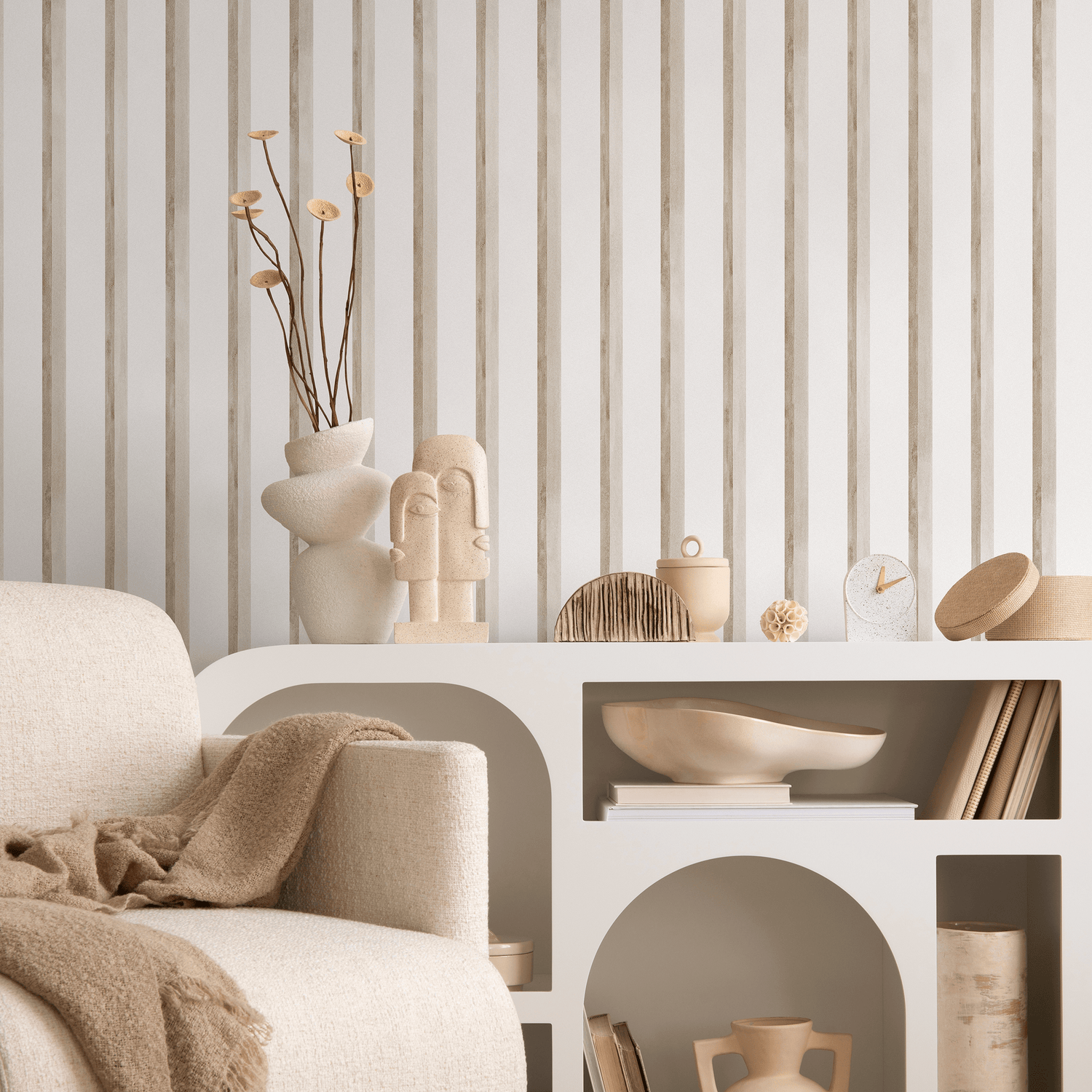
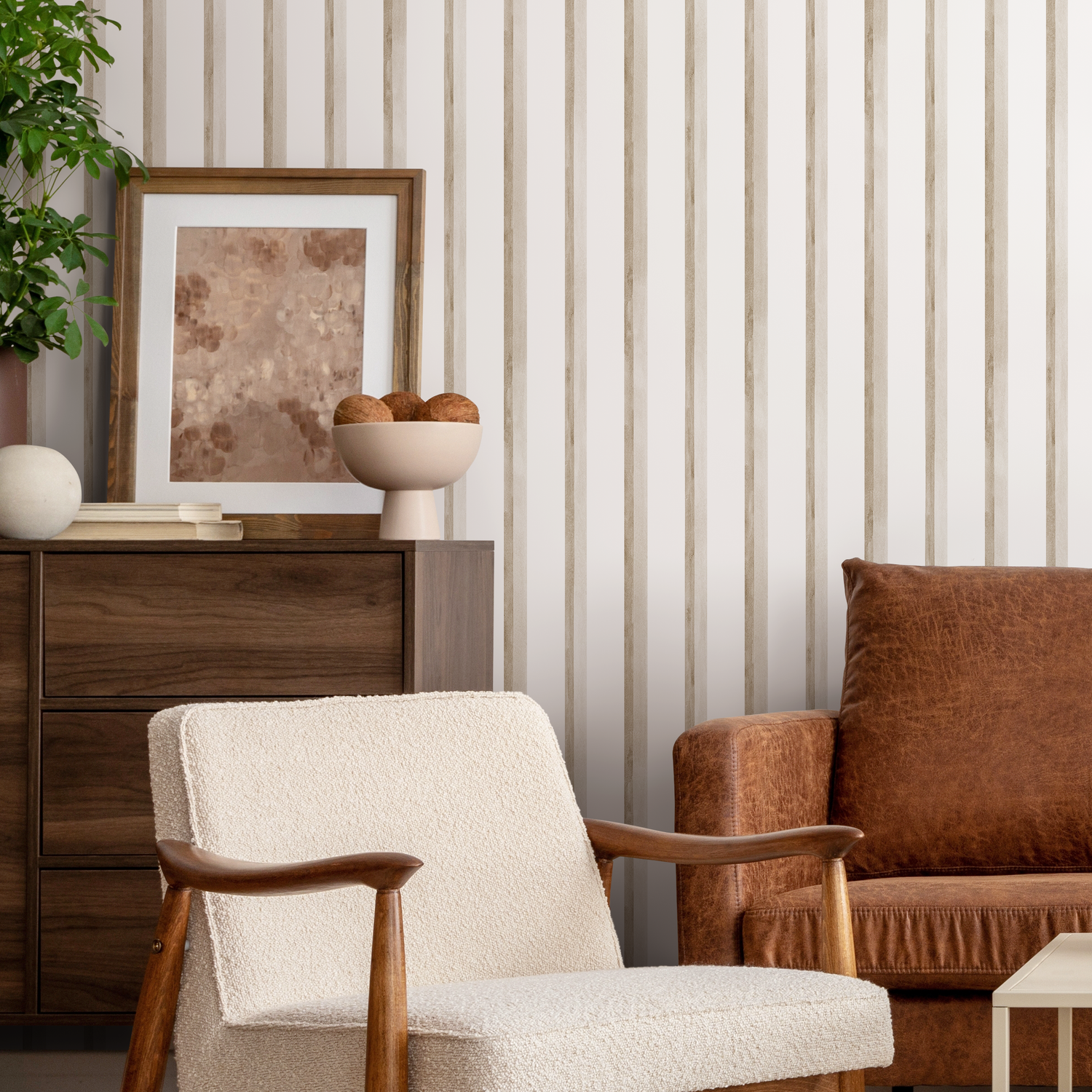

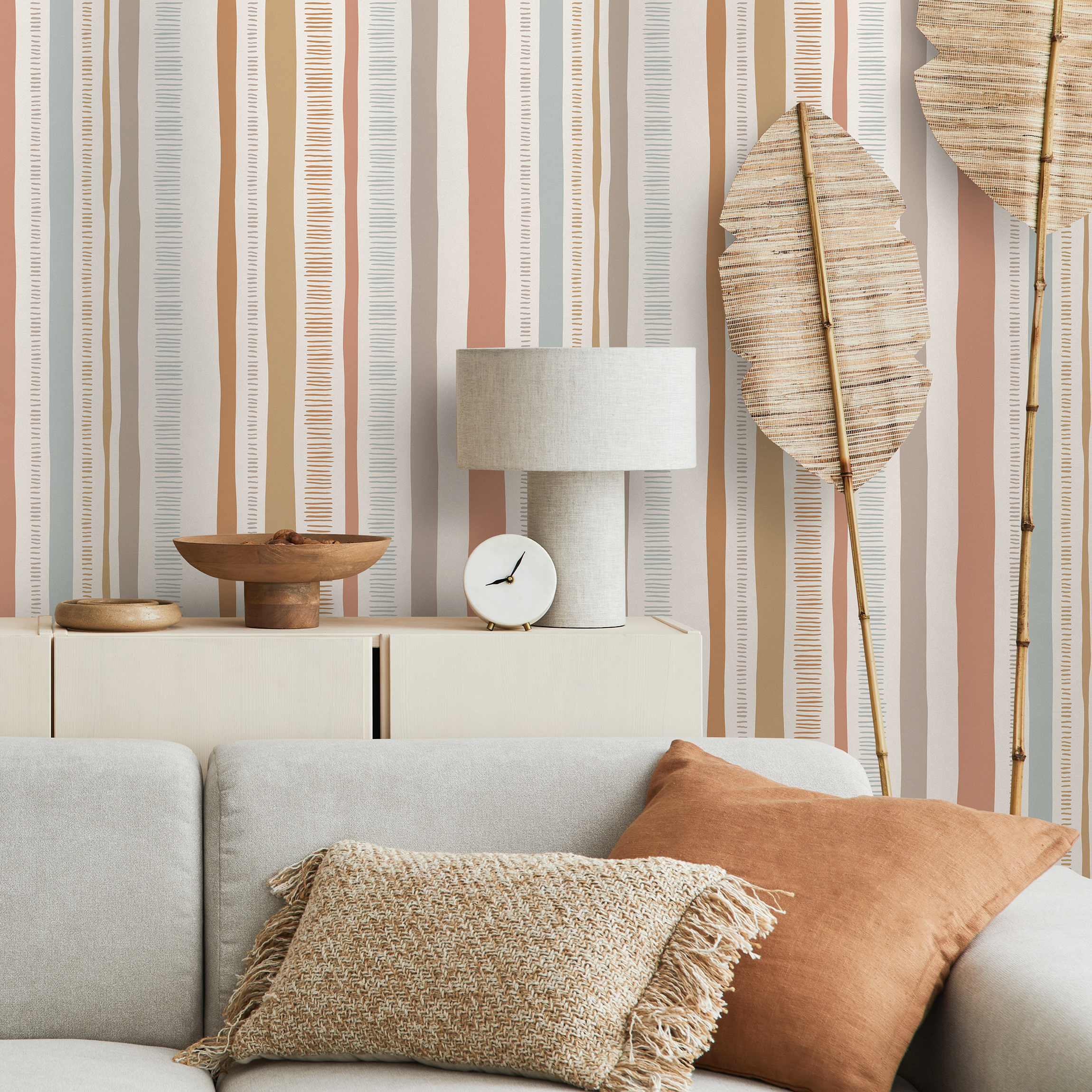
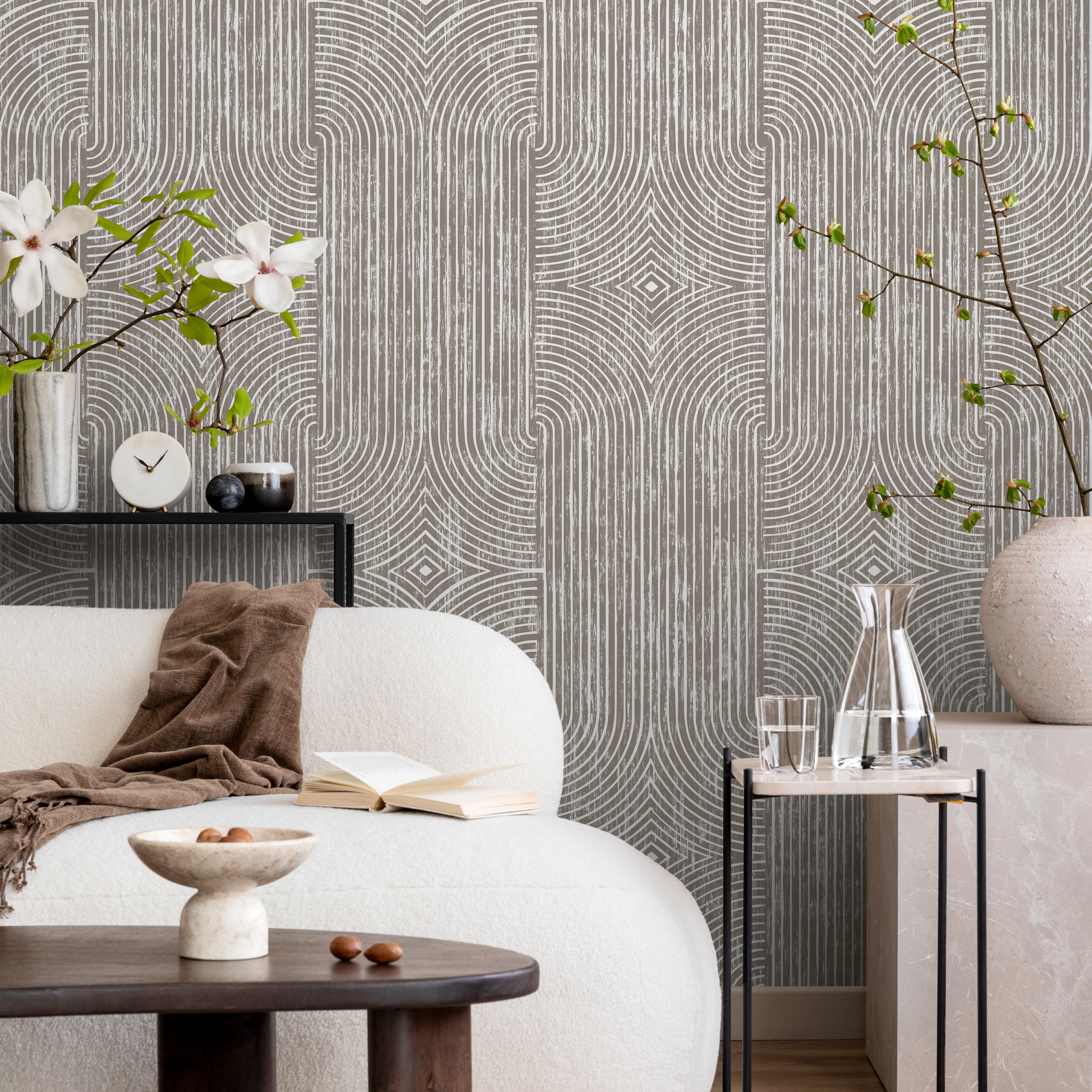
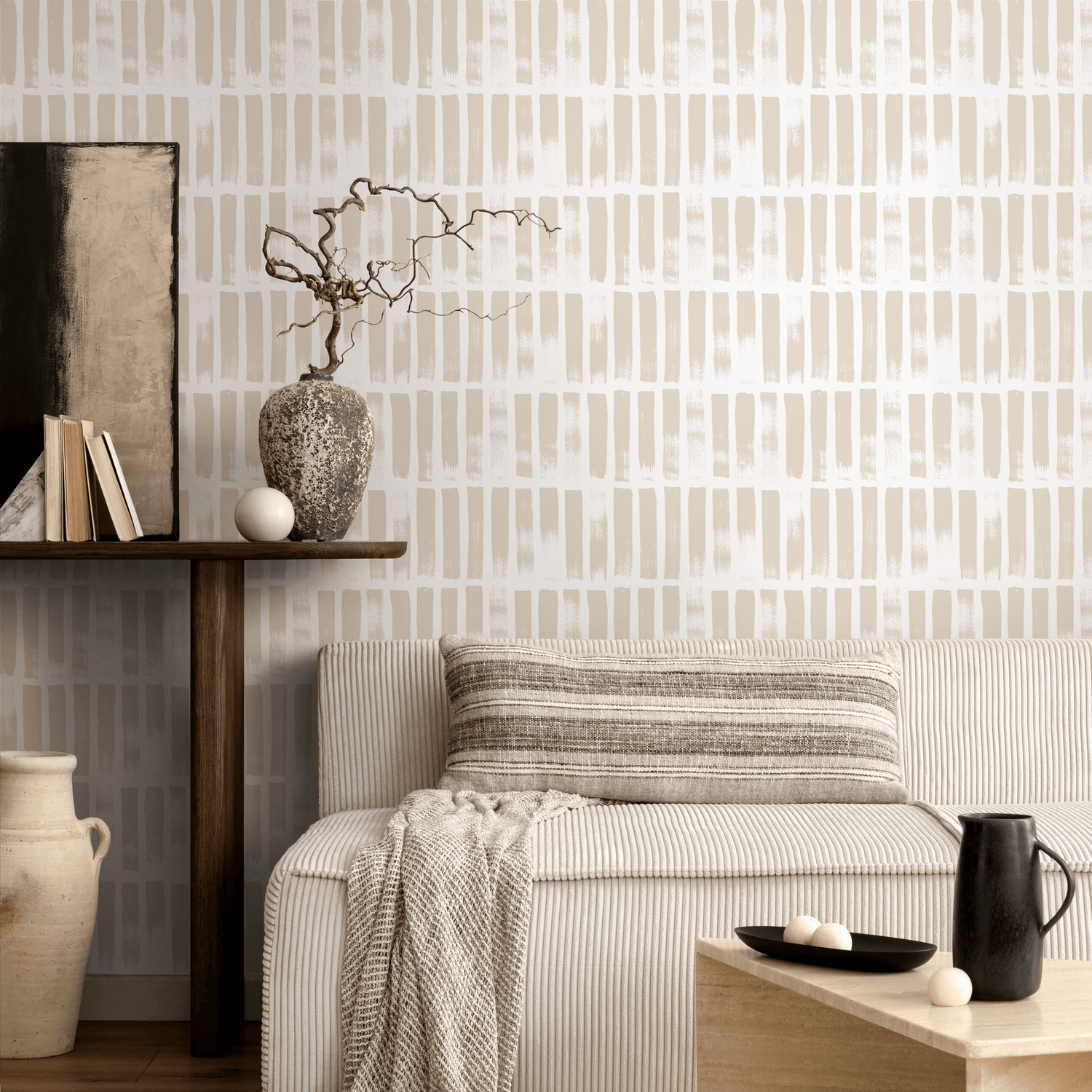
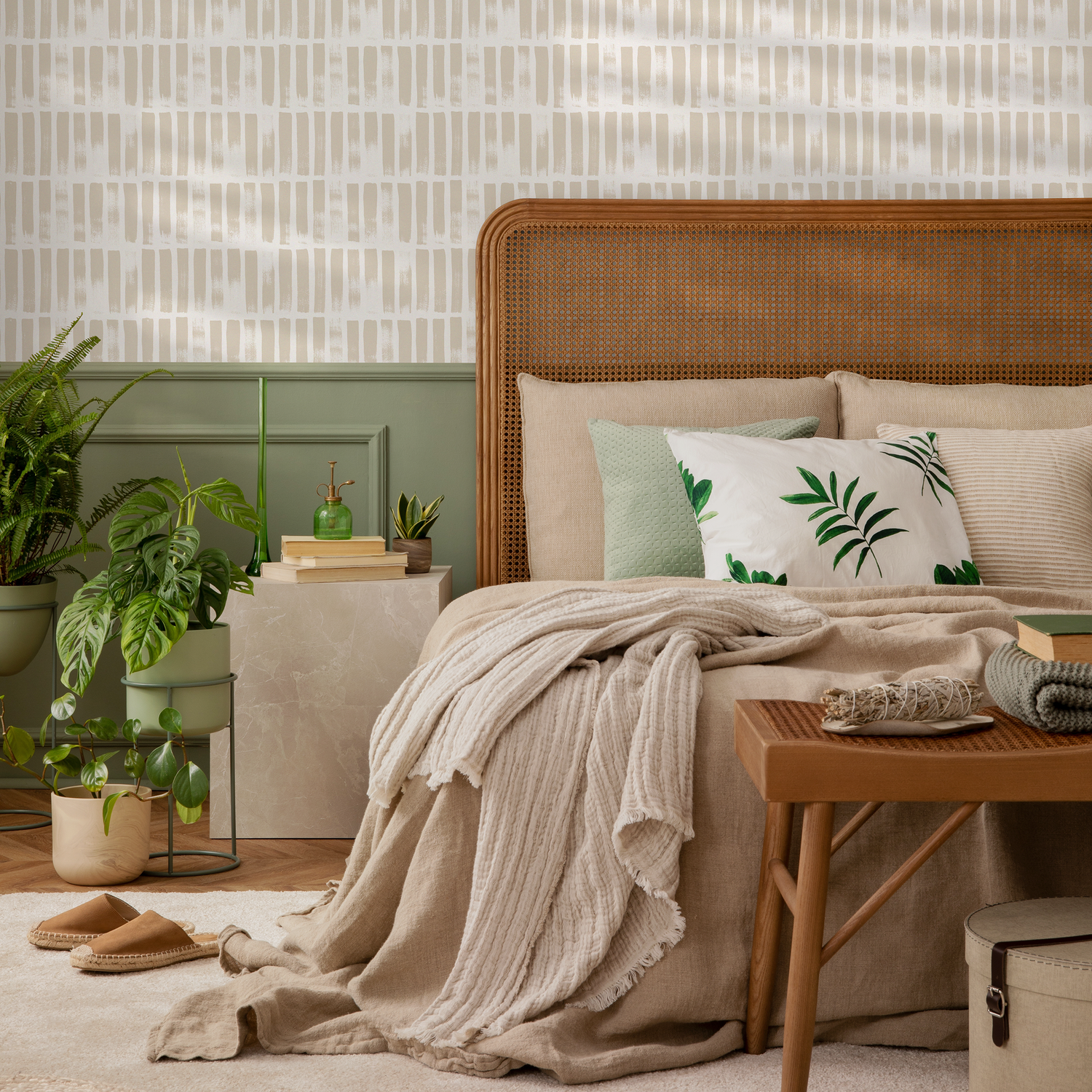
Minimalist Striped Wallpaper with Vertical Textured Stripes in Beige and Taupe - C967
• Perfect for living room wallpaper, bedroom wall decor, or a hallway accent wall.
• Pairs beautifully with minimalist design, modern furniture, and Japandi decor.
• Complements walls painted with warm gray, soft white, or muted greige tones.
• Available in custom wallpaper sizes for a perfect fit in any room, large or small.
• Choose from premium peel and stick or traditional wallpaper for lasting quality.
• Enjoy damage-free removal, making it a perfect rental property friendly choice.
• Request personalized wallpaper with custom color options for bespoke wall art.
• Proudly Made in the USA with eco-friendly, non-toxic, sustainable materials.
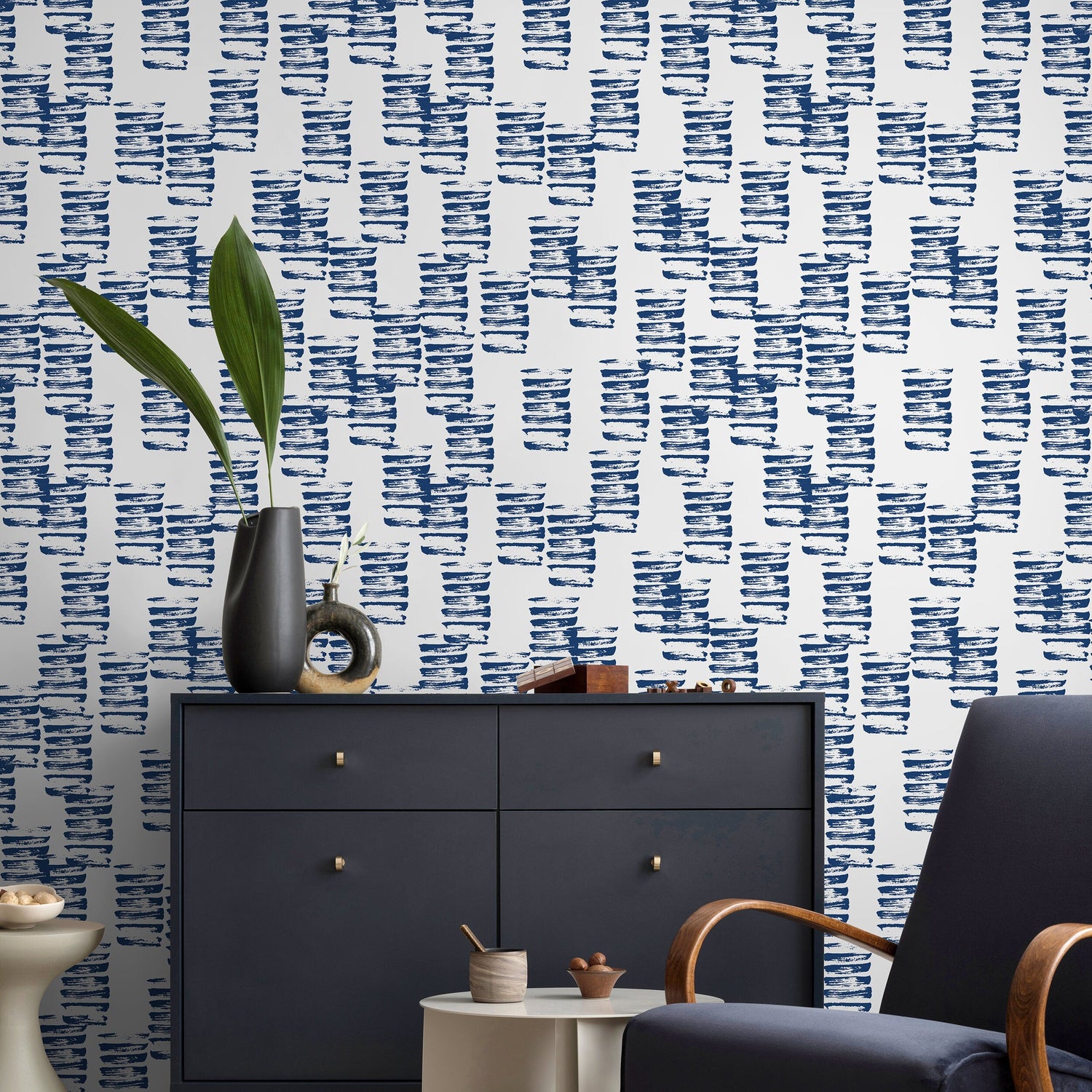
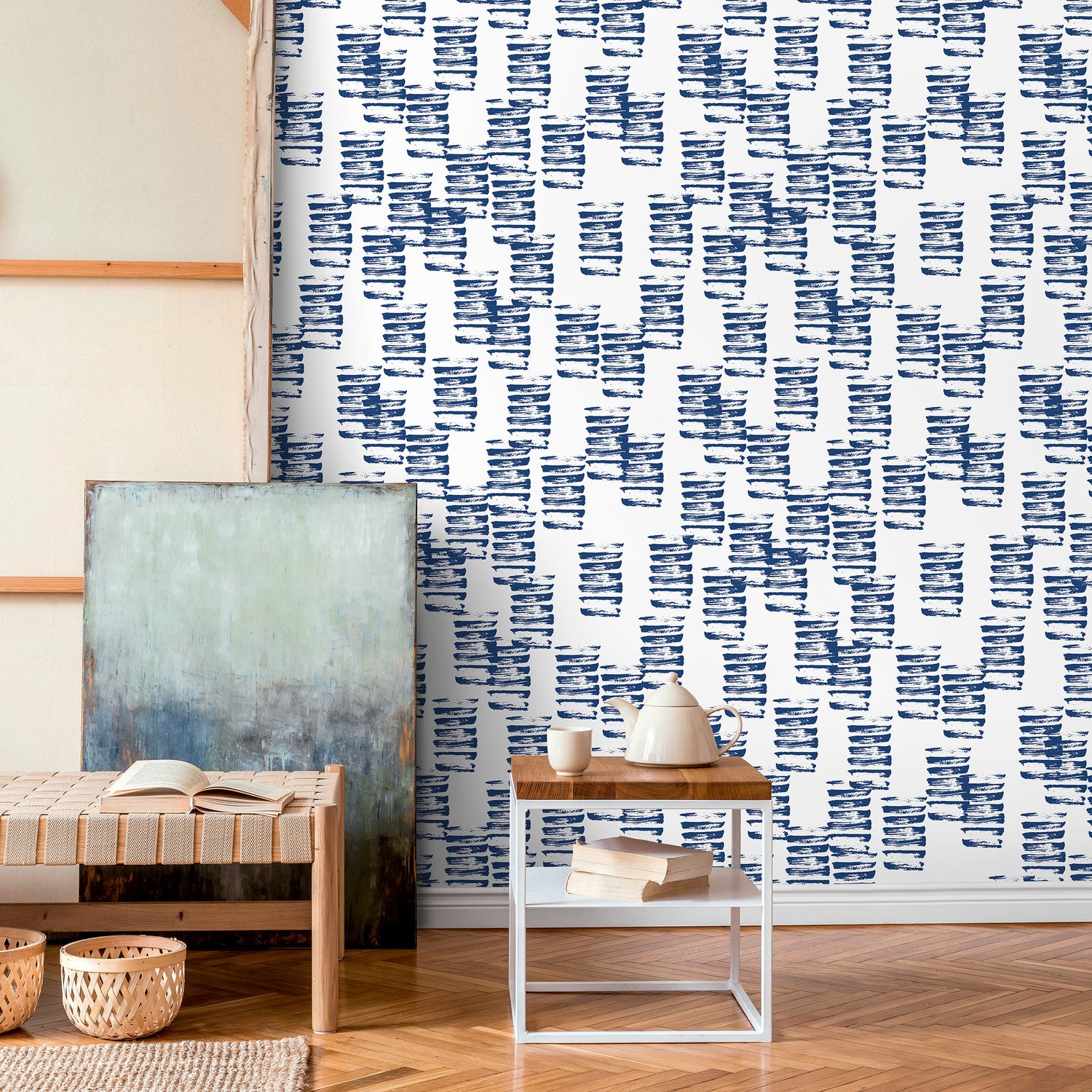

• Ideal for a living room wallpaper, bedroom accent wall, or modern office decor.
• Pairs beautifully with modern, minimalist, or Scandinavian style furniture.
• Complements walls painted in soft gray, crisp white, or warm beige tones.
• Available in custom wallpaper sizes to ensure a perfect fit for any room.
• Choose from premium peel and stick or traditional unpasted wallpaper options.
• Our removable wallpaper ensures damage-free walls, perfect for rental properties.
• Request personalized wallpaper with custom color options for bespoke wall art.
• Proudly Made in the USA with eco-friendly, non-toxic, sustainable materials.
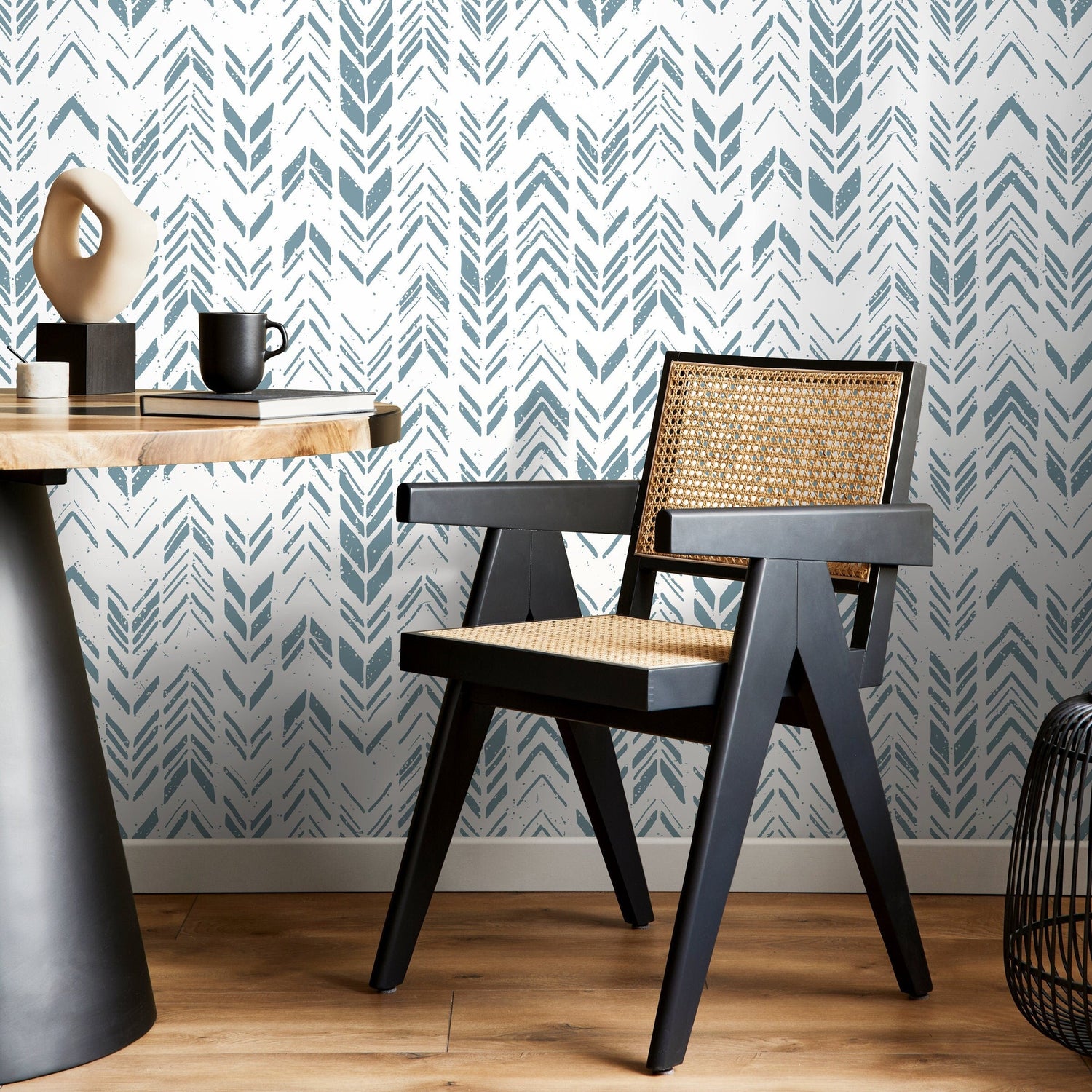
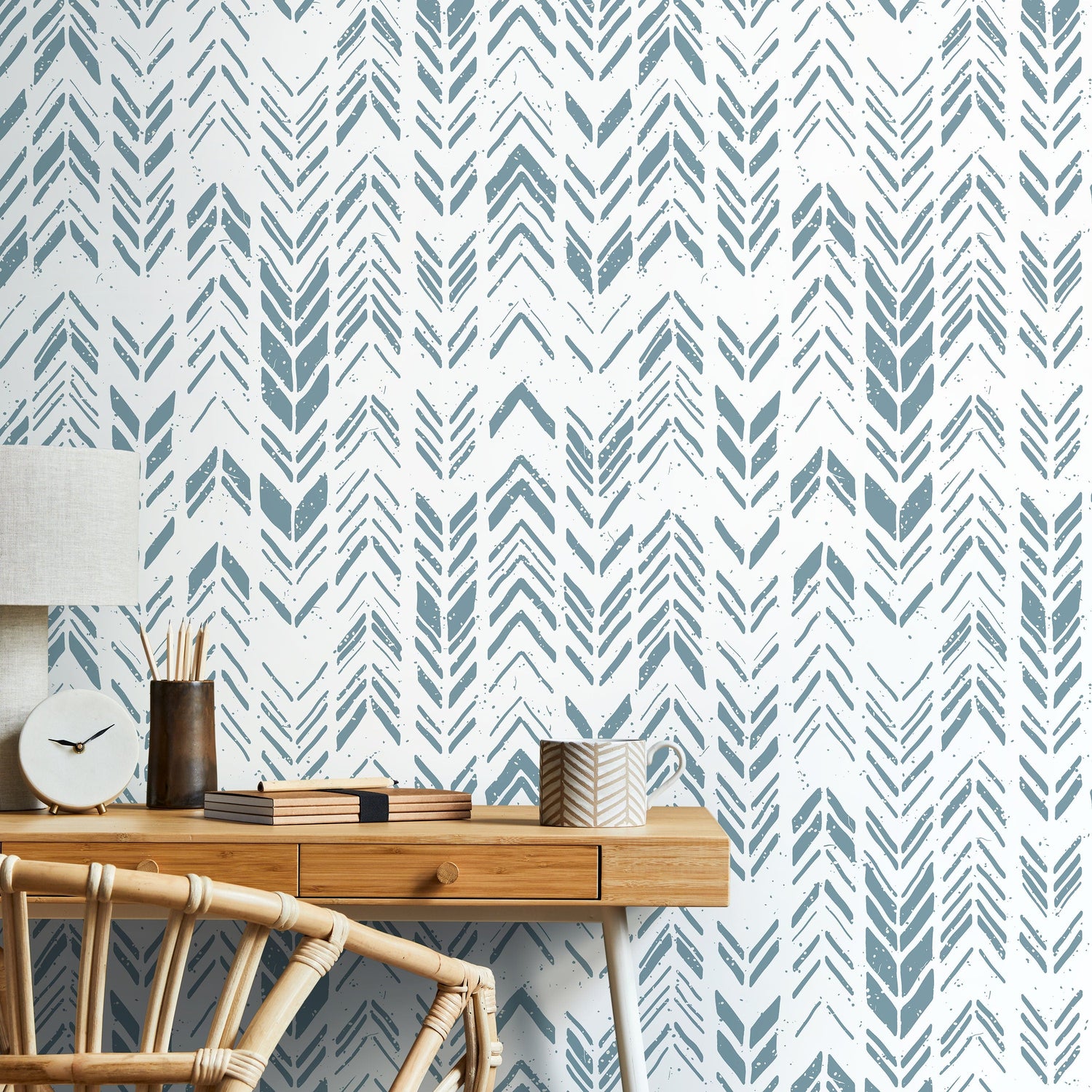

• Perfect for a living room wallpaper, bedroom wall decor, or a dining room accent wall.
• Pairs beautifully with minimalist design, Scandi decor, and modern farmhouse furniture.
• Complements walls painted in soft white, charcoal gray, or warm greige tones.
• Our custom wallpaper sizes are available to ensure a perfect fit for any room size.
• Choose from premium peel and stick or traditional wallpaper for a lasting finish.
• Offers damage-free removal, making it the ideal temporary wall decor for rentals.
• Ask about personalized wallpaper and custom color options for bespoke wall art.
• Proudly Made in the USA with non-toxic materials for sustainable home decor.
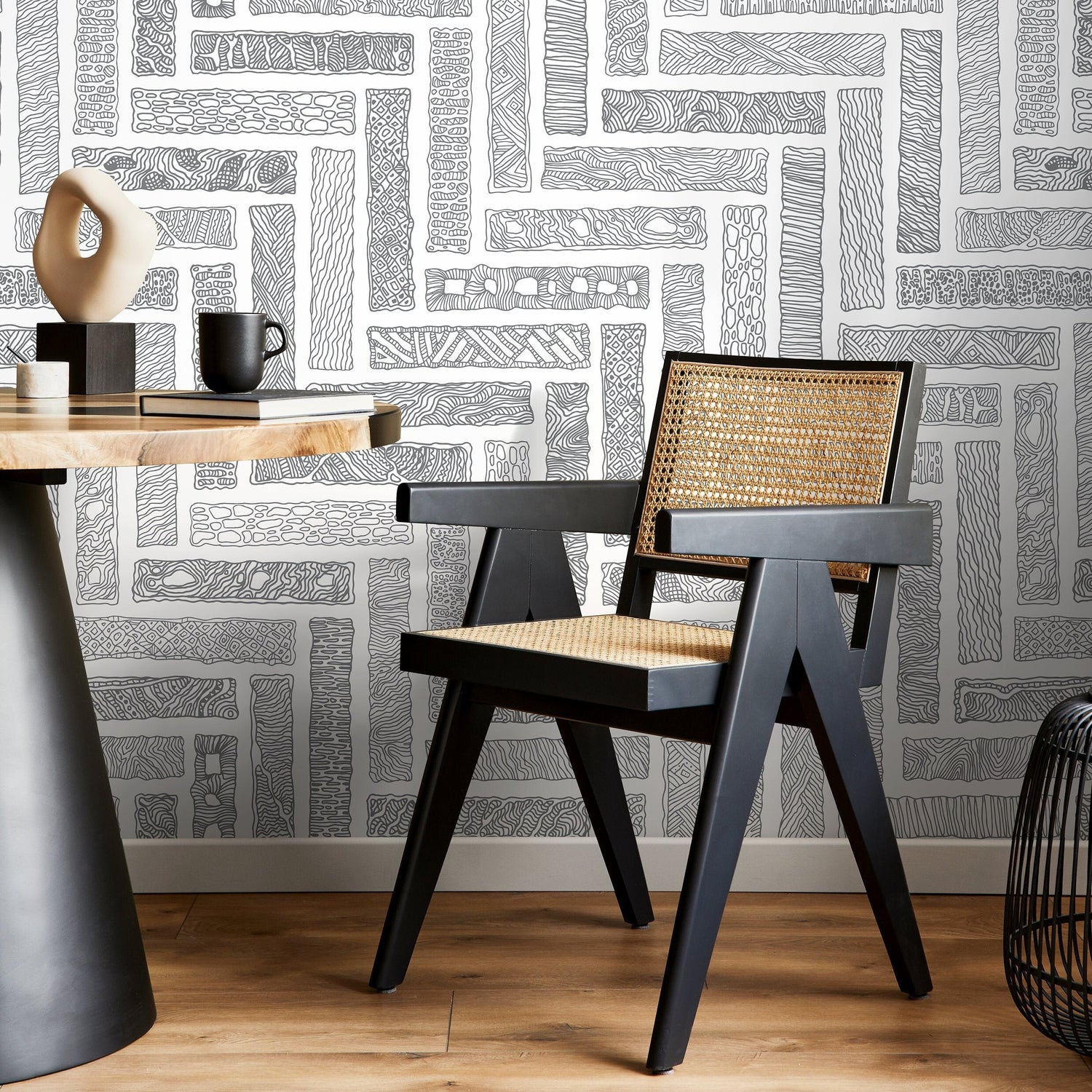
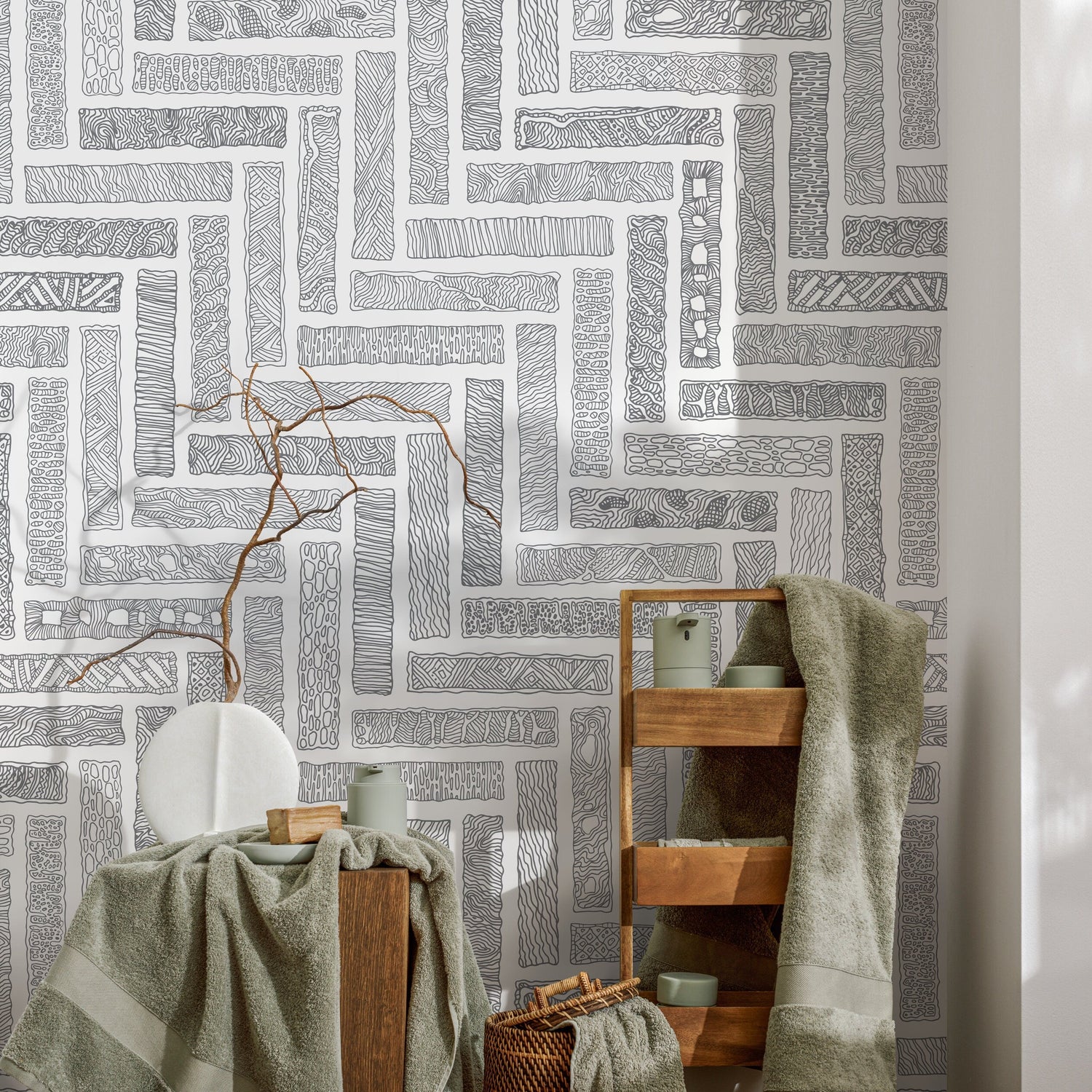

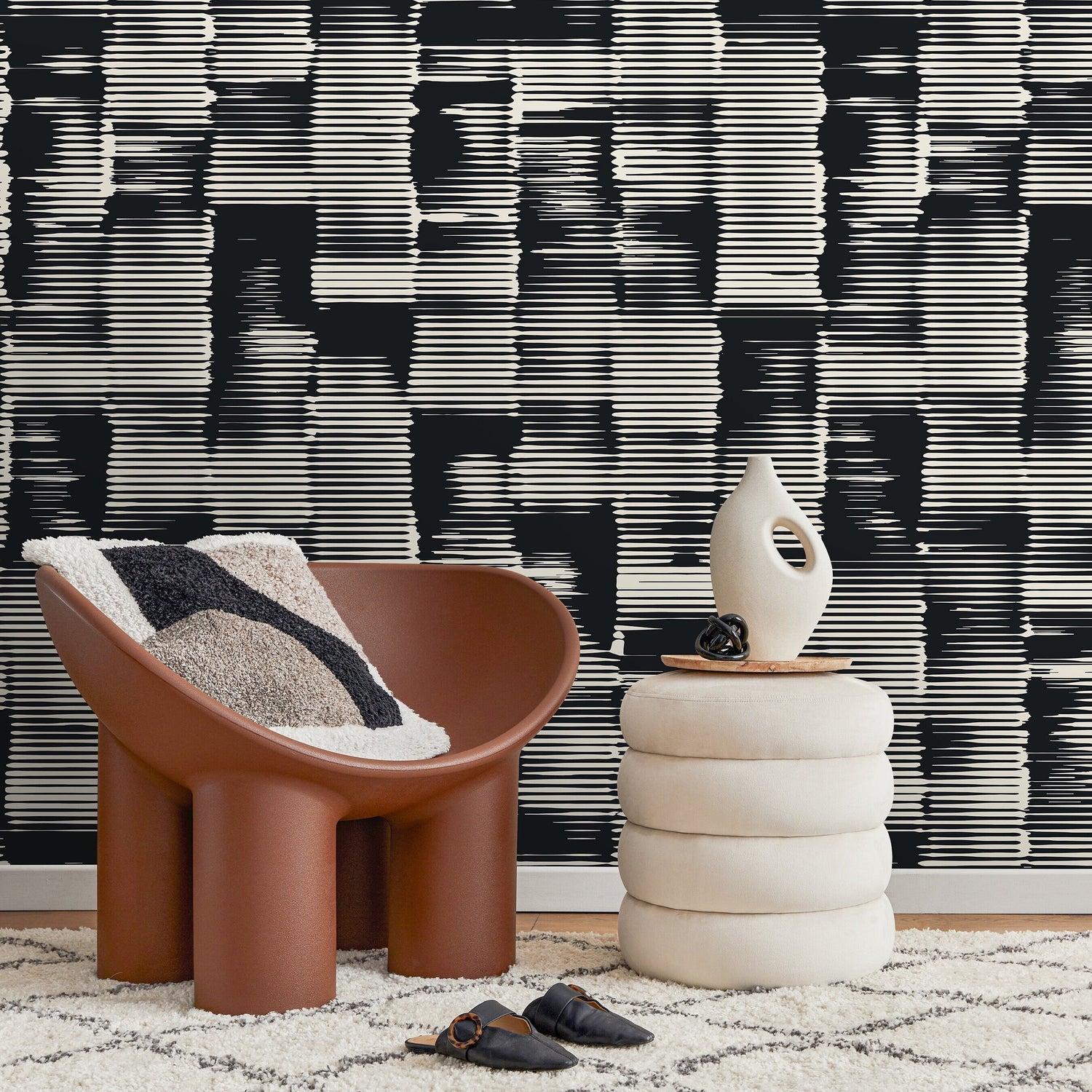
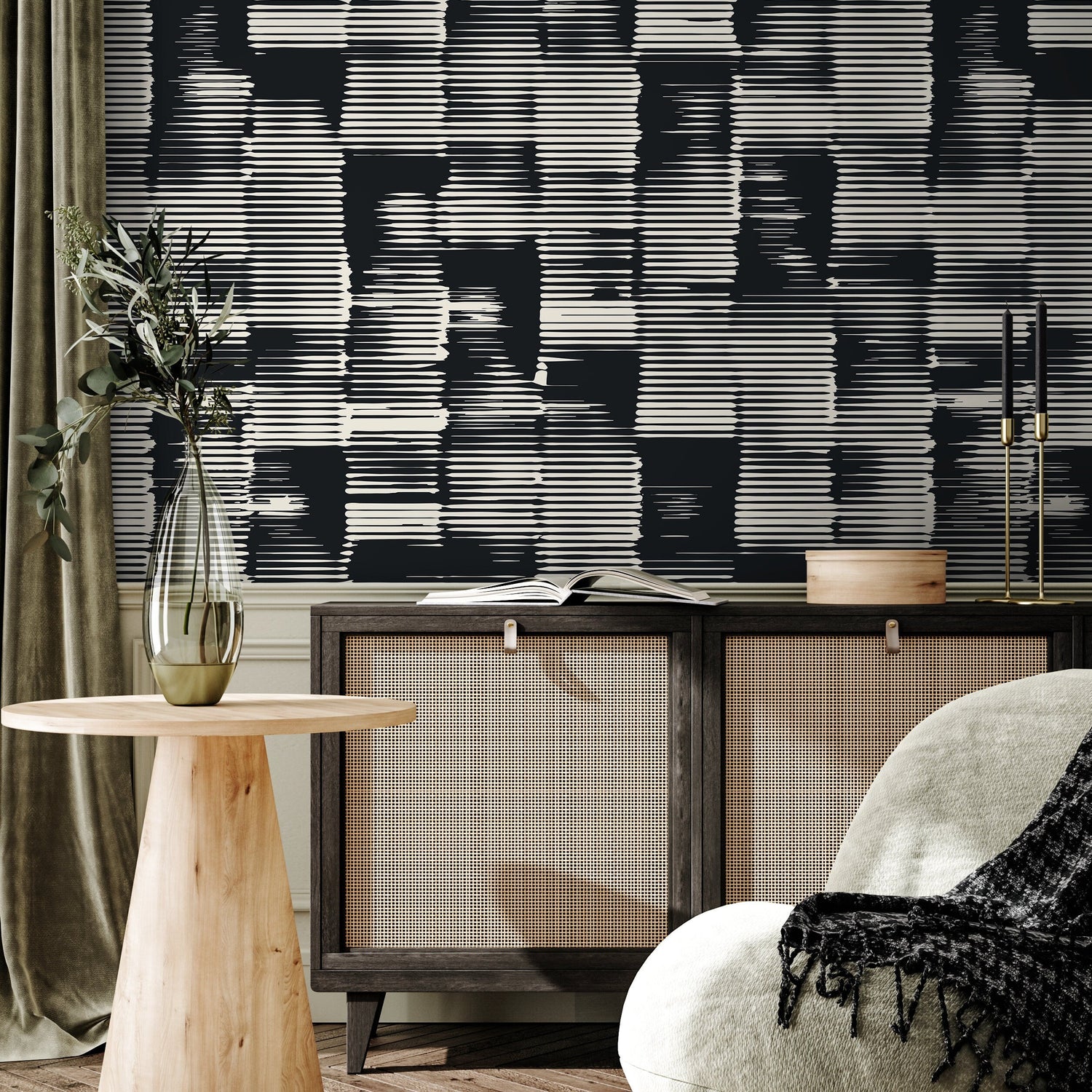
Abstract Wallpaper with Hand-Drawn Textured Blocks in Black and White - A533
• Ideal as living room wallpaper, bedroom wall decor, or a home office accent wall.
• Pairs beautifully with minimalist, Scandinavian, modern, and Japandi style furniture.
• Complements walls painted with warm gray, charcoal black, or natural wood tones.
• Available in custom wallpaper sizes for a perfect fit on any wall, large or small.
• Choose from premium peel and stick or traditional unpasted wallpaper options.
• Features damage-free removal, making it the perfect temporary wall decor for rentals.
• Request personalized wallpaper with custom color options for bespoke wall art.
• Proudly Made in the USA with eco-friendly, non-toxic, and sustainable materials.

• Ideal as living room wallpaper, bedroom wall decor, or a home office accent wall.
• Pairs perfectly with modern furniture, minimalist design, and eclectic decor styles.
• Complements walls painted in charcoal gray, deep navy blue, or crisp off-white.
• Available in custom wallpaper sizes to guarantee a perfect fit for any room.
• Offered in premium peel and stick and traditional wallpaper material options.
• Features damage-free removal, making it ideal for rental property friendly decor.
• Contact us for personalized wallpaper options like custom colors or design scale.
• Proudly Made in the USA using eco-friendly, non-toxic, sustainable materials.
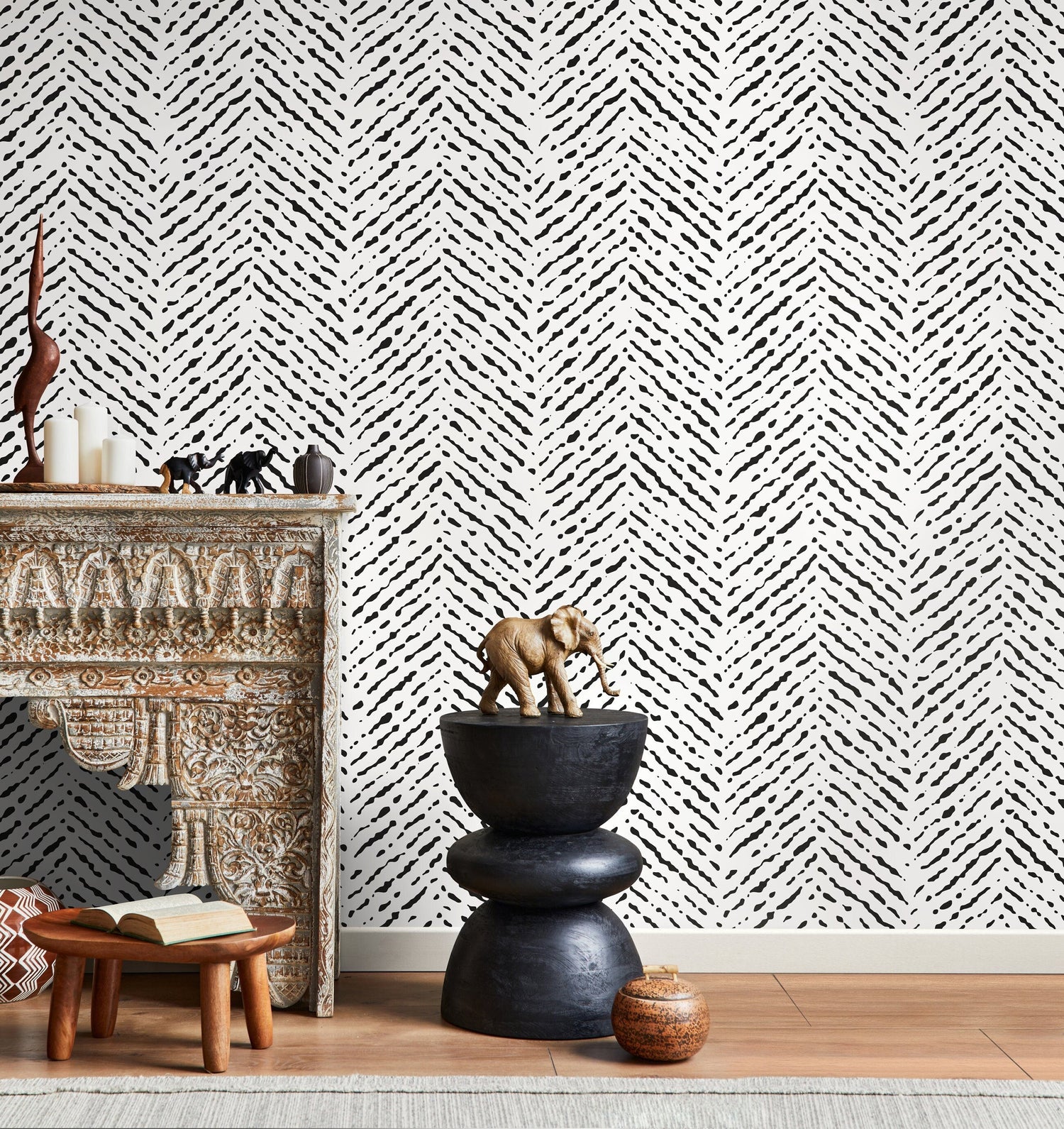
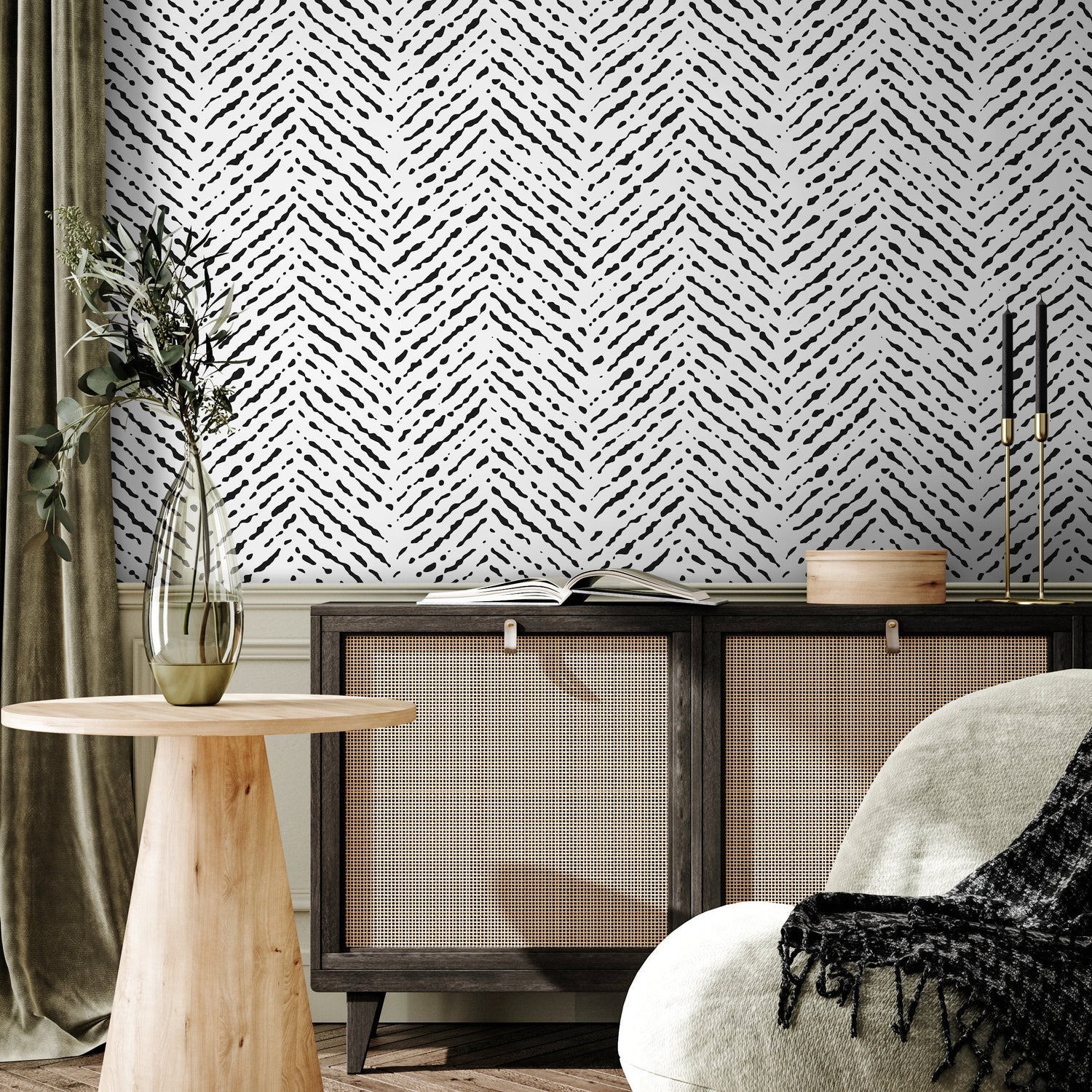

• Perfect for a living room wallpaper, bedroom accent wall, or modern office decor.
• Pairs beautifully with modern, bohemian, or Scandinavian furniture and decor.
• Complements walls painted in warm gray, sage green, or bold charcoal tones.
• Available in custom wallpaper sizes to guarantee a perfect fit for any room.
• Choose from premium peel and stick or traditional wallpaper options for your project.
• Our renter-friendly design allows for easy, damage-free removal from any wall.
• Request personalized wallpaper with custom color options for a bespoke wall art look.
• Proudly Made in the USA with non-toxic, eco-friendly and sustainable materials.
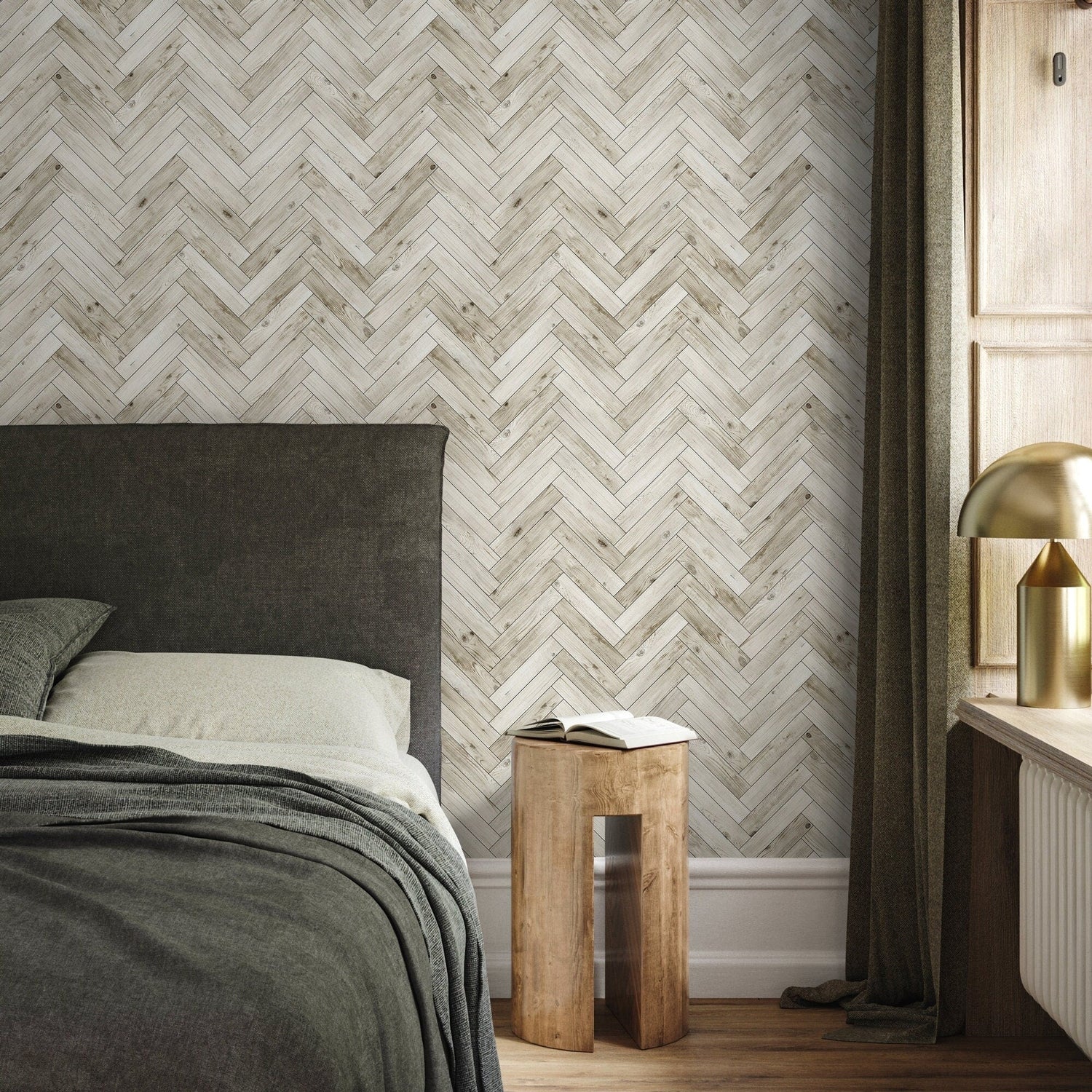
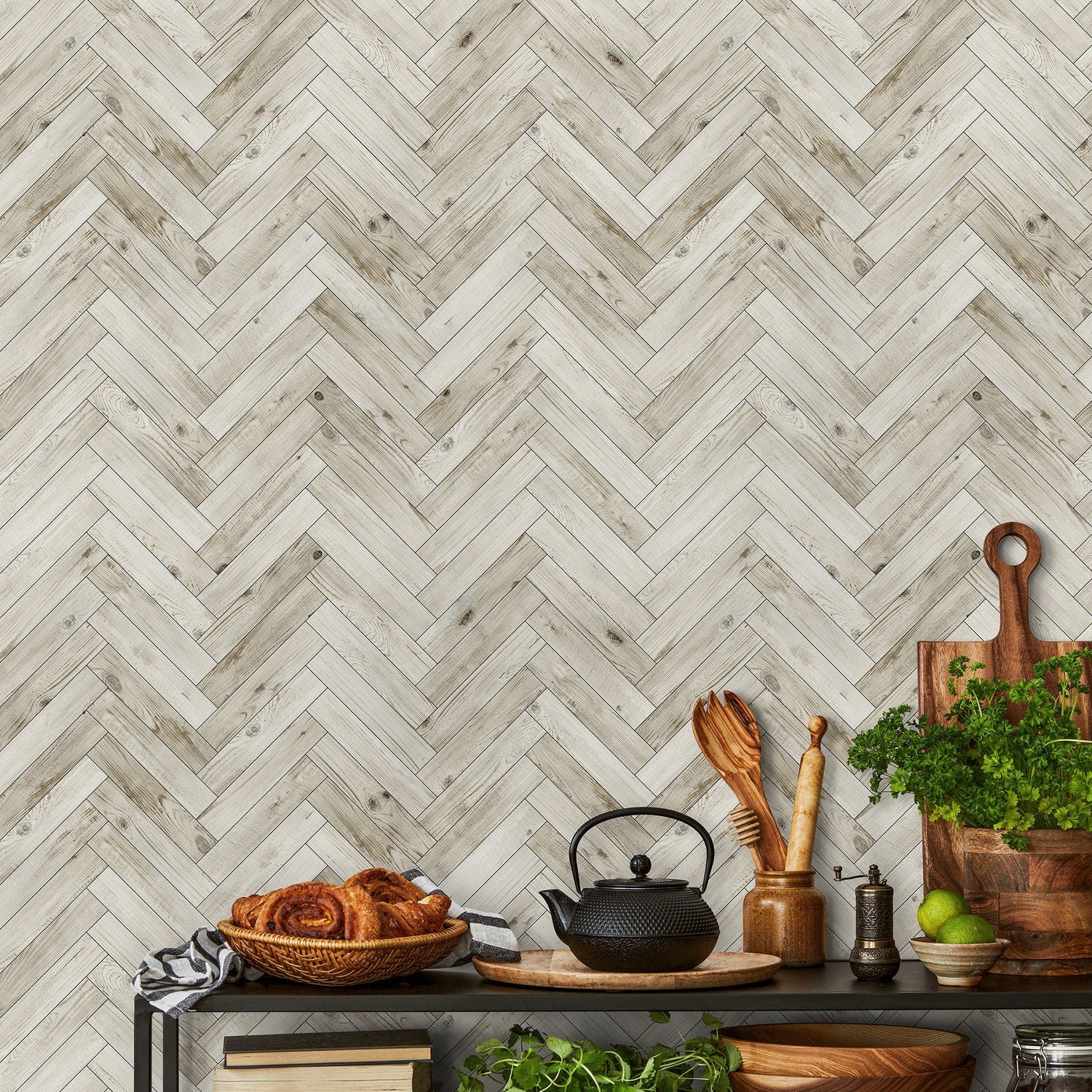

Introduce warmth and sophisticated texture to your space with our Wood Herringbone Wallpaper. This elegant design features a realistic herringbone pattern in soft beige and brown tones, perfect for creating a stunning and contemporary focal point. This wood wallpaper is an excellent choice for anyone looking to add a touch of rustic charm or Scandinavian simplicity to their home decor, instantly elevating the ambiance of any room. Crafted for convenience and style, this removable wallpaper makes home renovation effortless. The peel and stick application is simple, allowing you to transform your interior design without professional help. Ideal as wall art for a living room, a cozy bedroom backdrop, or a unique office accent, this wallpaper provides a high-end look. Its durable, scratch-resistant surface ensures your walls look pristine for years to come, making it a smart investment for long-term home decor. Our commitment to quality and sustainability is unmatched. This peel and stick wallpaper is made in the USA using 100% green energy and features non-toxic, VOC-free inks, ensuring it's safe for your family. The advanced printing technology guarantees sharp details and consistent color, so your modern wood herringbone wallpaper looks exactly as envisioned. Enjoy a seamless, beautiful finish that combines aesthetic appeal with eco-conscious production.
• Ideal for a living room wallpaper, bedroom accent wall, or office wall decor.
• Pairs perfectly with modern, rustic, or Scandinavian style furniture and decor.
• Complements walls painted in warm gray, soft beige, or deep charcoal tones.
• Available in custom wallpaper sizes for a perfect fit on any wall in your home.
• Choose our premium peel and stick or traditional wallpaper for lasting quality.
• Our removable design ensures damage-free removal, perfect for rental properties.
• Request personalized wallpaper with custom color options for bespoke wall art.
• Proudly Made in the USA with eco-friendly, non-toxic, sustainable materials.

• Ideal as living room wallpaper, a bedroom accent wall, or for modern office decor.
• Pairs beautifully with minimalist furniture, industrial decor, and contemporary styles.
• Complements walls painted in charcoal gray, warm white, or even a bold primary color.
• Available in custom wallpaper sizes to ensure a perfect fit for any wall dimension.
• Choose from premium peel and stick or traditional wallpaper for your specific needs.
• Our removable wallpaper ensures damage-free removal, perfect for rental properties.
• Request personalized wallpaper adjustments or custom color options for a unique look.
• Proudly Made in the USA with eco-friendly, non-toxic, sustainable materials.

• Ideal for living room wallpaper, bedroom wall decor, or a hallway accent wall.
• Pairs beautifully with minimalist, Scandinavian, or Japandi style furniture.
• Complements walls painted in warm gray, soft black, or creamy off-white.
• Available in custom wallpaper sizes to ensure a perfect fit for any room size.
• Choose from premium peel and stick or traditional wallpaper for lasting quality.
• Our removable wallpaper offers damage-free removal, perfect for rental properties.
• Ask about personalized wallpaper options, including custom color adjustments.
• Proudly Made in the USA with eco-friendly, non-toxic, sustainable materials.
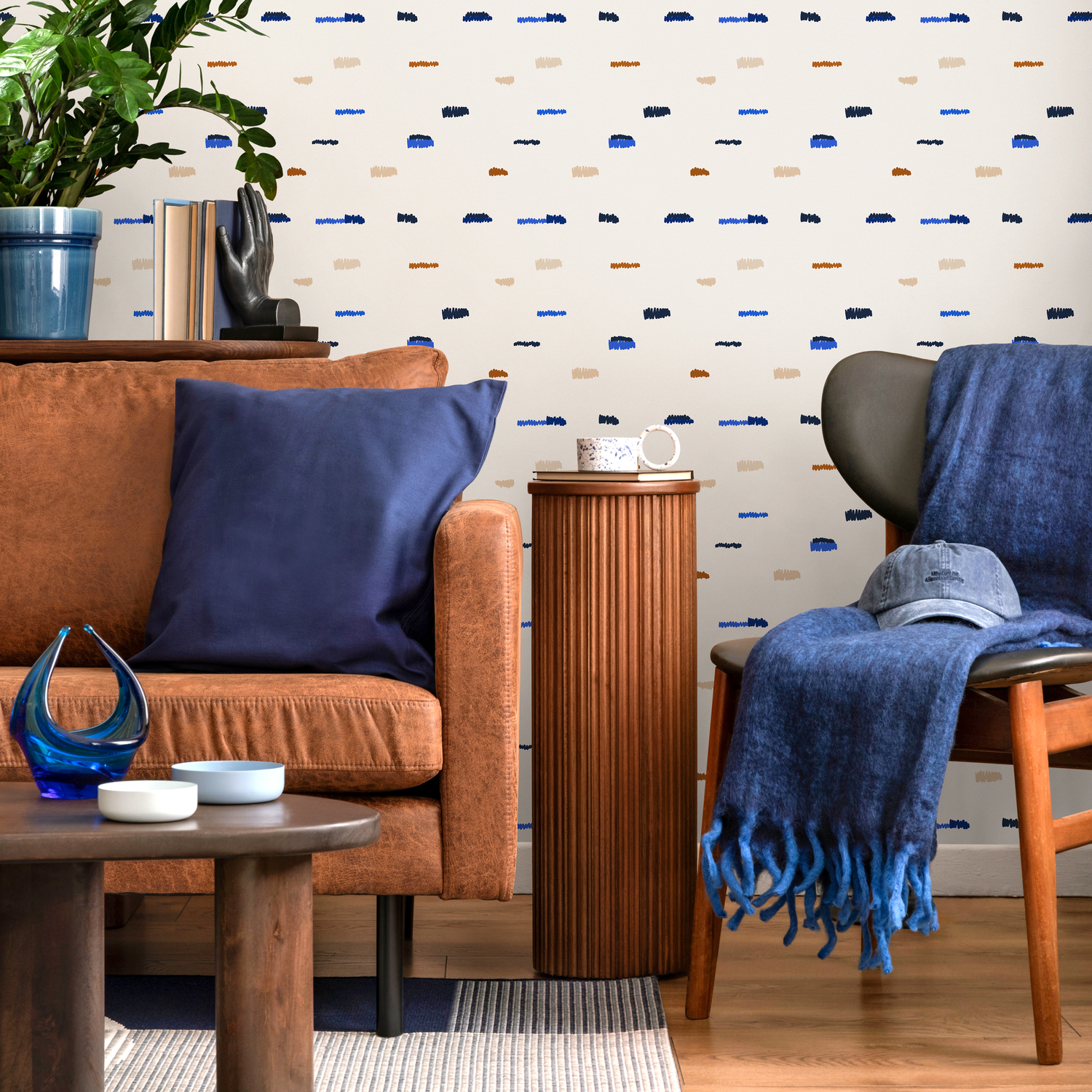
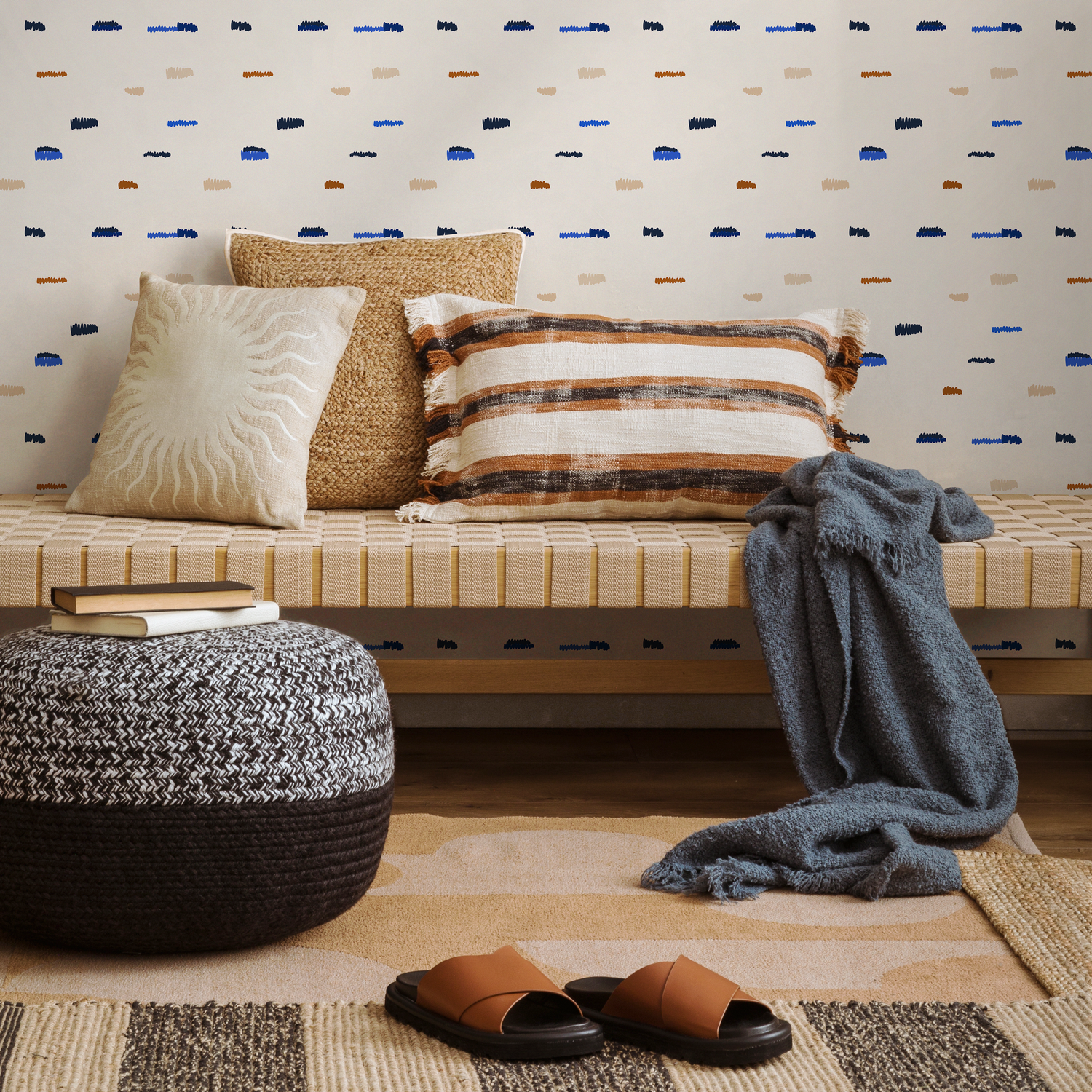

• Perfect for living room wallpaper, bedroom wall decor, or a home office accent wall.
• Pairs beautifully with modern furniture, minimalist design, and rustic wood accents.
• Complements walls painted in warm gray, deep navy blue, or soft off-white shades.
• Available in custom wallpaper sizes to guarantee a perfect fit for any room size.
• Choose from premium peel and stick or traditional wallpaper options for your project.
• Enjoy damage-free removal, making this a perfect renter-friendly wall decor option.
• We offer personalized wallpaper services, including custom color options on request.
• Proudly Made in the USA with eco-friendly, non-toxic, and sustainable materials.
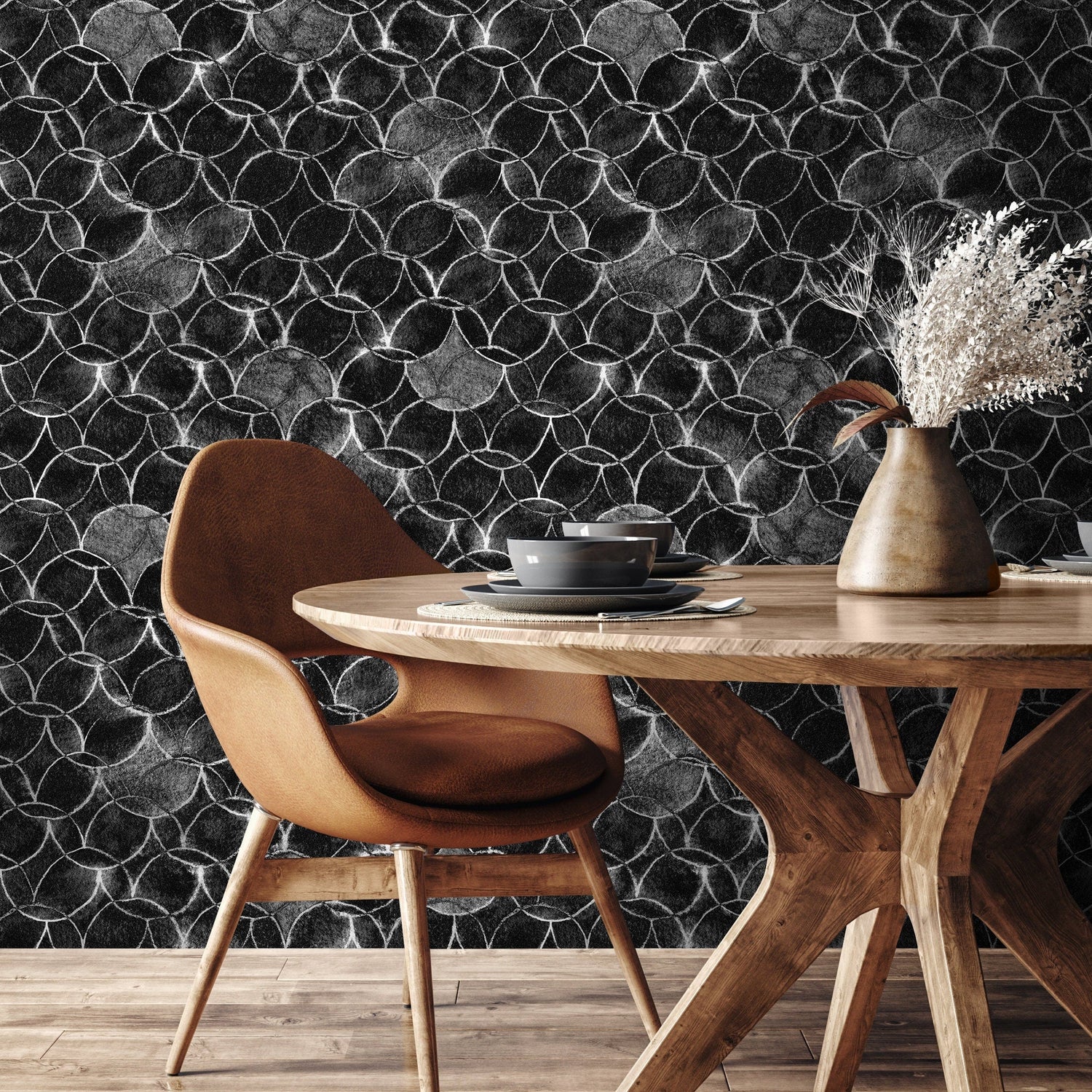
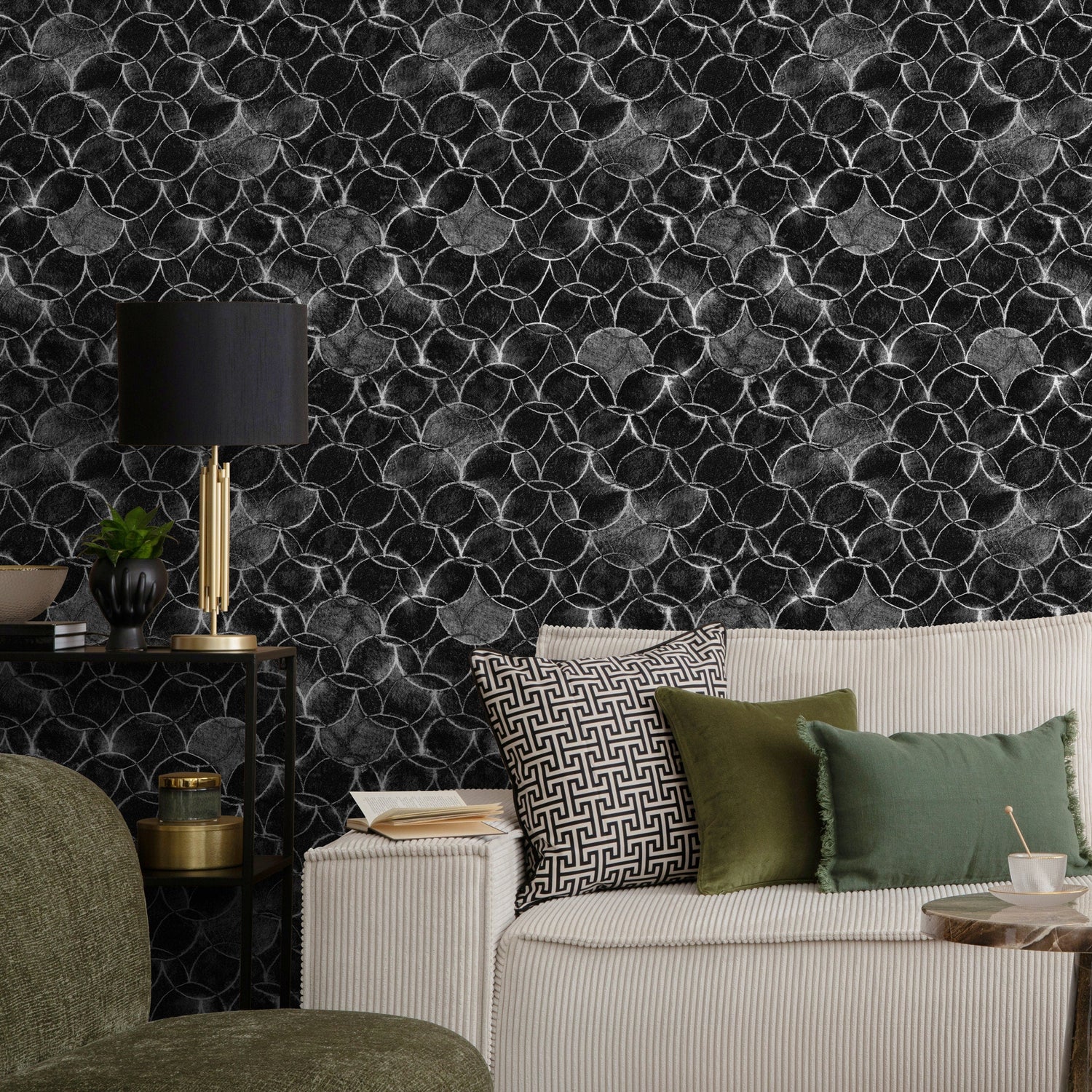

Geometric Wallpaper with Interlocking Circles in Black, White, and Gray - X076
• Ideal as living room wallpaper, bedroom wall decor, or a modern office accent wall.
• Pairs beautifully with modern furniture, minimalist decor, and industrial accents.
• Complements walls painted in charcoal gray, crisp white, or bold accent colors.
• Available in custom wallpaper sizes for a perfect fit on any wall, large or small.
• Choose from premium peel and stick or traditional wallpaper for lasting quality.
• Our damage-free removal makes this the perfect temporary wall decor for rentals.
• Request personalized wallpaper with custom color options for bespoke wall art.
• Proudly Made in the USA with eco-friendly wallpaper and non-toxic materials.
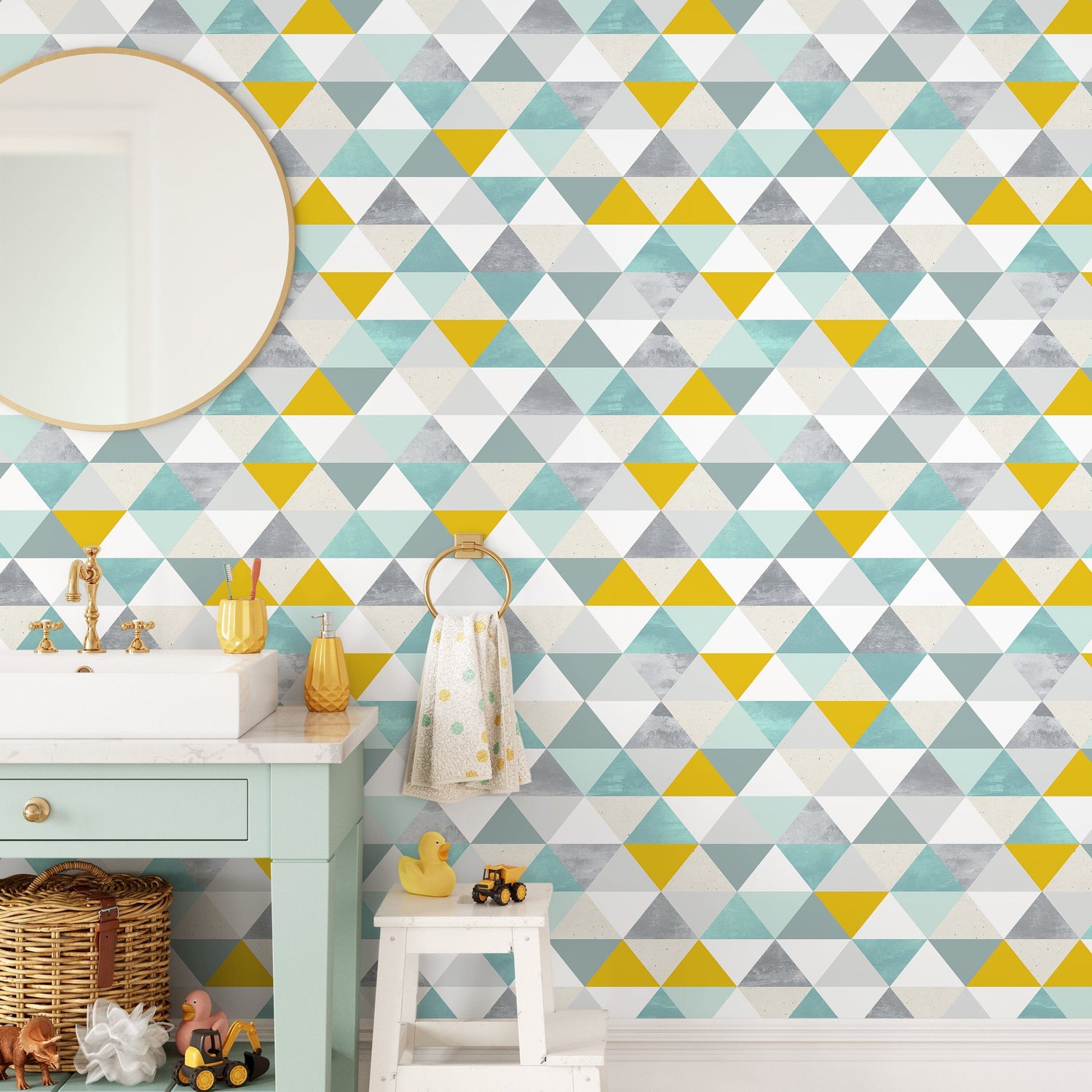
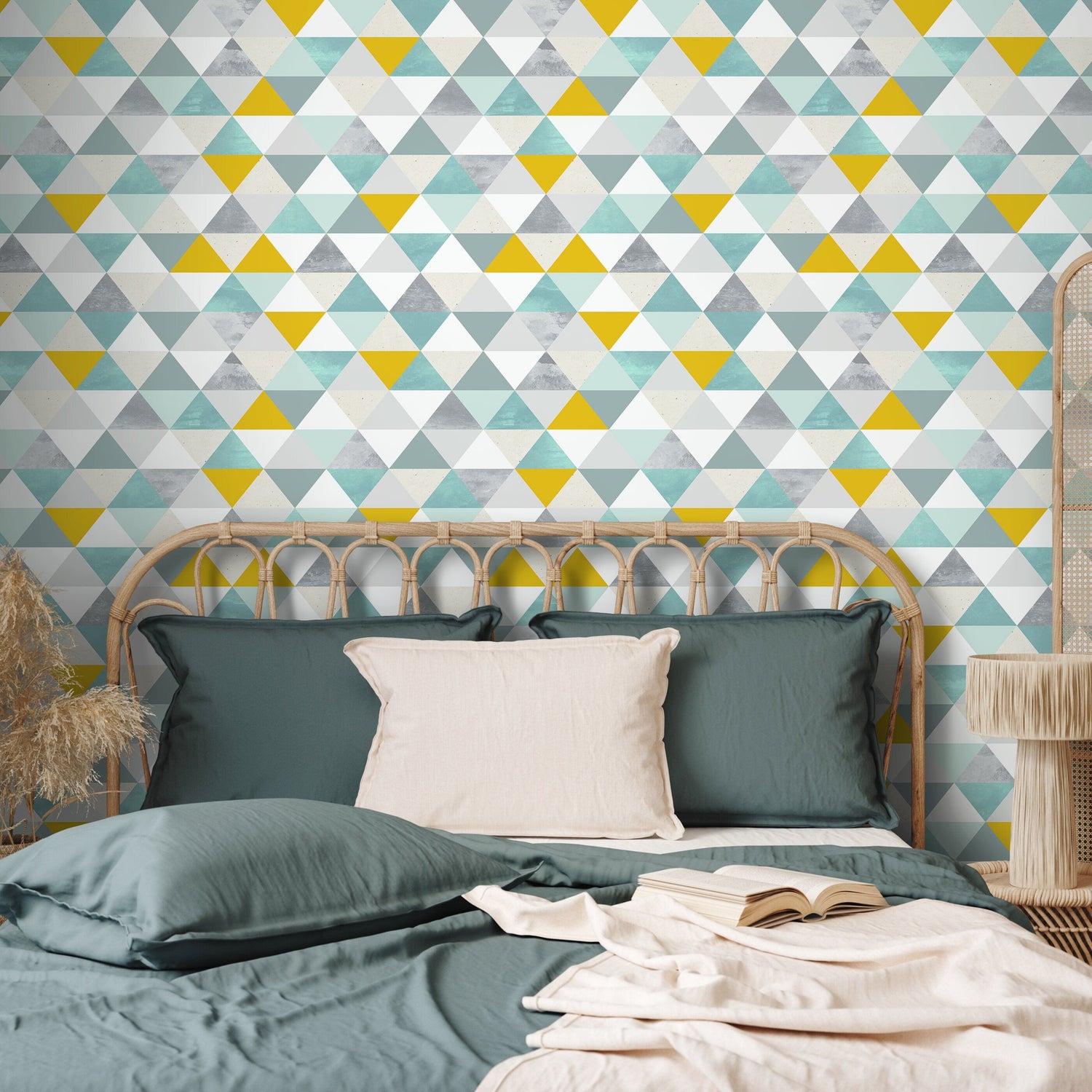

Geometric Wallpaper with a Textured Triangle Mosaic in Yellow, Teal, and Grey - A732
• Ideal for a nursery, kids' room, living room wallpaper, or a home office accent wall.
• Pairs beautifully with Scandinavian, modern, and minimalist furniture and decor styles.
• Complements walls painted in charcoal gray, crisp white, or a soft mustard yellow.
• Available in custom wallpaper sizes to guarantee a perfect fit for any wall or room.
• Offered in premium peel and stick or traditional wallpaper for a professional finish.
• Our damage-free removal makes this the perfect temporary wall decor for any rental.
• Request personalized wallpaper with custom color options to match your unique interior.
• Proudly Made in the USA with eco-friendly, non-toxic, and sustainable materials.
Hanging Peel and Stick Wallpaper on Textured Walls — What Works, What Doesn't, and How to Succeed
One of the most common questions in the peel-and-stick wallpaper world is whether it works on textured walls. The short answer: it depends on the texture level. Light texture — eggshell, slight orange peel, or satin-finish paint — generally works well with quality peel-and-stick wallpaper. Heavy texture — deep knockdown, popcorn, or thick stucco — creates adhesion challenges because the wallpaper's flat adhesive backing can only contact the raised peaks of the texture, not the recessed valleys. This guide covers preparation techniques, texture levels, and practical solutions for getting beautiful results on less-than-perfectly-smooth walls.
Every wall texture is different. Order free samples with $2 flat-rate shipping and test adhesion on your specific wall surface before committing to a full installation.
Understanding Wall Texture Levels
Smooth (Level 5 finish): Ideal for peel-and-stick wallpaper. The flat surface allows maximum adhesive contact. No preparation needed beyond cleaning.
Light Texture (orange peel, eggshell): Works well with quality peel-and-stick wallpaper. The slight surface variation is small enough that the adhesive bridges across the texture. ONDECOR's wallpaper handles this level well.
Medium Texture (knockdown, light skip trowel): Challenging but possible with preparation. Consider skim-coating the wall with a thin layer of joint compound, sanding smooth, and priming before applying wallpaper. Alternatively, textured wallpaper designs (like grasscloth or stone patterns) can disguise minor adhesion variations.
Heavy Texture (popcorn, heavy stucco, deep knockdown): Not recommended for peel-and-stick without significant surface preparation. These textures require skim-coating or sanding down before wallpaper application. For heavy textures, consider ONDECOR's traditional paste format, which fills texture valleys and creates a stronger bond.
Surface Preparation Techniques
Clean the surface. Regardless of texture level, walls must be clean and dry. Wipe with a damp cloth to remove dust, grease, and debris. Allow 24 hours to dry completely.
Sand lightly. For medium textures, lightly sanding the wall with 120-grit sandpaper knocks down the highest peaks, creating a more even surface for adhesion. Wipe away sanding dust before applying wallpaper.
Skim coat. For the most reliable results on textured walls, apply a thin skim coat of joint compound over the entire surface. Once dry, sand smooth with 150-grit paper and apply a coat of primer. This creates a Level 5 finish that any wallpaper will adhere to perfectly.
Prime. A coat of primer (water-based, quick-dry) seals the wall surface and provides an ideal bonding substrate for peel-and-stick adhesive. This step is especially important on new drywall, recently painted walls, or walls with patches.
When to Choose Traditional Paste Instead
If your walls have medium to heavy texture and you don't want to skim coat, ONDECOR's traditional paste wallpaper format is the better choice. Wallpaper adhesive — especially heavy-duty premixed paste — fills the texture valleys and creates comprehensive surface contact. The paste format produces a permanent bond that's stronger than peel-and-stick adhesive on any surface. This is the recommended approach for bedroom wallpaper projects on older homes with textured walls, living room installations on heavily textured drywall, and dining room feature walls on plaster surfaces.
Tips for Improving Peel-and-Stick Adhesion on Textured Walls
Apply extra pressure. Use a hard rubber roller (not just a smoother) to press the wallpaper firmly into the texture, maximizing contact between adhesive and wall surface.
Use warmth. A hair dryer on low heat softens the adhesive and makes it more conformable to surface irregularities. Apply heat and press immediately with the roller.
Apply seam adhesive at edges. The edges and corners are where peel-and-stick wallpaper most commonly lifts on textured walls. A thin line of wallpaper seam adhesive along panel edges provides extra holding power.
Let it set. After installation, avoid touching or adjusting the wallpaper for 24-48 hours while the adhesive fully bonds. This curing time is especially important on textured surfaces.
For detailed visual guidance, the installation video collection demonstrates techniques on various wall surfaces. For corner-specific guidance on textured walls, the corner installation guide covers additional techniques.
Which ONDECOR Wallpapers Work Best on Textured Walls?
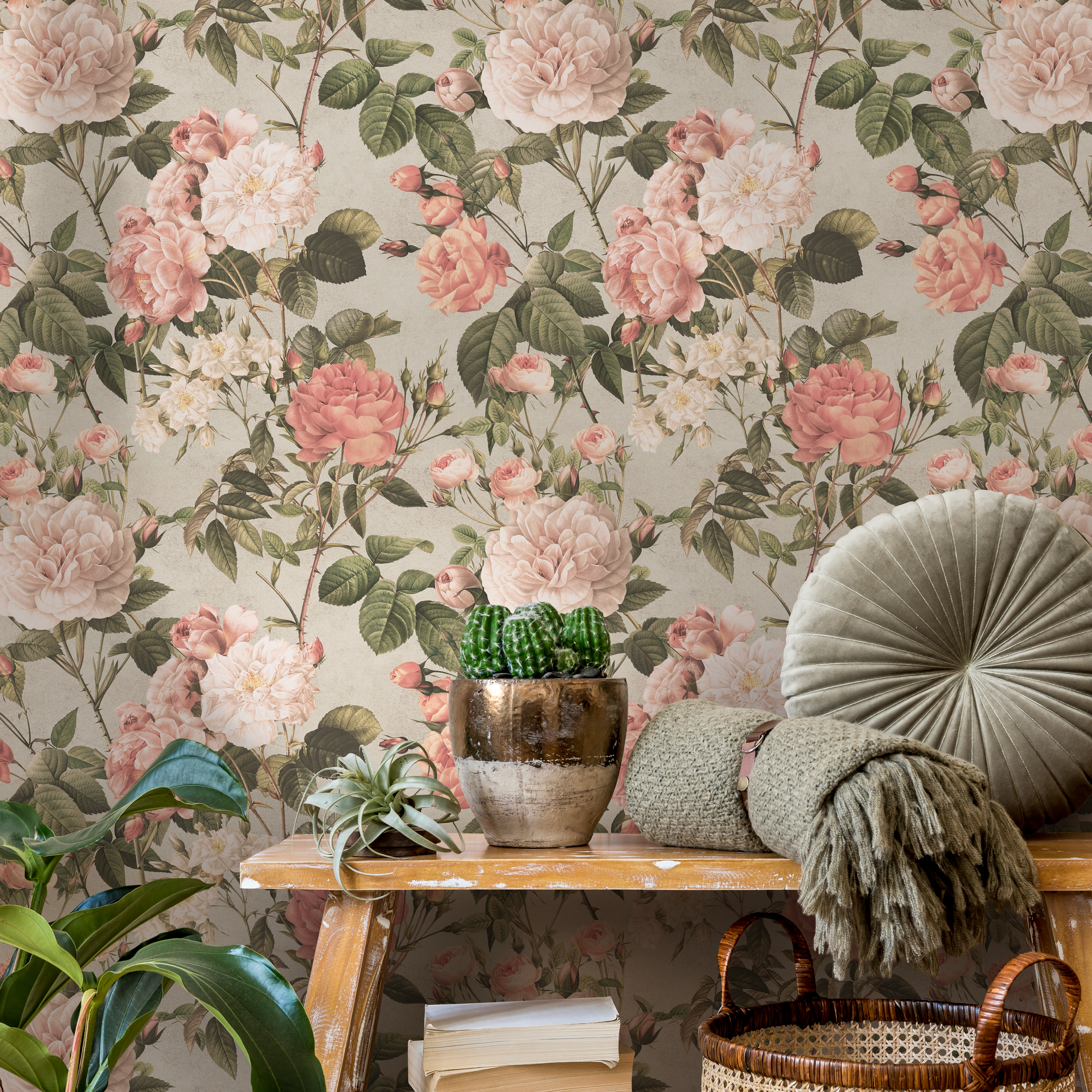
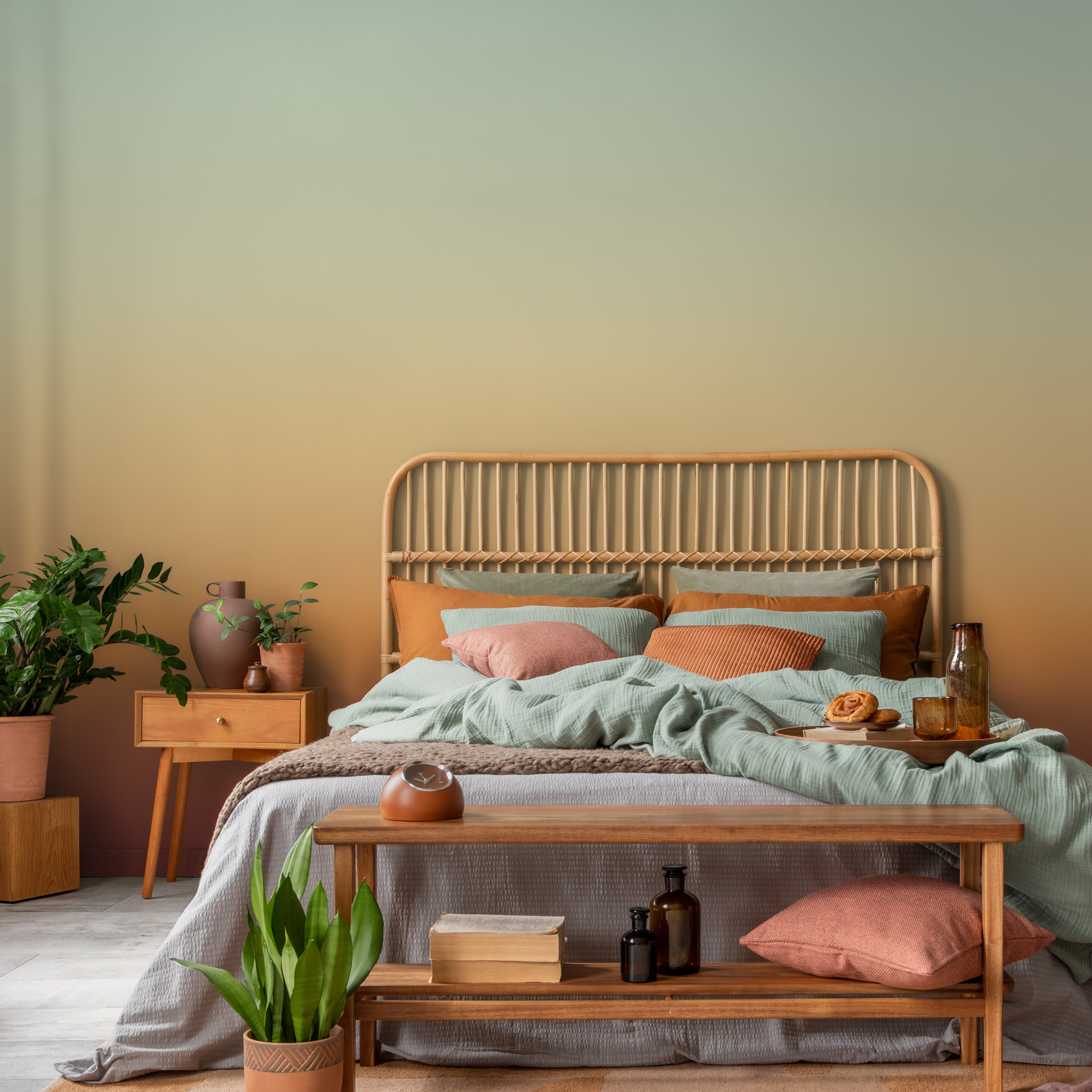
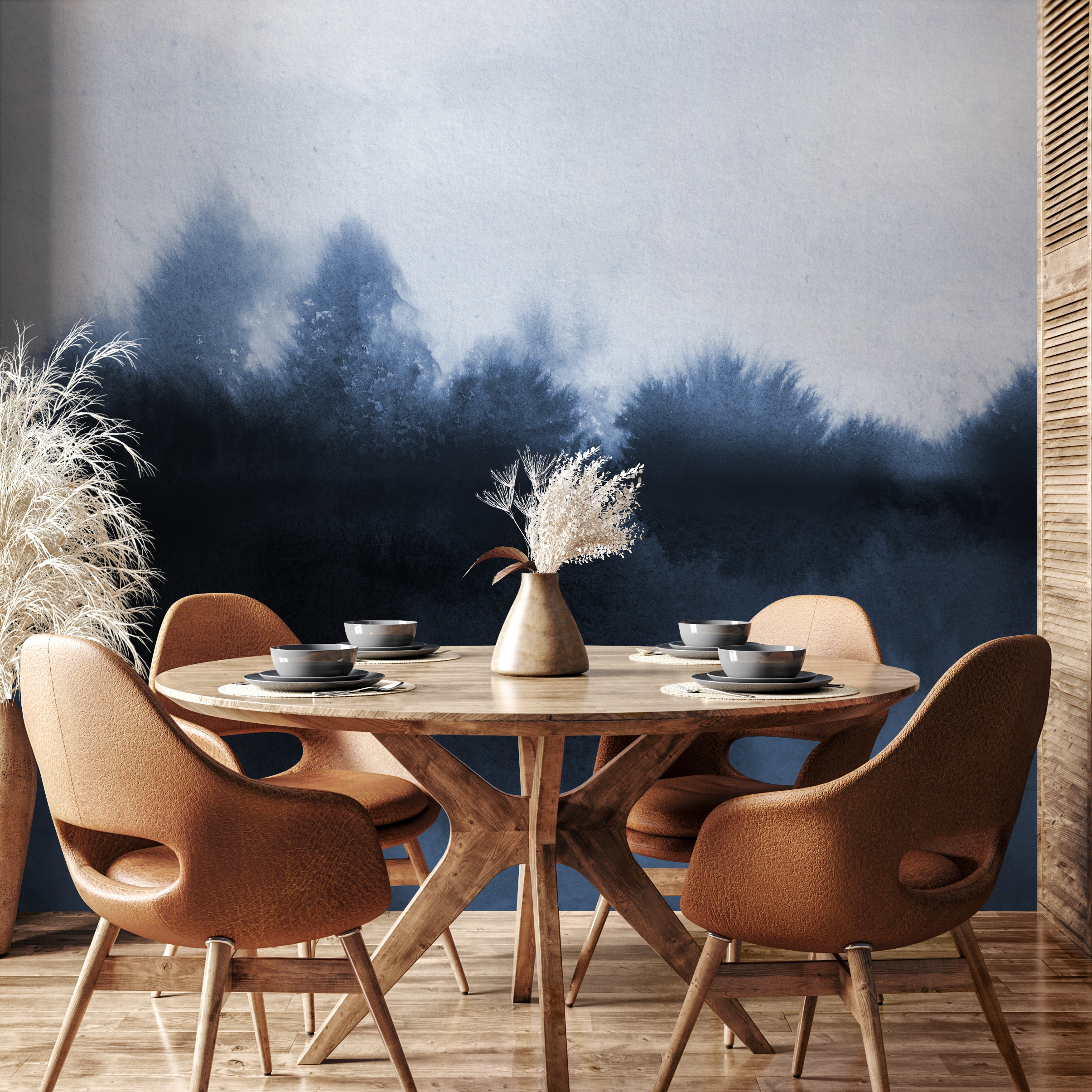
Busier, more textured wallpaper patterns disguise adhesion variations better than smooth, solid designs. Grey stone wallpaper, grey brick wallpaper, and grey grasscloth wallpaper all have inherent visual texture that masks any minor surface imperfections. Solid-colored or smooth-gradient designs (like grey ombré wallpaper) show texture telegraphing more readily.
Why ONDECOR Is Different
ONDECOR offers both peel-and-stick and traditional paste formats for every design — so you can choose the application method that works best for your wall surface. Wallpaper is printed on demand in the USA with PVC-free, eco-friendly materials. Free customization includes adjustments for your specific installation needs. Custom sizing means panels arrive cut to your wall dimensions — less trimming, less waste. Free shipping on all US orders, 1–4 business day production, rush options, and free exchanges.
Installation and Practical Tips
Always test with a free sample before ordering full panels for textured walls. Apply the sample to the most textured area of your wall and leave it for 48 hours. If it holds firmly without lifting at the edges, peel-and-stick will work for your project. If it begins to peel, consider either surface preparation (sanding or skim coating) or switching to the traditional paste format. Samples ship for $2 flat-rate within the US.
Choosing the Right Pattern for Textured Walls
If your walls have some texture, busier patterns hide adhesion imperfections better than solid or smooth designs. Stone, brick, grasscloth, and dense botanical prints all disguise minor surface variations. Smooth gradients and geometric patterns with thin lines show texture more readily.
Related Collections
- Best wallpaper for textured walls
- Hanging peel and stick wallpaper
- Installing wallpaper on textured walls
- Peel and stick on textured wall
- Bathroom wallpaper
- Kitchen wallpaper
Can you put peel and stick wallpaper on textured walls?
It depends on the texture level. Light textures (eggshell, light orange peel) generally work well. Medium textures may need sanding or skim-coating. Heavy textures (popcorn, stucco) require surface preparation or switching to traditional paste format.
How do you prepare textured walls for peel and stick wallpaper?
Clean walls thoroughly, sand down texture peaks with 120-grit sandpaper, and apply primer. For best results on medium textures, skim coat with joint compound, sand smooth, and prime before wallpapering.
Will peel and stick wallpaper stick to orange peel texture?
Light orange peel texture generally works well with quality peel-and-stick wallpaper. Test with a free sample first — apply to the most textured area and check adhesion after 48 hours.
Should I use paste wallpaper instead on textured walls?
For medium to heavy textures, traditional paste wallpaper is often the better choice. Paste fills texture valleys and creates stronger adhesion than peel-and-stick on uneven surfaces. ONDECOR offers both formats for every design.
Does ONDECOR offer both peel and stick and paste formats?
Yes. Every ONDECOR design is available in both peel-and-stick and traditional paste formats. Choose the format that works best for your wall surface and installation preference.
Can I get free samples to test on my textured walls?
Yes. ONDECOR offers free samples with $2 flat-rate US shipping. Test adhesion on your specific wall texture before ordering full panels.
How fast does ONDECOR ship wallpaper?
Orders ship within 1-4 business days. Rush production available. Free US shipping on all orders.


