












Cement Peel And Stick Wallpaper

2 products
Sort by:
2 products
2 products
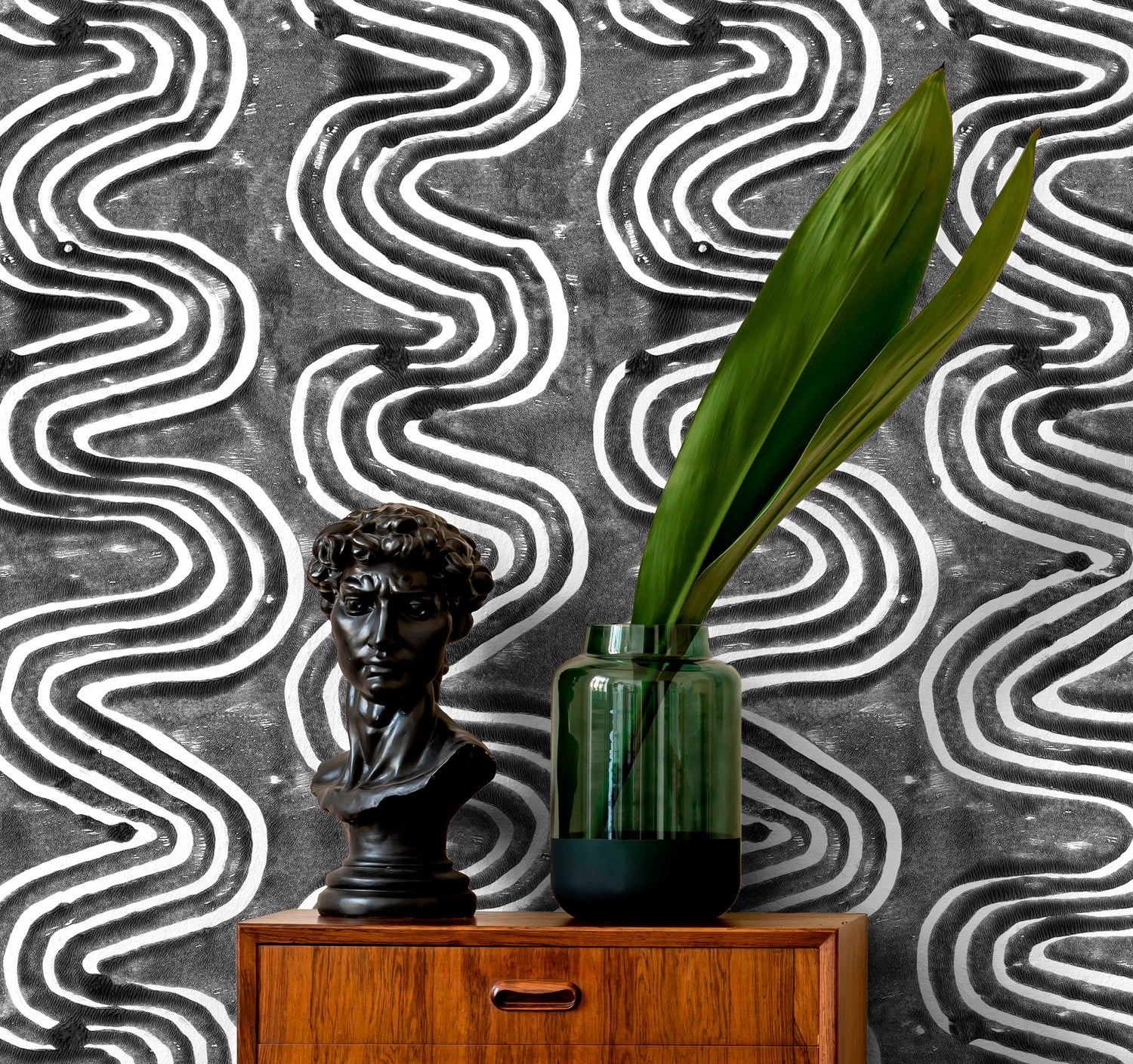
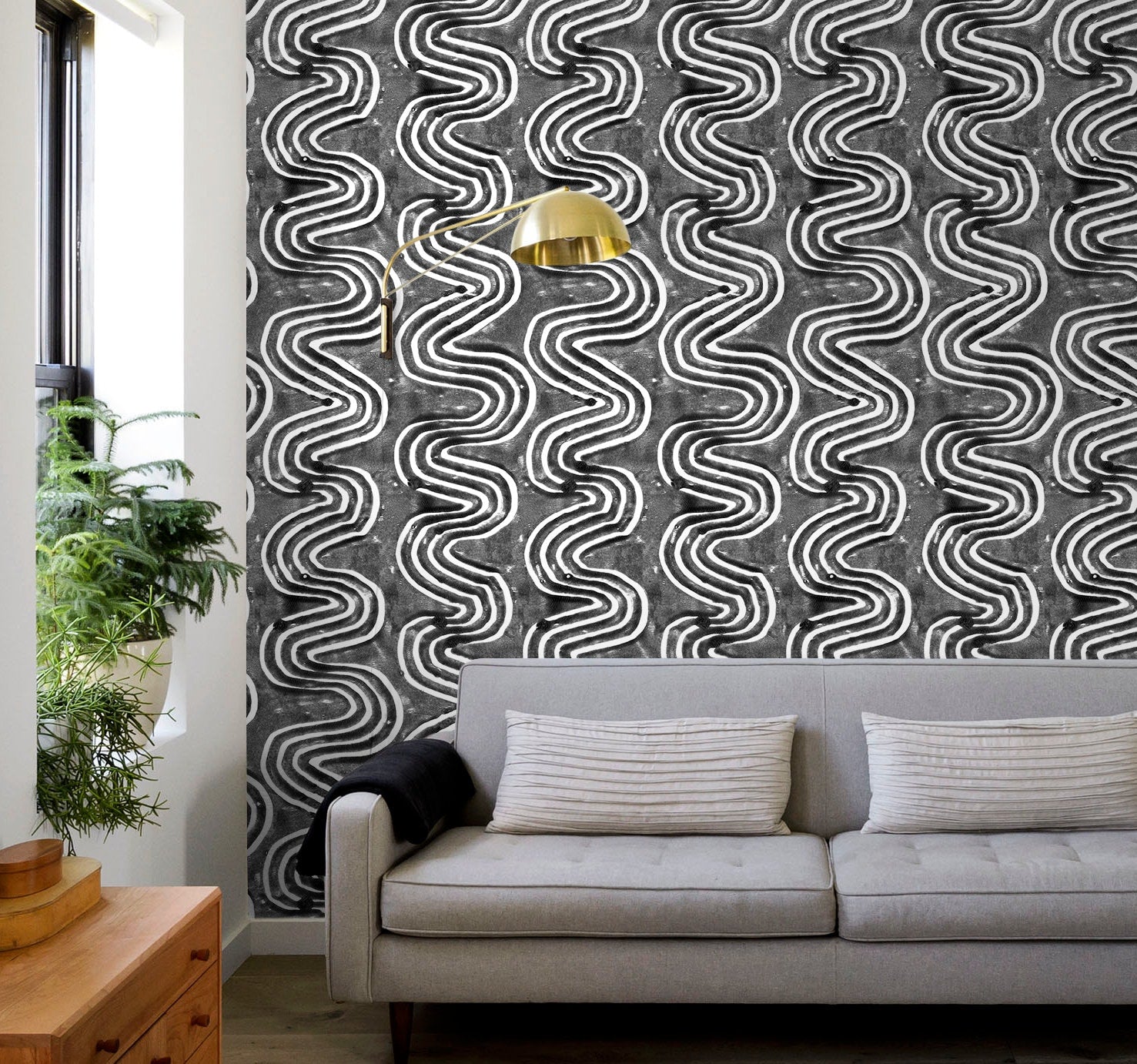

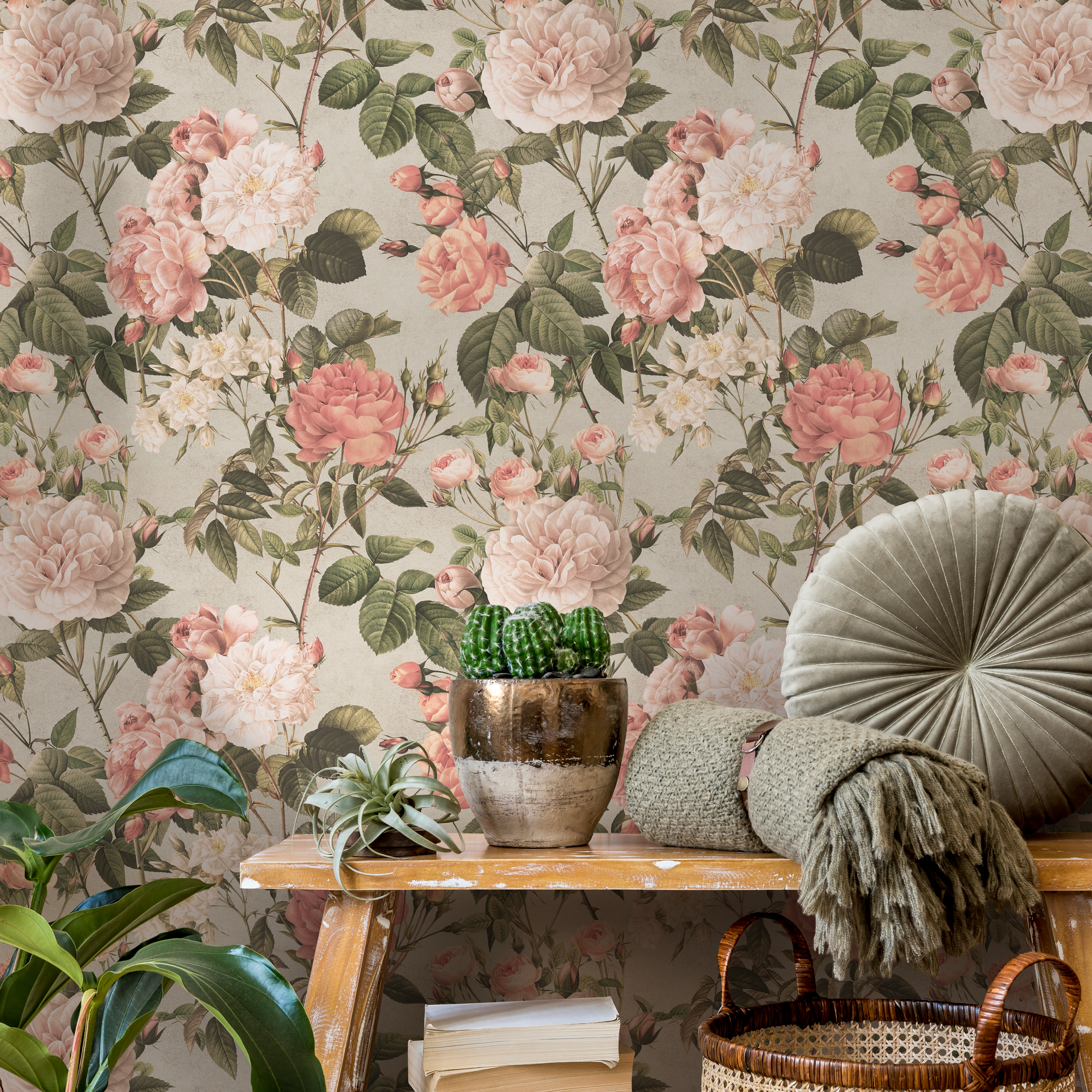
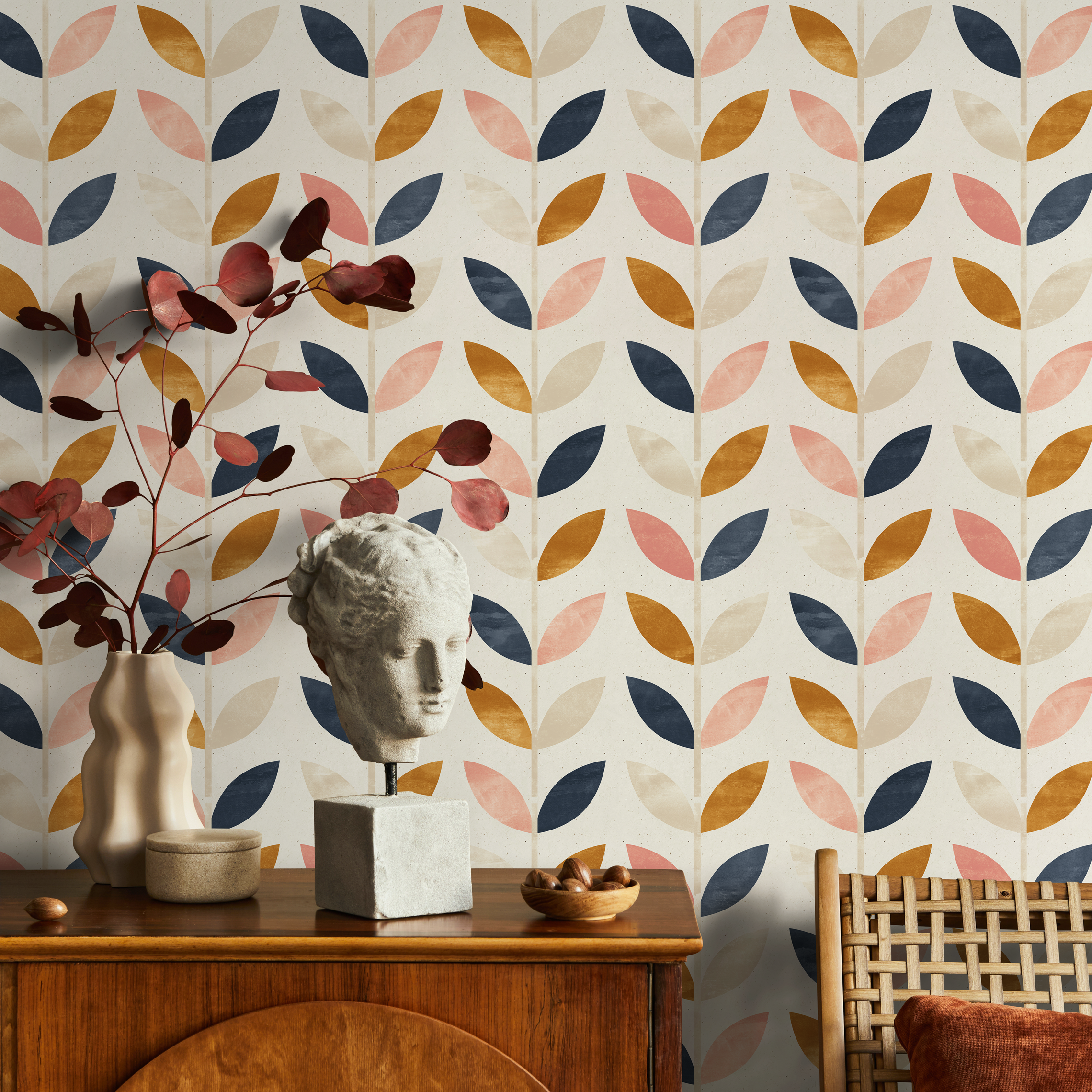
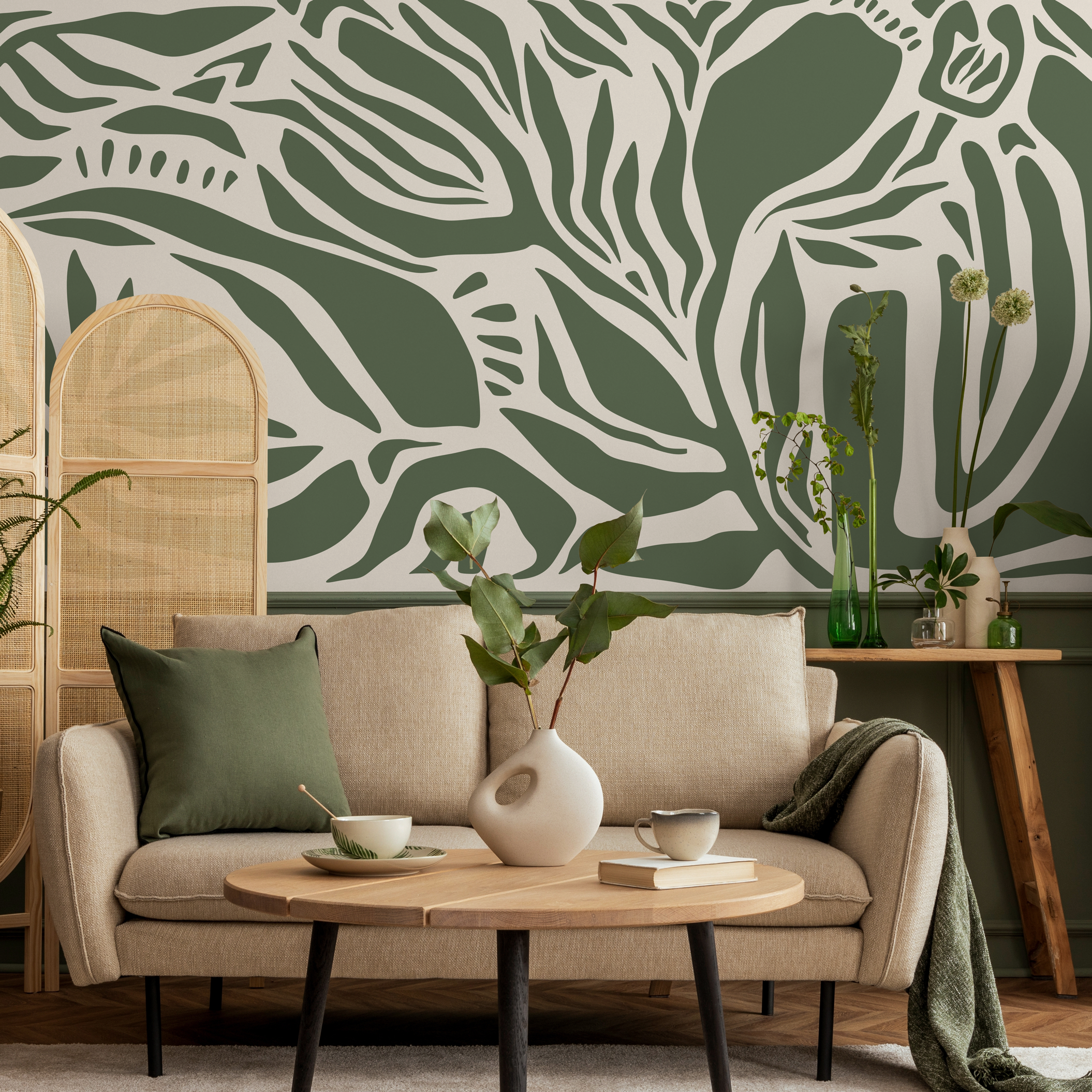
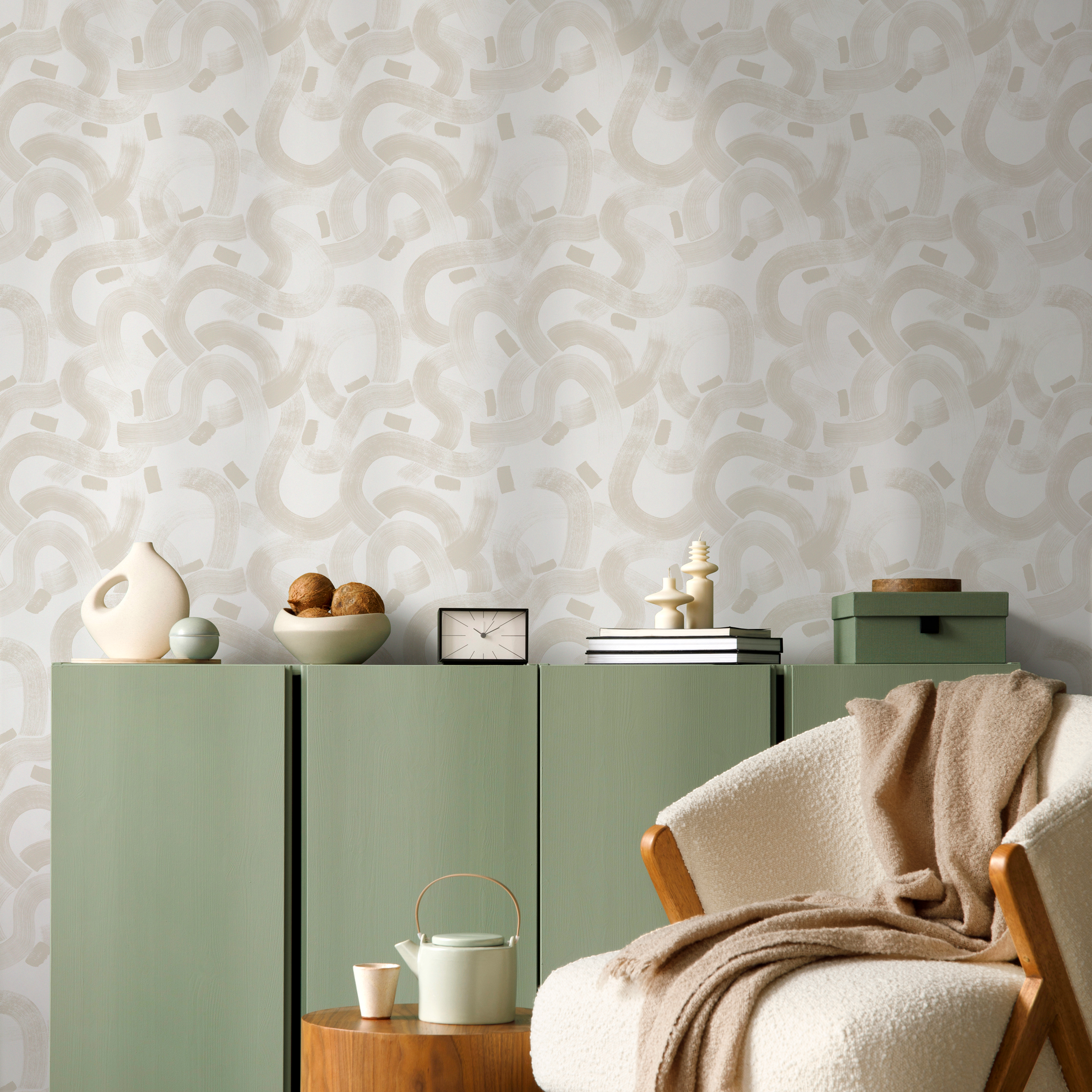
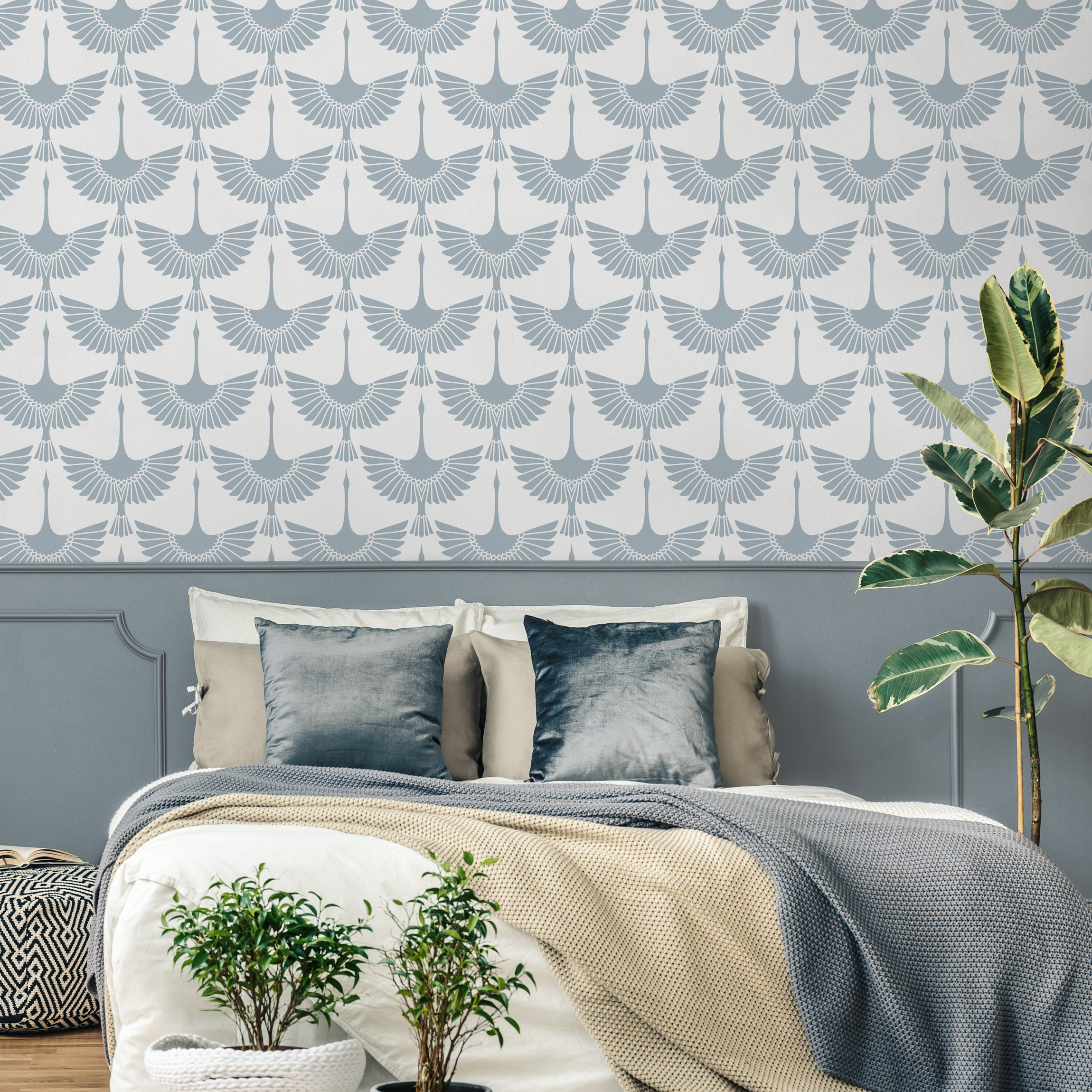
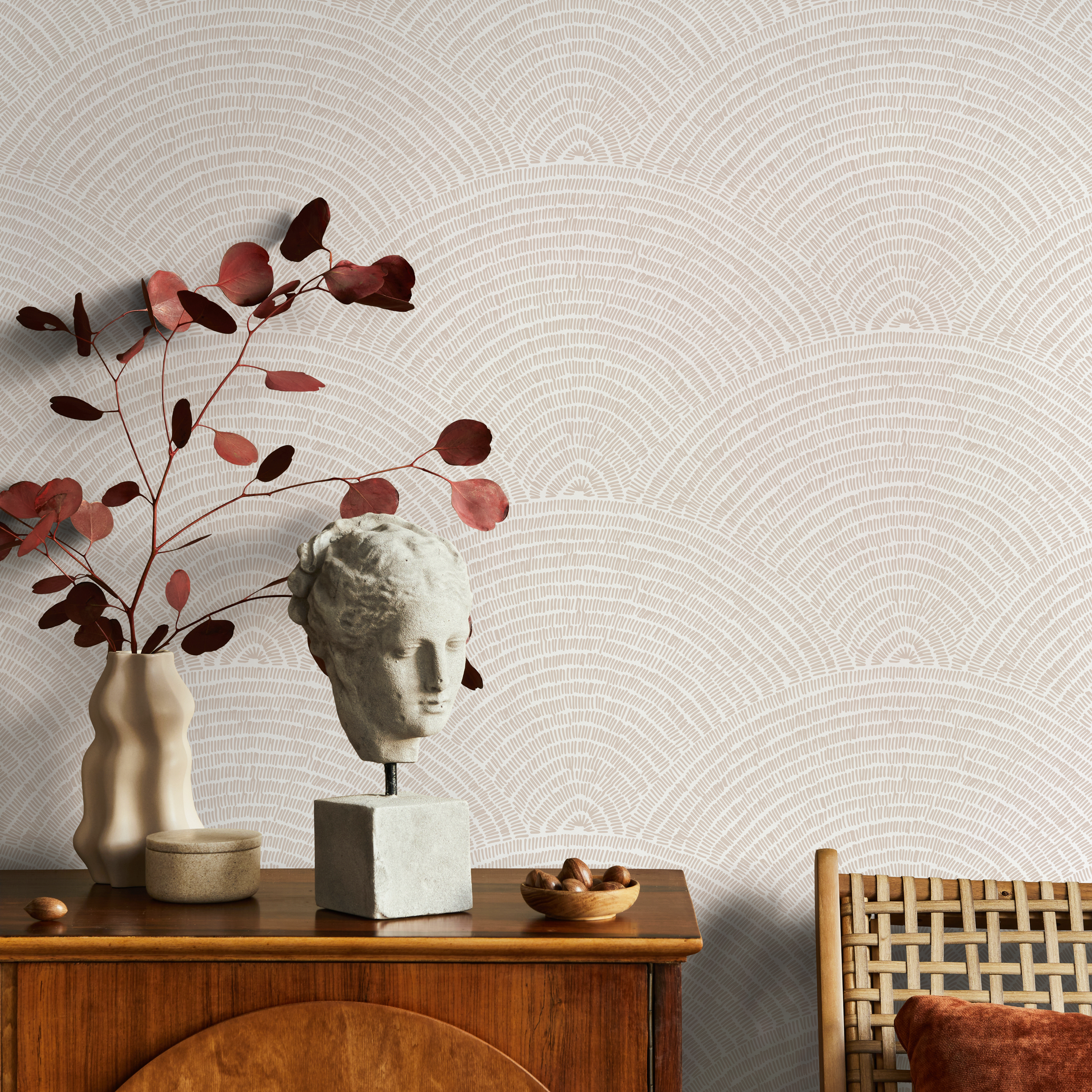
• Perfect for living room wallpaper, bedroom wall decor, or a bold office accent wall.
• Pairs beautifully with modern, minimalist, and contemporary furniture and decor.
• Complements walls painted in charcoal gray, crisp white, or bold primary colors.
• We offer custom wallpaper sizes to ensure a perfect fit for any room dimension.
• Choose from premium peel and stick or traditional wallpaper options for your project.
• Our wallpaper offers damage-free removal, making it ideal for rental properties.
• Ask about personalized wallpaper options for a truly bespoke wall art statement.
• Proudly Made in the USA with eco-friendly, non-toxic, and sustainable materials.
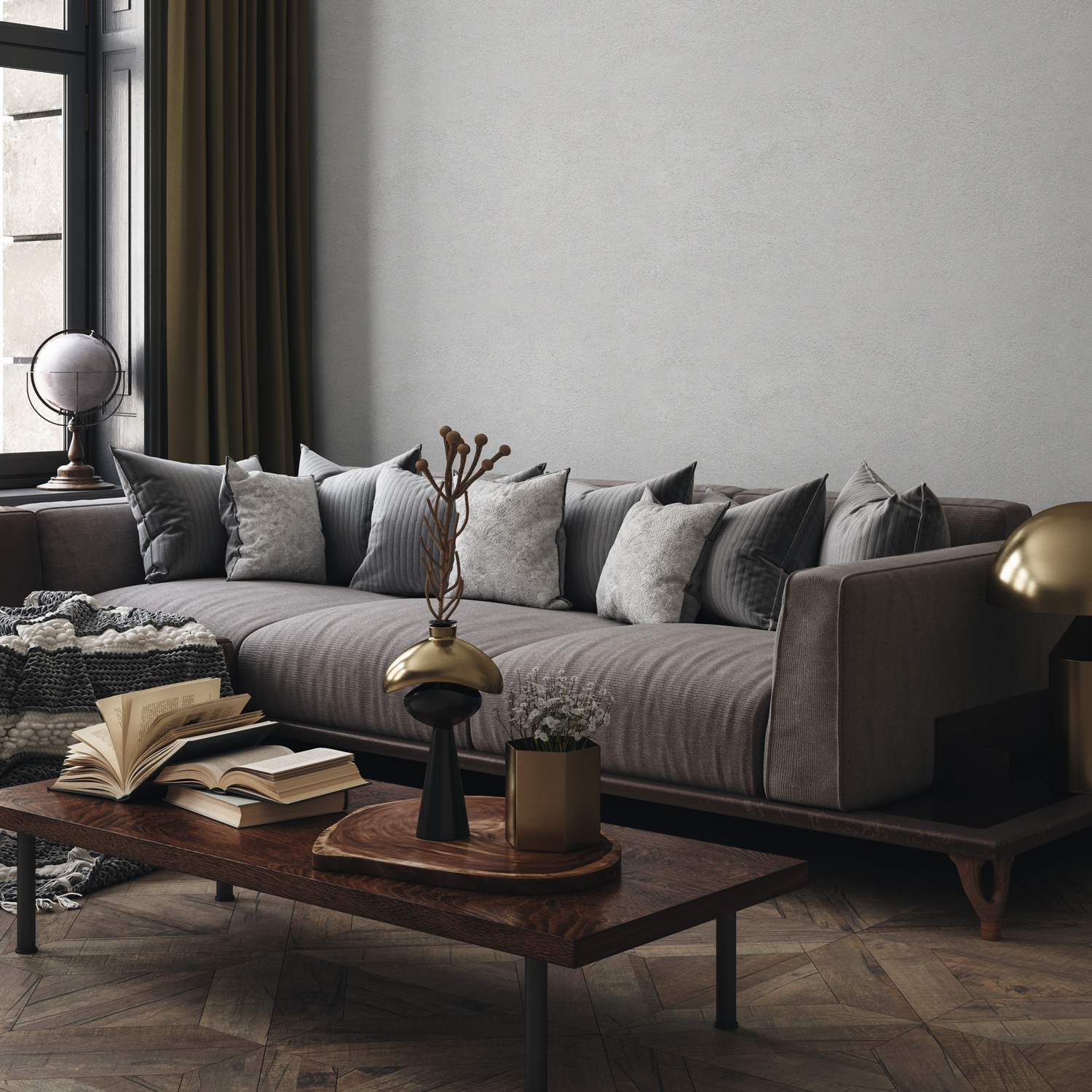
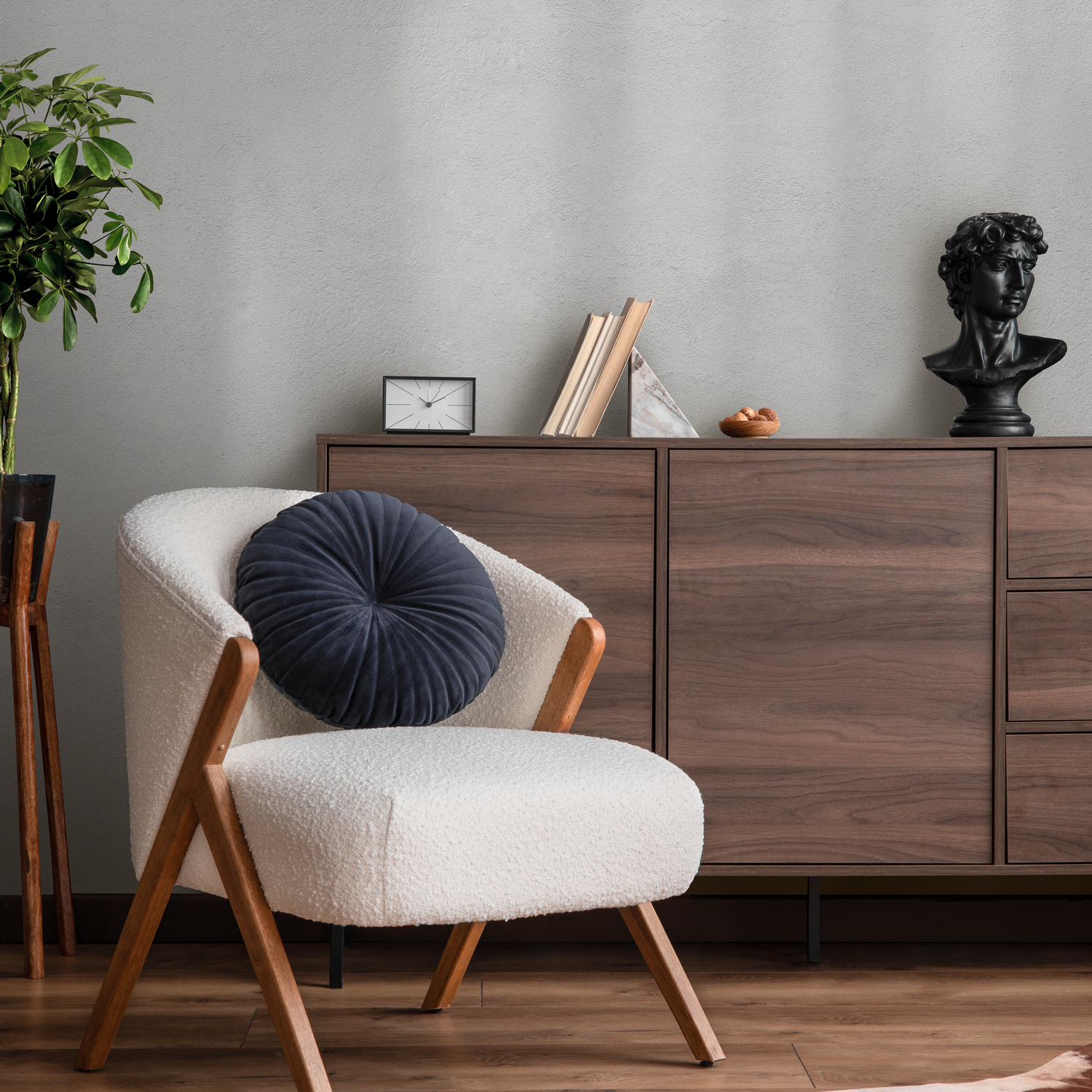

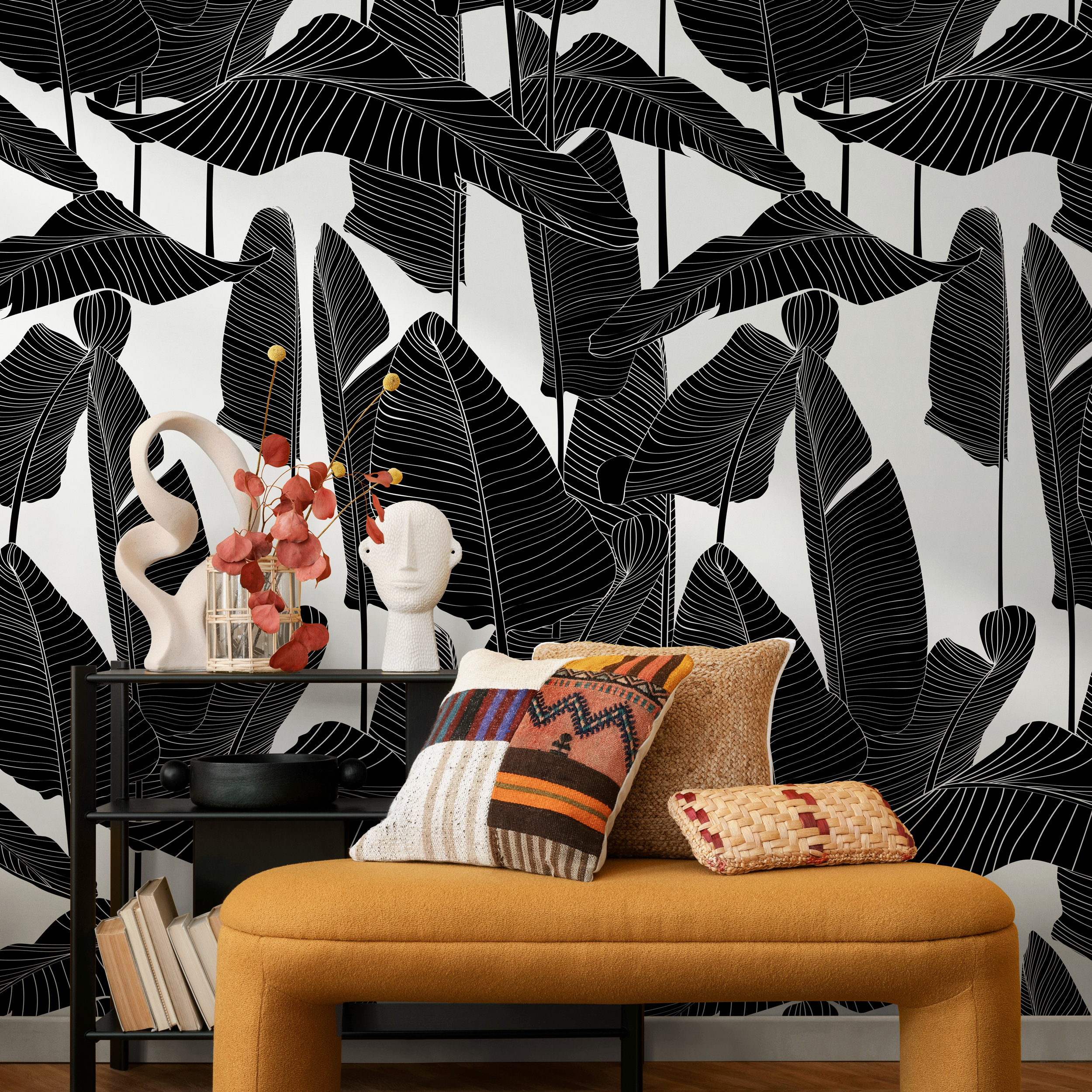
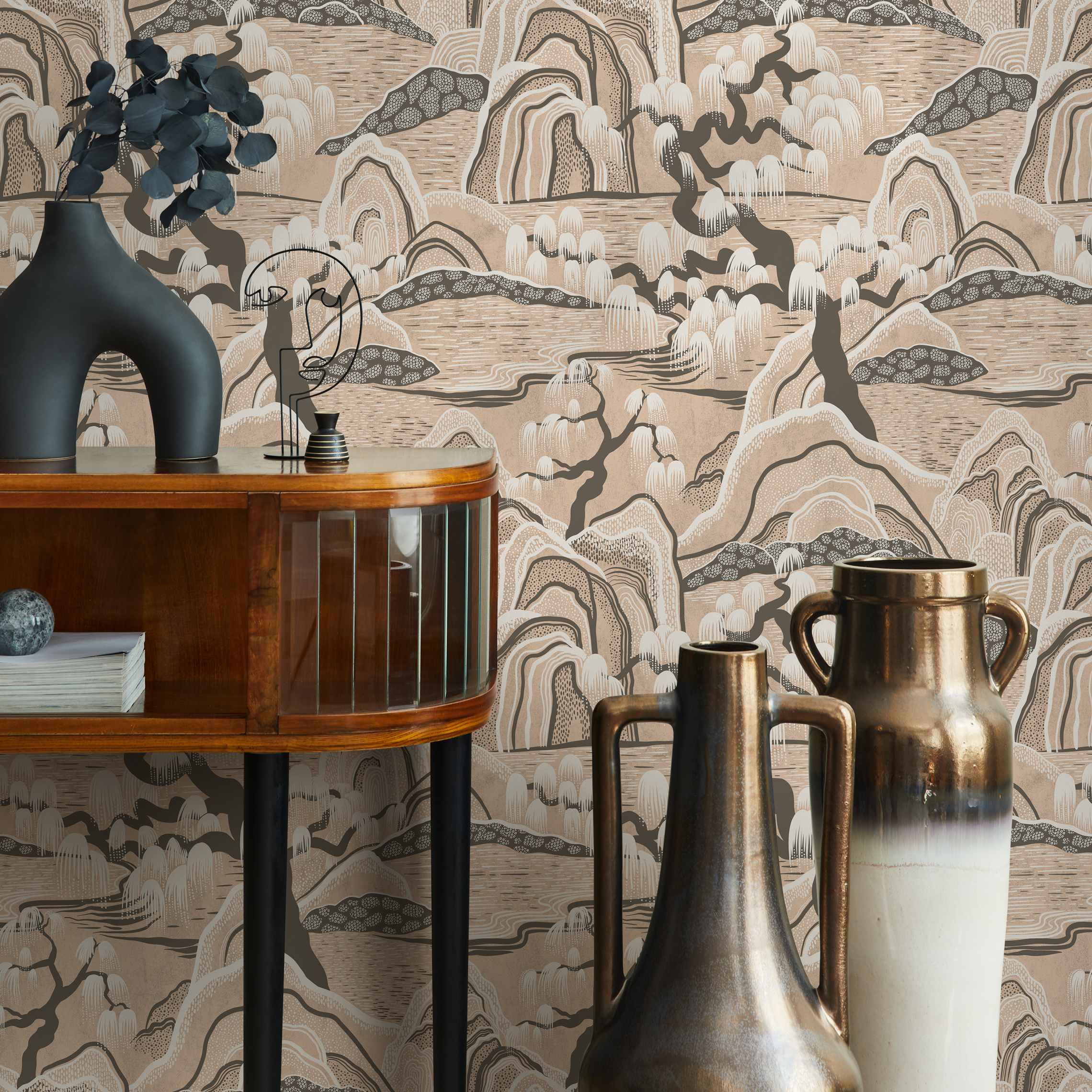
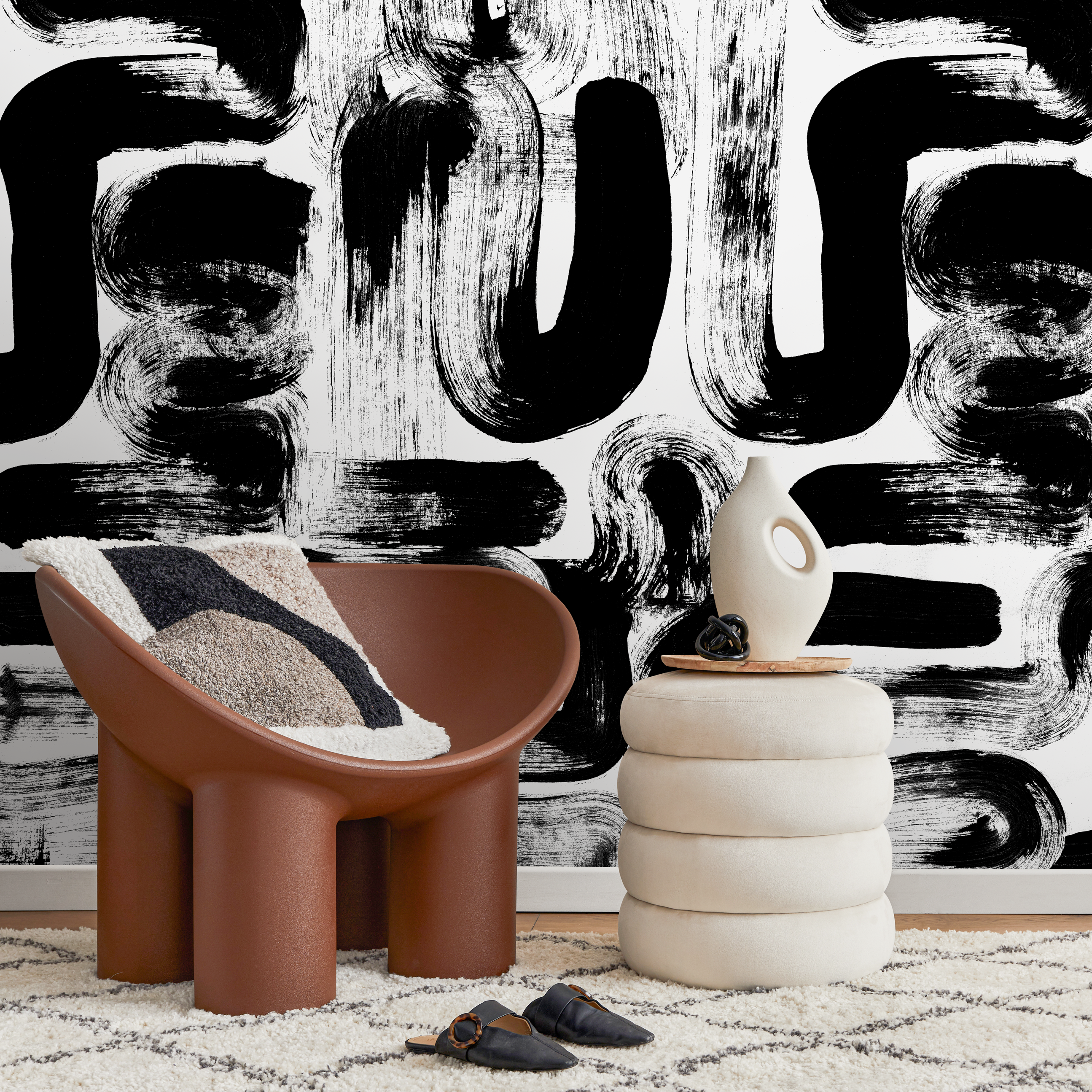
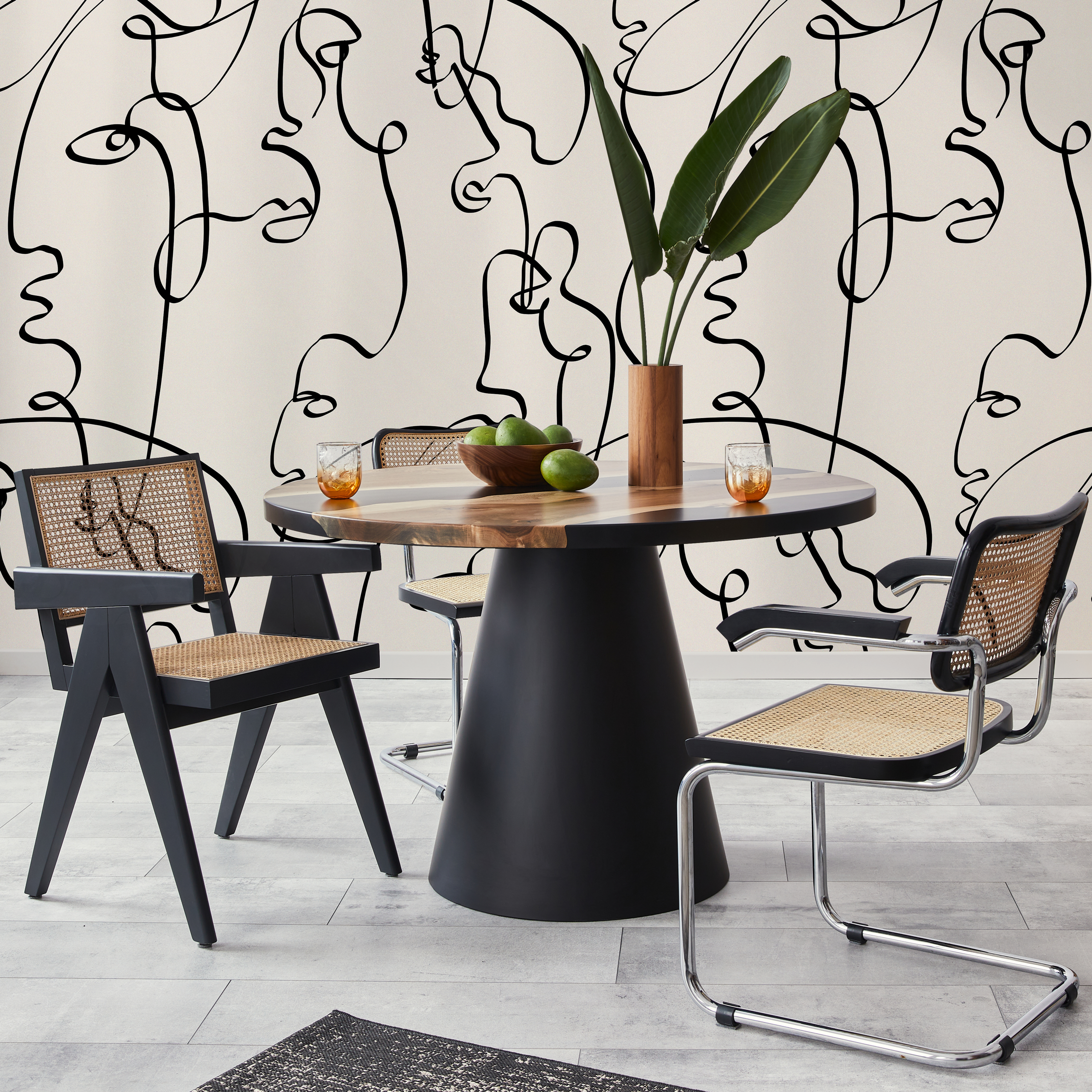
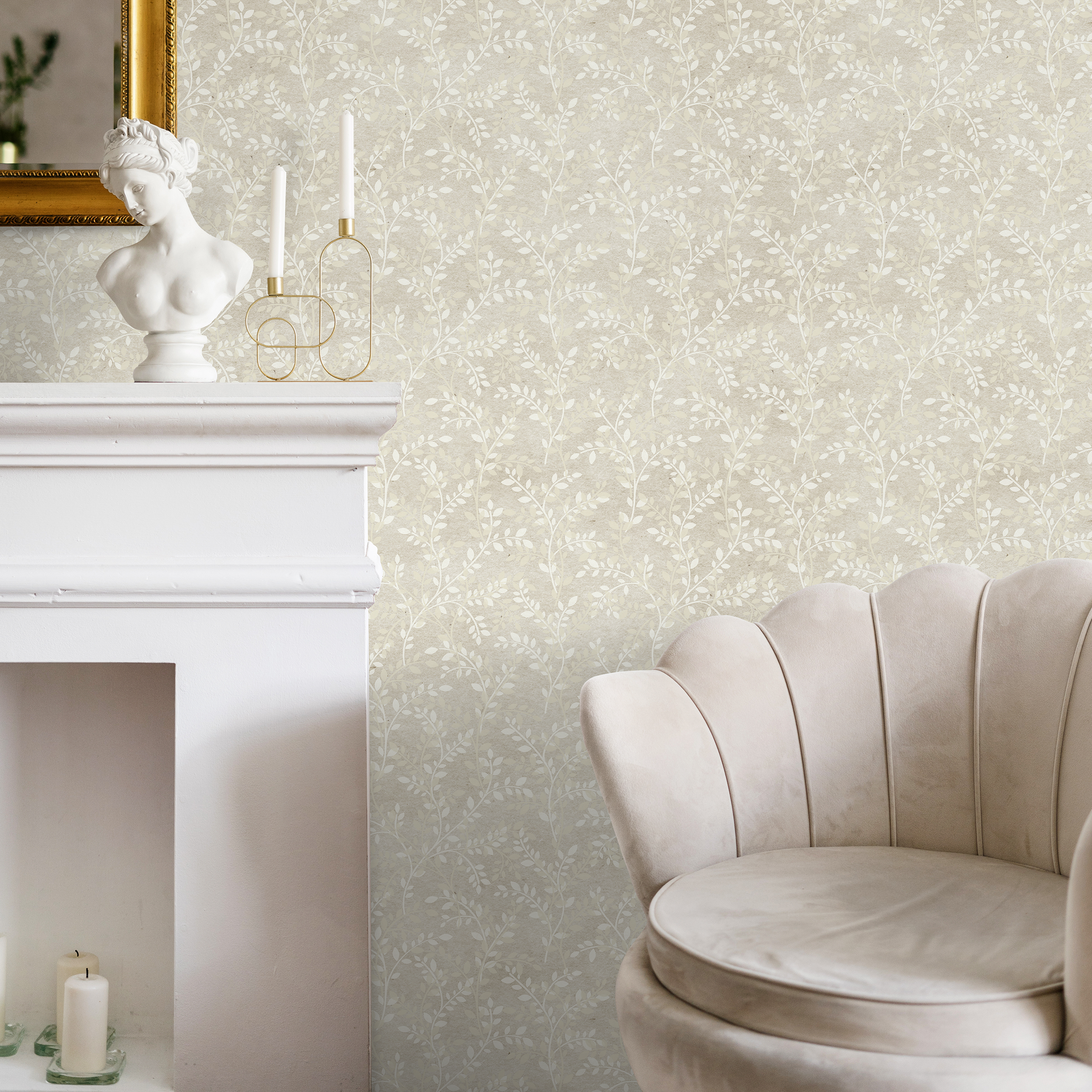
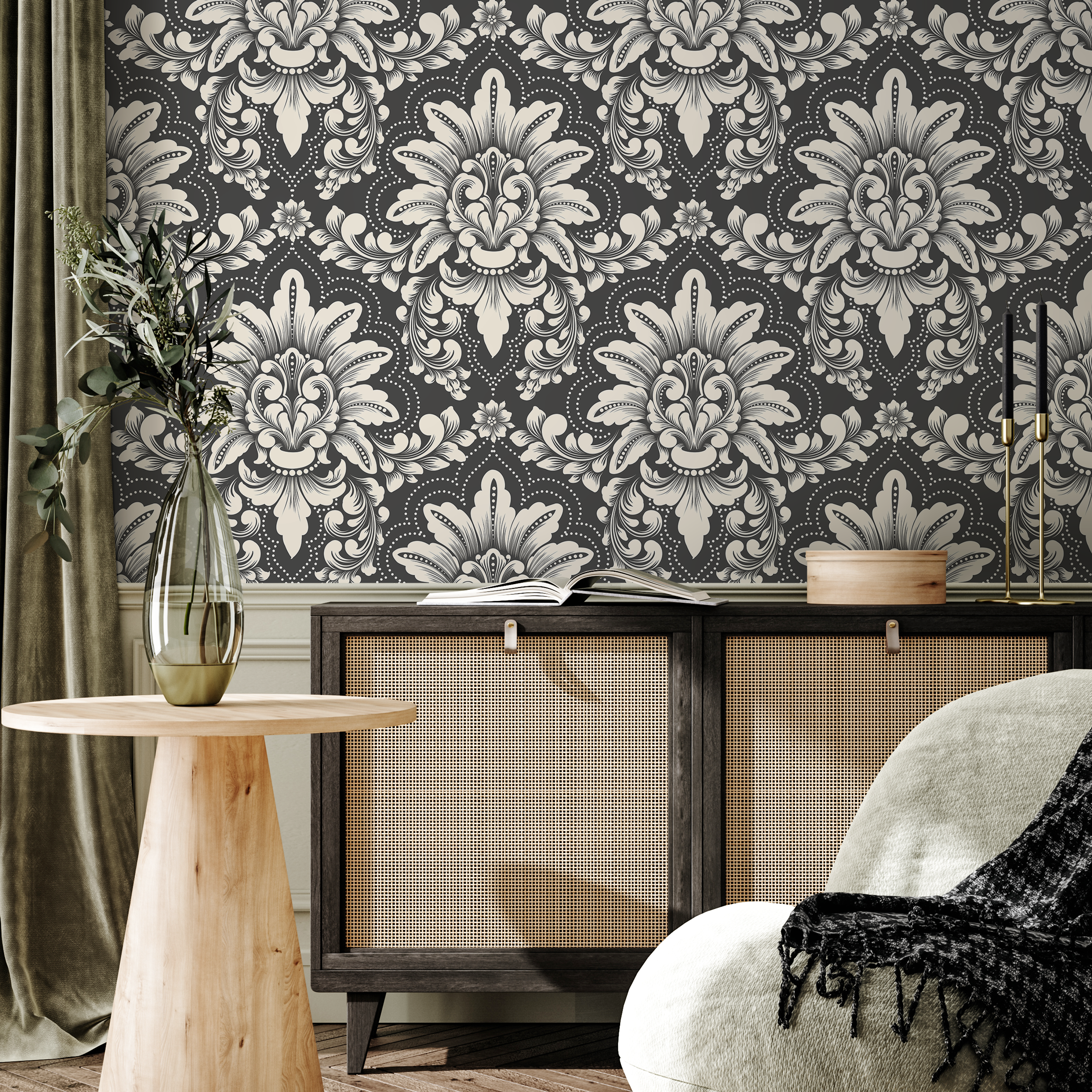
• Ideal for a living room wallpaper, bedroom accent wall, or modern office decor.
• Pairs perfectly with industrial furniture, minimalist decor, and rustic accents.
• Complements walls painted in charcoal gray, deep navy blue, or warm off-white.
• Available in custom wallpaper sizes to guarantee a perfect fit for any wall.
• Choose from premium peel and stick or traditional wallpaper for lasting quality.
• Enjoy damage-free removal, making it a perfect temporary wall decor solution.
• Request personalized wallpaper with custom color options for a bespoke design.
• Proudly Made in the USA with non-toxic, eco-friendly, sustainable materials.
Cement Peel and Stick Wallpaper — Industrial Texture Without the Cold Hard Reality
Raw cement walls carry an irresistible tension: they're simultaneously rugged and refined, industrial and intimate. But actual exposed concrete comes with genuine drawbacks — it's cold to the touch, permanently gray, acoustically harsh, and impossible to achieve in a standard drywall home without expensive resurfacing. Cement peel and stick wallpaper delivers the aesthetic of polished concrete, raw plaster, and weathered cement without any of those compromises. Cement wallpaper, concrete-look wallpaper, industrial cement peel and stick — these designs have become essential tools for anyone building a modern, loft-inspired interior.
ONDECOR's cement wallpaper is printed on demand in the USA from PVC-free, eco-friendly materials. Every panel is tiled — not rolled — with a straight match alignment that creates seamless, continuous texture across any surface. Colors and patina levels can be customized at no charge with unlimited revisions. Order a free sample with $2 flat-rate shipping to see the texture quality in person.
Cement Wallpaper vs. Venetian Plaster vs. Concrete Paint: Which Faux Finish Wins?
Venetian plaster delivers genuine texture and depth but requires a skilled applicator, costs $8-15 per square foot for labor alone, and can't be easily changed once applied. Concrete paint (mineral-based finishes like Marrakech or lime wash) creates subtle variation but often reads as flat rather than truly dimensional. Faux concrete panels add weight and require mechanical fastening.
Cement peel and stick wallpaper reproduces the visual complexity of real concrete — aggregate variations, hairline cracks, patina gradients, trowel marks — through high-resolution printing on a surface you can install yourself and remove without trace. For renters in apartment-friendly wallpaper territory, it's the only realistic path to a concrete loft aesthetic. For homeowners, it's dramatically faster and more affordable than any applied finish.
Cement Wallpaper Color Variations
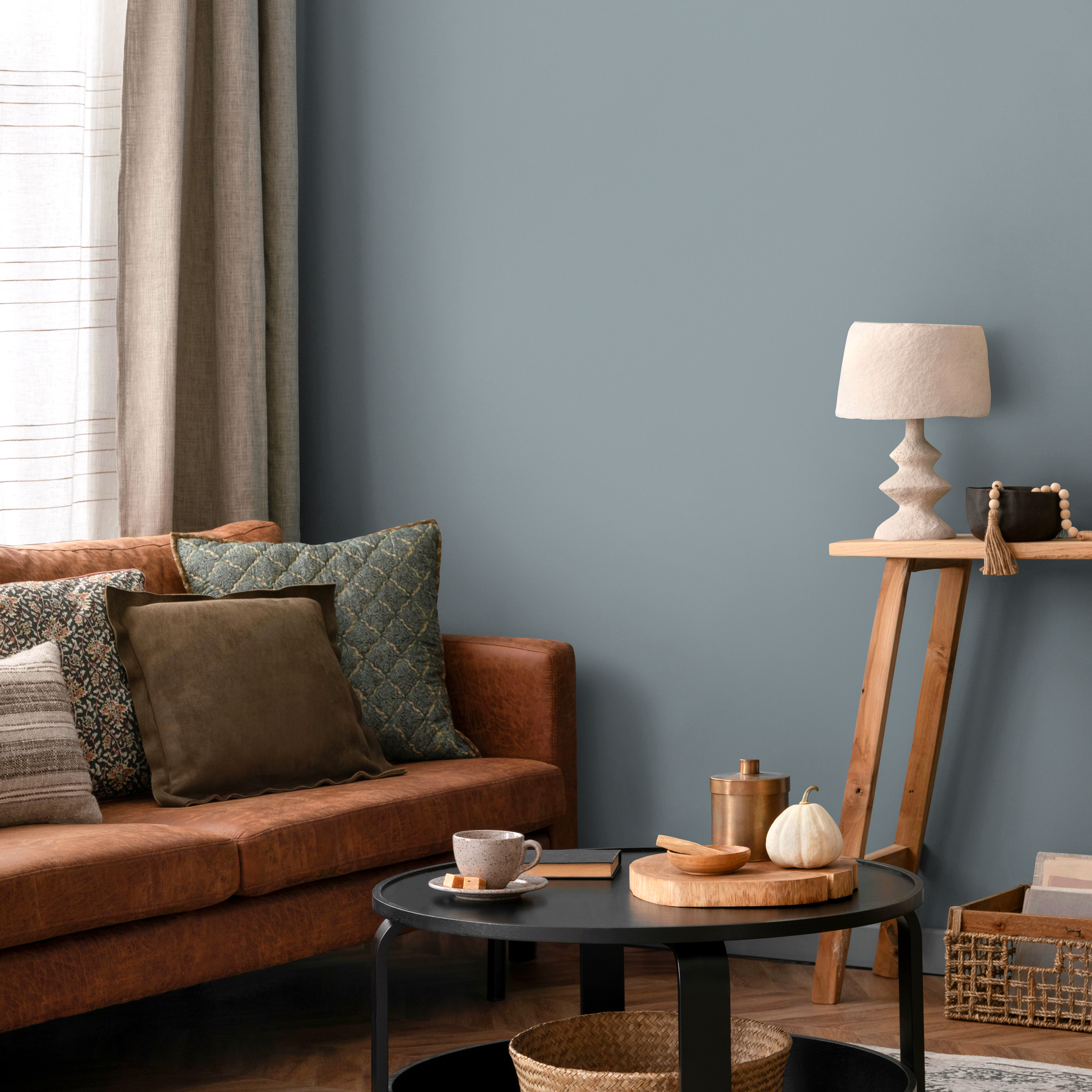
Concrete isn't just gray. The spectrum of cement aesthetics includes warm taupe (aged plaster), blue-gray (fresh pour), charcoal (polished industrial), pale limestone, and even pinkish terracotta (Mediterranean plaster). ONDECOR's free color customization means you can shift any cement wallpaper warmer or cooler to match your existing palette.
Pair cool gray cement wallpaper with warm wood accents and natural bamboo textures for a balanced modern interior. Warm cement tones work beautifully alongside autumn-inspired color palettes — rusts, ambers, and deep greens. For a monochromatic industrial look, layer multiple cement textures: smoother on walls, rougher on an accent wall.
Popular Cement and Concrete Wallpaper Patterns
Polished concrete: Smooth, even, with subtle aggregate variations visible beneath a lightly reflective surface. This is the refined industrial look — think high-end galleries and luxury retail spaces.
Raw/board-formed concrete: Shows the grain of wooden formwork boards, knots, and joints. This texture tells the story of how concrete is actually made and appeals to architecture enthusiasts who appreciate process-visible design.
Weathered cement: Patchy, uneven, with areas of exposed aggregate, water staining, and organic growth patterns. This distressed aesthetic works in wabi-sabi and rustic-industrial interiors.
Plaster/skim coat: The softer cousin of concrete — smooth but imperfect, with subtle trowel marks and gentle color variation. Less industrial, more Mediterranean, more livable.
Geometric concrete: Abstract geometric patterns rendered in cement textures — hexagonal tiles, chevrons, or architectural panel grids. These merge industrial materiality with deliberate pattern design.
Room-by-Room Cement Wallpaper Styling
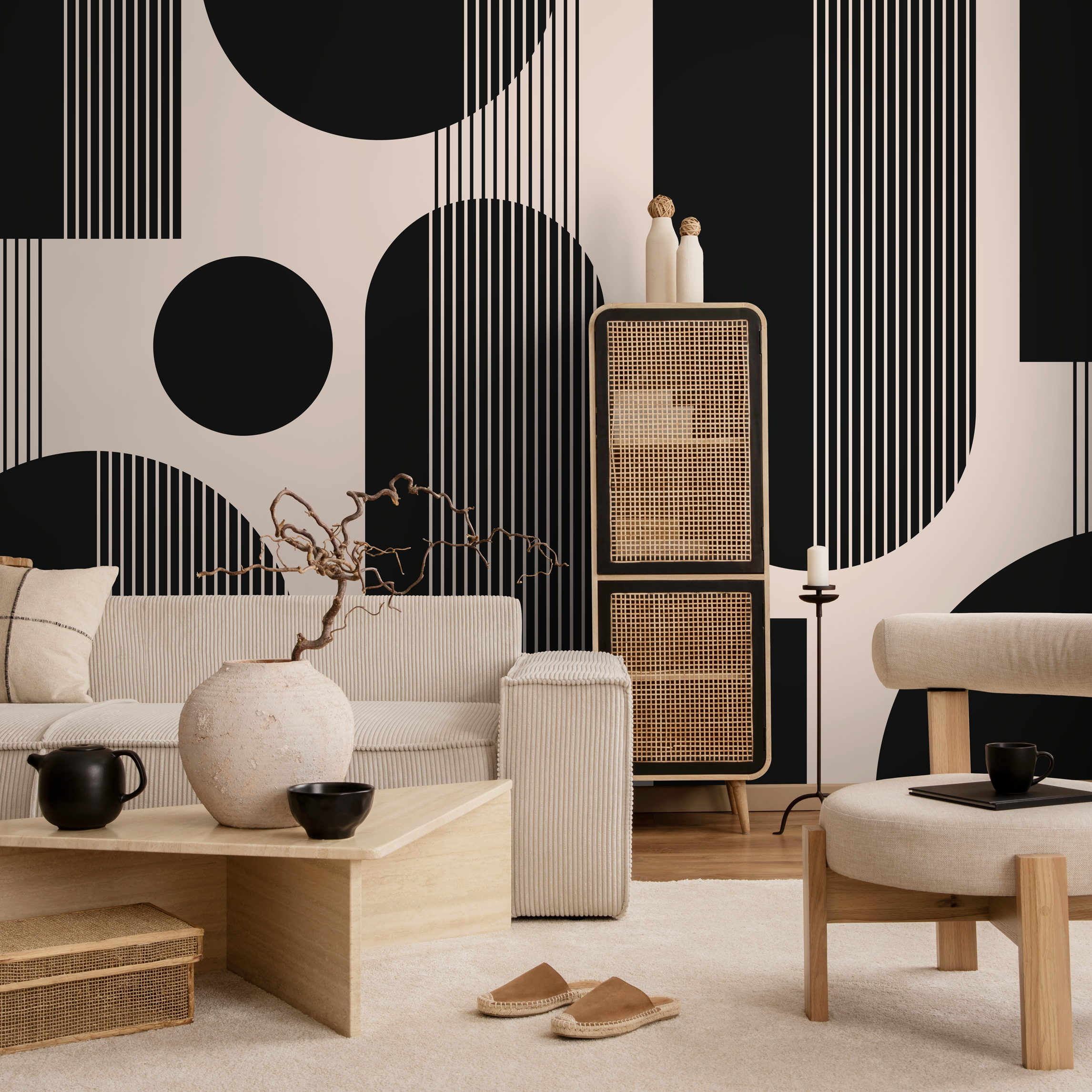
Living room: A cement accent wall behind the sofa or entertainment center establishes an industrial foundation without making the room feel like a parking garage. Warm the space with plush textiles, area rugs, and artistic wallpaper on adjacent surfaces.
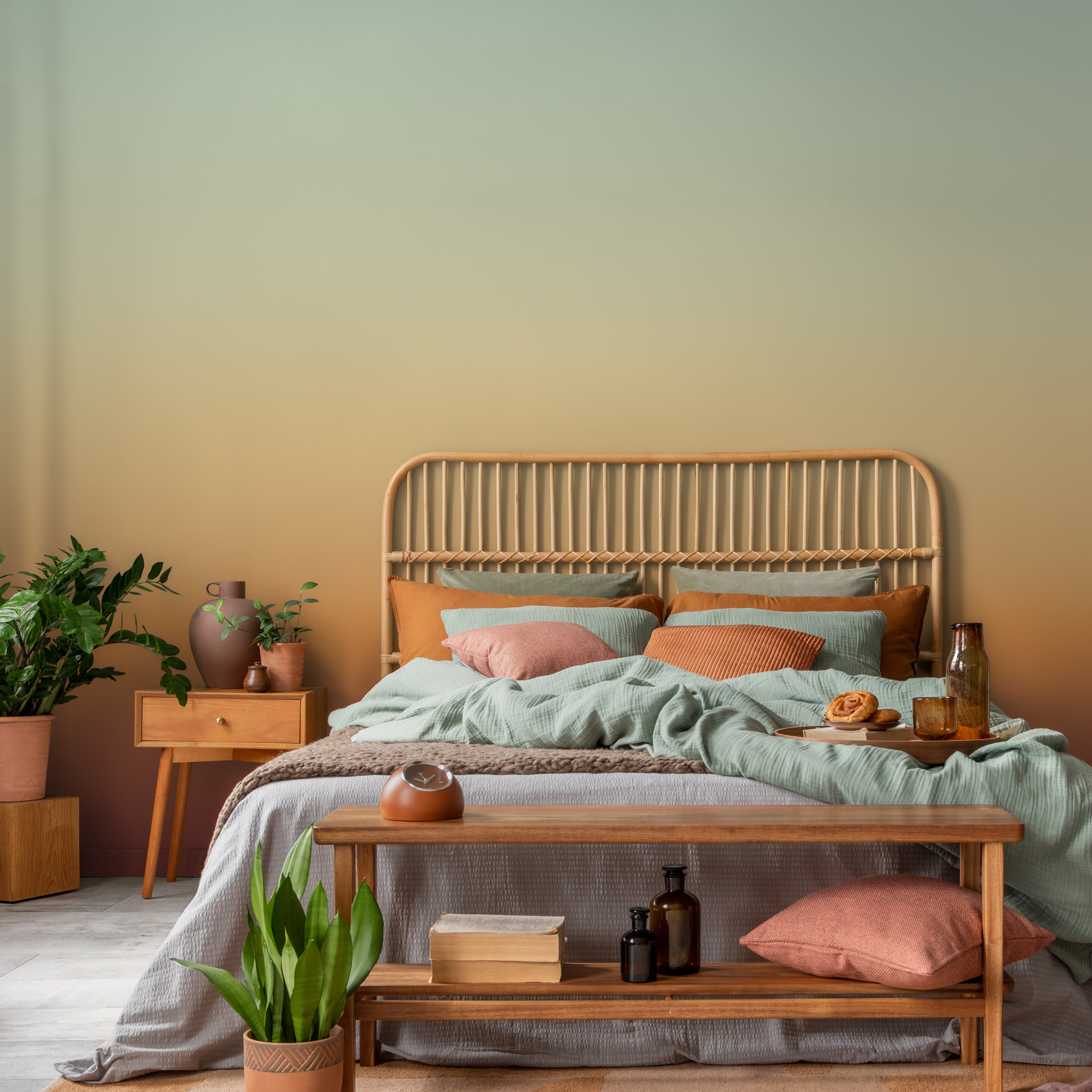
Bedroom: Cement wallpaper behind the headboard creates an urban loft atmosphere. Counterbalance the industrial coolness with soft bedding, warm-toned wood nightstands, and ambient lighting. For a coordinated look, explore bedroom wallpaper options that complement the industrial base.
Kitchen: Concrete-look wallpaper as a backsplash alternative or full kitchen wallpaper treatment pairs naturally with stainless steel appliances, open shelving, and butcher block countertops. It's the industrial kitchen look without demolition.
Bathroom: A cement-textured feature wall in a bathroom creates spa-like minimalism. The material reference — concrete is water-friendly by nature — feels contextually appropriate. Pair with matte black fixtures and floating vanities.
Home office: Industrial backdrops for video calls have become a deliberate design choice. Cement wallpaper provides a professional, design-forward background that reads well on camera without being distracting.
Dining room: An industrial dining room wallpaper approach pairs cement walls with warm pendant lighting, reclaimed wood tables, and mixed-metal chairs. The contrast between rough walls and refined tableware creates visual tension that makes the space memorable.
Décor Pairing Guide for Cement Wallpaper
Warm industrial: The most popular approach — cement wallpaper balanced by warm wood, cognac leather, brass or copper accents, and green plants. The formula works because organic materials humanize the industrial base. Barnwood peel and stick on an adjacent surface amplifies the warm-industrial contrast.
Minimalist: Let the cement texture be the room's primary visual interest. White ceiling, concrete walls, minimal furniture in neutral tones, one statement light fixture. Everything secondary fades, making the texture itself the focus.
Japandi: Japanese-Scandinavian fusion loves concrete — it provides the honest materiality both traditions value. Combine cement wallpaper with Asian-influenced peel and stick patterns on a feature wall, low-profile furniture, and carefully curated objects.
Eclectic gallery: Use cement wallpaper as a gallery backdrop — the neutral, textured surface makes artwork pop the way it does in actual gallery spaces. Frame colorful prints, photographs, and mixed-media pieces against the industrial canvas.
Retro industrial: Combine cement wallpaper with 1970s-era peel and stick accents — earthy tones, organic shapes, vintage furniture. This creates a lived-in, Brooklyn-loft atmosphere where multiple decades coexist comfortably.
Concrete in Design History
Concrete has been a building material for over 2,000 years — Roman concrete (opus caementicium) built the Pantheon's dome, still standing after nearly two millennia. But exposed concrete as a deliberate aesthetic choice emerged only in the mid-20th century with Brutalism. Architects like Le Corbusier, Tadao Ando, and Louis Kahn transformed raw concrete from a hidden structural material into a visible, even beautiful surface.
Tadao Ando's concrete is legendary — smooth, precisely formed, with circular tie-hole marks arranged in deliberate grids. His Church of the Light in Osaka proved that raw concrete could be spiritual, not just structural. By the 2000s, exposed concrete had migrated from institutional architecture into residential and commercial design, becoming shorthand for authenticity, materiality, and unpretentious sophistication.
Cement wallpaper extends this material honesty to spaces where real concrete isn't feasible — apartment bedrooms, suburban kitchens, rental bathrooms — making the Brutalist aesthetic democratic. Architectural wallpaper patterns that reference concrete, steel, and stone continue this tradition of bringing honest materials into everyday interiors.
How Much Cement Wallpaper Do I Need?
Measure your wall width and height in inches. ONDECOR panels are typically 24 inches wide — divide wall width by 24 and round up for your panel count. Each panel is custom-cut to your exact wall height. The straight-match tiled system means zero wasted pattern repeat, and custom sizing ensures panels arrive ready to install without trimming.
For a single accent wall, you'll typically need 4-8 panels depending on wall width. For a full room, calculate each wall separately and add the totals. Order 5% extra for corners and cutting waste. Free samples let you confirm texture and color fidelity before committing to the full order.
Why ONDECOR Is Different
Mass-market cement wallpaper often suffers from flat, unconvincing printing that reads as "wallpaper pretending to be concrete" rather than "surface that happens to be wallpaper." ONDECOR's on-demand printing on PVC-free materials captures the nuance of real cement — aggregate variation, subtle color shifts, organic imperfection. Free customization lets you adjust warmth, darkness, and patina level to match your vision exactly.
Free shipping on all US orders, $2 flat-rate sample shipping, 1-4 day production with rush availability, and free exchanges if the result doesn't meet expectations. The combination of quality, customization, and risk-free purchasing makes ONDECOR the clear choice for faux-concrete wallpaper.
Installation Tips for Cement Wallpaper
Peel and stick: Cement textures are forgiving during installation — the organic variation in the pattern hides minor alignment imperfections that would be visible in geometric designs. Start from one corner and work across, keeping panel edges butted tightly. The straight match makes this intuitive.
Traditional paste: Apply adhesive to the wall surface, position panels from top to bottom, and smooth outward. Cement wallpaper's continuous texture means seams virtually disappear once pressed together — one of the advantages of textural patterns over graphic ones.
Surface prep: For best adhesion, ensure walls are clean, dry, and smooth. Sand any bumps and fill nail holes before applying. On freshly painted walls, wait at least 3-4 weeks for paint to fully cure before applying peel and stick wallpaper.
Related Collections
- Abstract wallpaper designs
- Architectural wallpaper patterns
- Apartment-friendly wallpaper
- Backdrop peel and stick wallpaper
- Barnwood peel and stick wallpaper
- Bauhaus peel and stick wallpaper
- Beach-inspired wallpaper
- Bedroom wallpaper collection
- Aztec peel and stick wallpaper
- Arabesque peel and stick patterns
What is cement peel and stick wallpaper?
Cement peel and stick wallpaper is a removable wall covering that replicates the look of raw concrete, polished plaster, or weathered cement. It applies like a sticker and removes without wall damage, making it ideal for renters and commitment-free renovations.
Does cement wallpaper look realistic?
ONDECOR's cement wallpaper is printed using high-resolution techniques that capture aggregate variation, trowel marks, and natural color shifts. The result is highly convincing, especially from normal viewing distances. Ordering a free sample lets you evaluate the realism in your own lighting.
What rooms suit cement wallpaper best?
Living rooms, bedrooms (behind headboards), kitchens, bathrooms, and home offices are all popular applications. Cement wallpaper works anywhere you want an industrial, modern, or minimalist aesthetic.
Can I customize the color of cement wallpaper?
Yes. ONDECOR offers free color customization — shift the cement warmer, cooler, lighter, or darker to match your palette. Unlimited revisions at no extra charge.
Is cement wallpaper suitable for bathrooms?
Yes. ONDECOR's PVC-free cement wallpaper works well in bathrooms, especially well-ventilated ones. The industrial aesthetic is particularly popular in modern and spa-inspired bathroom designs.
How do I install cement peel and stick wallpaper?
Clean and dry the wall surface. Start from one corner and apply panels edge-to-edge. The organic texture of cement patterns is forgiving — minor imperfections are invisible. Use a smoothing tool to press out air bubbles.
Does ONDECOR cement wallpaper ship free?
Yes. All US orders include free shipping with no minimum purchase. Samples ship for $2 flat rate. International orders ship free above $150 (Mexico/Canada) or $250 (rest of world).
Is cement wallpaper eco-friendly?
ONDECOR's cement wallpaper is made in the USA from PVC-free, eco-friendly materials. The on-demand printing model and tiled panel system minimize waste compared to traditional wallpaper rolls.
Can cement wallpaper be used as a backsplash?
Cement peel and stick wallpaper works as a temporary backsplash alternative in kitchens, though it should be kept away from direct heat sources. For areas near stoves, consider adding a clear protective layer.
What furniture styles pair with cement wallpaper?
Warm wood furniture, leather seating, brass or copper accents, and green plants are the classic pairings. Mid-century modern, Japandi, Scandinavian minimal, and eclectic styles all work beautifully against cement-textured walls.


