












Best Peel and Stick Wallpaper for Renters
Peel and stick wallpaper for renters is one of the fastest ways to make an apartment feel intentional without paint, renovation, or permanent wall changes. It gives plain white walls texture, color, and personality, then removes more cleanly than traditional wallpaper when it is time to move.
The best renter-friendly wallpaper is not only removable. It also fits the scale of your space, works with existing flooring and cabinets, and can be applied without specialty tools. Whether you want an accent wall behind a bed, a small powder room refresh, or a peel-and-stick backsplash look in the kitchen, the right temporary wallpaper can make a rental feel like home.
## Why Peel and Stick Wallpaper for Renters Works
Most rentals limit permanent changes. Paint may require approval. Traditional wallpaper can be difficult to remove. Tile, paneling, and built-ins are usually off the table. Peel and stick wallpaper solves that design problem because it uses a self-adhesive backing instead of paste.
For renters, the advantages are clear:
- It can be installed without paste or professional equipment.
- It is easier to test in small areas before covering a full wall.
- It can transform builder-basic rooms without major changes.
- It works for accent walls, furniture panels, shelves, closet doors, and backsplashes.
- It can usually be removed by peeling slowly from the wall, as long as the wall surface was suitable and properly prepared.
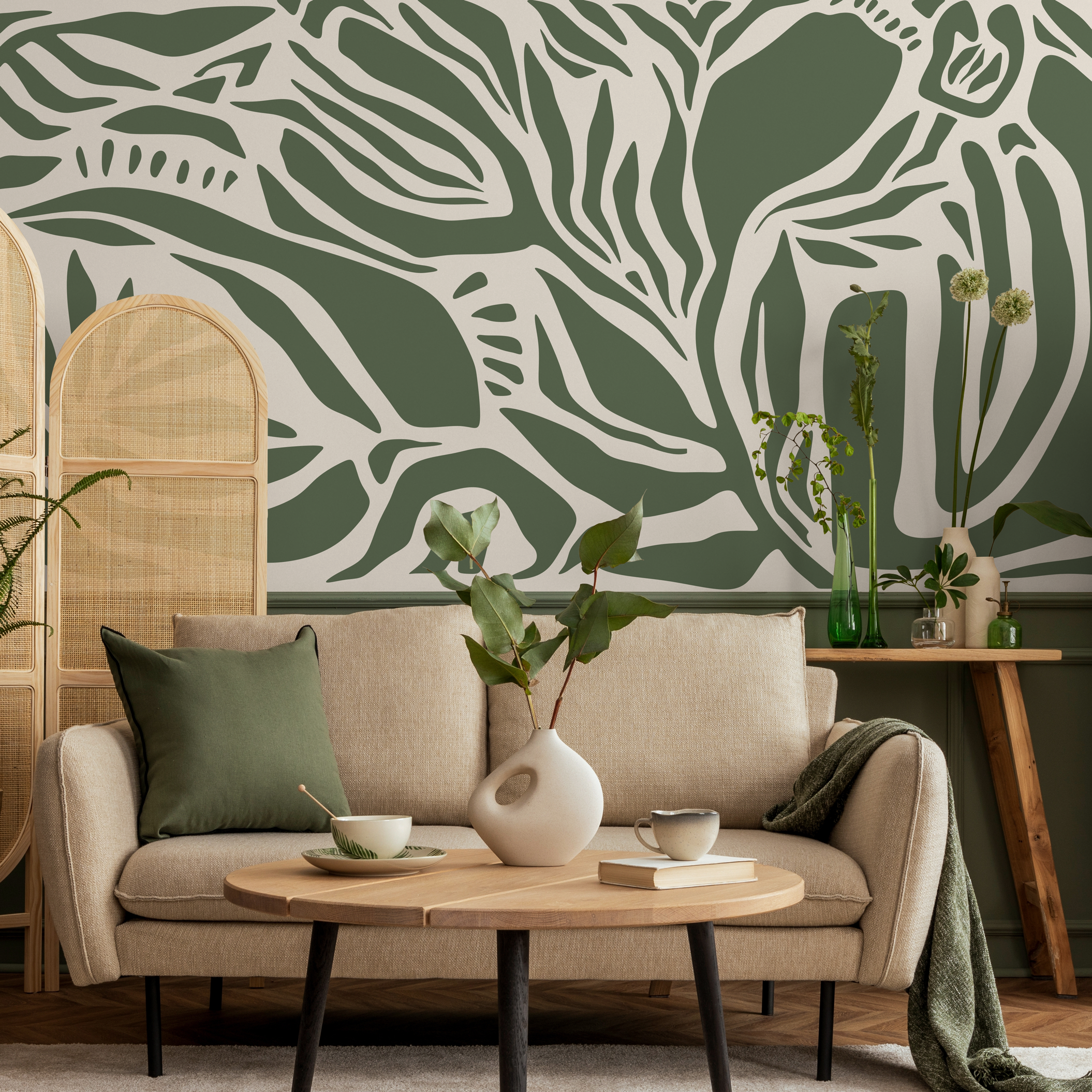
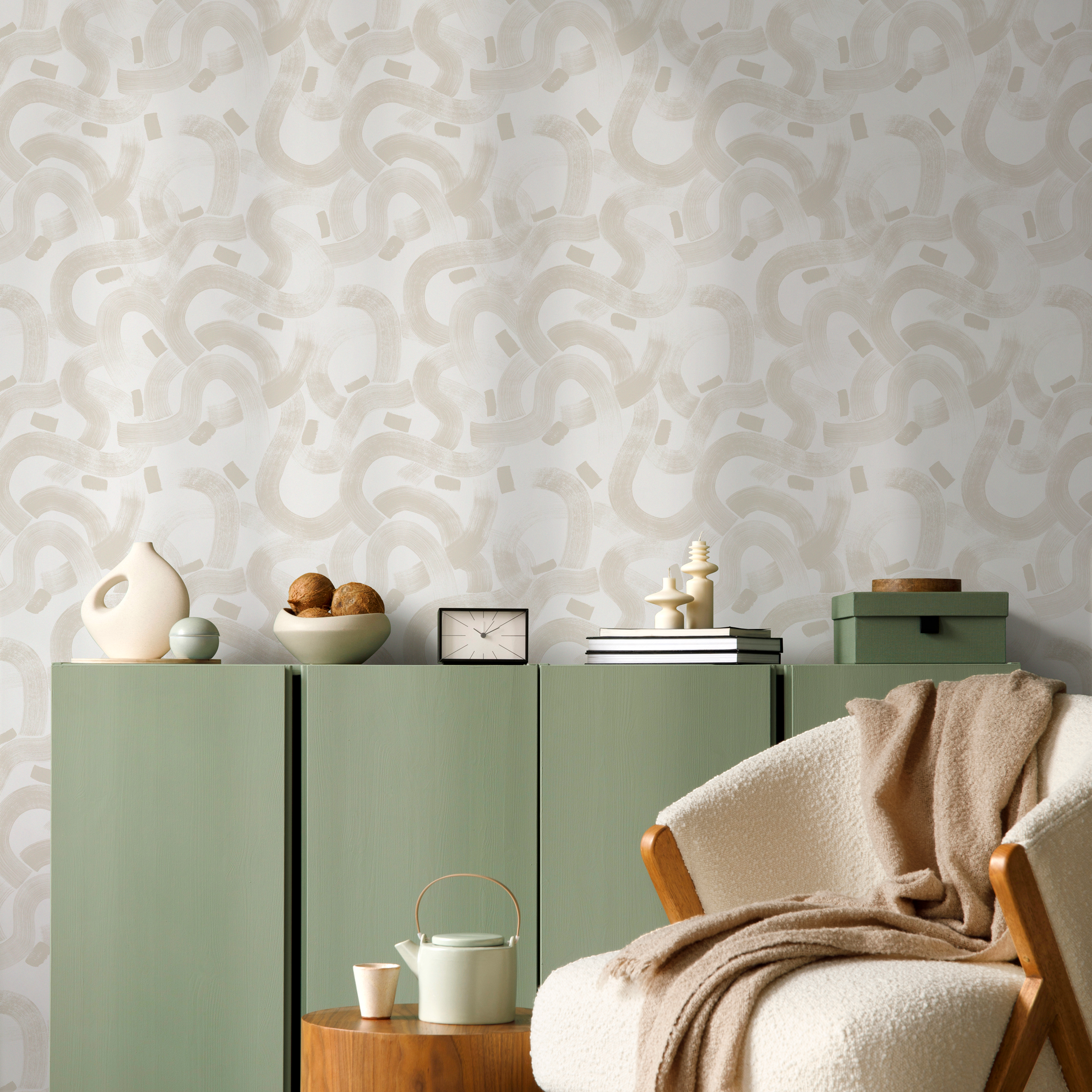
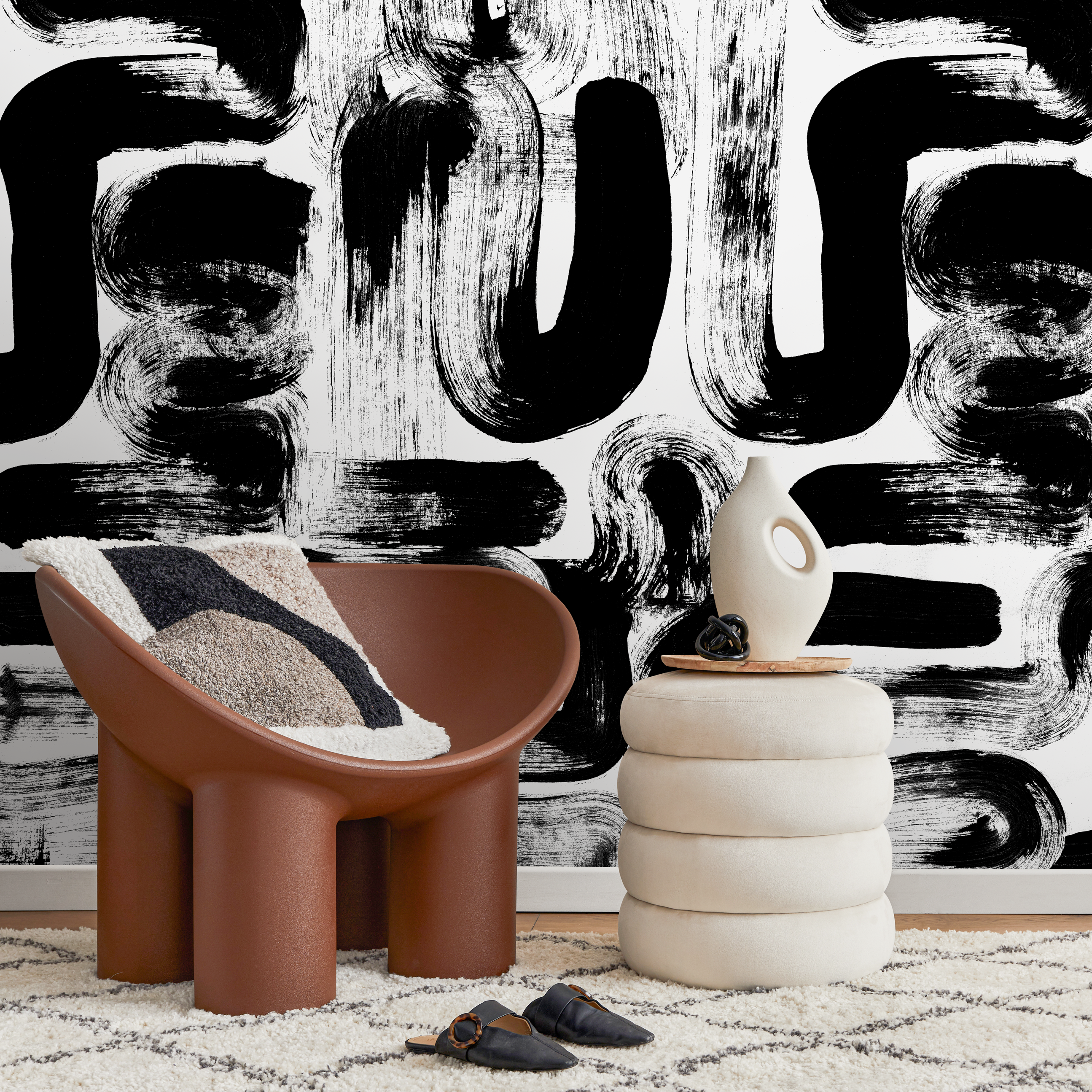
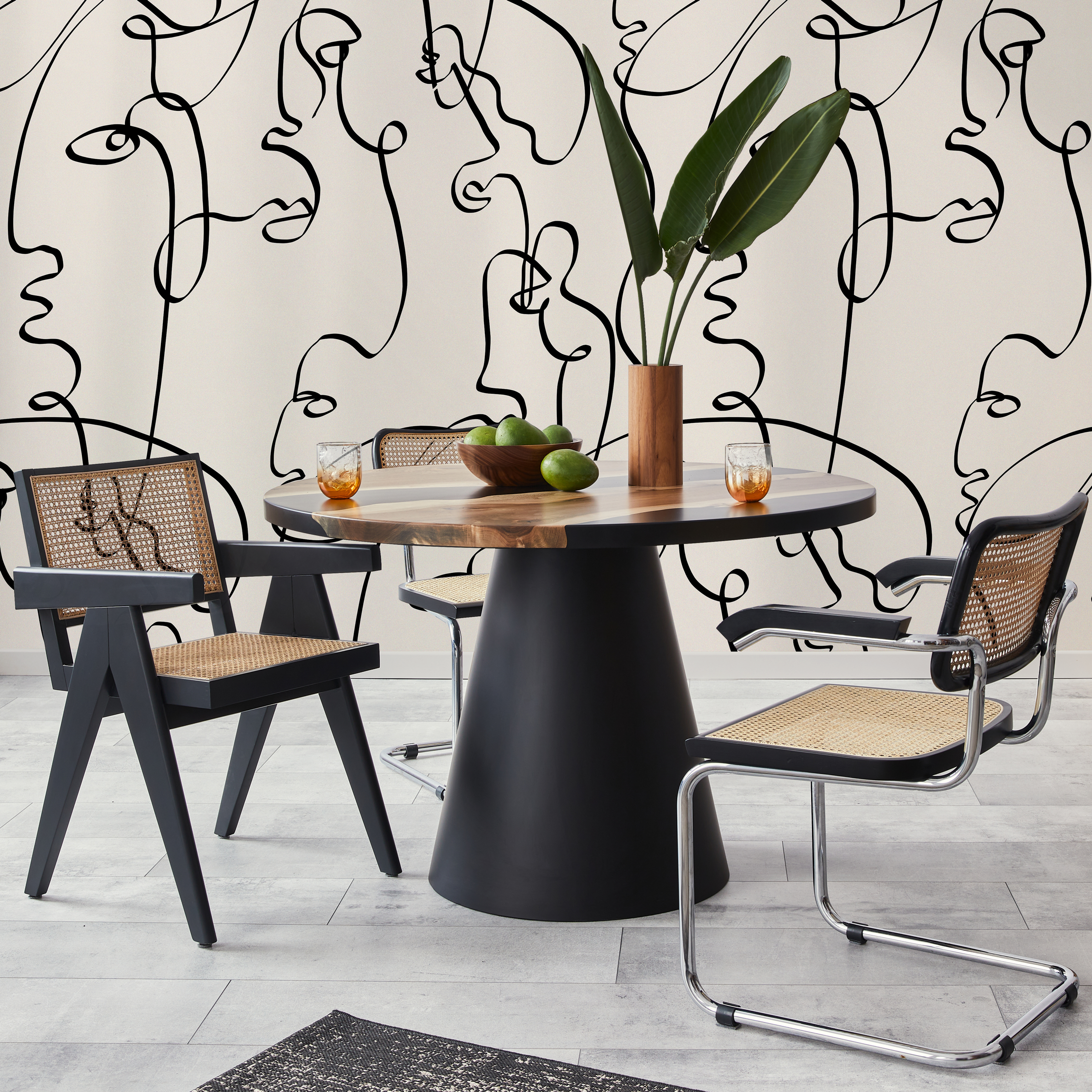
Start with ONDECOR's Peel and Stick Removable Wallpaper to compare renter-friendly styles.
Another advantage is speed. A single accent wall can often be completed in an afternoon, which makes removable wallpaper a realistic project before guests arrive, before a new lease starts, or when you want a visible change without living through a renovation. It also gives renters a way to define zones in open layouts. Wallpaper behind a desk can create a work area. Wallpaper behind a dining table can make a small apartment feel less temporary. Wallpaper behind a bed can replace the feeling of a built-in headboard.
The best approach is to treat peel-and-stick wallpaper as design with flexibility, not as a shortcut that should be rushed. Choose a quality pattern, test your wall, measure carefully, and order enough for pattern matching. That preparation is what makes a renter-friendly update look intentional instead of temporary.
## Top Patterns for Apartments
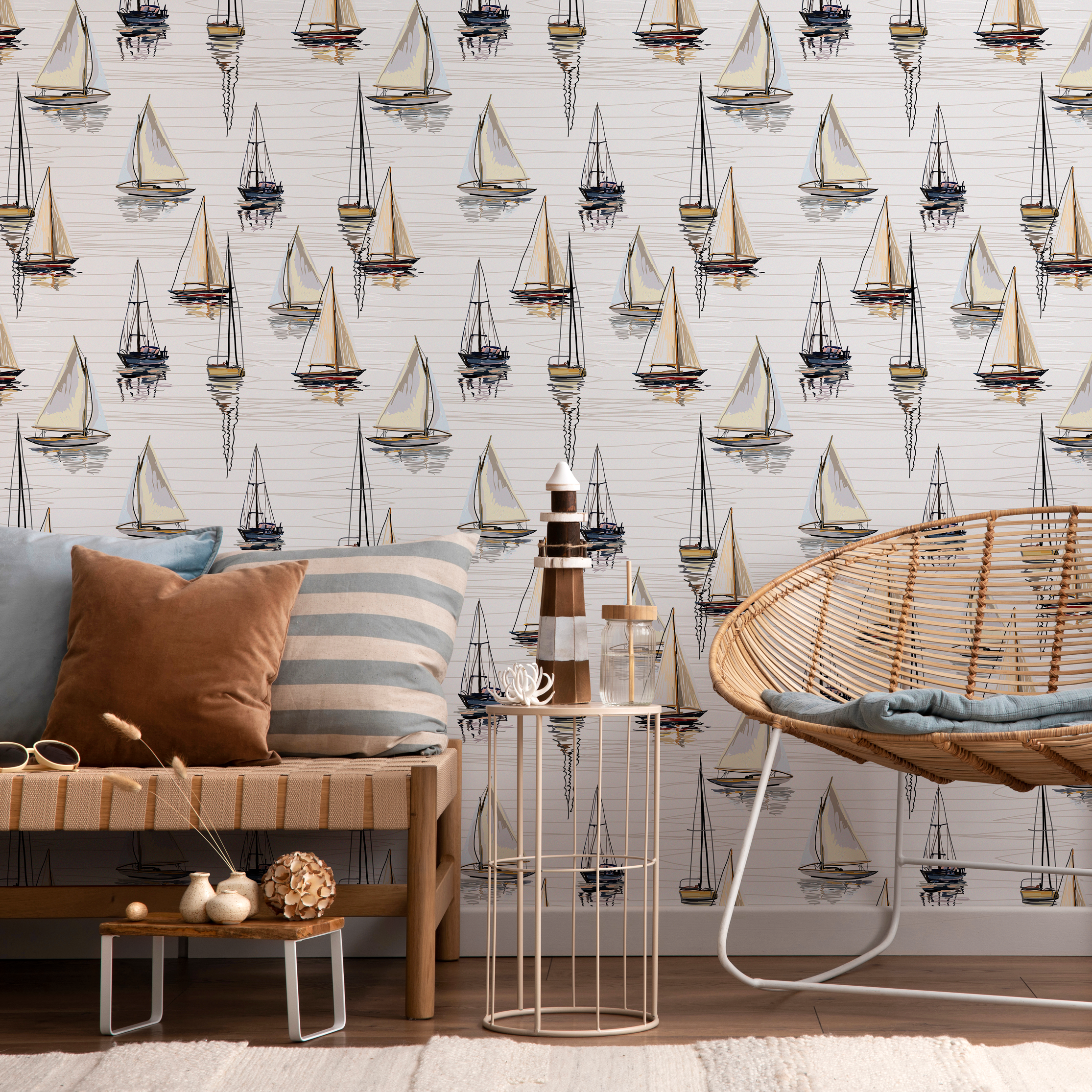
Apartment wallpaper should make an impact without overwhelming limited square footage. Because many rentals have neutral flooring, white walls, and standard cabinets, pattern is a useful way to create a more finished look.
### Small Spaces
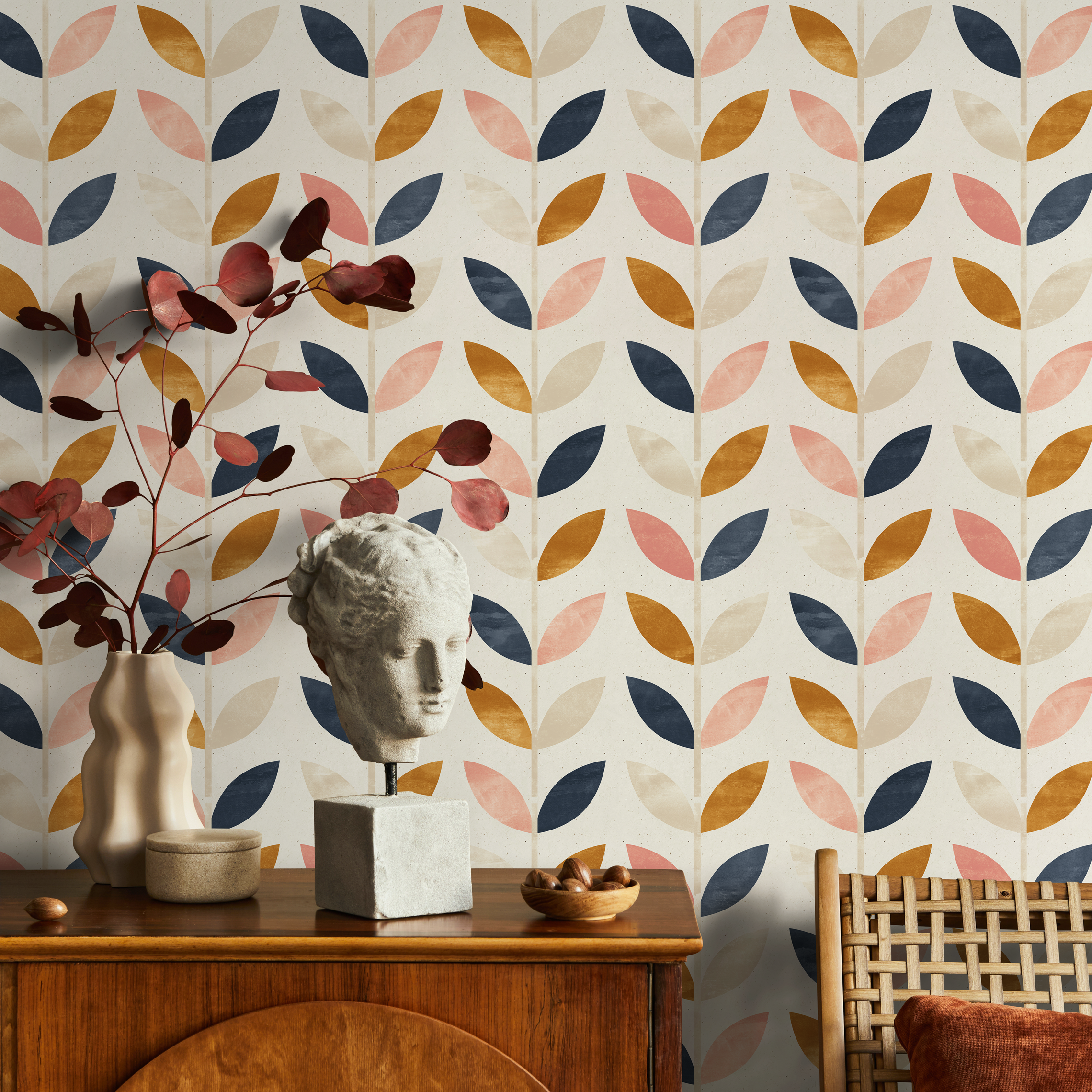
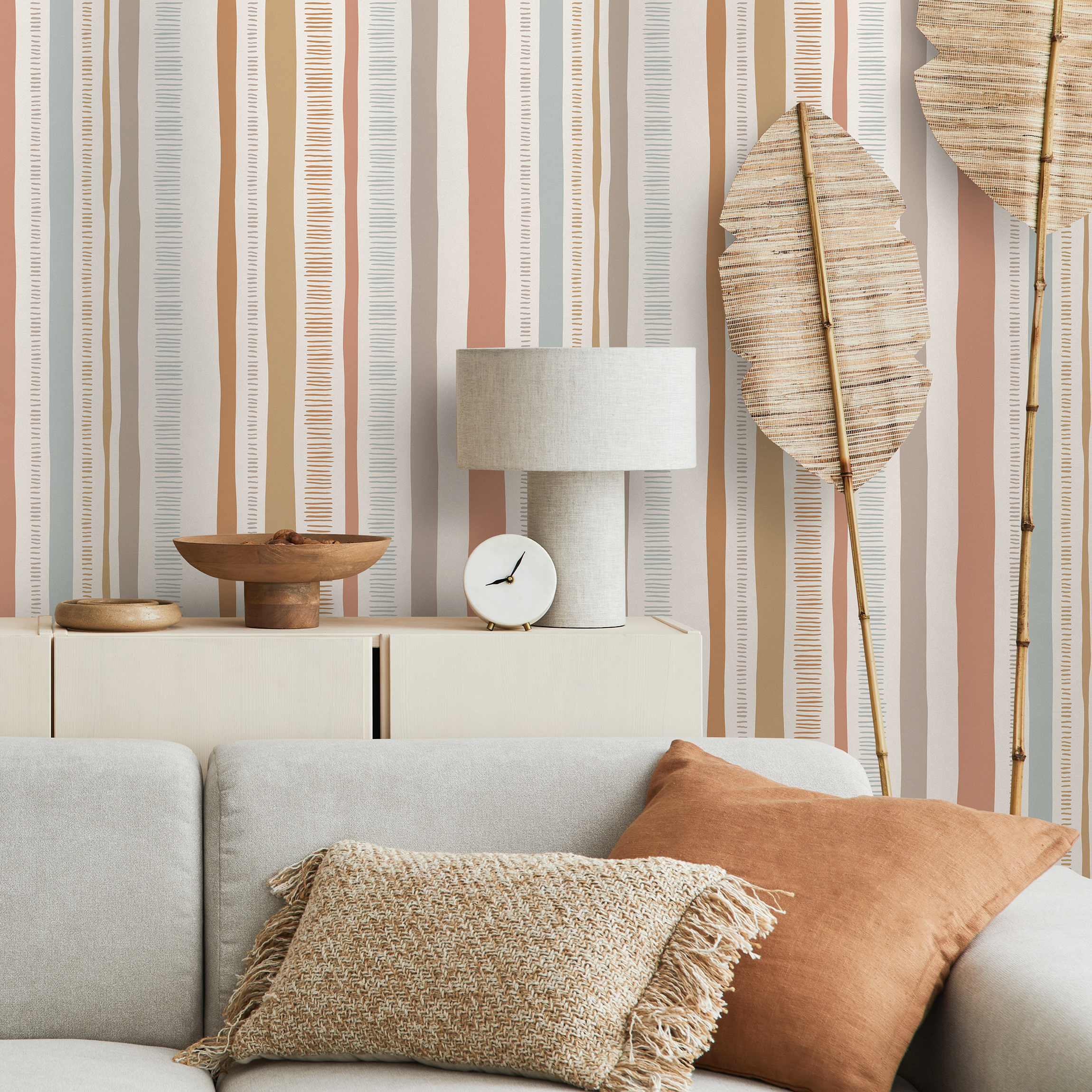
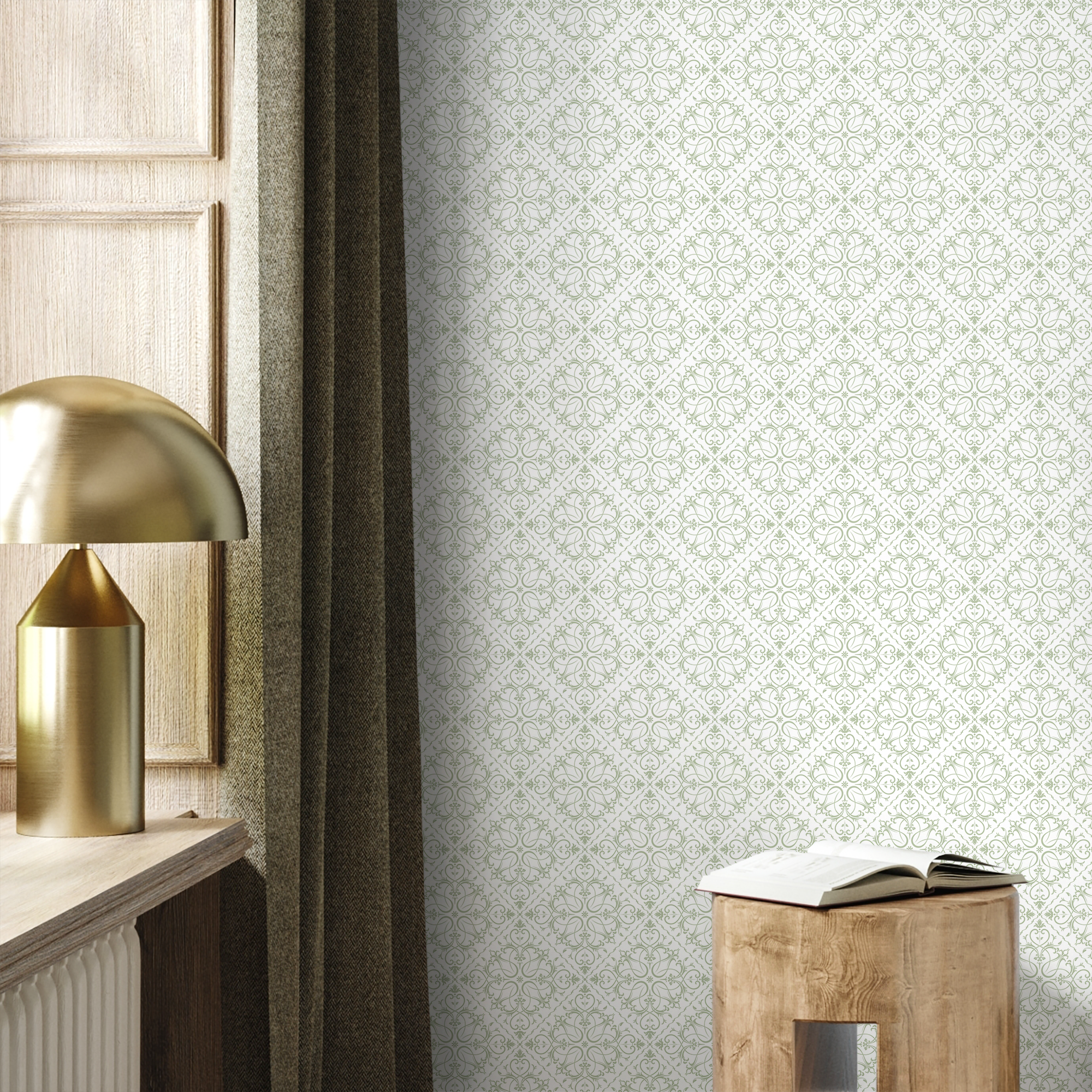
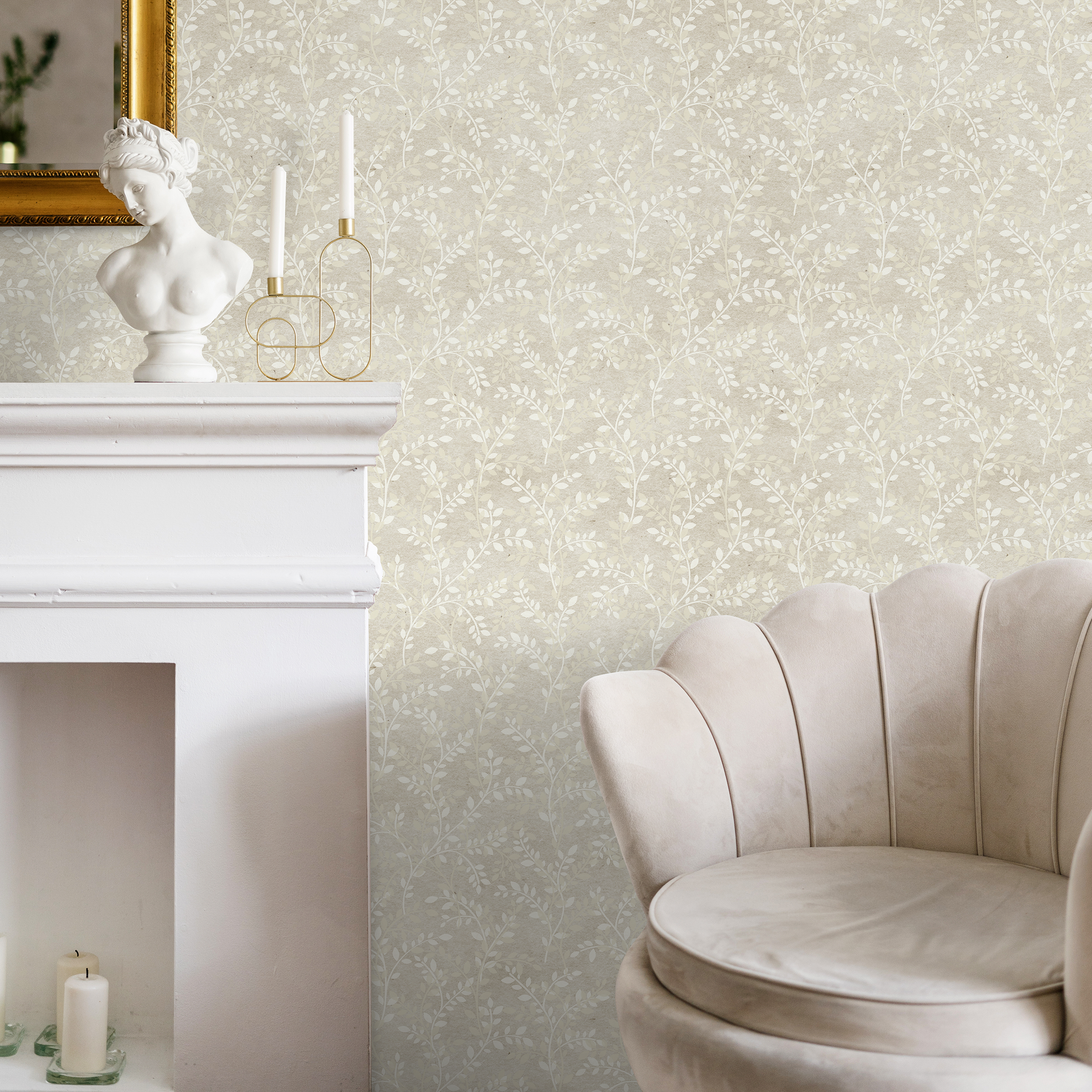
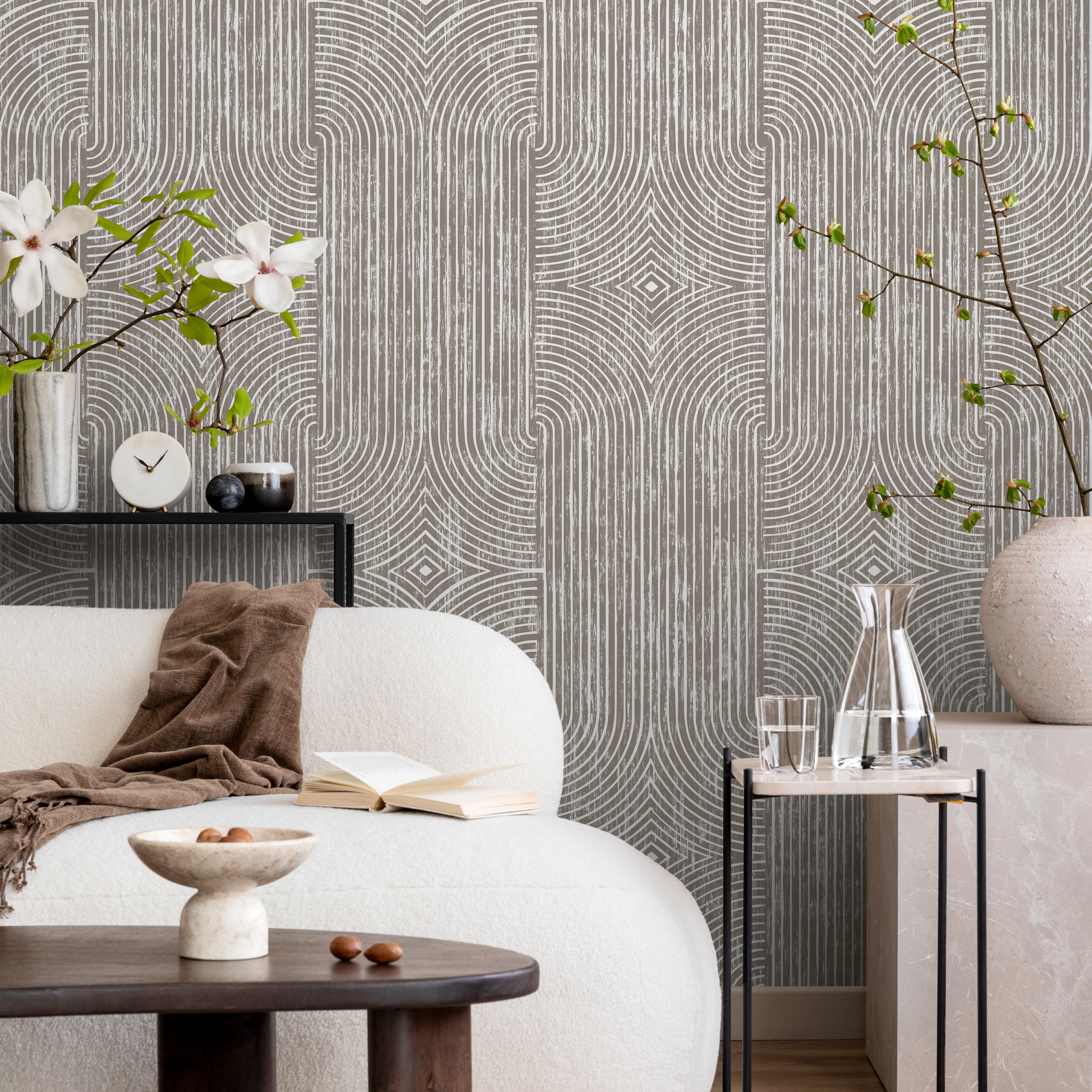
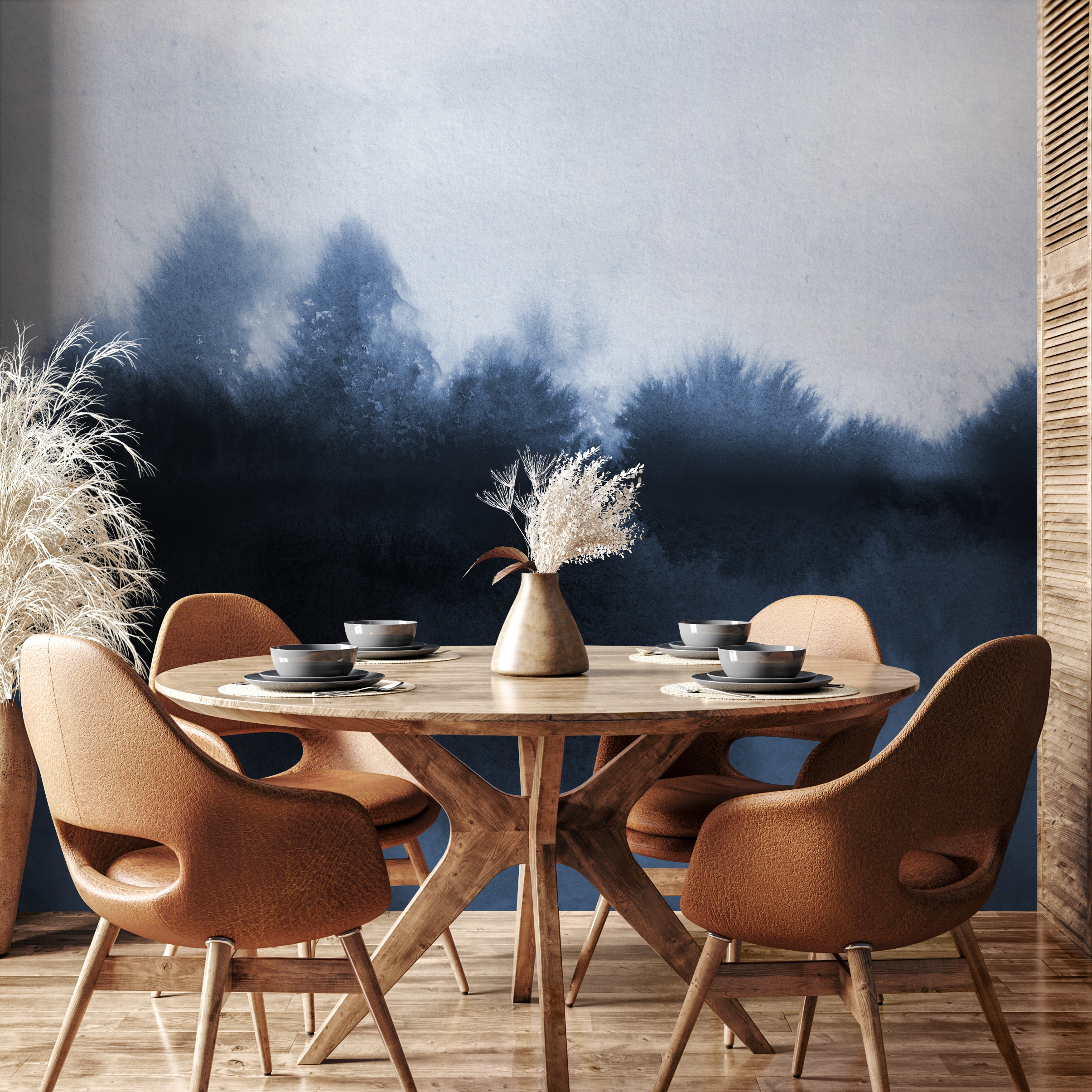
For studios, small bedrooms, narrow entries, and compact bathrooms, choose wallpaper with a clear repeat and enough breathing room. Vertical stripes, small botanicals, soft geometrics, and watercolor textures can add movement without closing in the room.
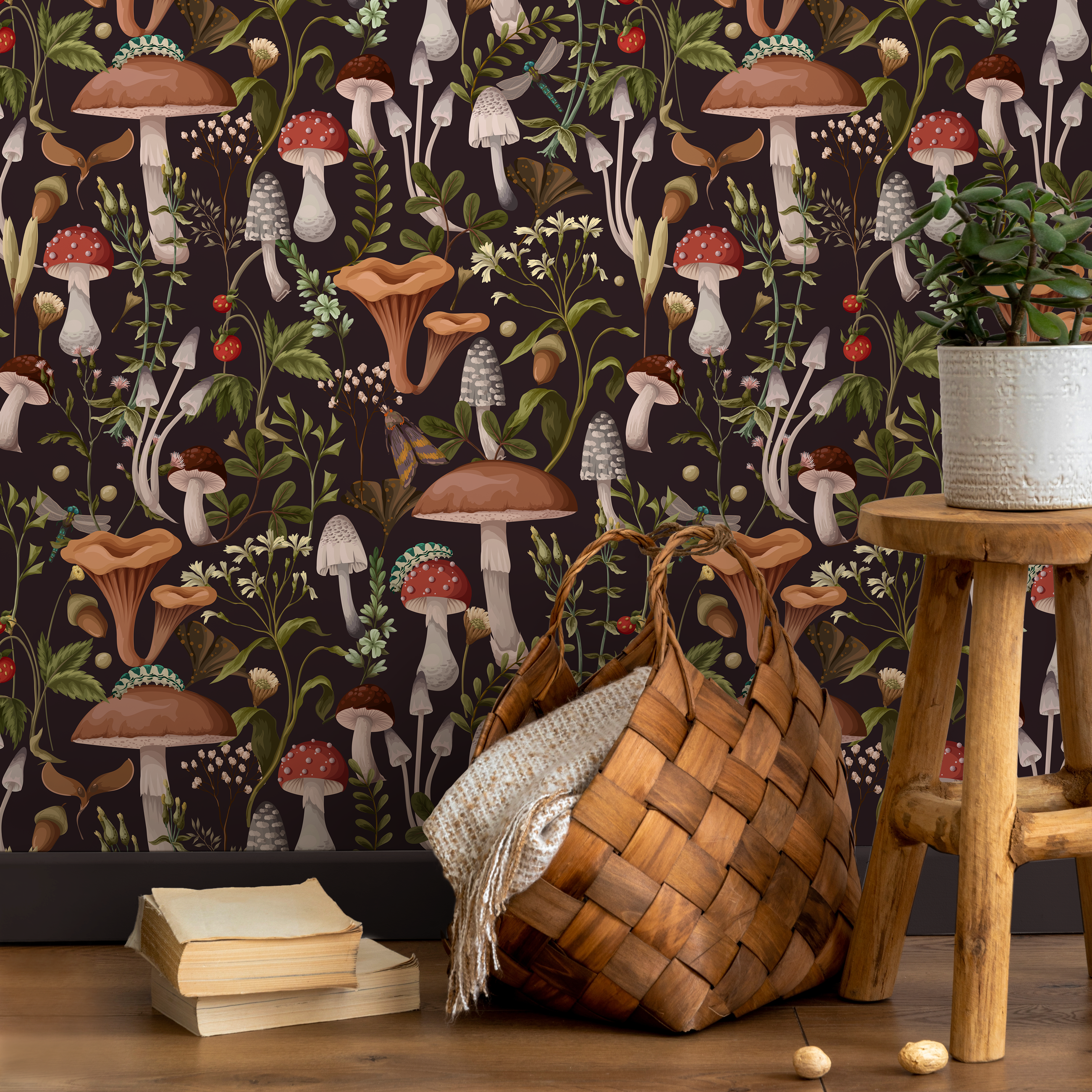
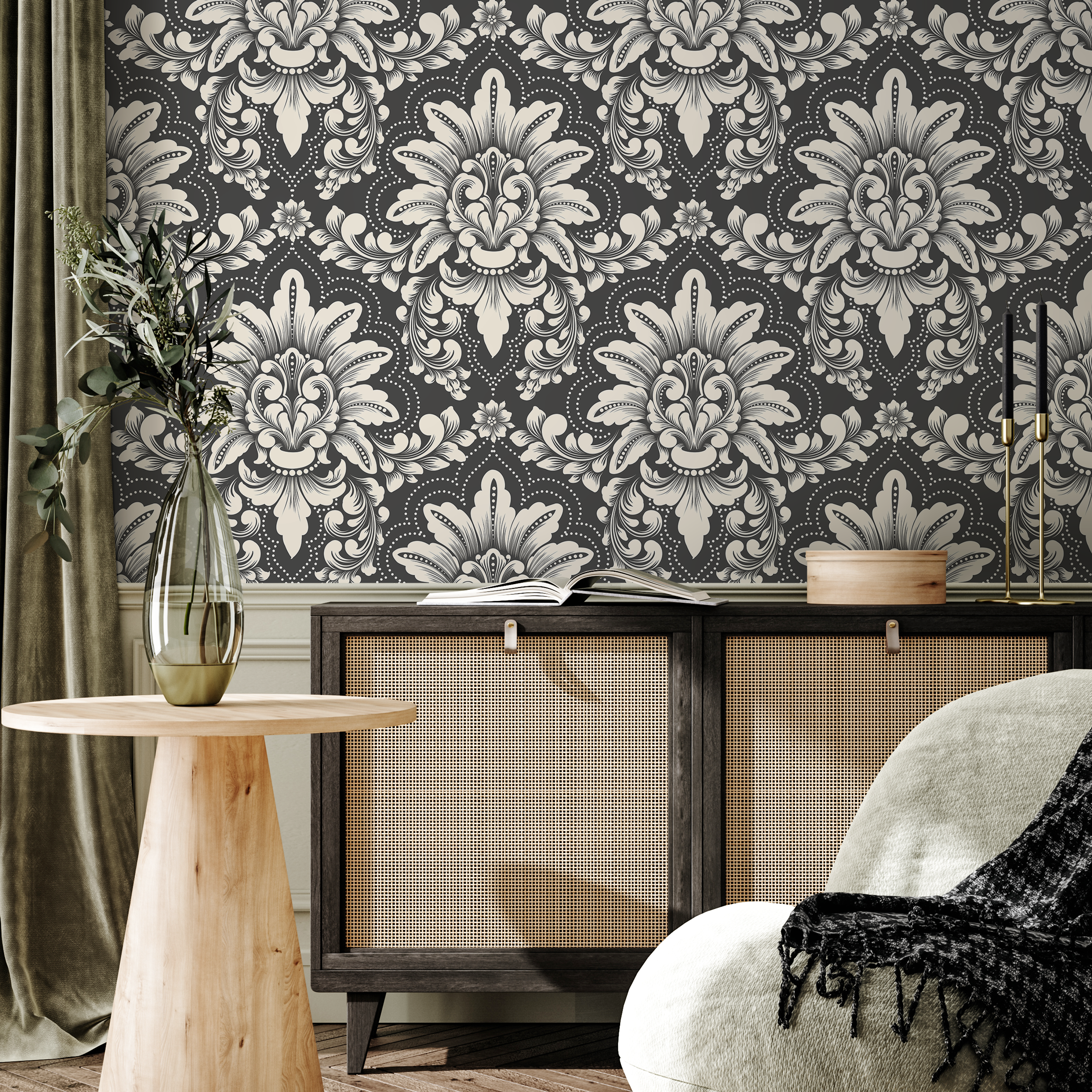
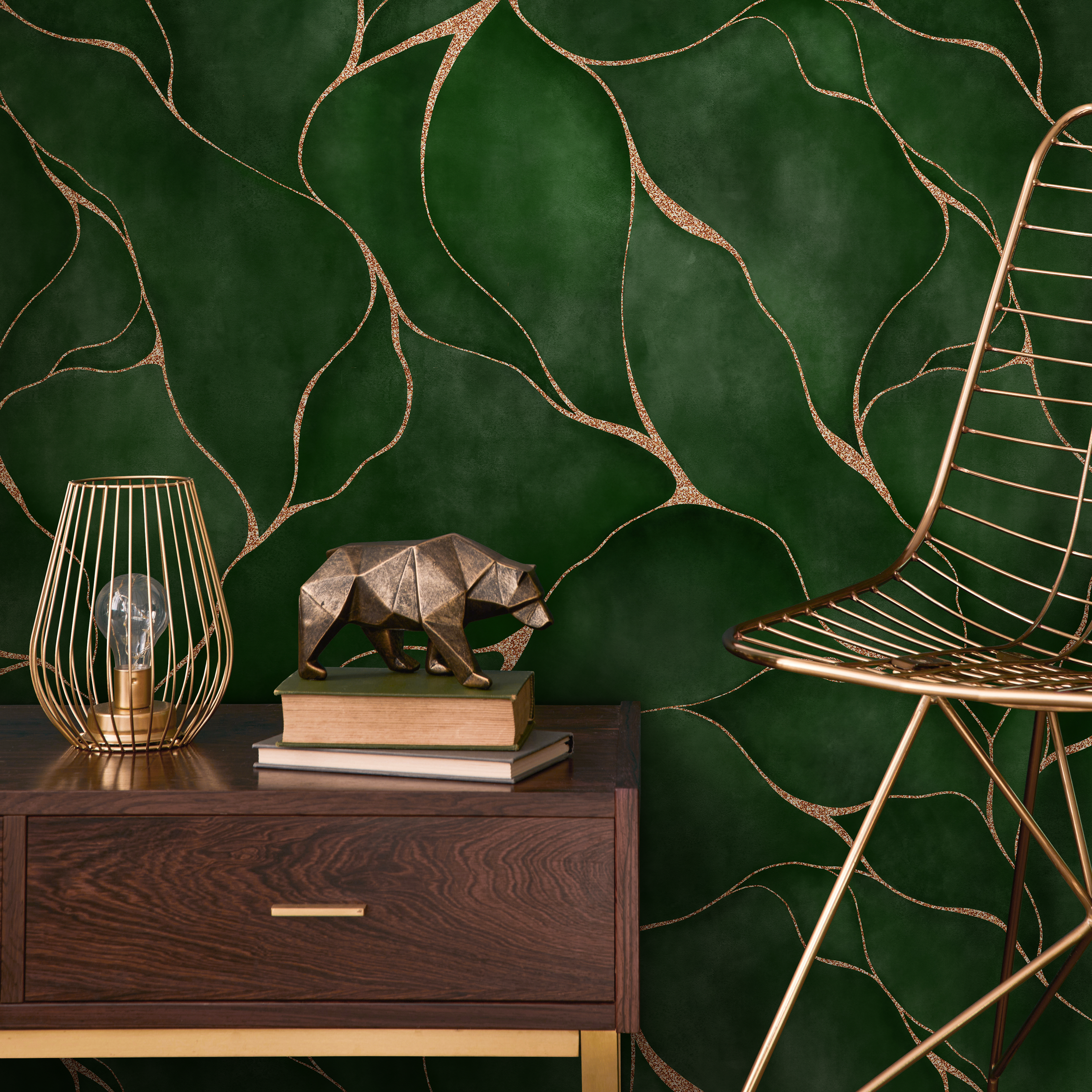
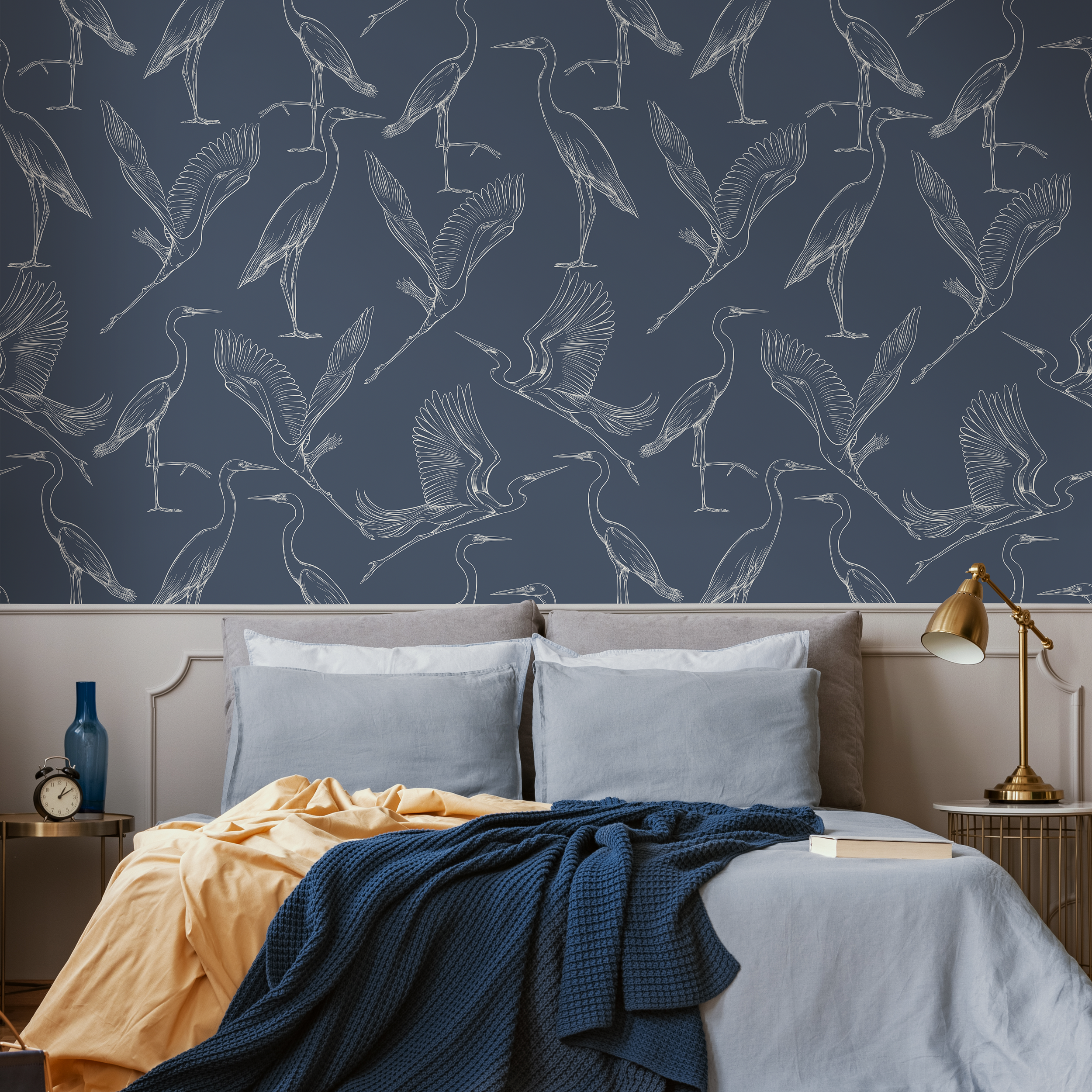
Light backgrounds can make a small rental feel more open. Dark backgrounds can work beautifully in powder rooms, dining nooks, or behind a bed when you want a cozy focal point.
### Accent Walls
Accent walls are ideal for renters because they control cost and effort. Good apartment accent wall locations include:
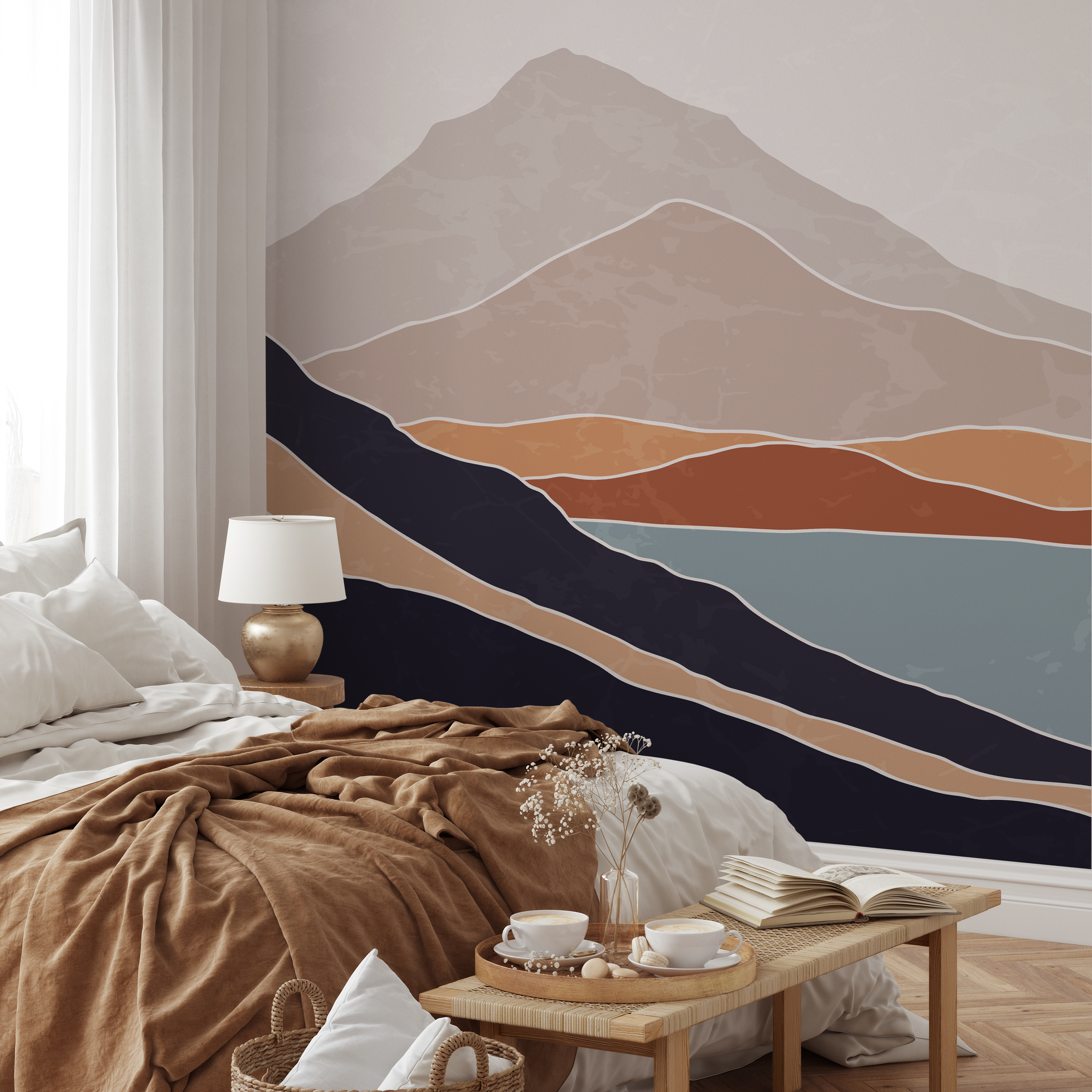
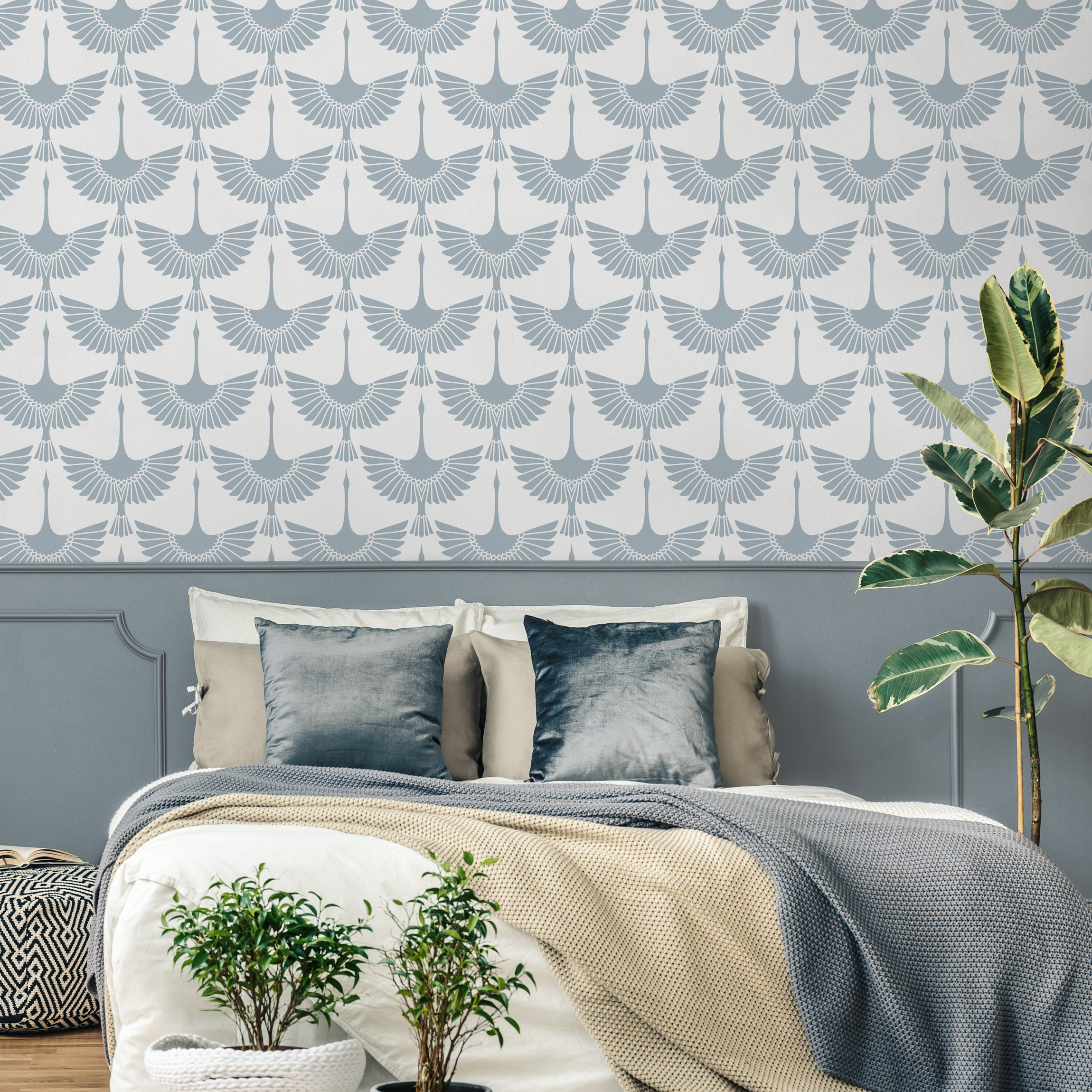
- Behind the bed in a bedroom
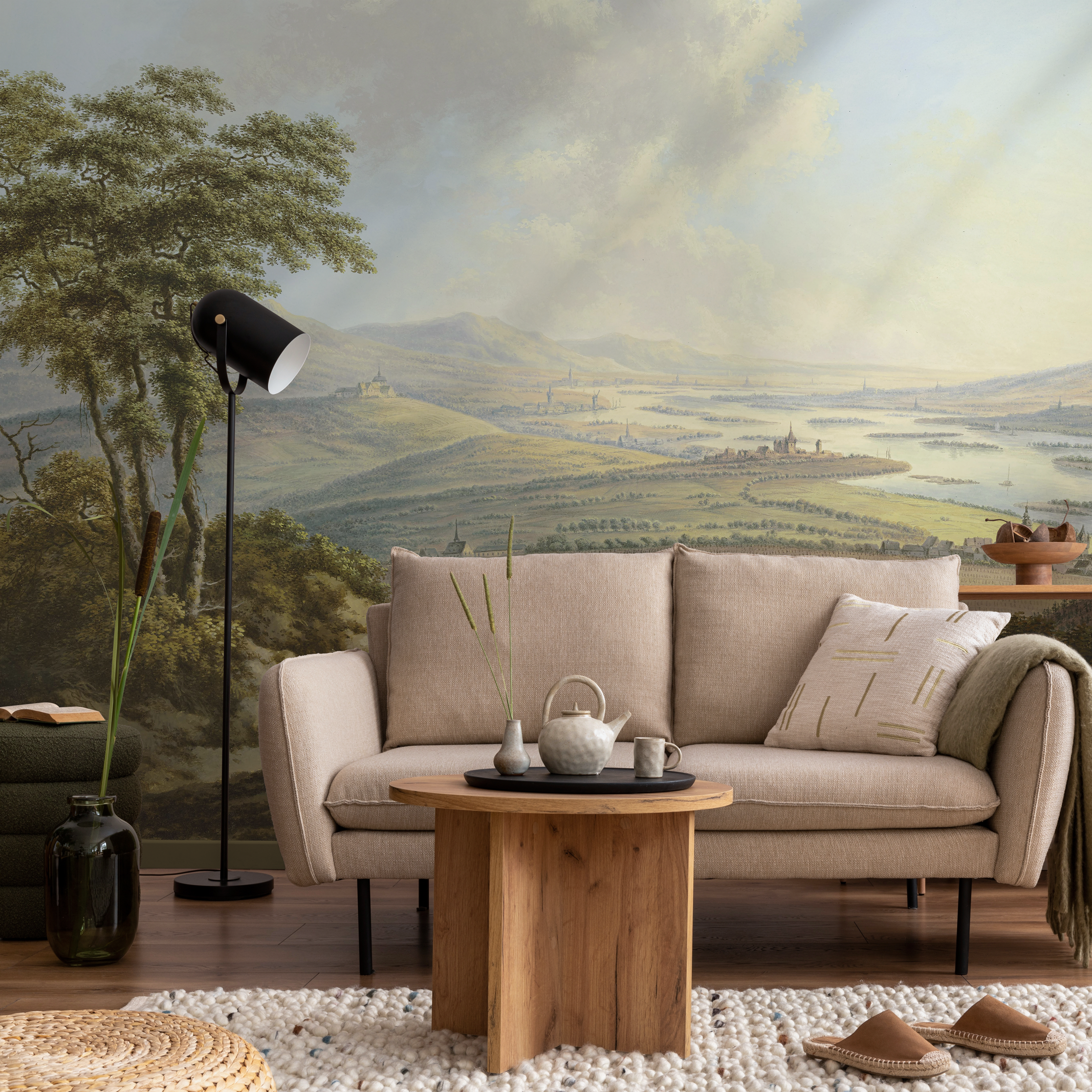
- Behind a sofa in a living room
- Around a desk or work-from-home zone
- Inside an entryway
- Behind open shelves
- On closet doors or removable panels
If your lease is strict, use peel-and-stick wallpaper on a surface you can remove or replace, such as a folding screen, framed panels, or furniture fronts.
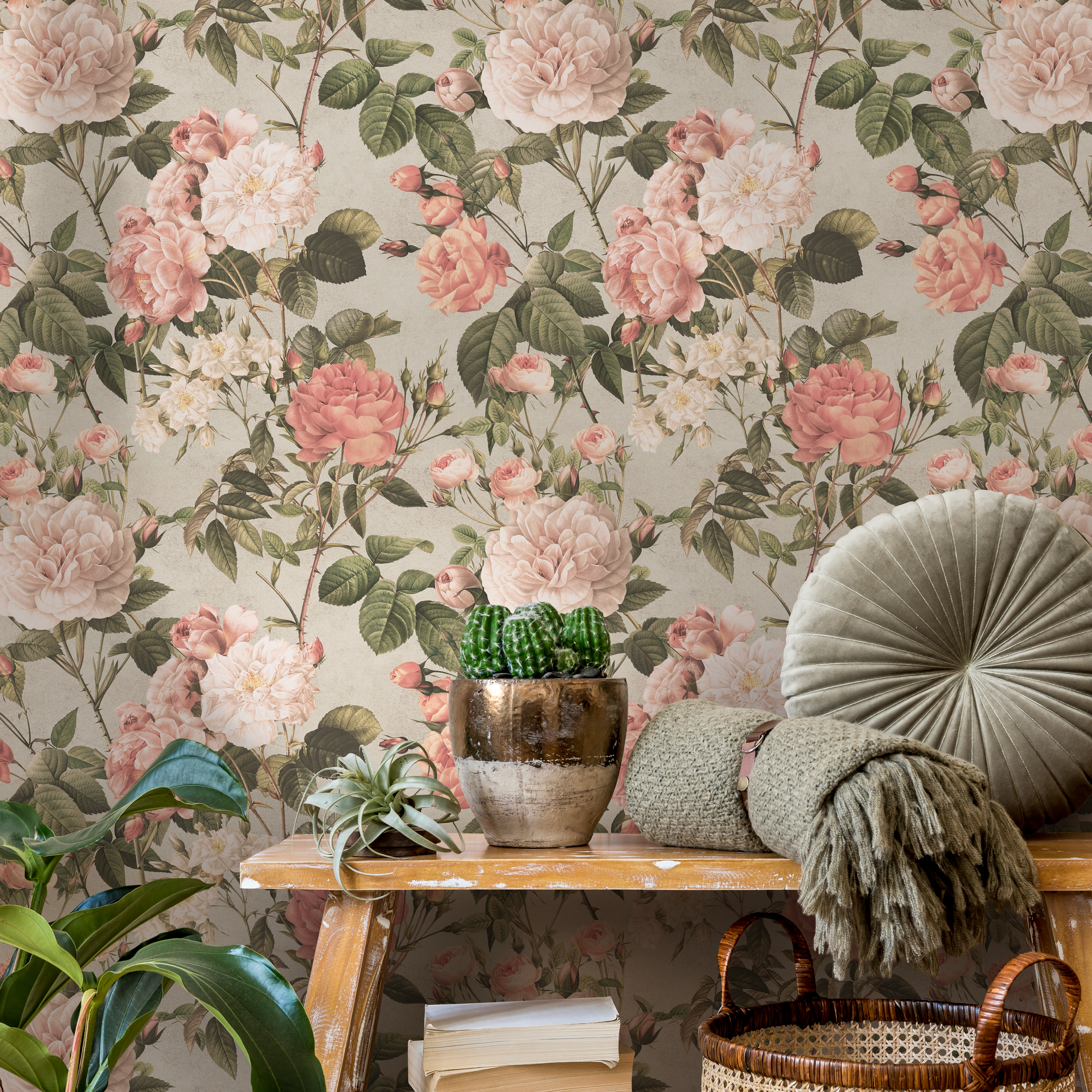
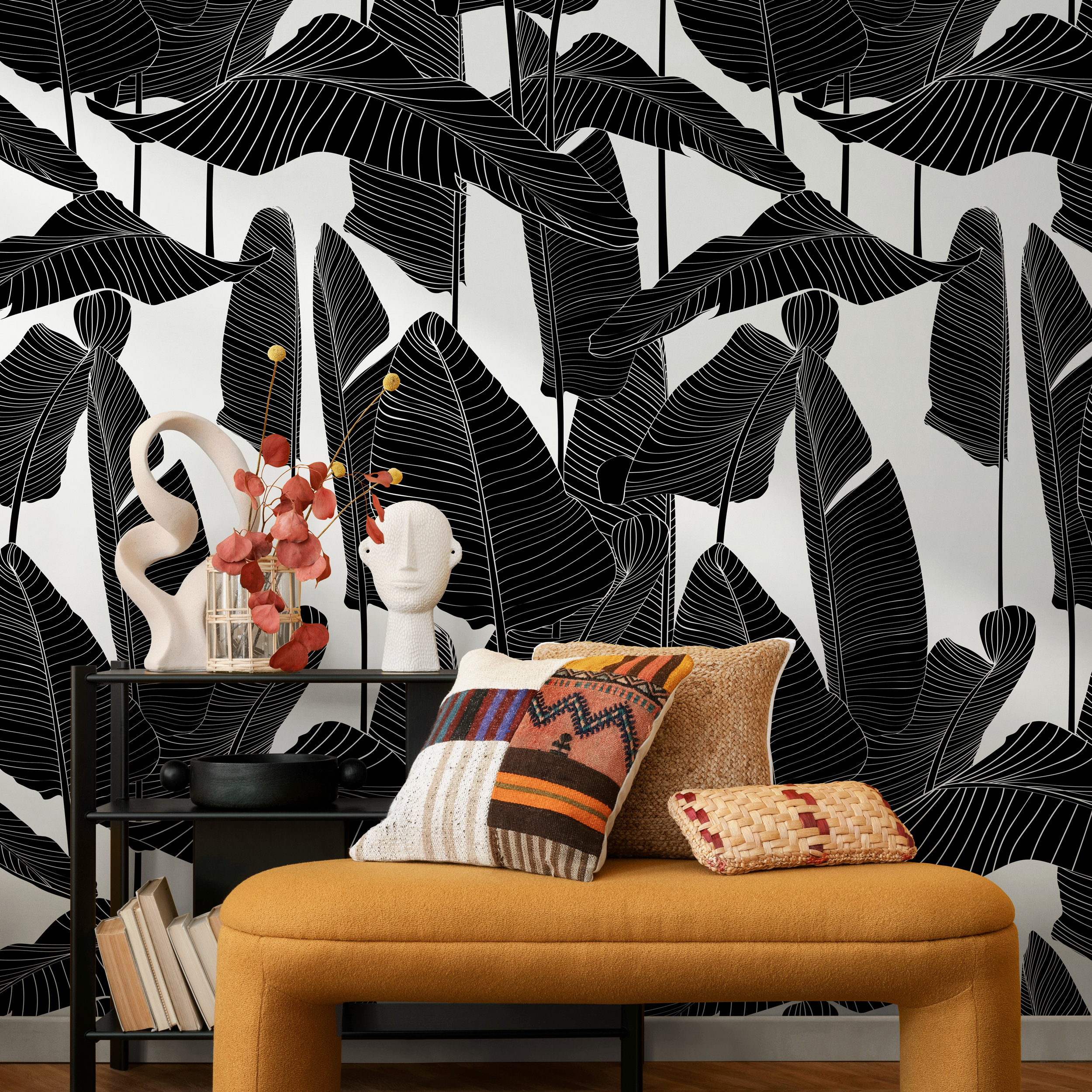
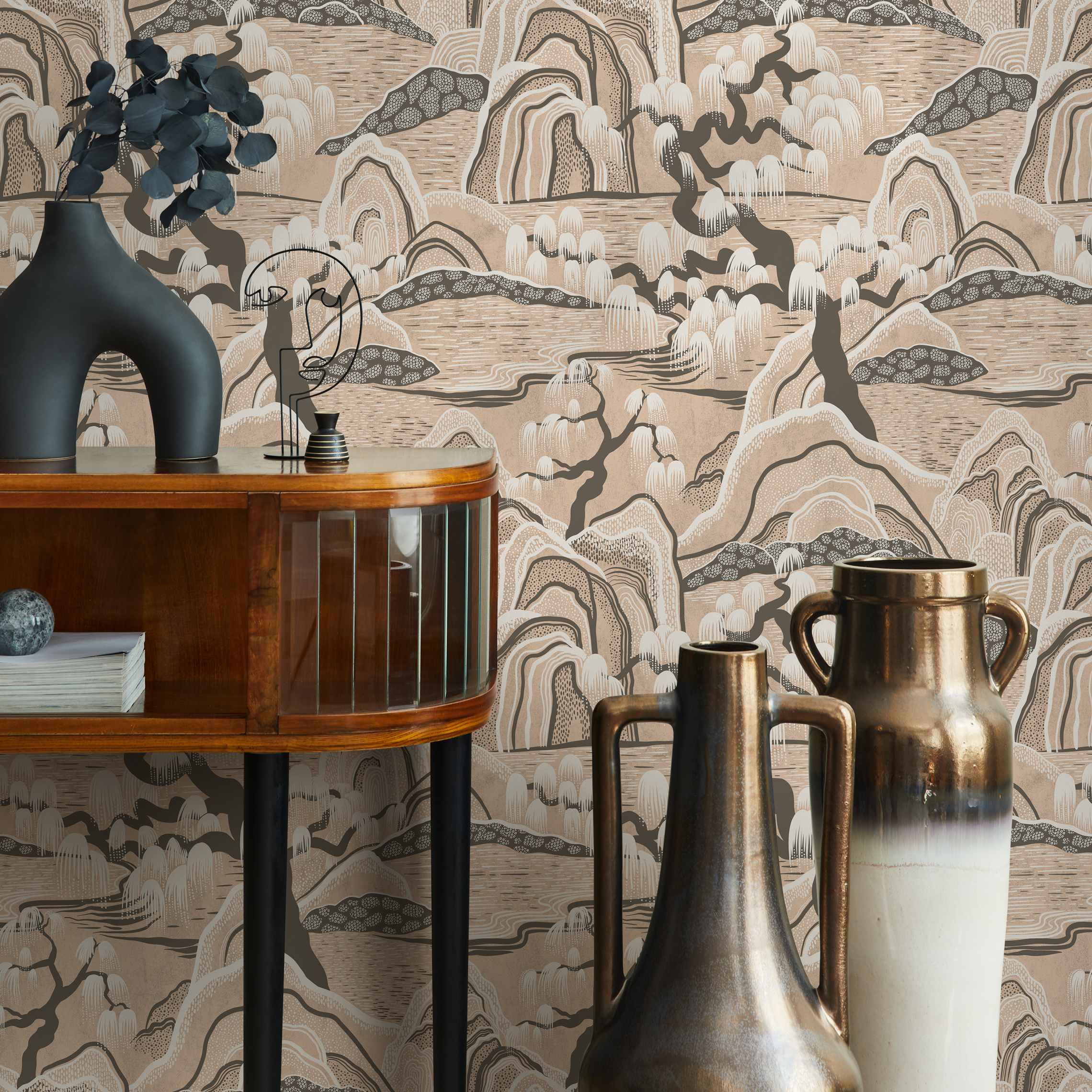
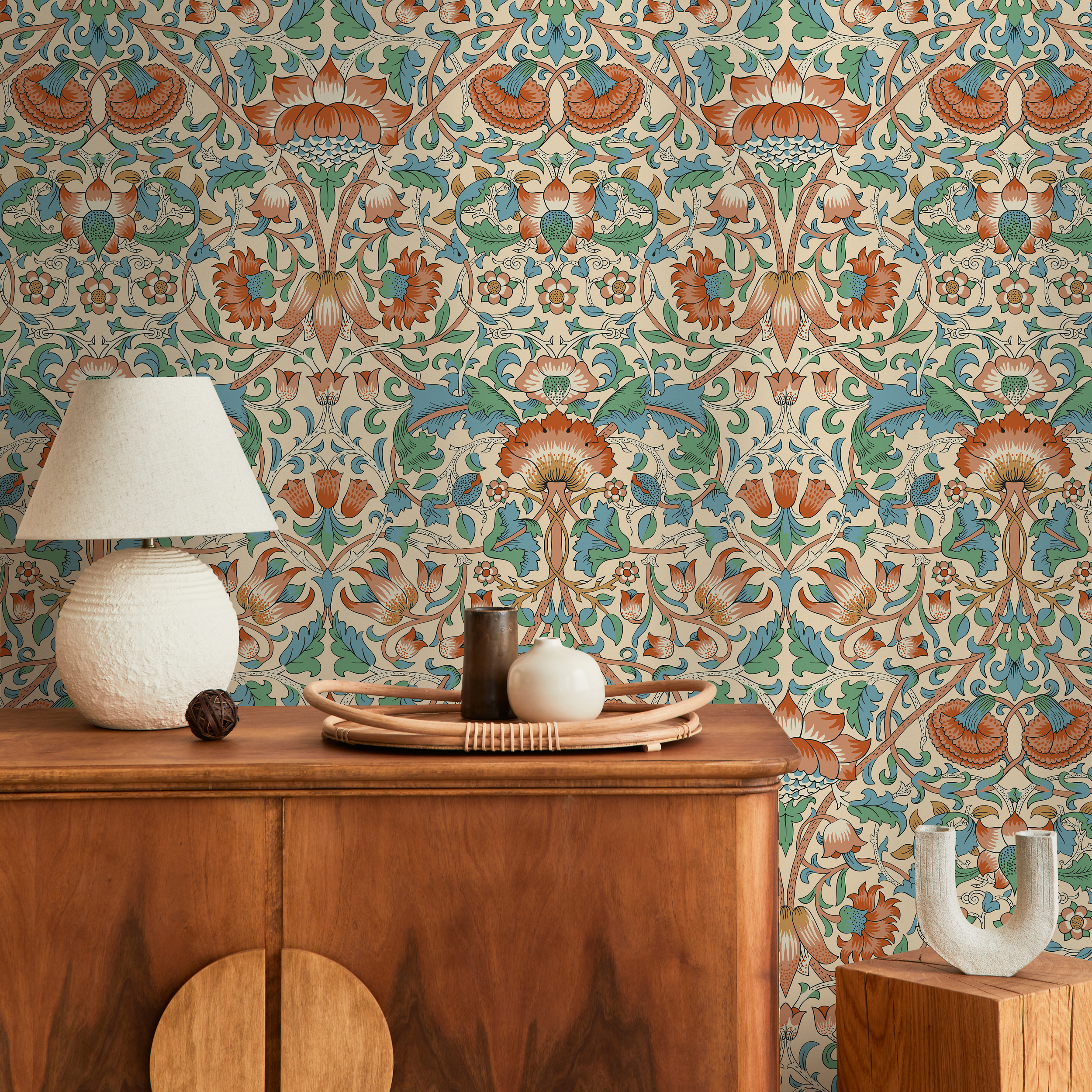
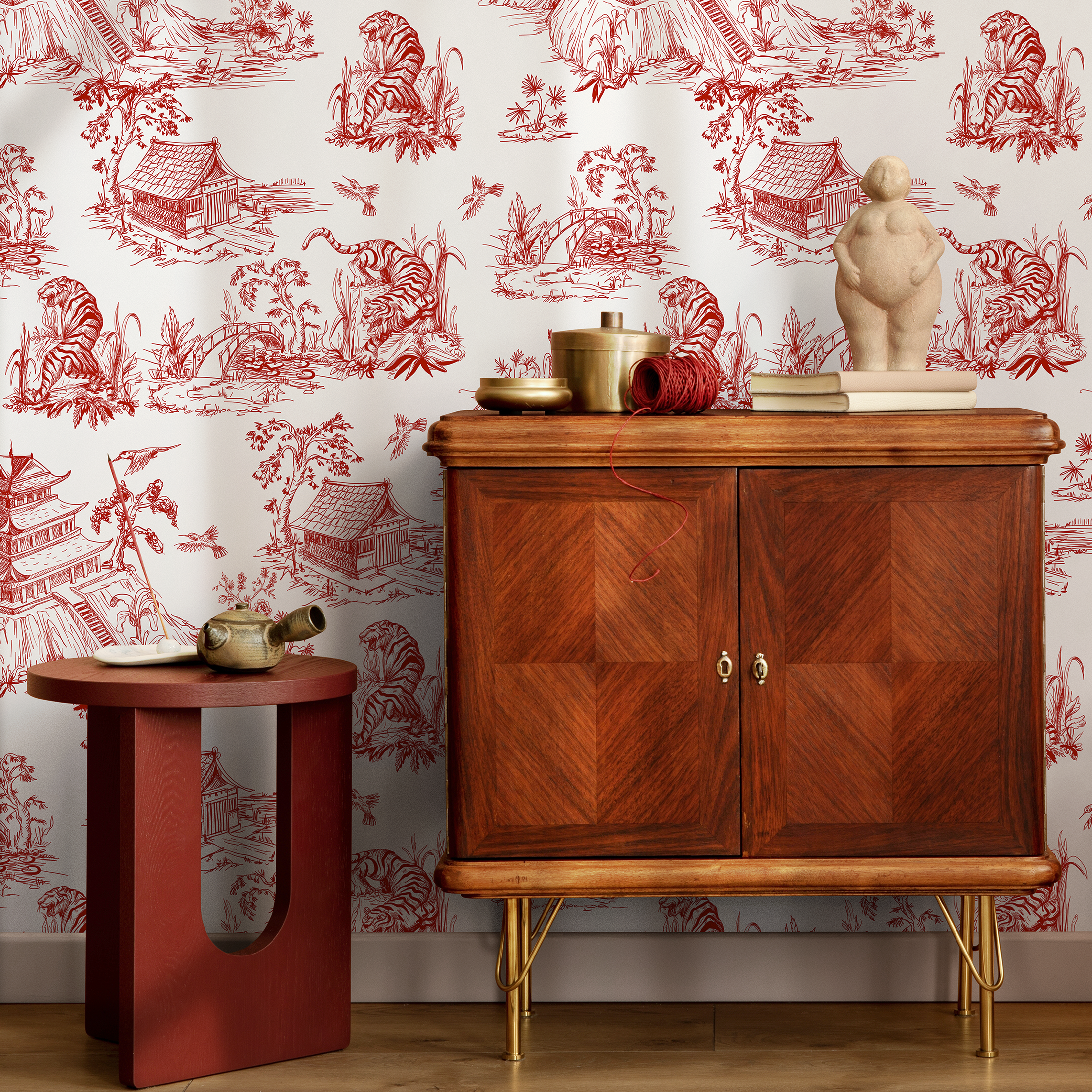
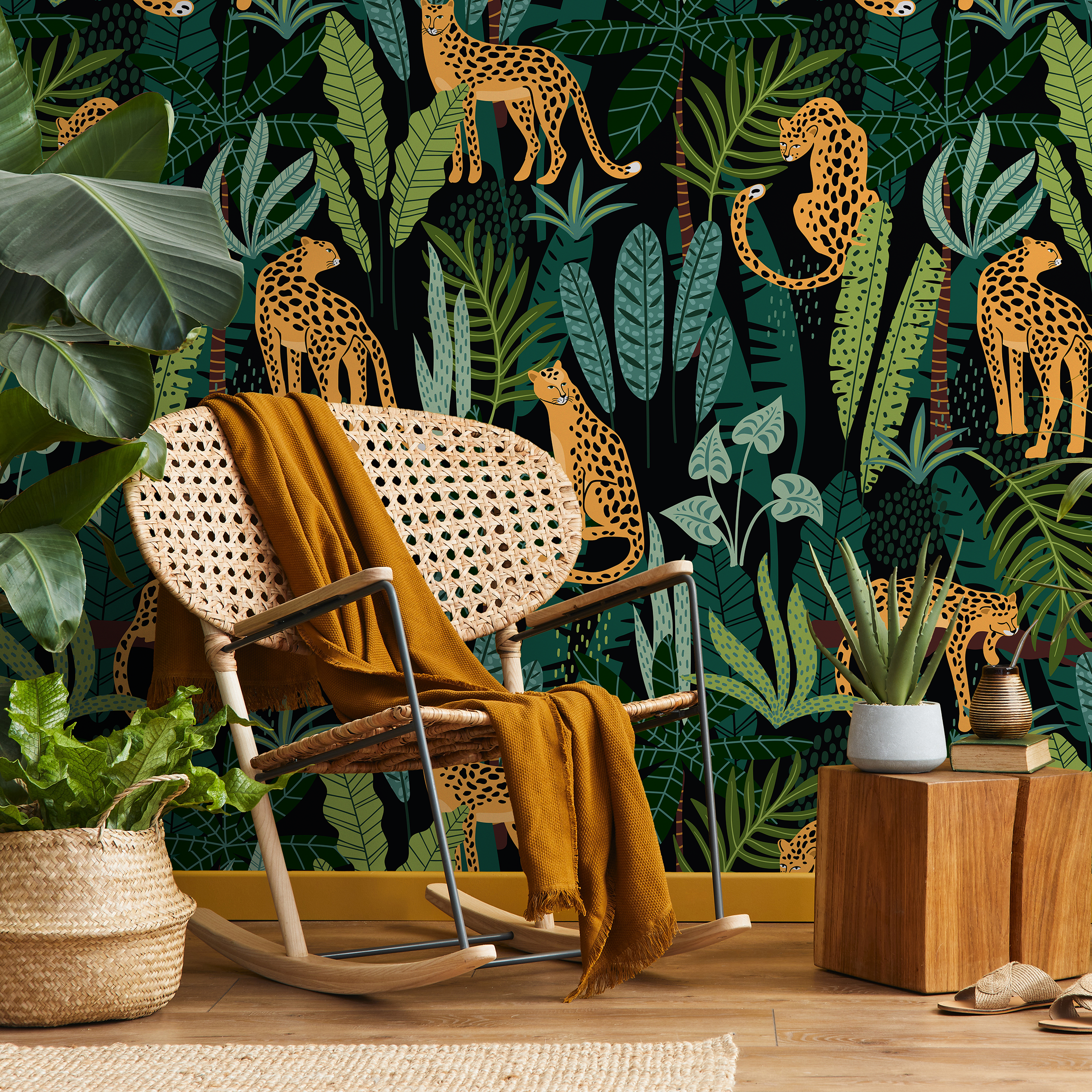
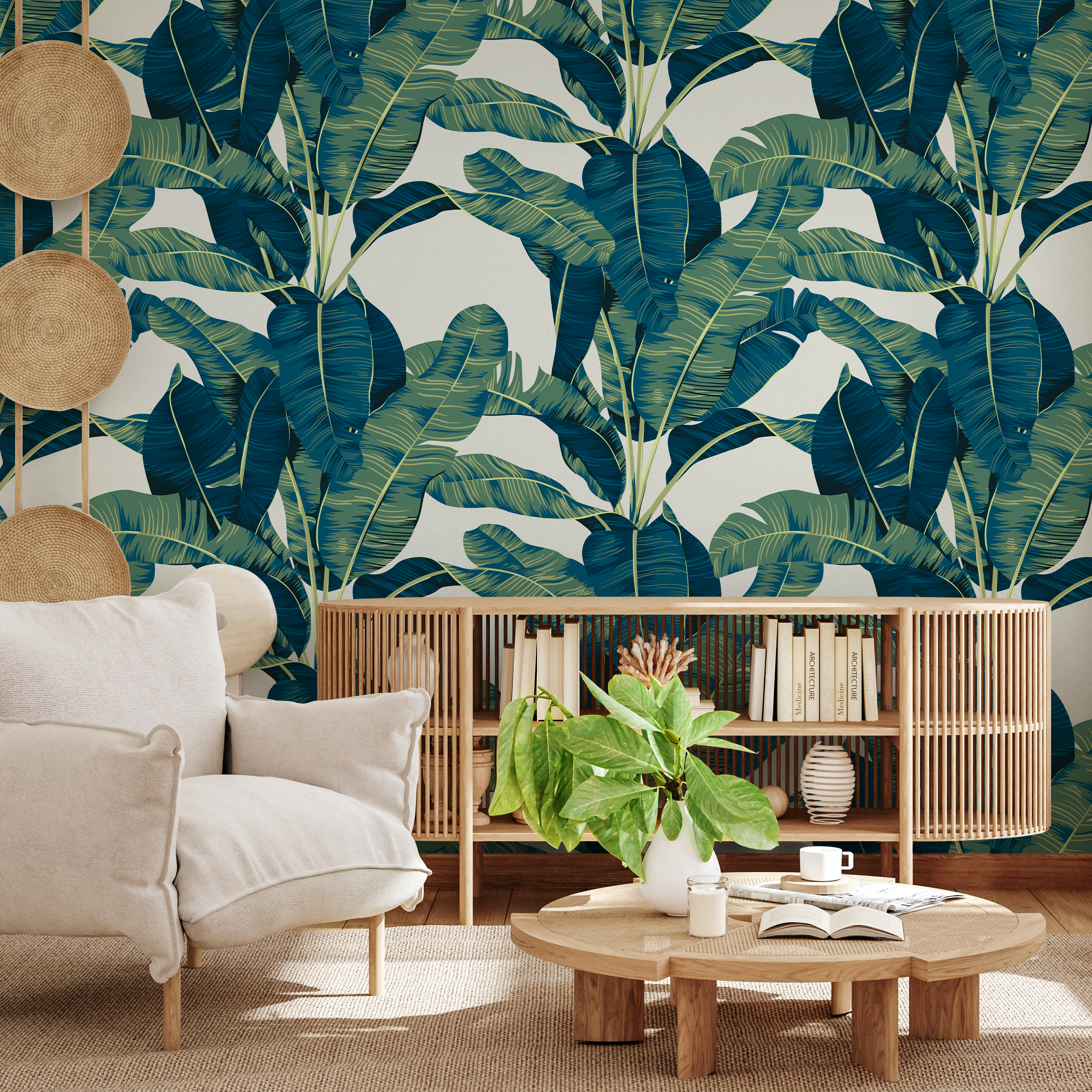
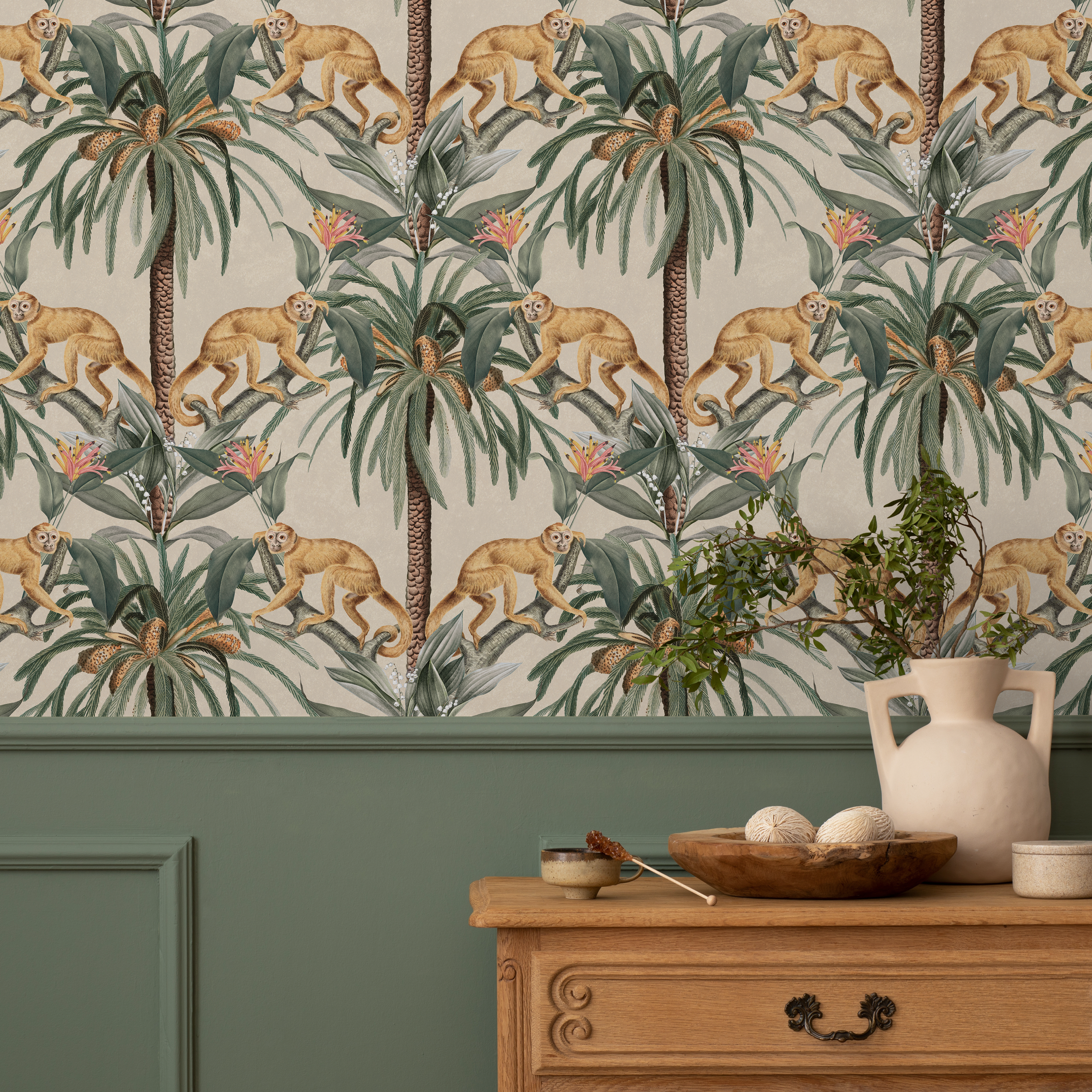
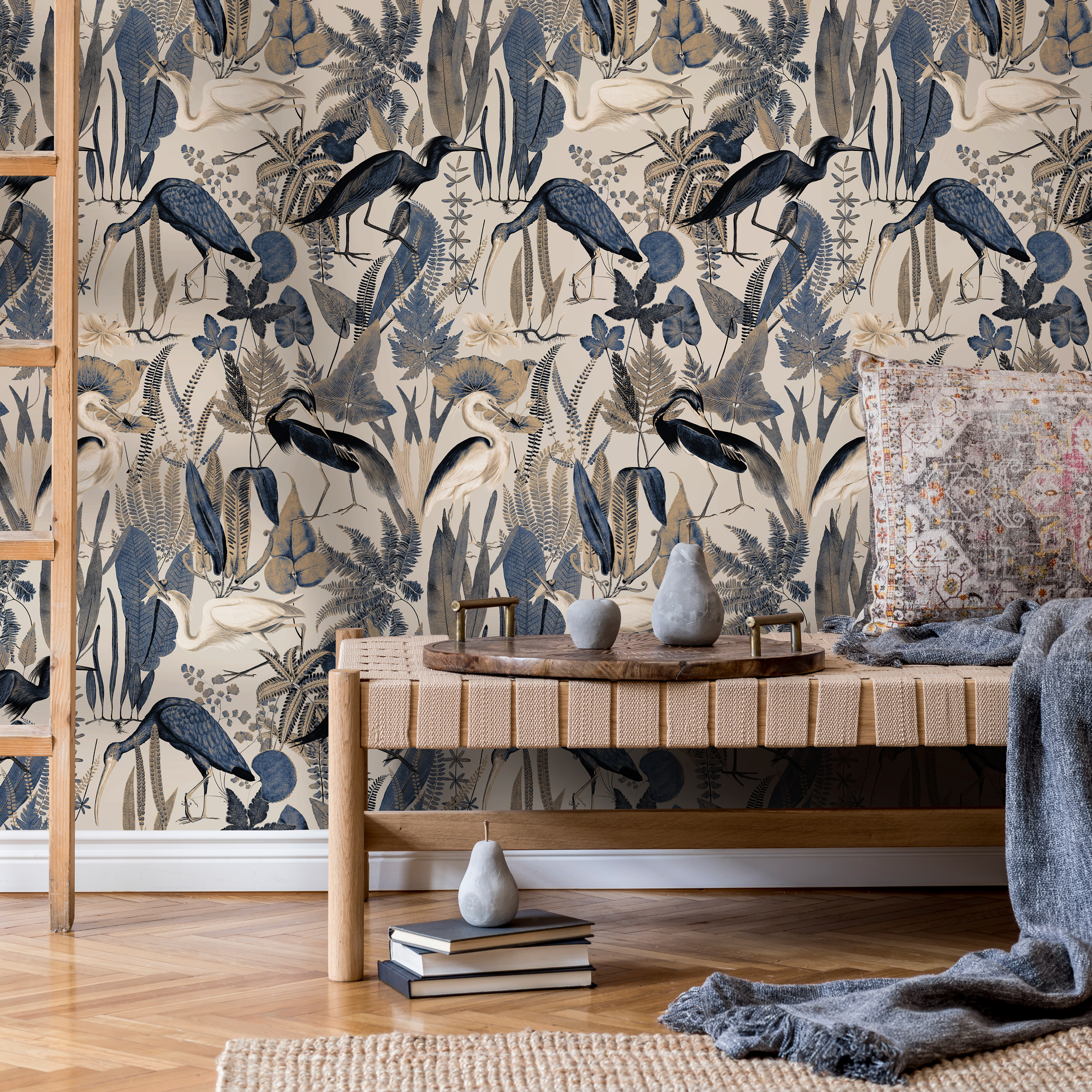
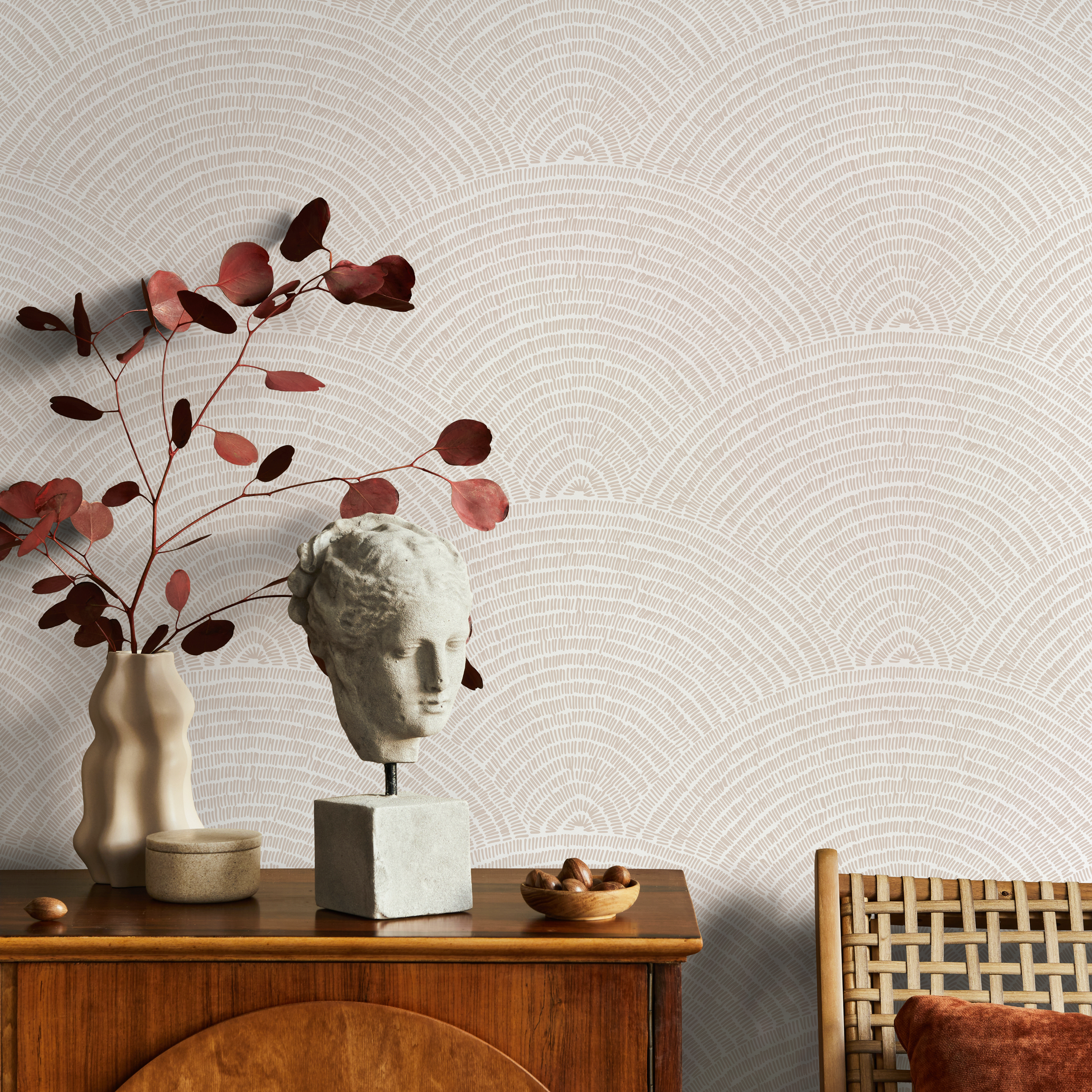
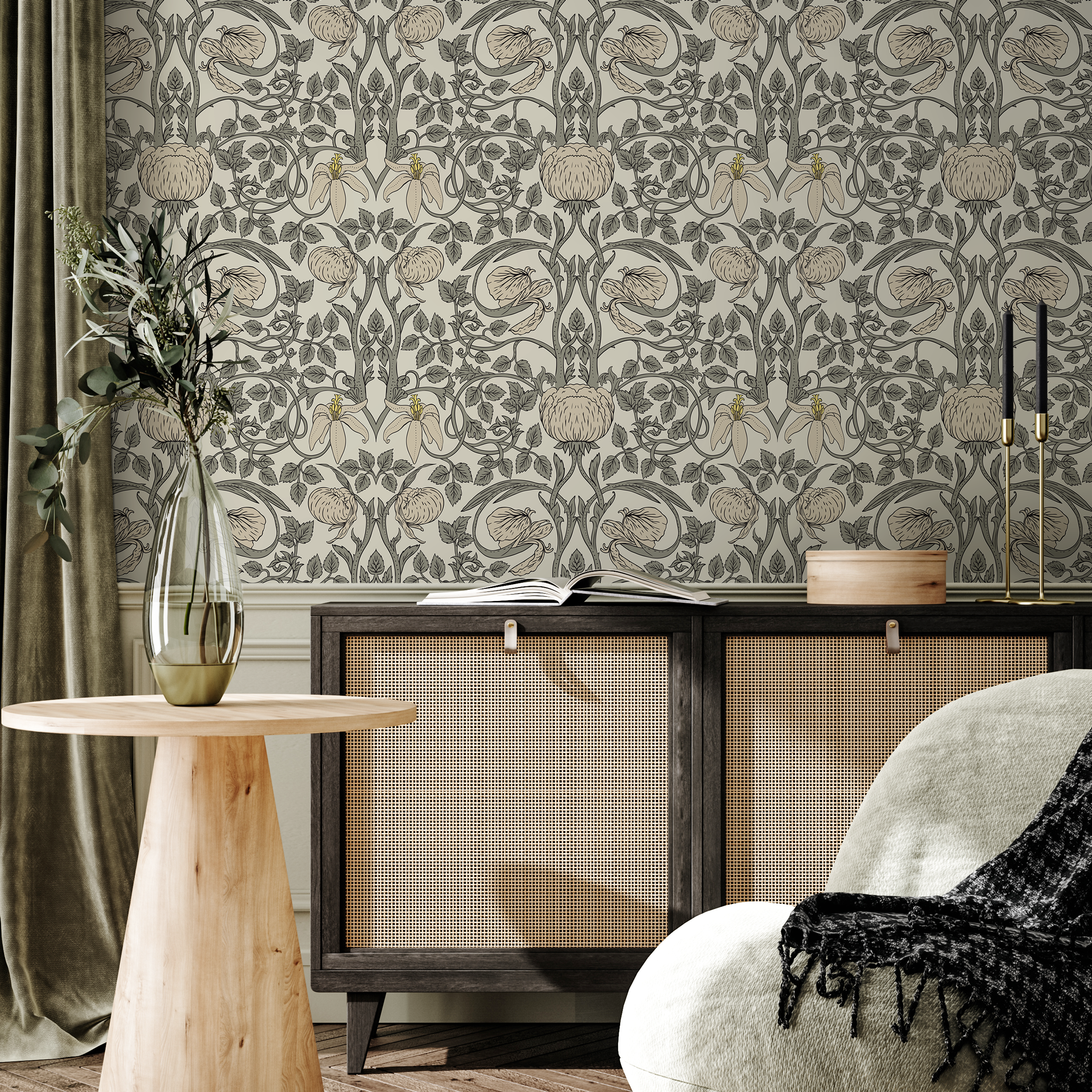
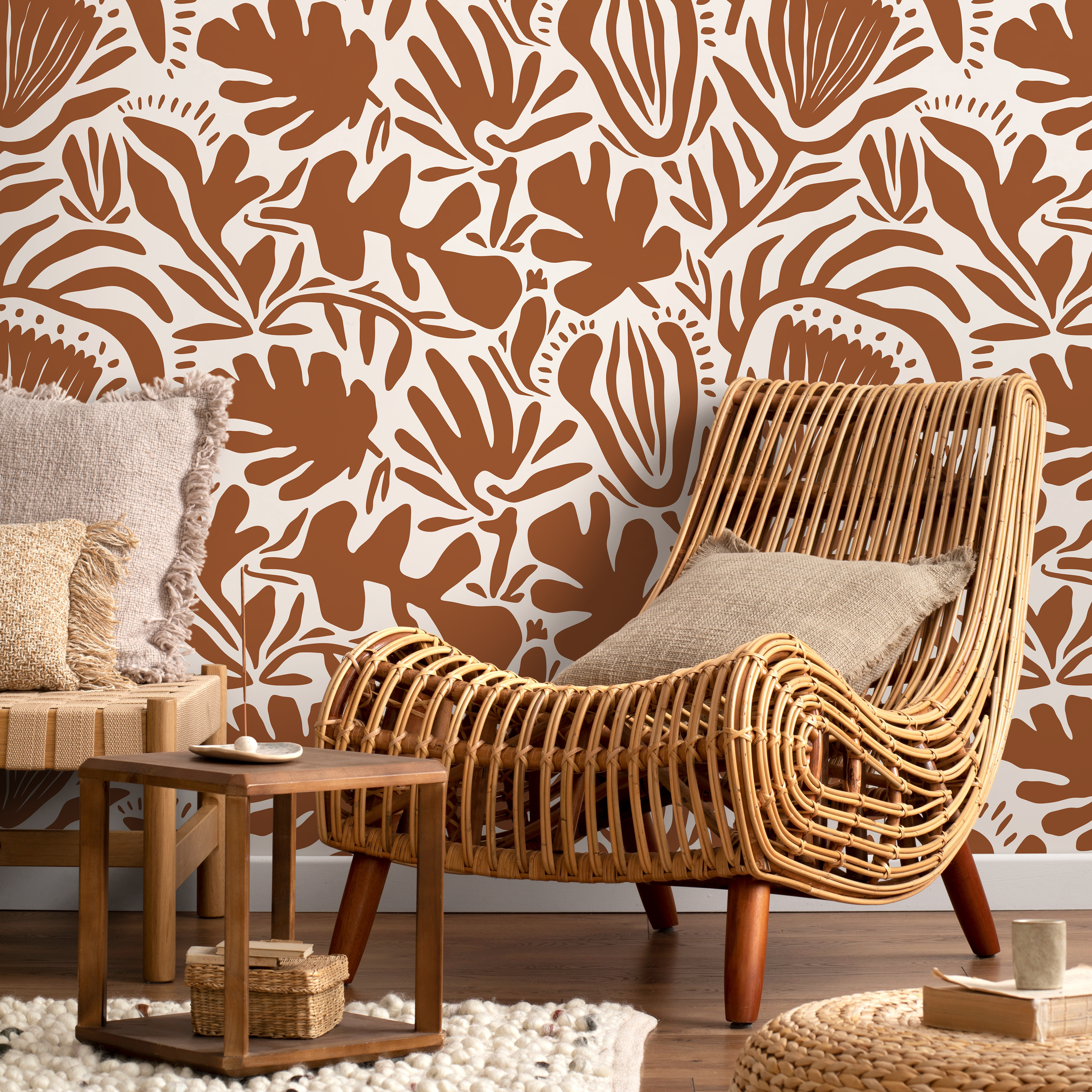
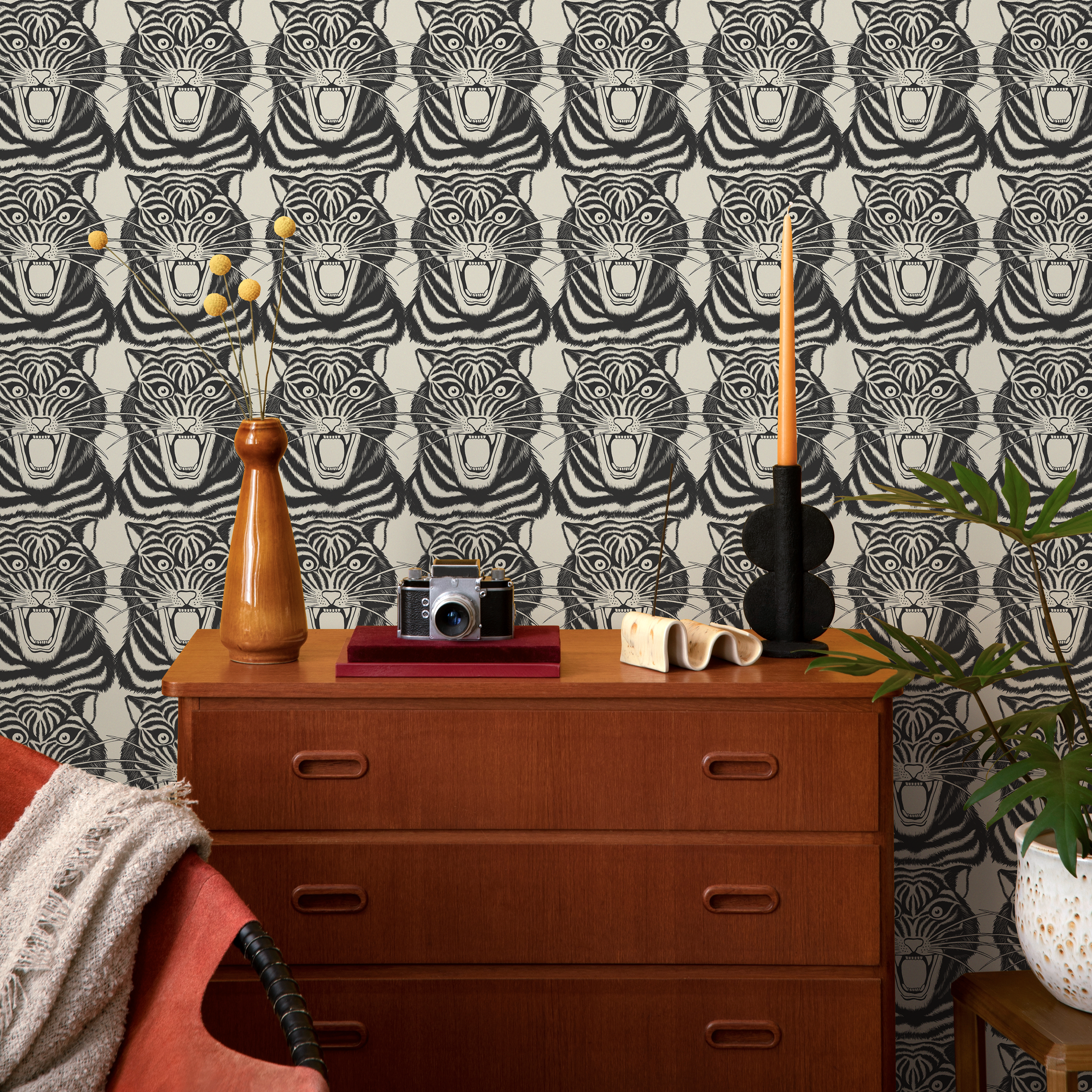
When choosing an accent wall pattern, consider what appears in front of it. A high-contrast geometric can look excellent behind a simple sofa, but it may compete with patterned bedding or a colorful gallery wall. A botanical print can soften hard apartment finishes such as gray flooring, white cabinets, and basic blinds. A faux texture, such as plaster, linen, marble, or grasscloth-inspired wallpaper, can add depth while staying neutral enough for shared spaces.
For apartments with low ceilings, avoid heavy horizontal patterns unless the room is wide enough to handle them. Vertical stripes, climbing leaves, and tall abstract forms can make the ceiling feel higher.
## How to Apply Without Damaging Walls
Good installation starts before the first panel goes up. Peel and stick wallpaper performs best on smooth, clean, fully cured painted walls. Avoid applying it to flaking paint, heavily textured walls, damp surfaces, or fresh paint that has not cured.
Use this process:
1. Clean the wall with a mild solution and let it dry completely. 2. Remove outlet covers and switch plates. 3. Mark a straight vertical guide line with a level. 4. Peel back only a small section of backing at first. 5. Align the top of the panel, then smooth downward. 6. Use a smoothing tool or clean cloth to push bubbles toward the edges. 7. Match the pattern before pressing the next panel fully in place. 8. Trim edges with a sharp blade for clean corners and baseboards.
Do not rush the first panel. If the first strip is crooked, every following panel will be harder to align.
Temperature can also affect installation. Very cold walls can make adhesive less cooperative, while high humidity can make smoothing harder. Install in a comfortable room and give the wallpaper time to acclimate indoors before applying it. If panels arrive rolled tightly, lay them flat briefly according to product instructions so they are easier to handle.
For wide walls, work with a second person. One person can hold and guide the panel while the other smooths from the center outward. This reduces stretching, which is important because stretched peel-and-stick wallpaper may shrink back slightly and expose seams.
## How to Remove Cleanly When You Move Out
Removal depends on the wall condition, paint quality, humidity, and how long the wallpaper has been installed. To remove peel-and-stick wallpaper cleanly, start at a corner and pull slowly downward at a low angle. Do not yank straight out from the wall.
If the adhesive feels stubborn, warm the surface lightly with a hair dryer on a low setting, then continue peeling slowly. Work panel by panel. After removal, wipe the wall gently to remove any dust or residue.
Before installing in a rental, test a small hidden area first. This is especially important if the apartment has matte paint, older paint, patched walls, or unknown wall prep.
Documenting the wall before and after installation is also smart for renters. Take clear photos of the wall condition before applying wallpaper, especially if there are existing patches or paint flaws. Keep product instructions and order details until after move-out. If you are concerned about a lease rule, ask the property manager before installing.
## Our Top Picks for Renters
The best removable wallpaper depends on the room and how bold you want the change to feel.
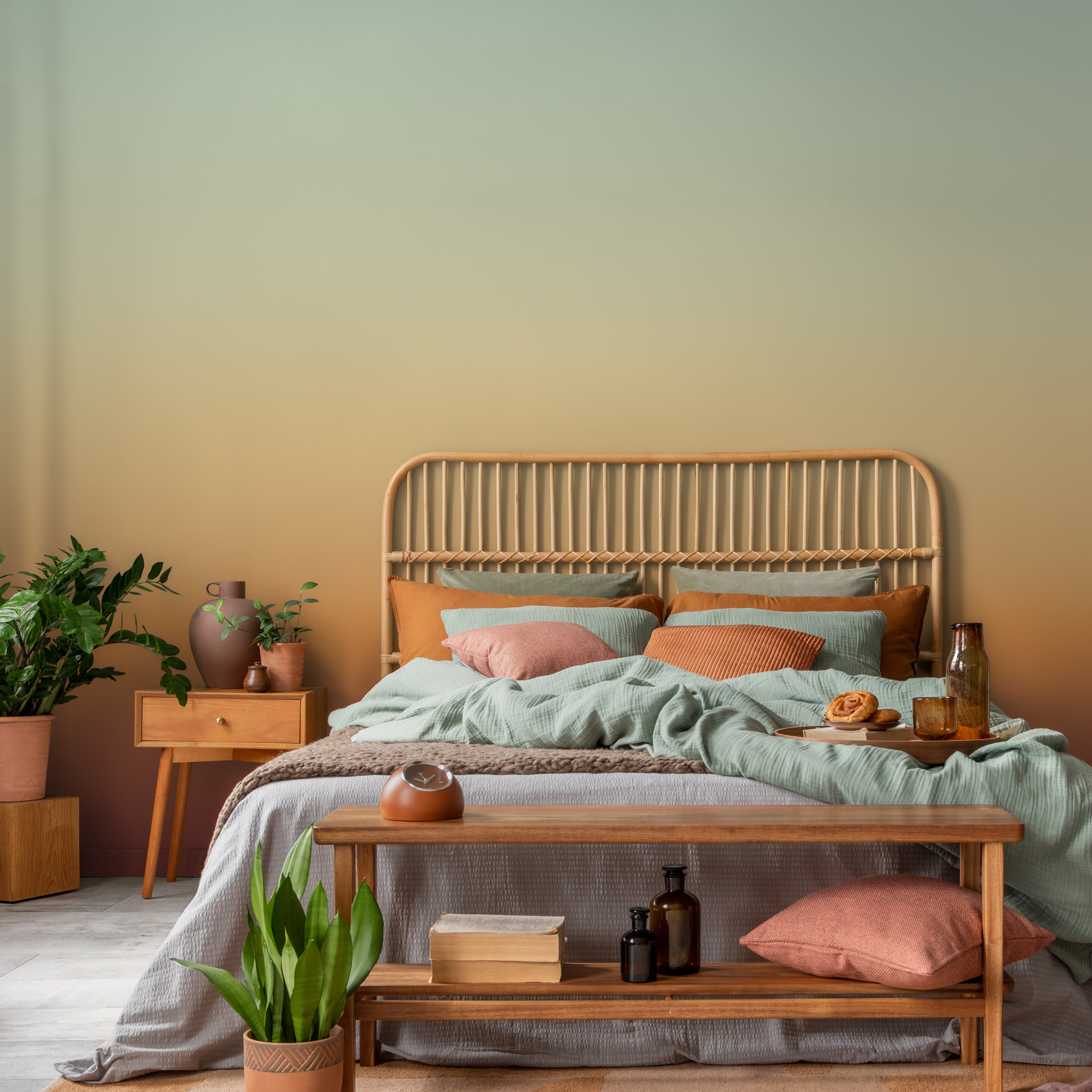
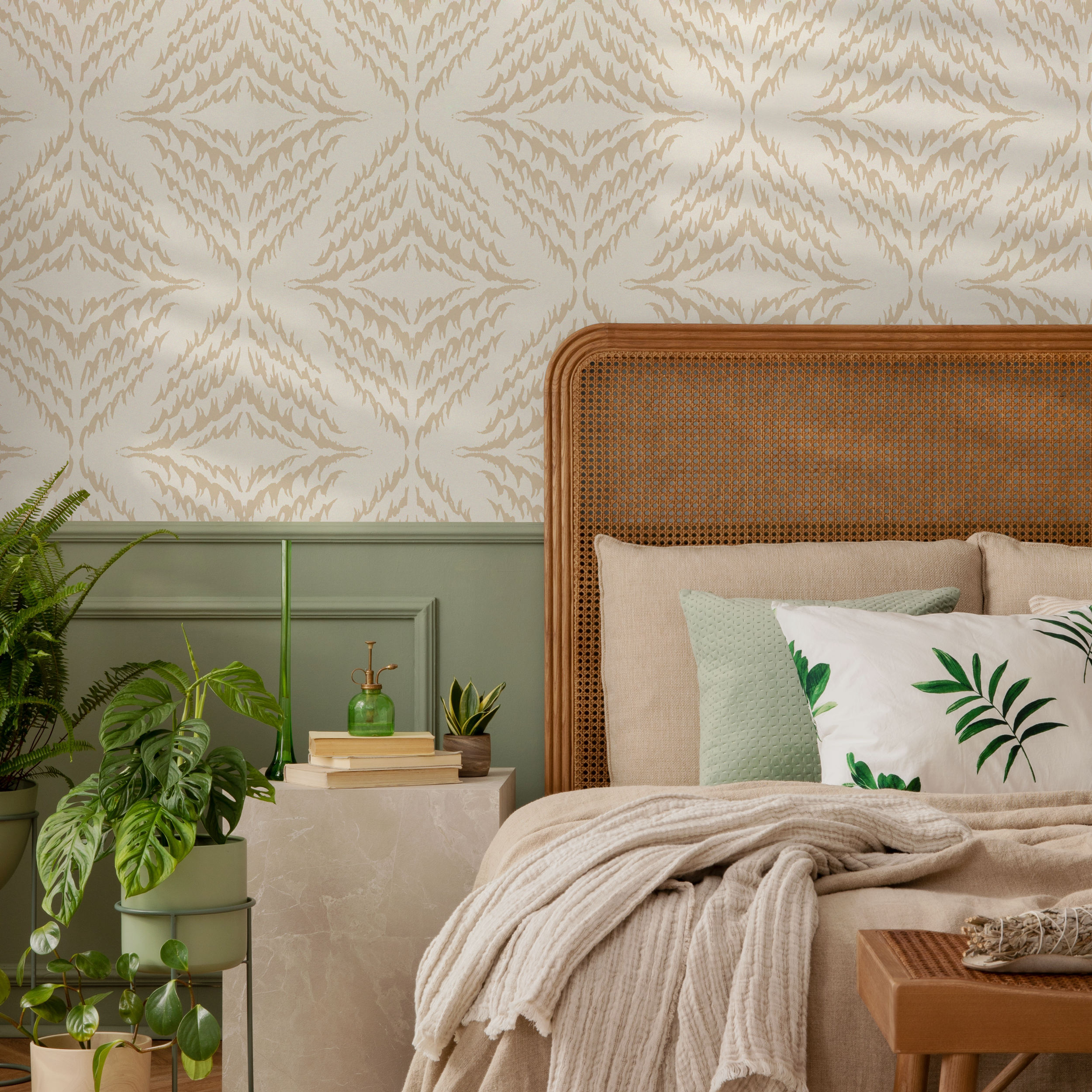
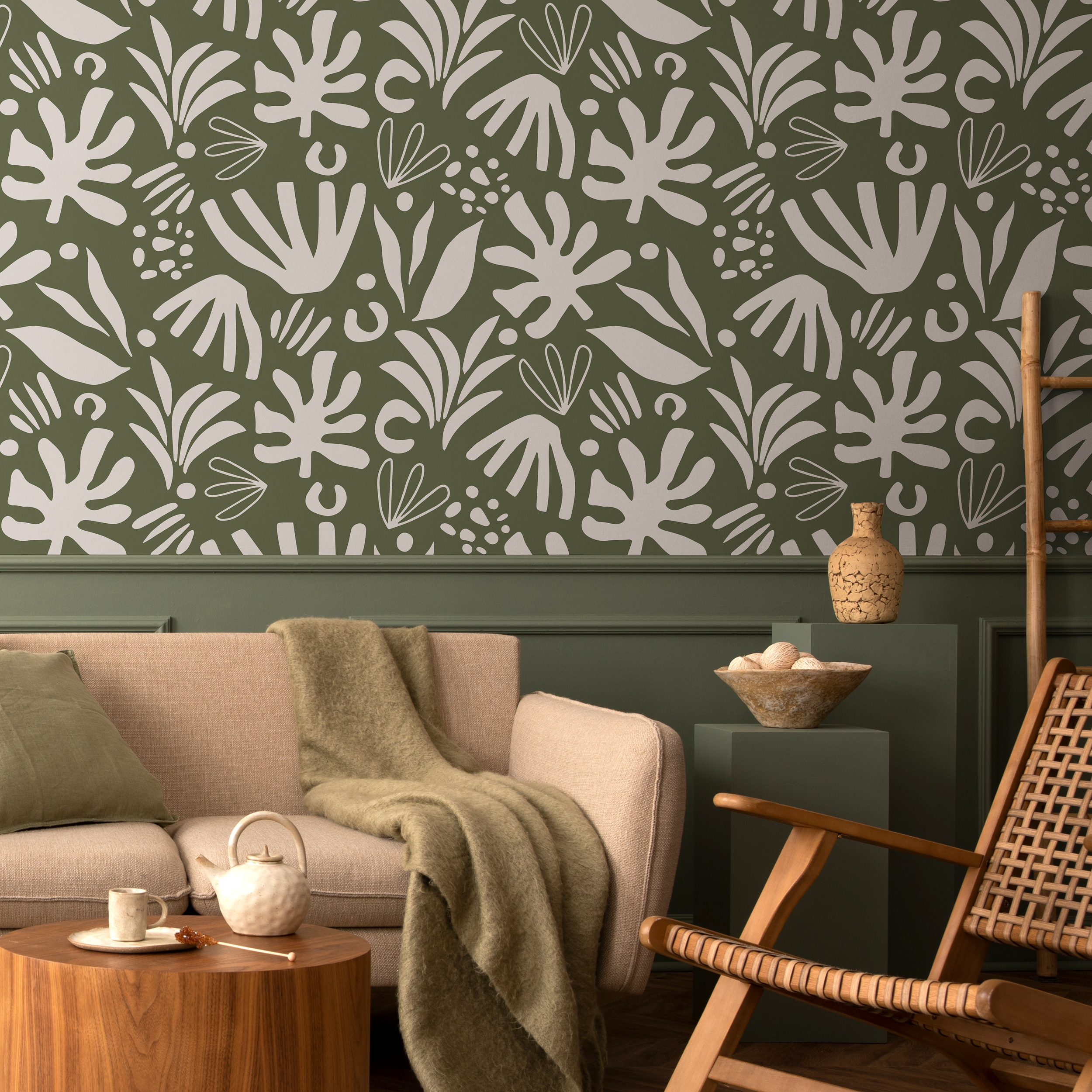
For bedrooms, try soft botanicals, textured neutrals, or muted geometric prints. They add warmth without making the room feel busy. Pair them with simple bedding and warm lamps for a finished rental bedroom.
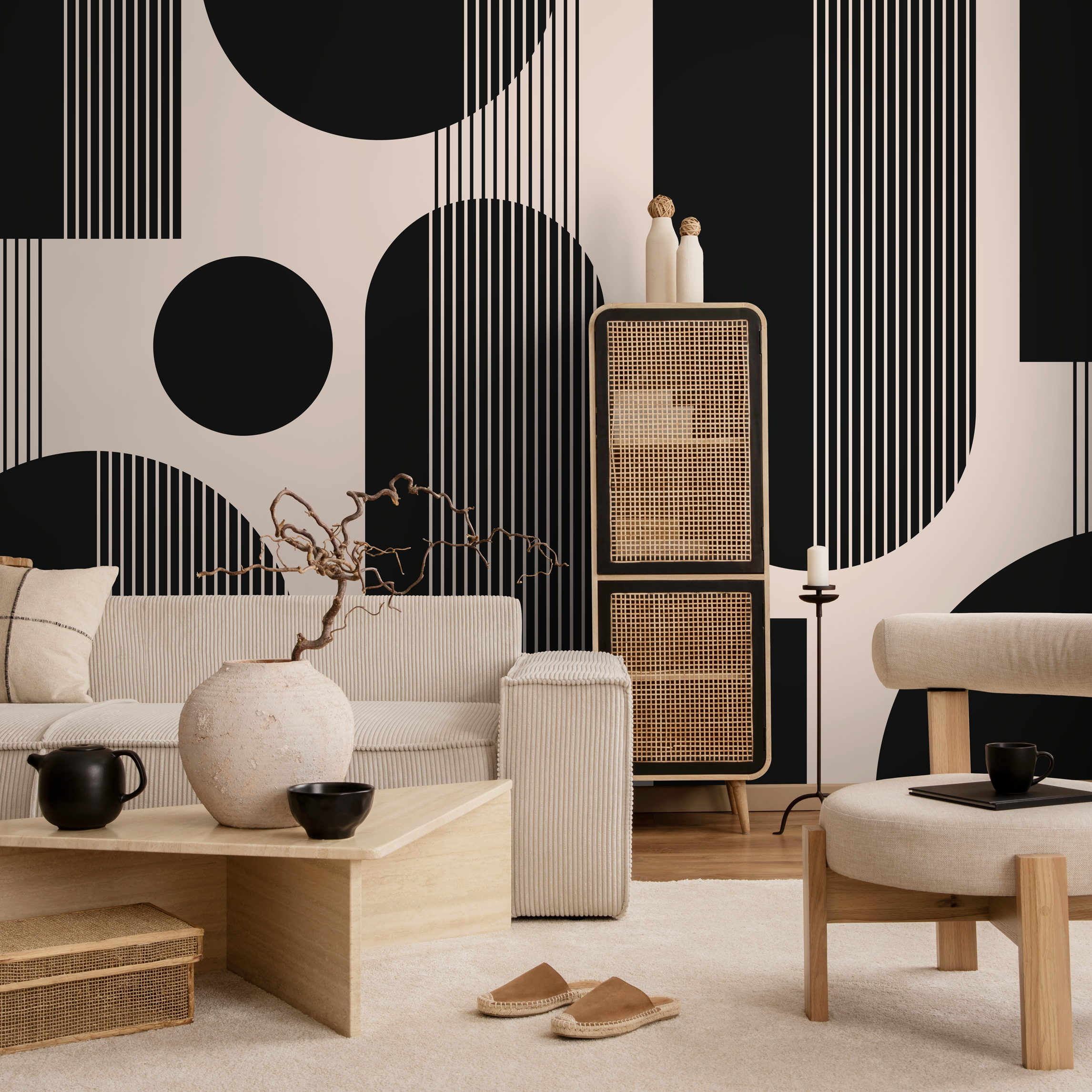
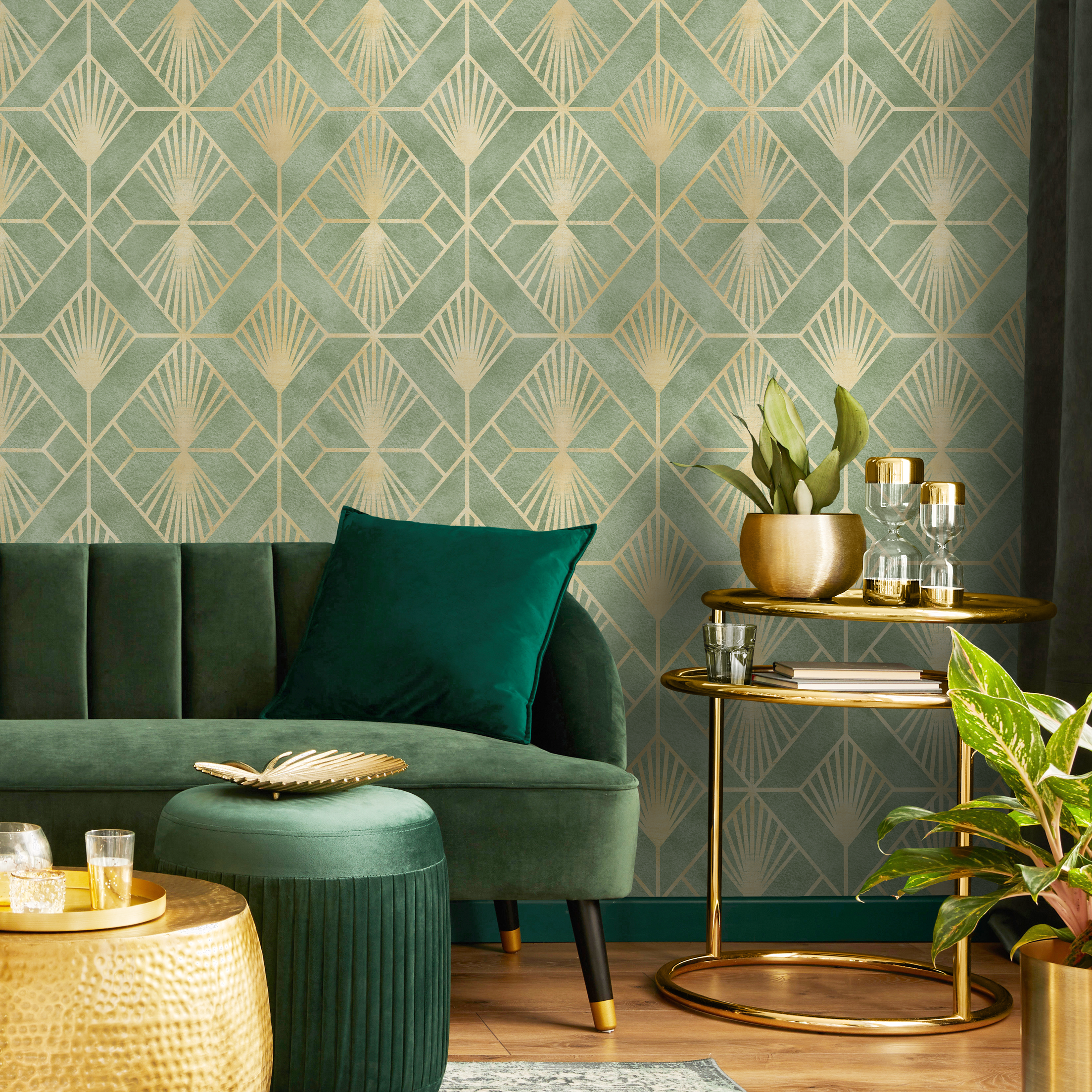
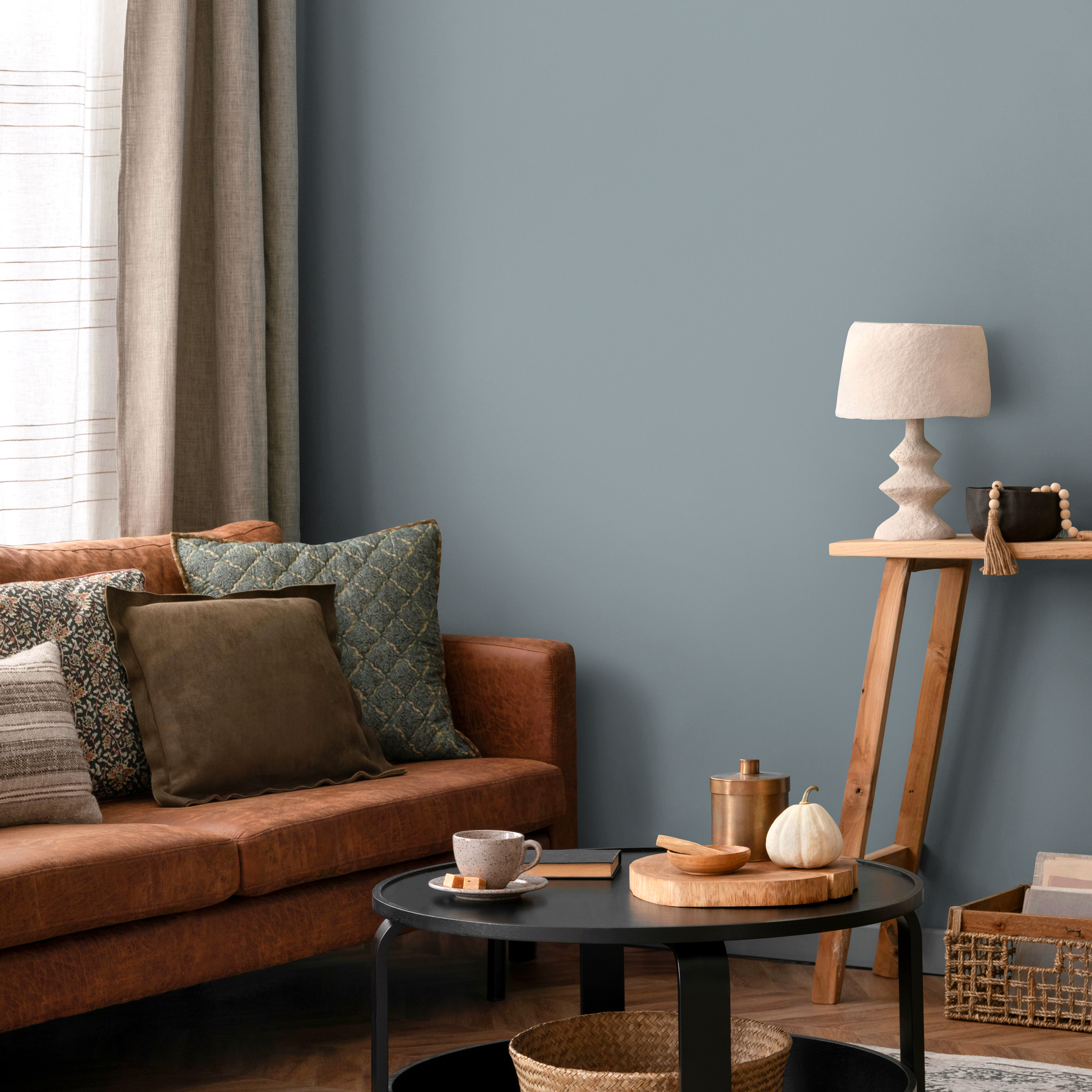
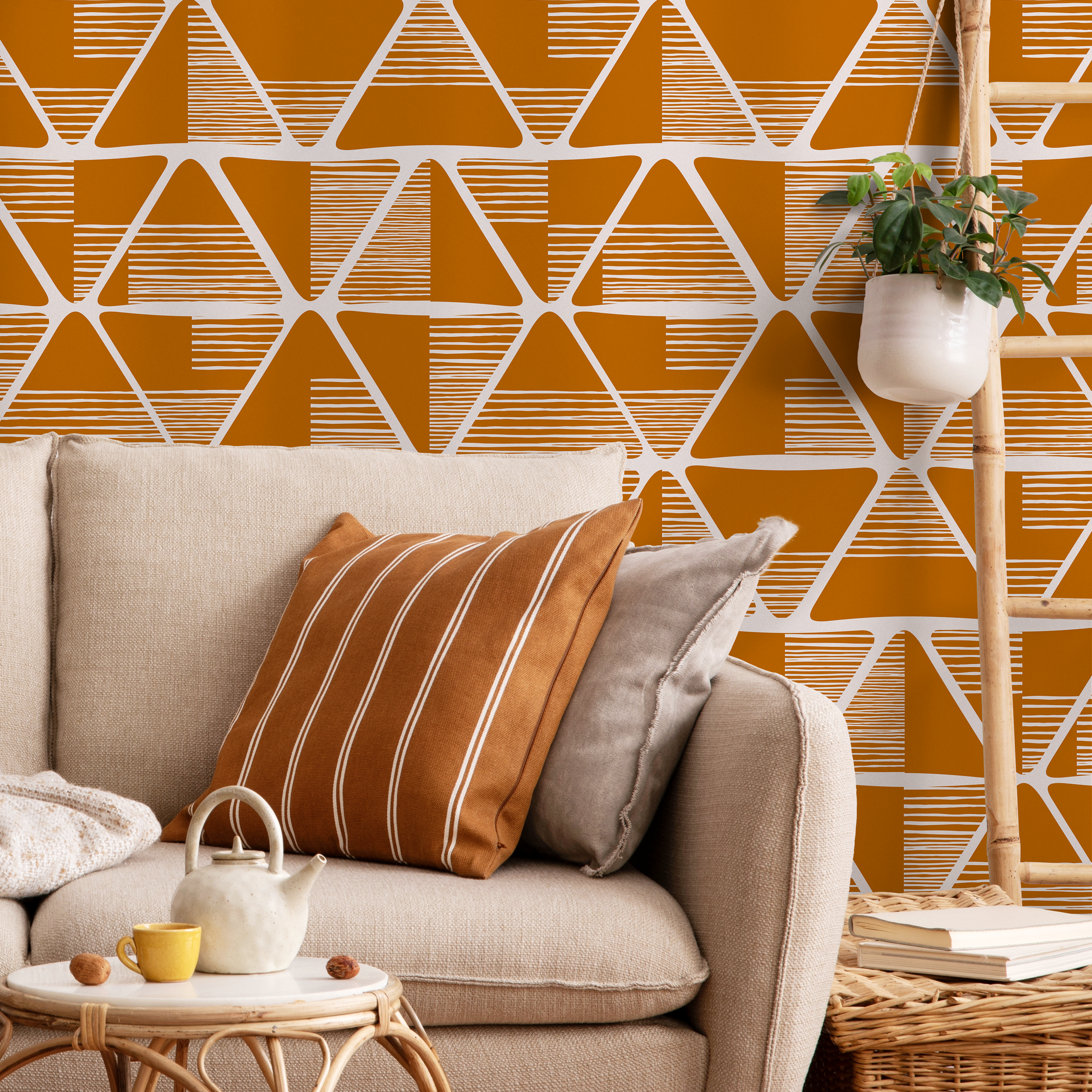
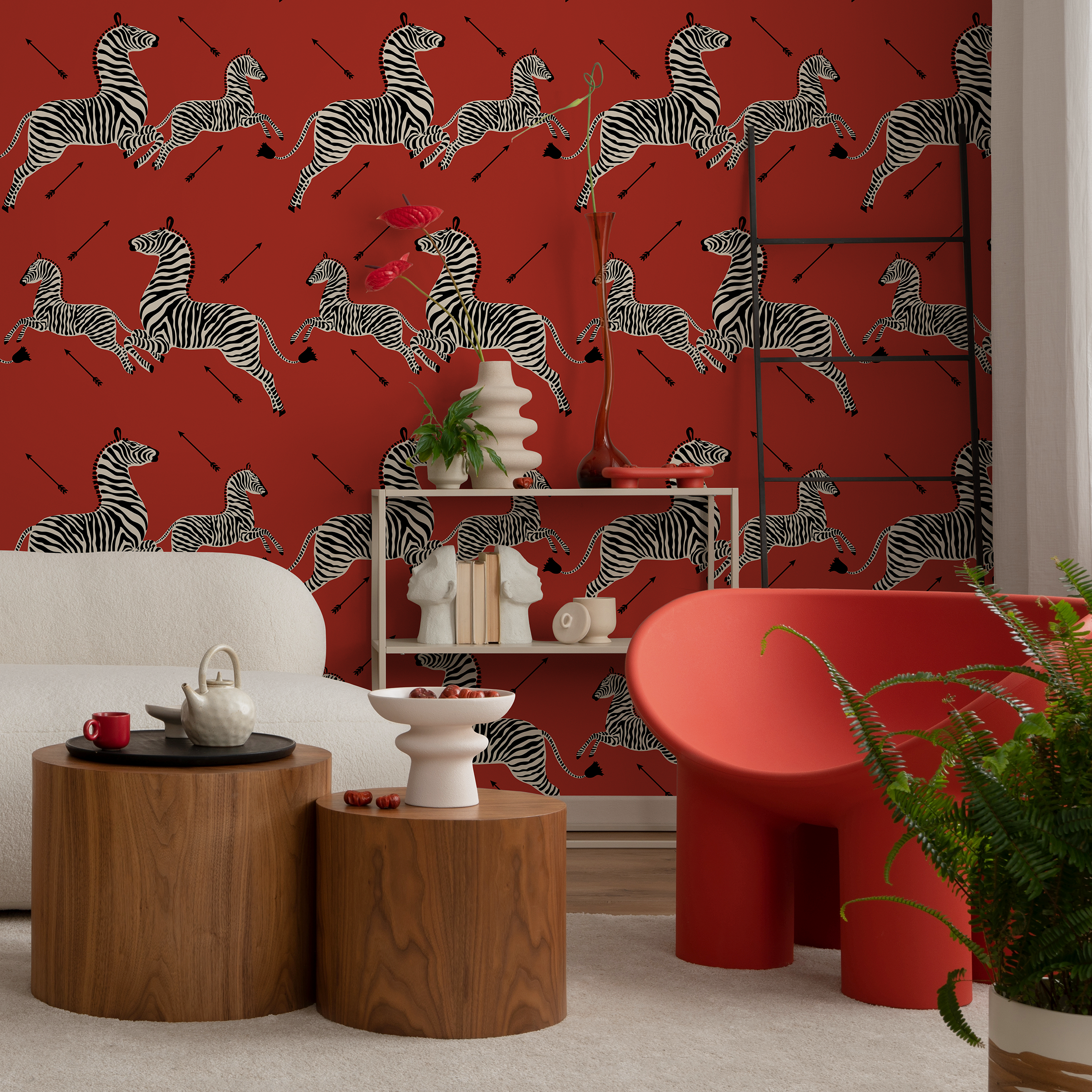
For living rooms, modern geometrics, abstract prints, and oversized botanicals work well behind a sofa. Choose a pattern that is visible from across the room and coordinates with your rug and art.
For bathrooms, use wallpaper in a powder room or on a wall away from direct water. A small bathroom can handle bolder wallpaper because the surface area is limited.
For kitchens, consider peel-and-stick wallpaper on a breakfast nook wall, pantry wall, or coffee station. If using it near a backsplash area, protect it from direct water and heat.
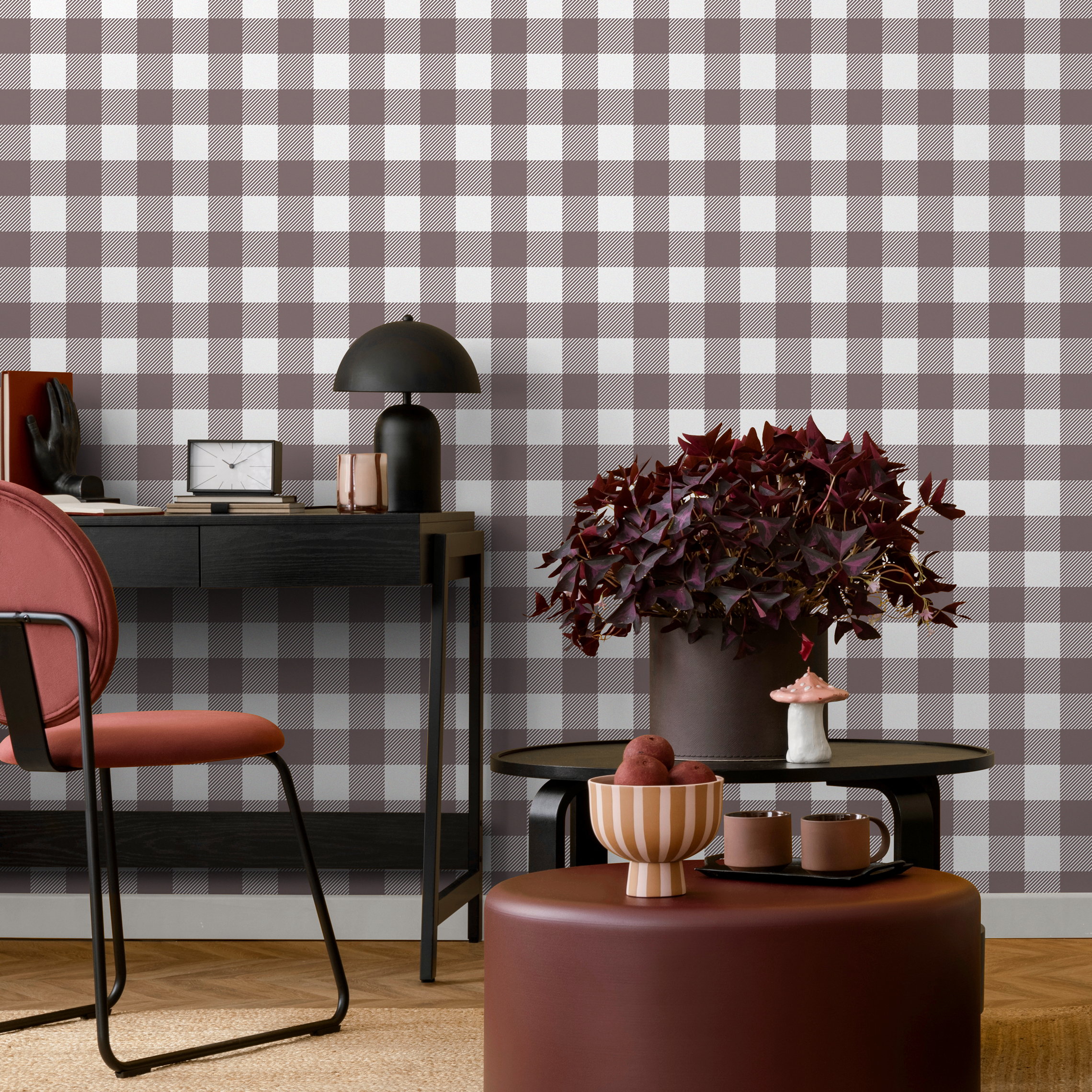
For workspaces, choose a pattern that frames your desk without distracting you on video calls. Subtle texture, vertical stripes, or a soft abstract pattern can make a rental office corner look intentional.
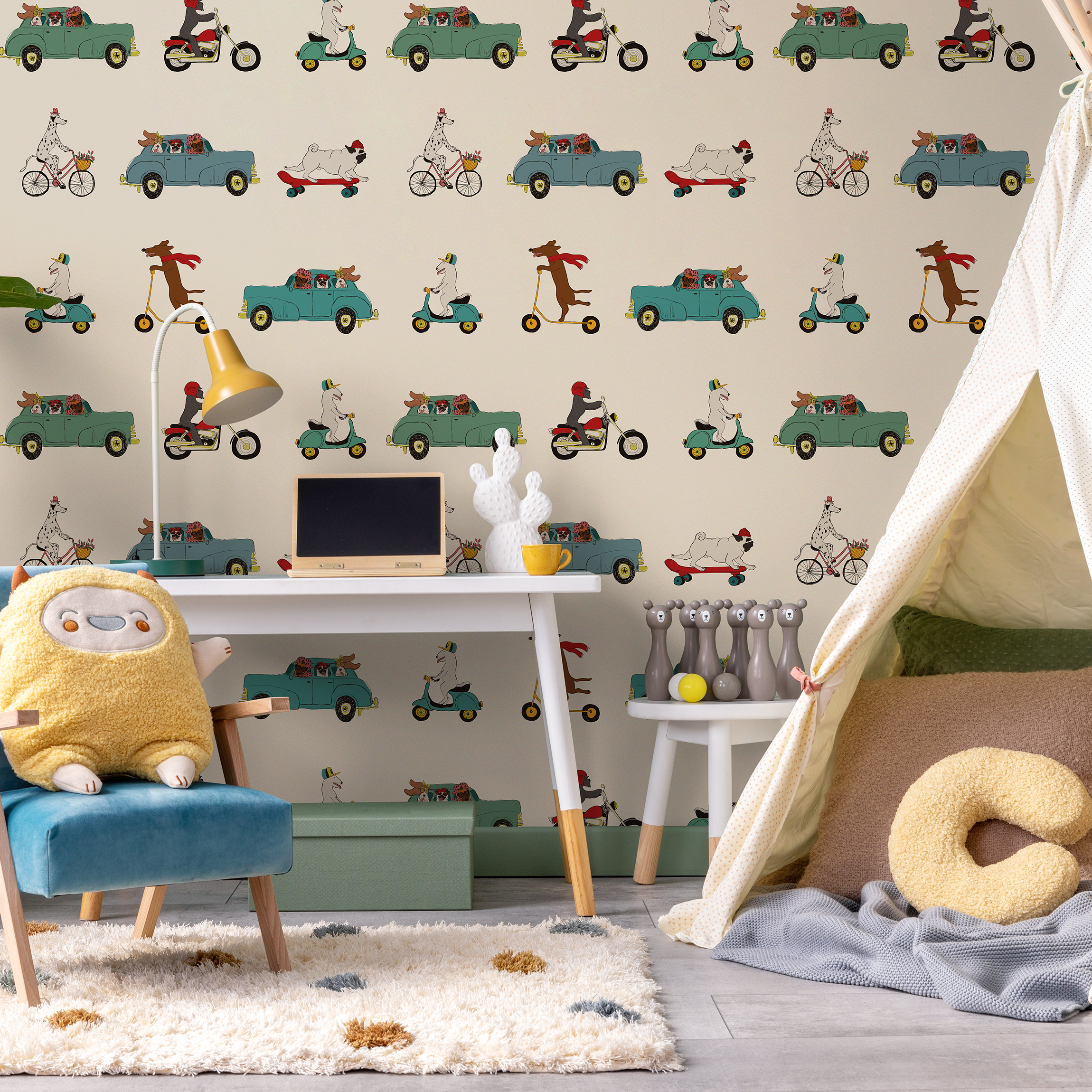
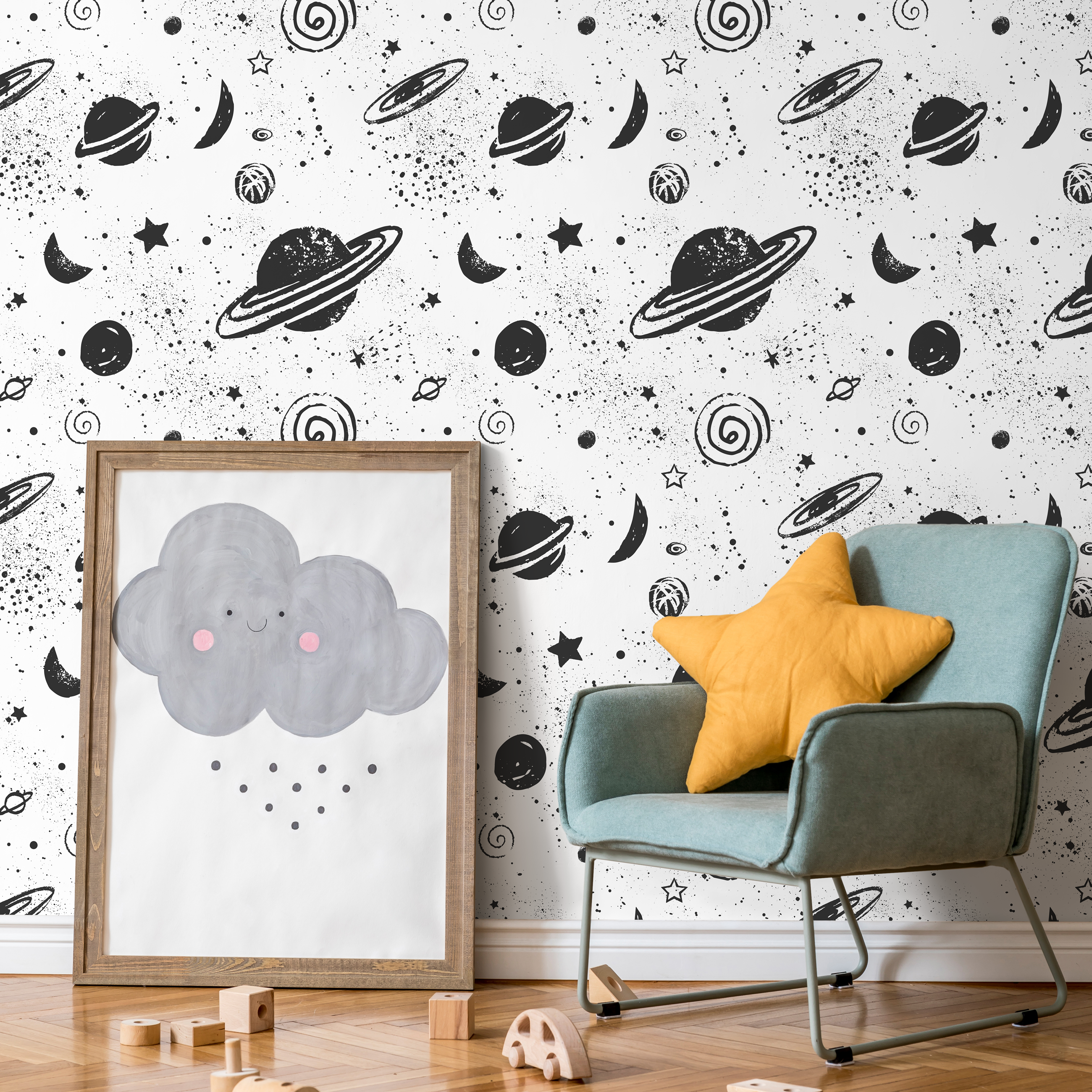
For kids' rooms or shared apartments, peel-and-stick wallpaper is also useful because it can change as needs change. A playful pattern can refresh a child's room without repainting. A removable panel behind a bed can give roommates individuality while keeping the rest of the apartment neutral. In a dorm-style space, wallpaper can be applied to approved removable surfaces such as panels, carts, or furniture backs rather than directly on walls.
If you are choosing between several designs, order samples or test a small area first. Look at the wallpaper in morning light, evening light, and artificial light. Apartment lighting can change color dramatically, and a pattern that looks warm online may feel cooler or darker in your actual room.
To shop by application type, browse:
Share