


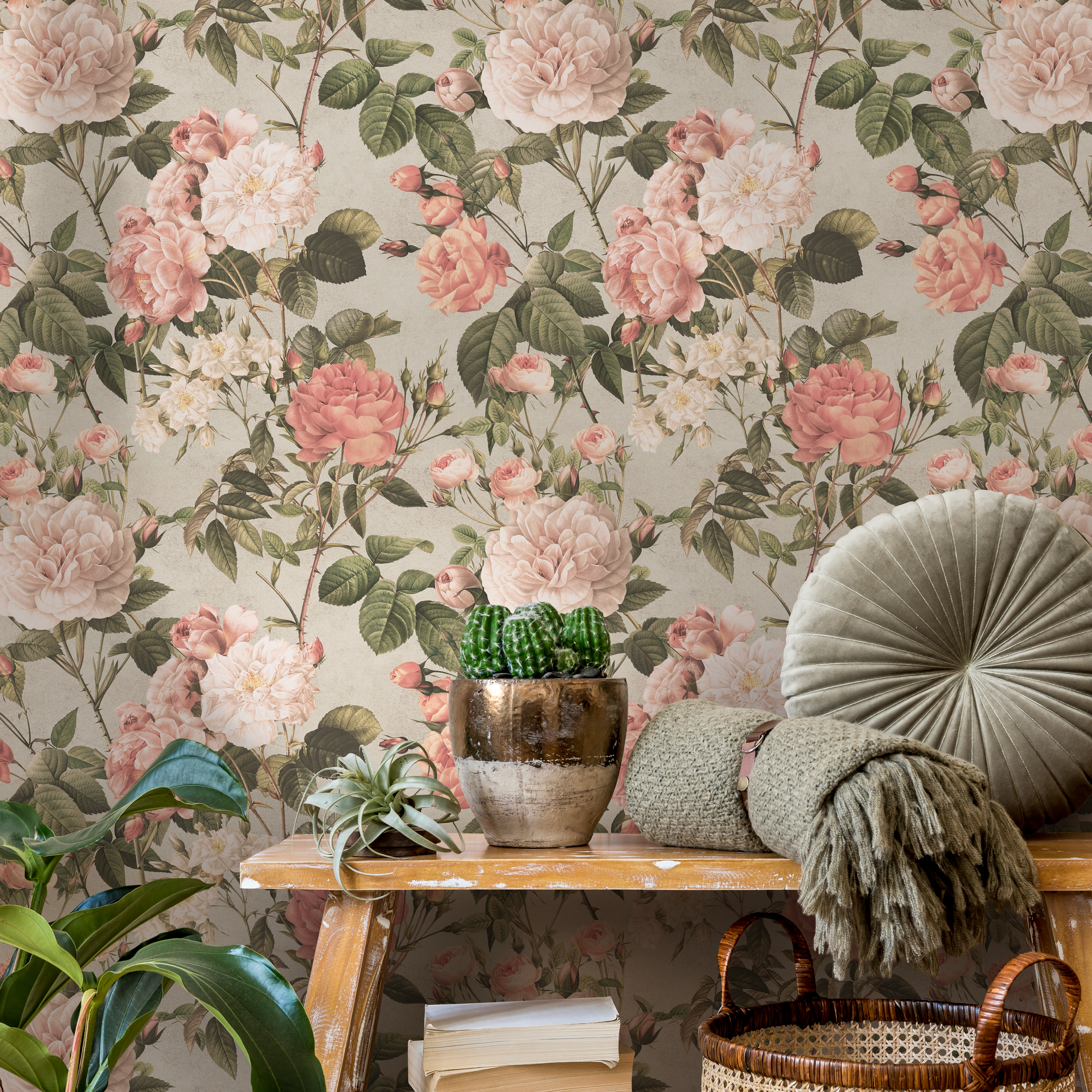

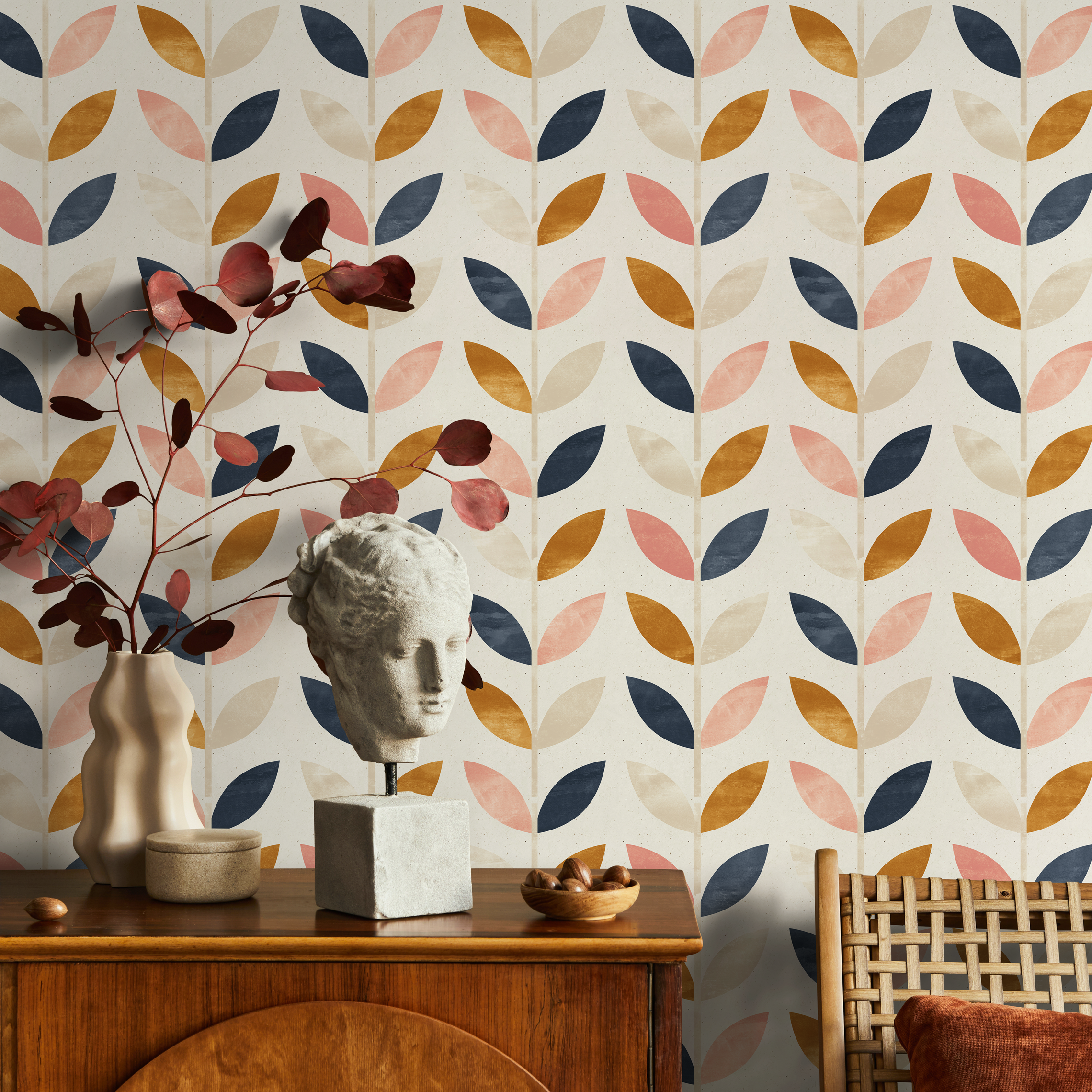
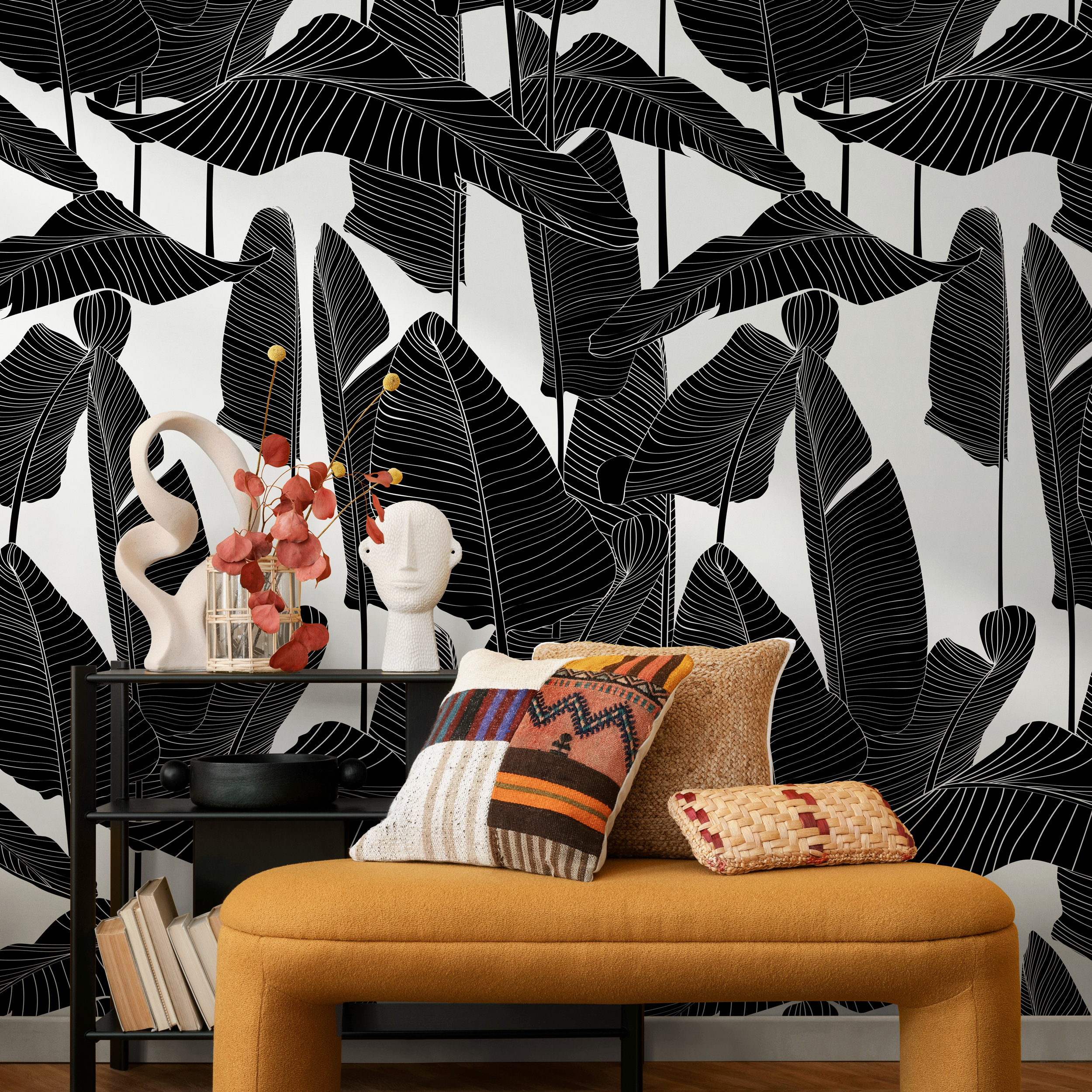
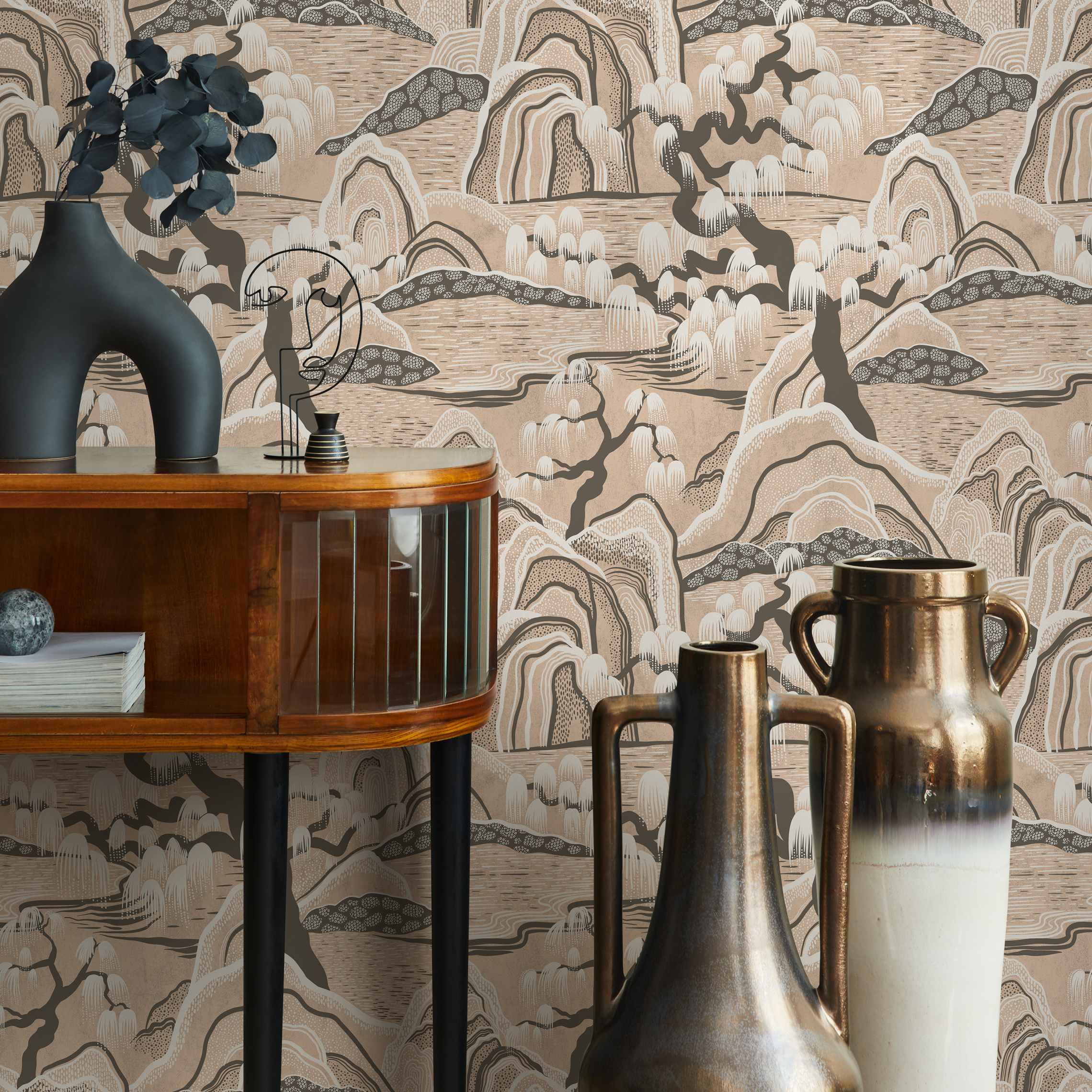







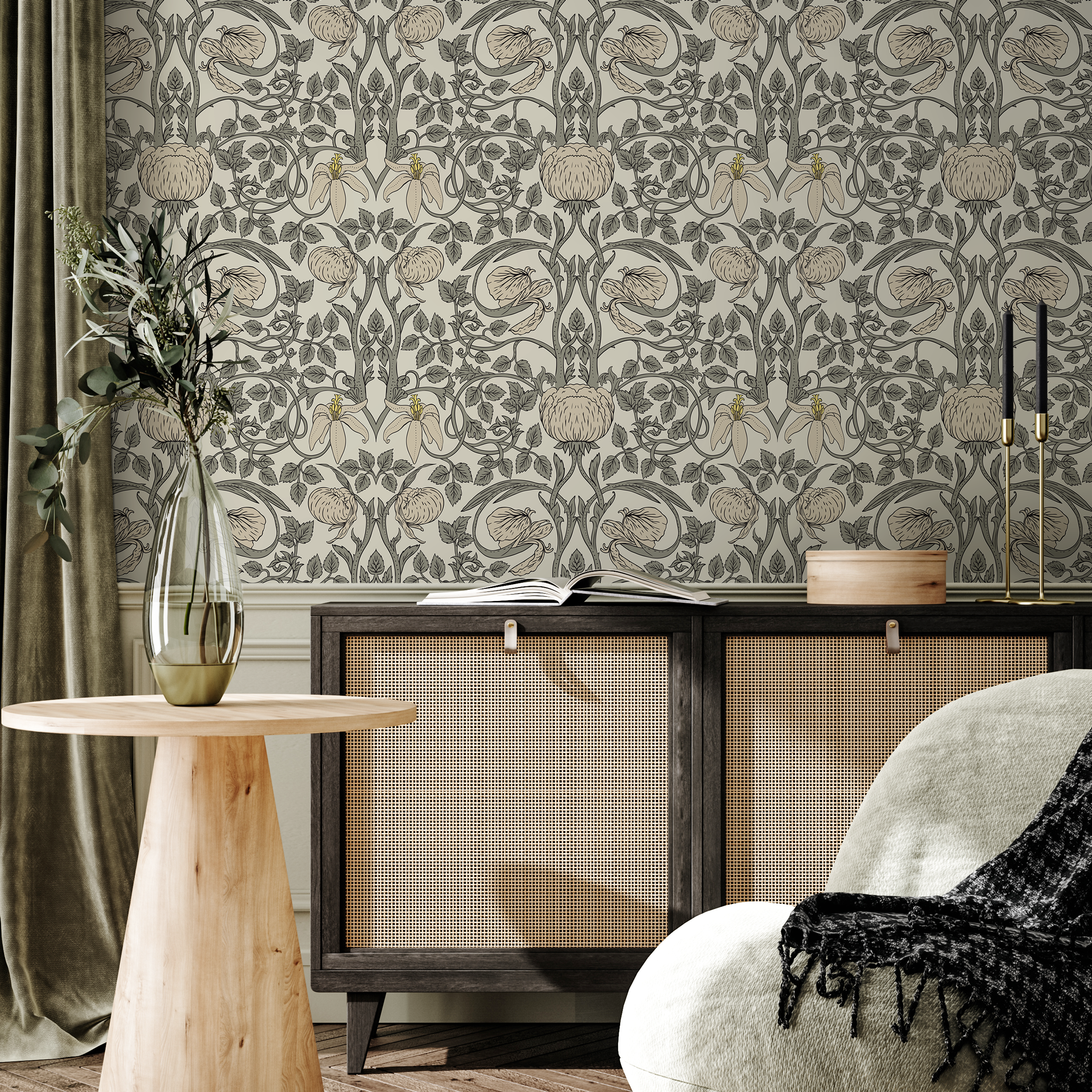


Modern Geometric Wallpaper Living Room Ideas
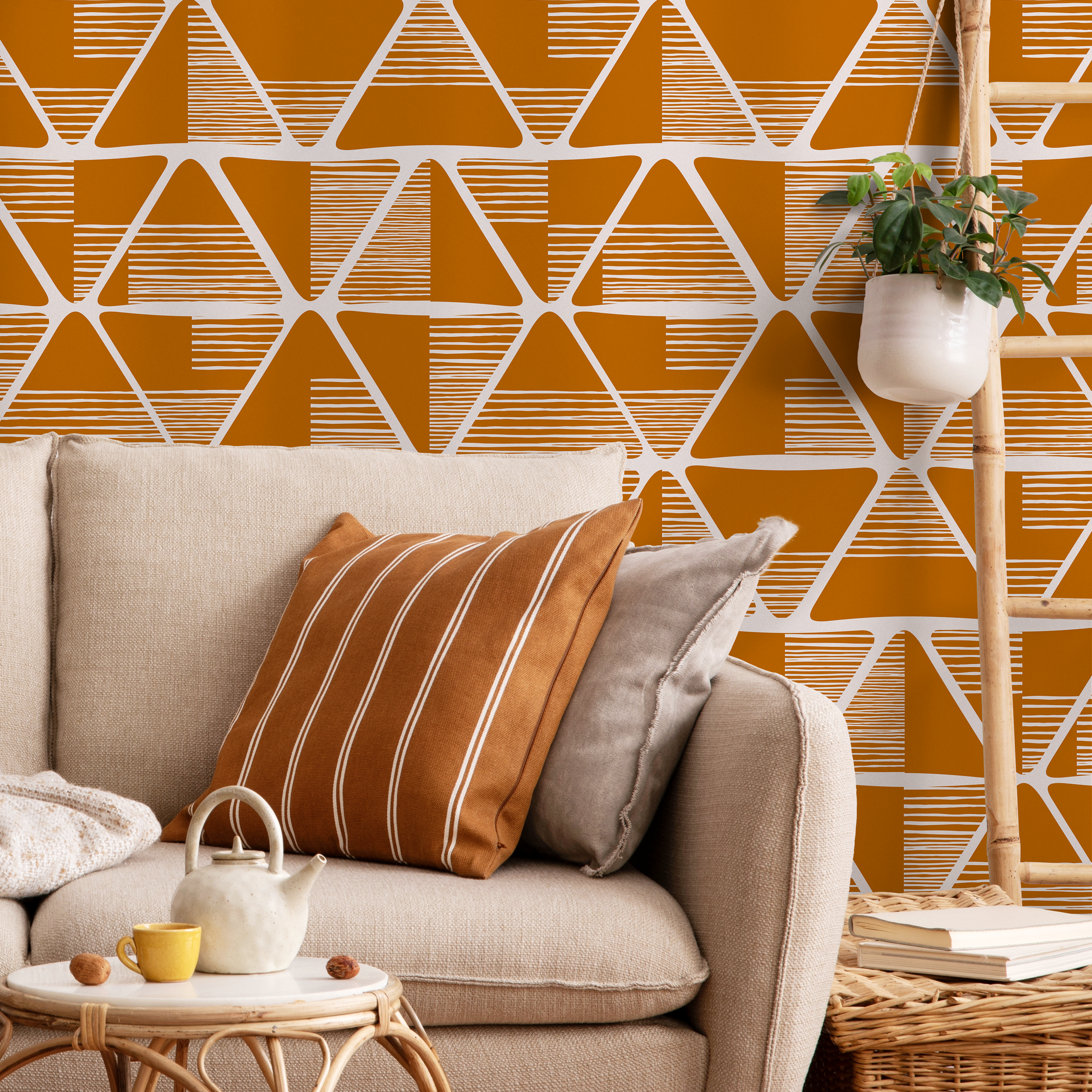
Geometric wallpaper living room designs can make a space feel sharper, more modern, and more intentional without replacing furniture. The right pattern can frame a sofa, define an open-plan seating area, refresh a fireplace wall, or give a plain media wall enough structure to feel designed.
The key is balance. Geometric patterns are naturally graphic, so scale, color, and placement matter. A small repeat can read as texture. A large repeat can become art. A high-contrast design can energize the room, while a tone-on-tone print can add quiet dimension.
## Why Geometric Wallpaper Living Room Designs Work
Living rooms usually have several visual anchors: seating, a rug, lamps, art, media furniture, bookshelves, and windows. Geometric wallpaper works because it brings order to that mix. Lines, angles, arcs, grids, and repeating shapes can connect furniture pieces that otherwise feel unrelated.
It is also versatile. A geometric print can look mid-century, contemporary, minimalist, glam, art deco, or playful depending on the pattern and palette. For a broad starting point, browse ONDECOR's Geometric Wallpaper and Modern Wallpaper.
Geometric wallpaper is especially useful when a living room lacks architecture. Many newer homes and apartments have flat walls, simple trim, and open layouts. A patterned wall can create the sense of a designed feature without adding built-ins, paneling, or expensive millwork. It can also help a room feel more finished when the furniture is minimal.
The scale of the pattern should match the viewing distance. If people will mostly see the wall from across the room, choose a larger motif or stronger contrast so the design does not disappear. If the wallpaper is near a reading chair, entry console, or built-in shelves, a smaller repeat can reward close viewing.
## Popular Geometric Patterns
Different geometric styles create different moods. Before choosing, think about whether the room needs energy, softness, height, symmetry, or a clear focal point.
### Hexagonal
Hexagon wallpaper feels structured and modern. It works well in living rooms with clean-lined sofas, metal accents, marble tables, or modular shelving. A low-contrast hexagon pattern can act like texture, while black, gold, navy, or high-contrast versions feel more dramatic.
Use hexagons behind a sofa or on a fireplace wall when you want a polished, architectural look.
### Chevron
Chevron wallpaper adds movement. Because the pattern naturally points the eye up, down, or across, it can make a wall feel more dynamic. In a narrow living room, a controlled chevron can help the space feel longer or taller depending on its direction.
For a softer look, choose chevron with muted colors or watercolor edges. For a bolder look, use crisp contrast and keep nearby decor simple.
### Abstract
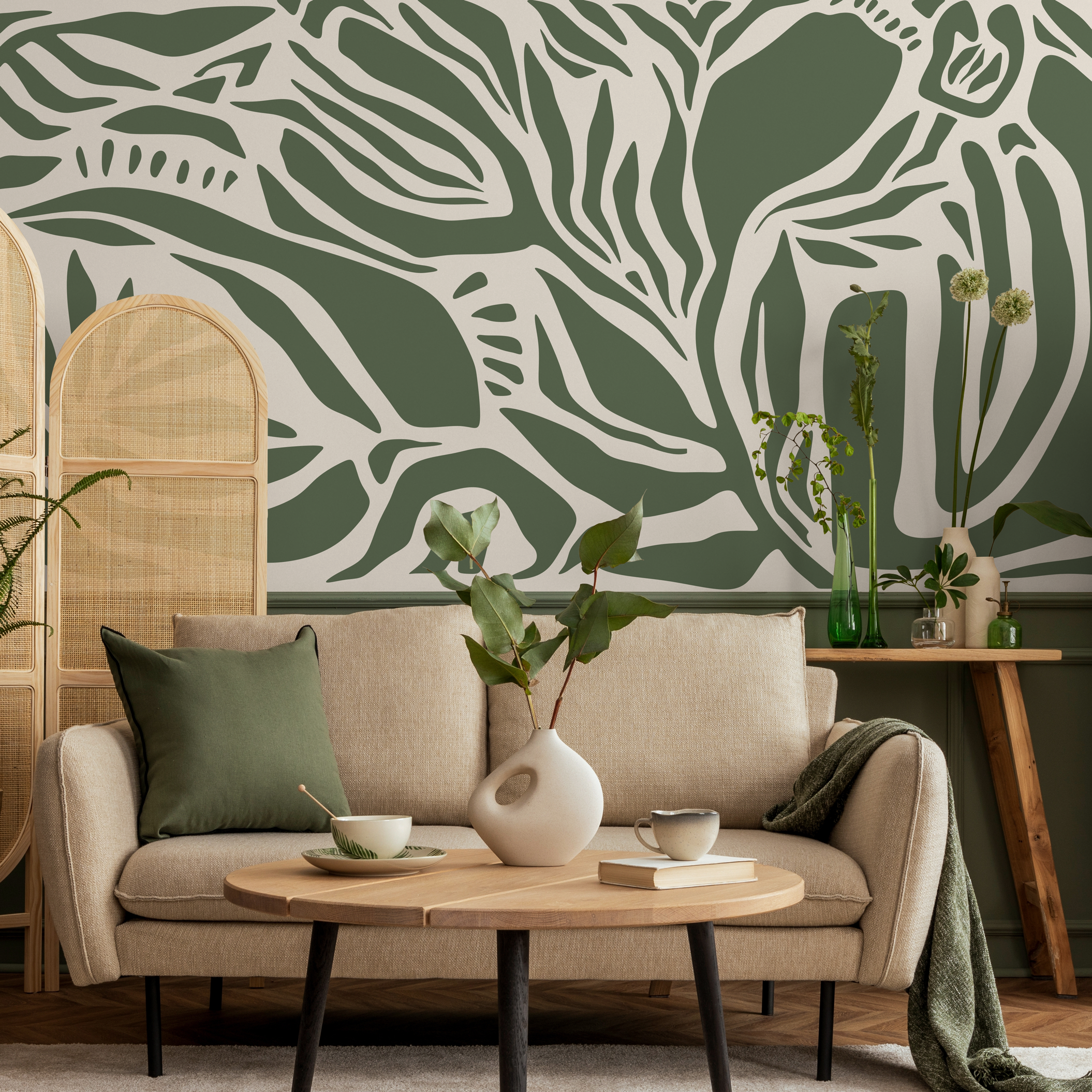
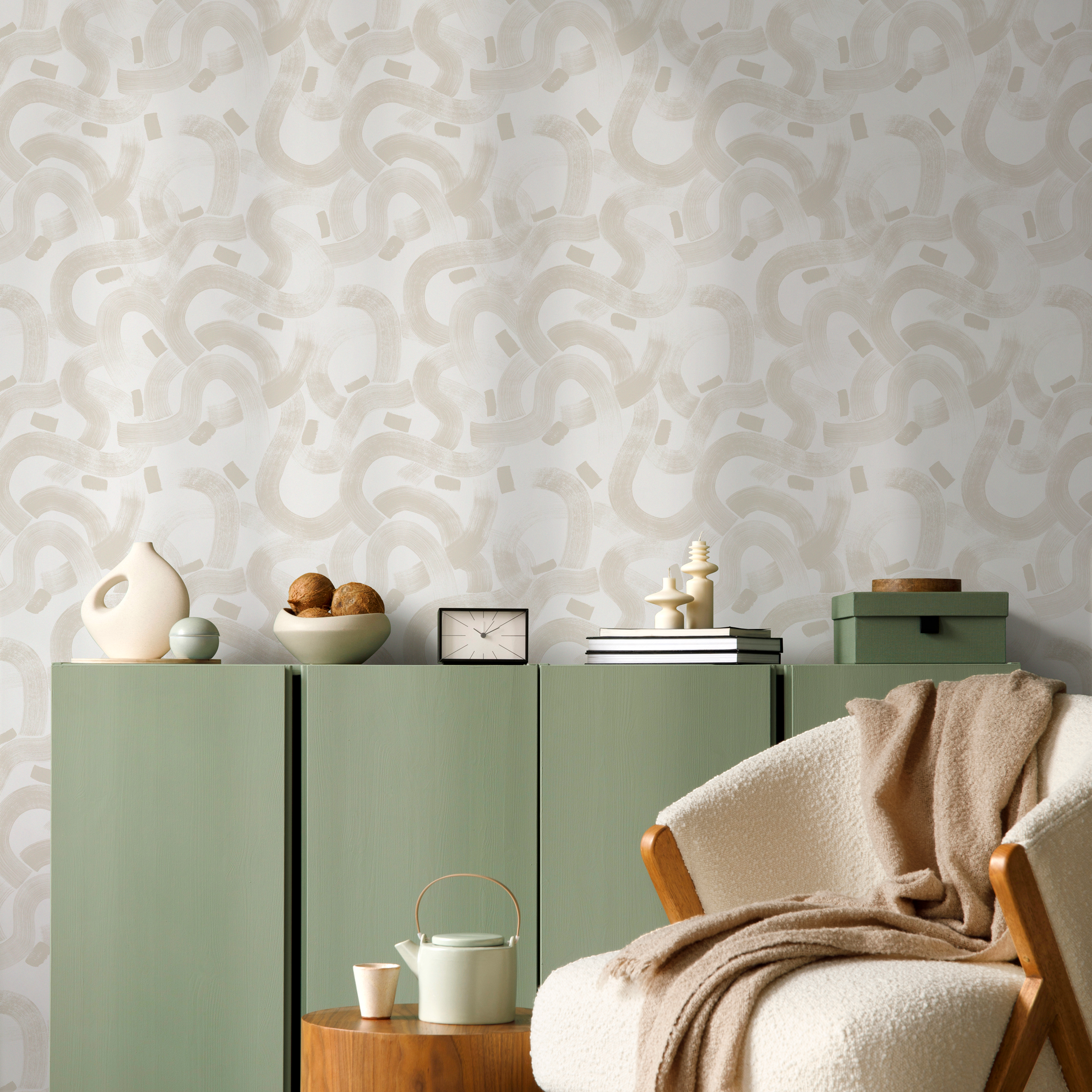
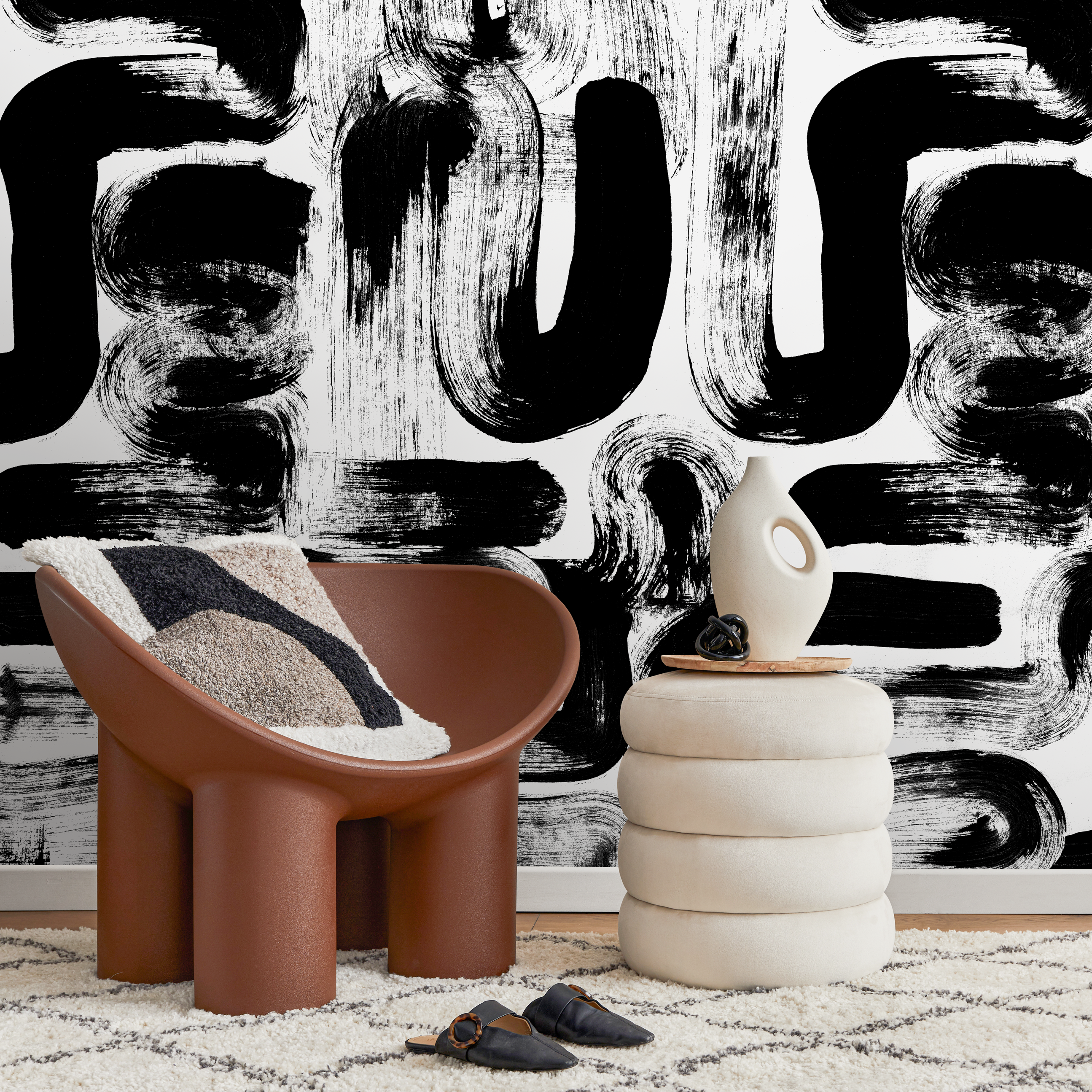
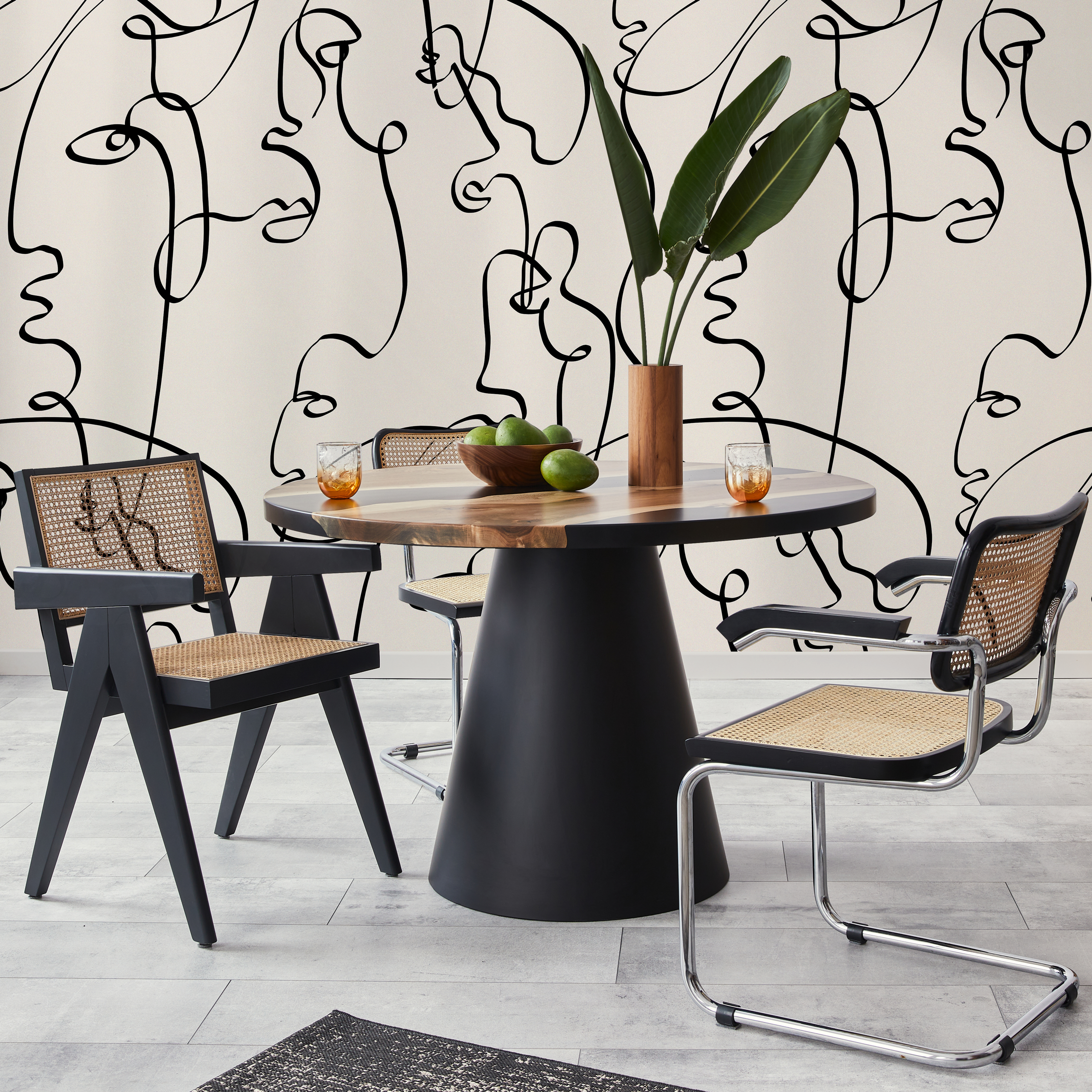
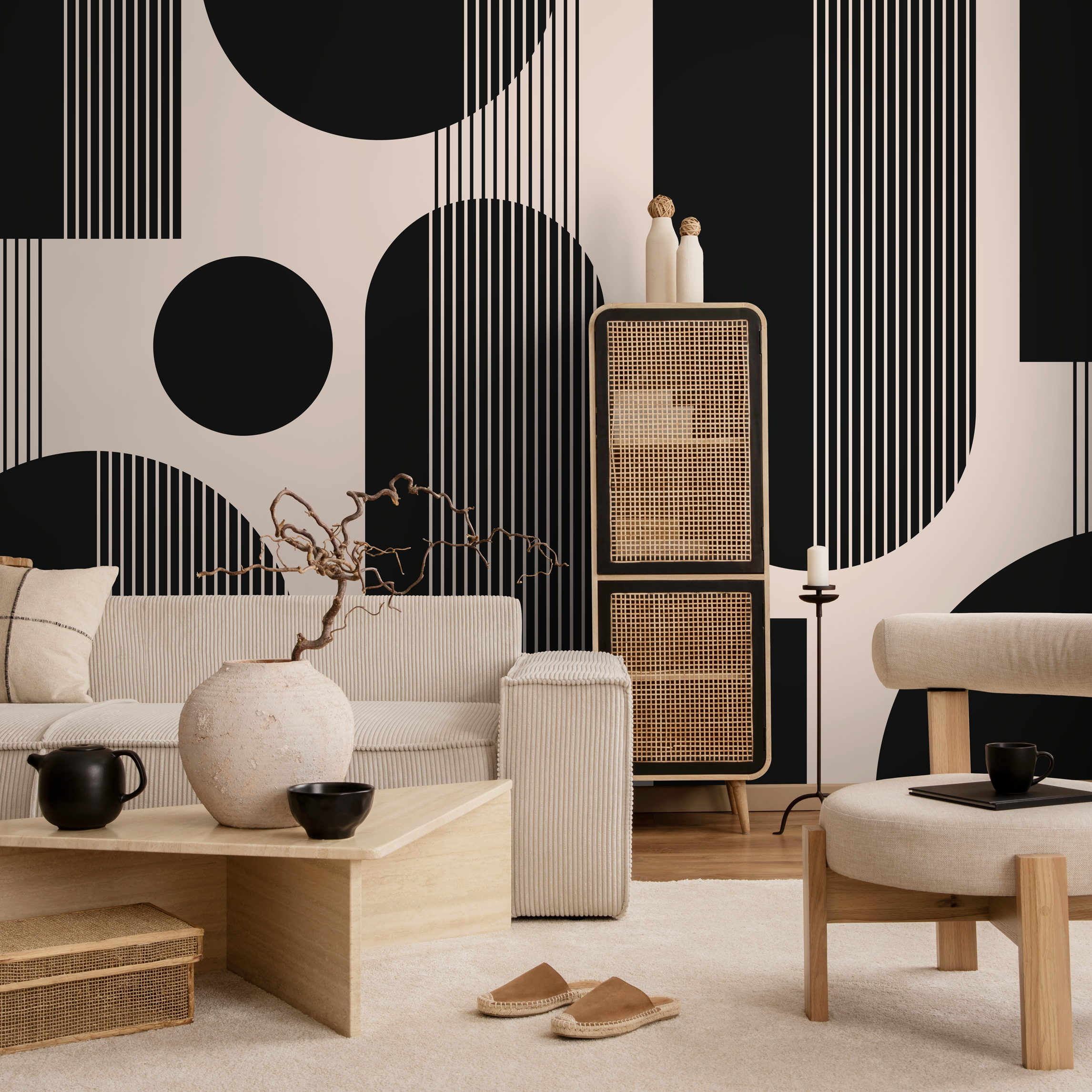
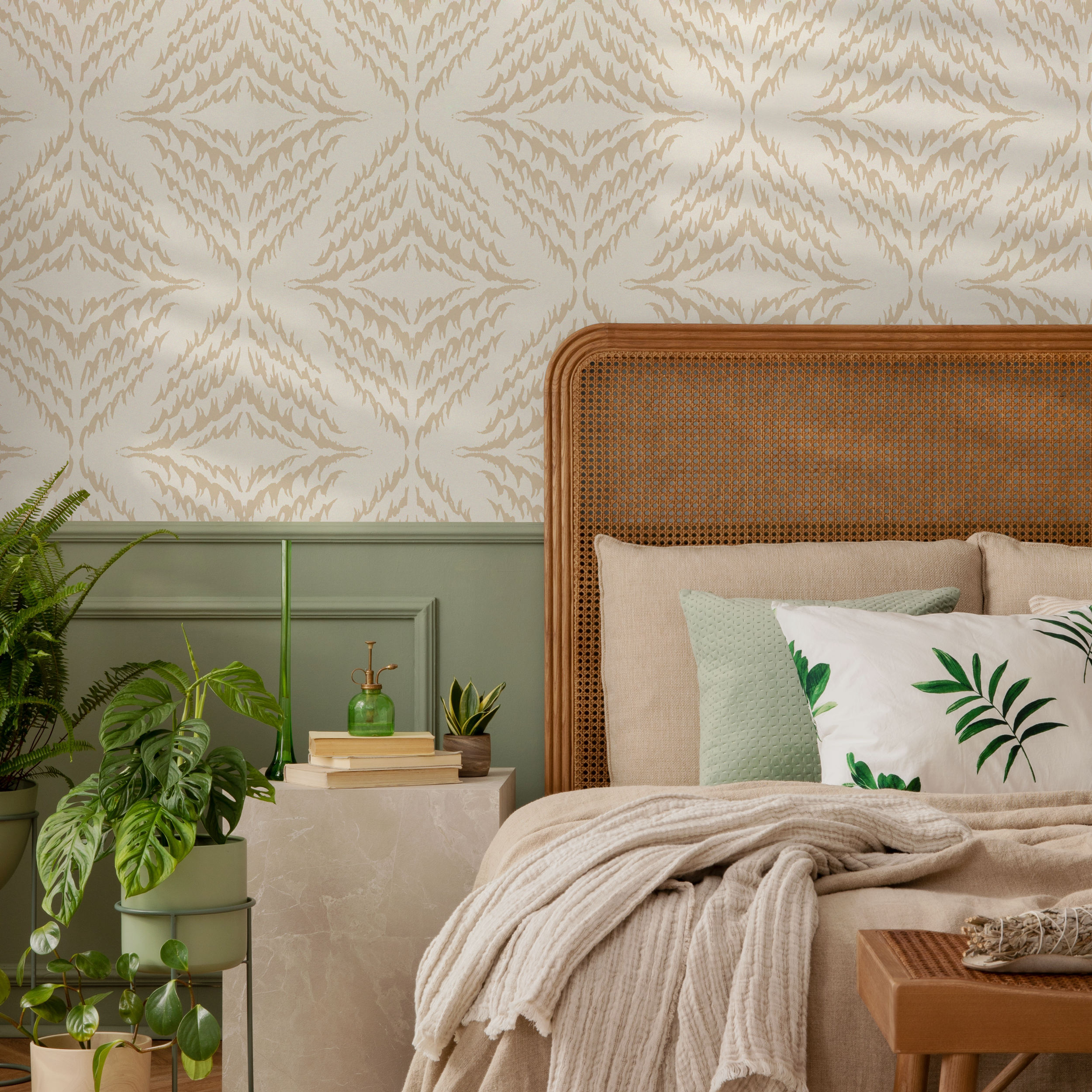
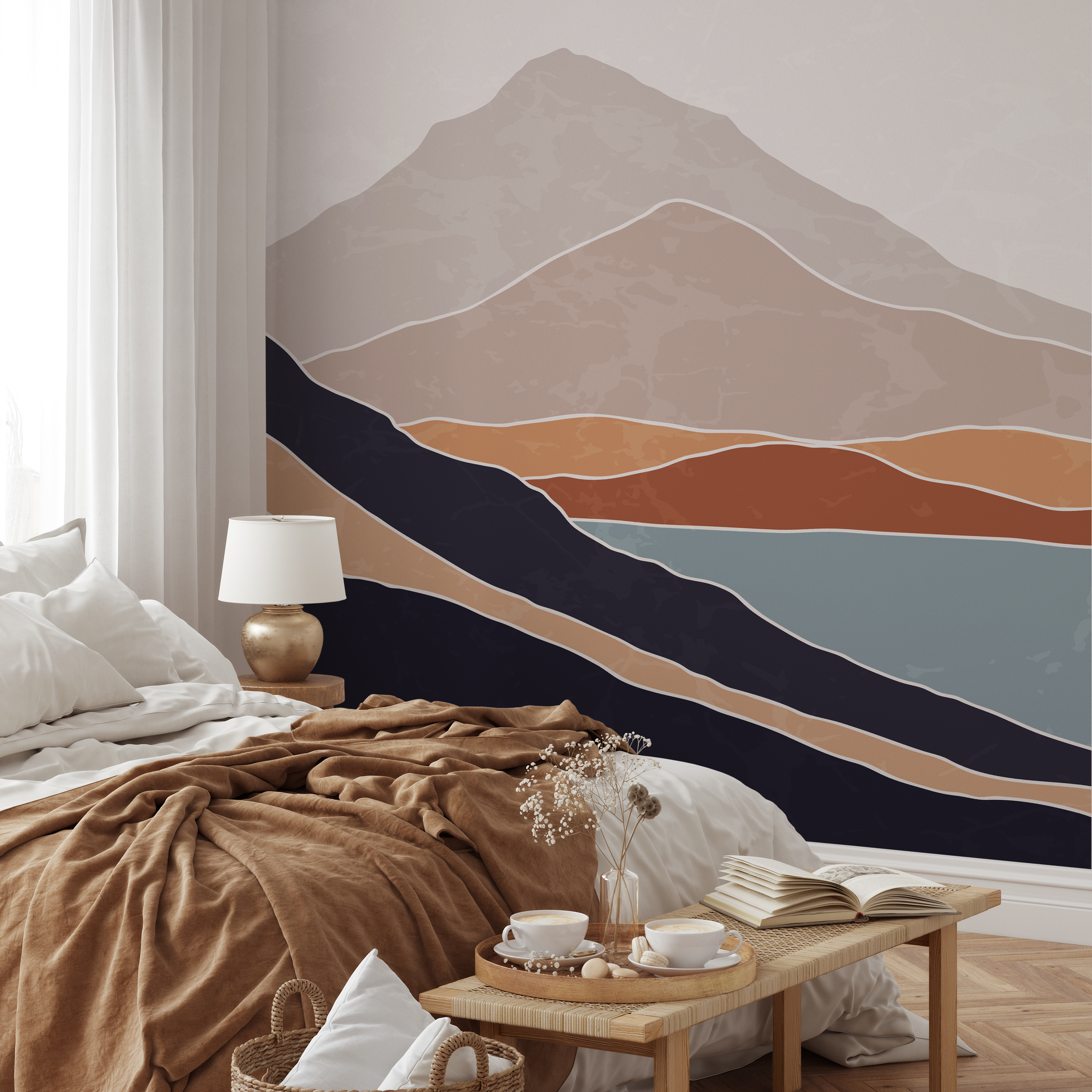
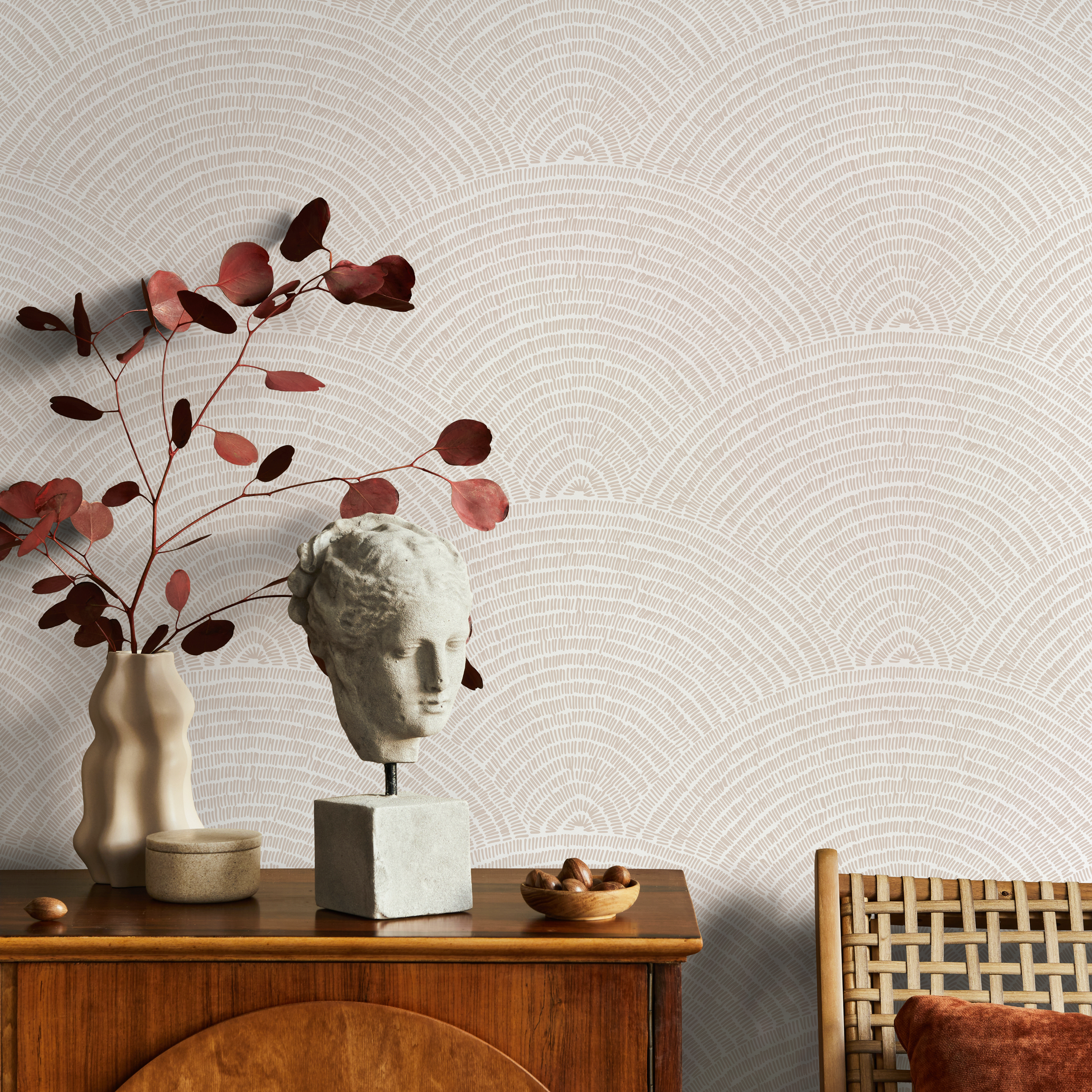
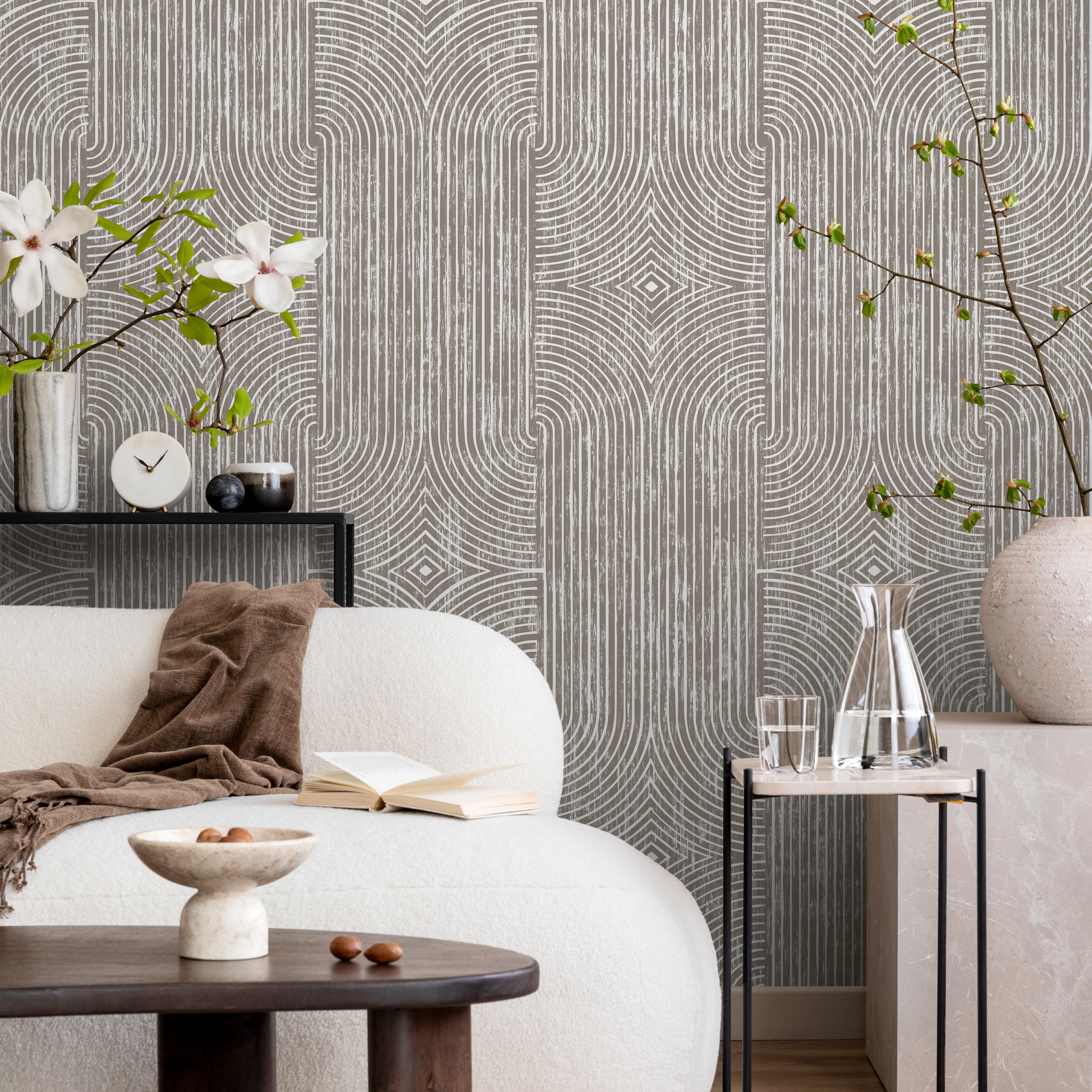
Abstract geometric wallpaper is ideal when you want modern wallpaper ideas that feel less rigid. Arches, broken lines, imperfect grids, and overlapping shapes can add interest without looking too formal.
Abstract patterns pair well with curved furniture, textured rugs, ceramic lamps, and simple wall art. They are also forgiving because the pattern does not need to align with the room's architecture as strictly as a grid.
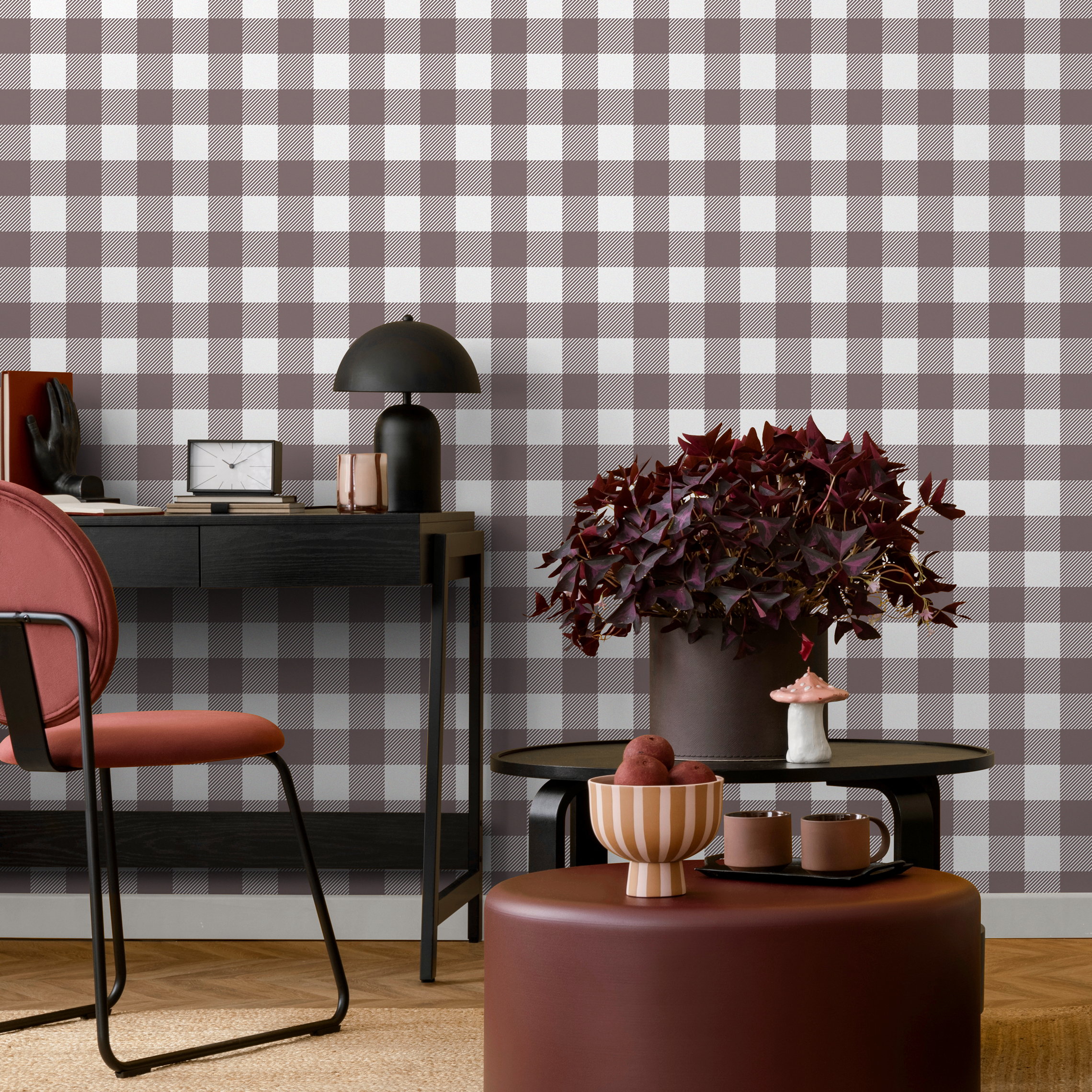
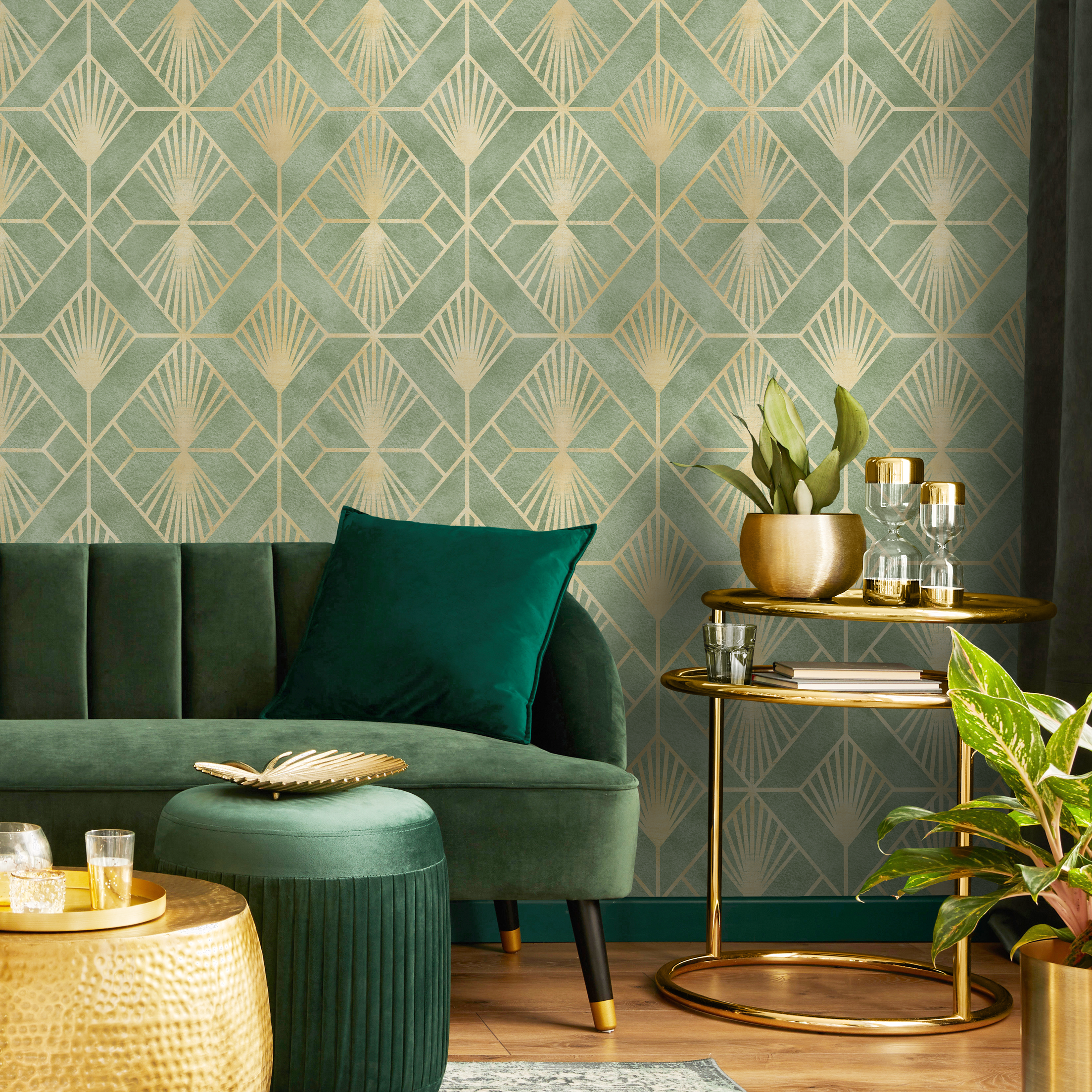
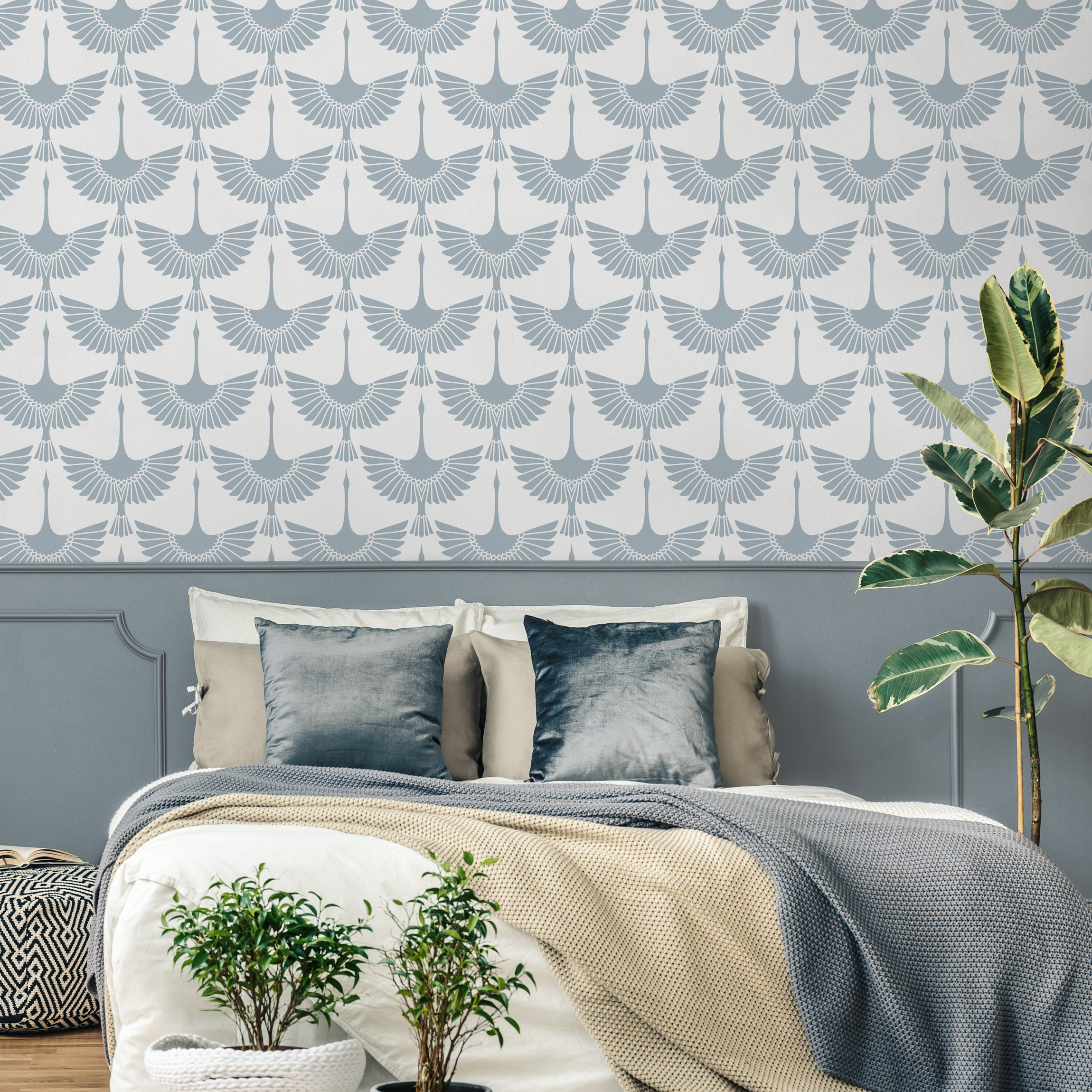
Other geometric options include herringbone, scallops, diamonds, arches, checkerboard, art deco fans, and thin-line grids. Herringbone adds movement while still feeling classic. Arches and scallops soften a modern room. Diamonds and checkerboard patterns create more energy, so they work best when used with restraint or in lower-contrast palettes.
## Color Palettes That Work
Color determines whether geometric wallpaper feels calm or bold.
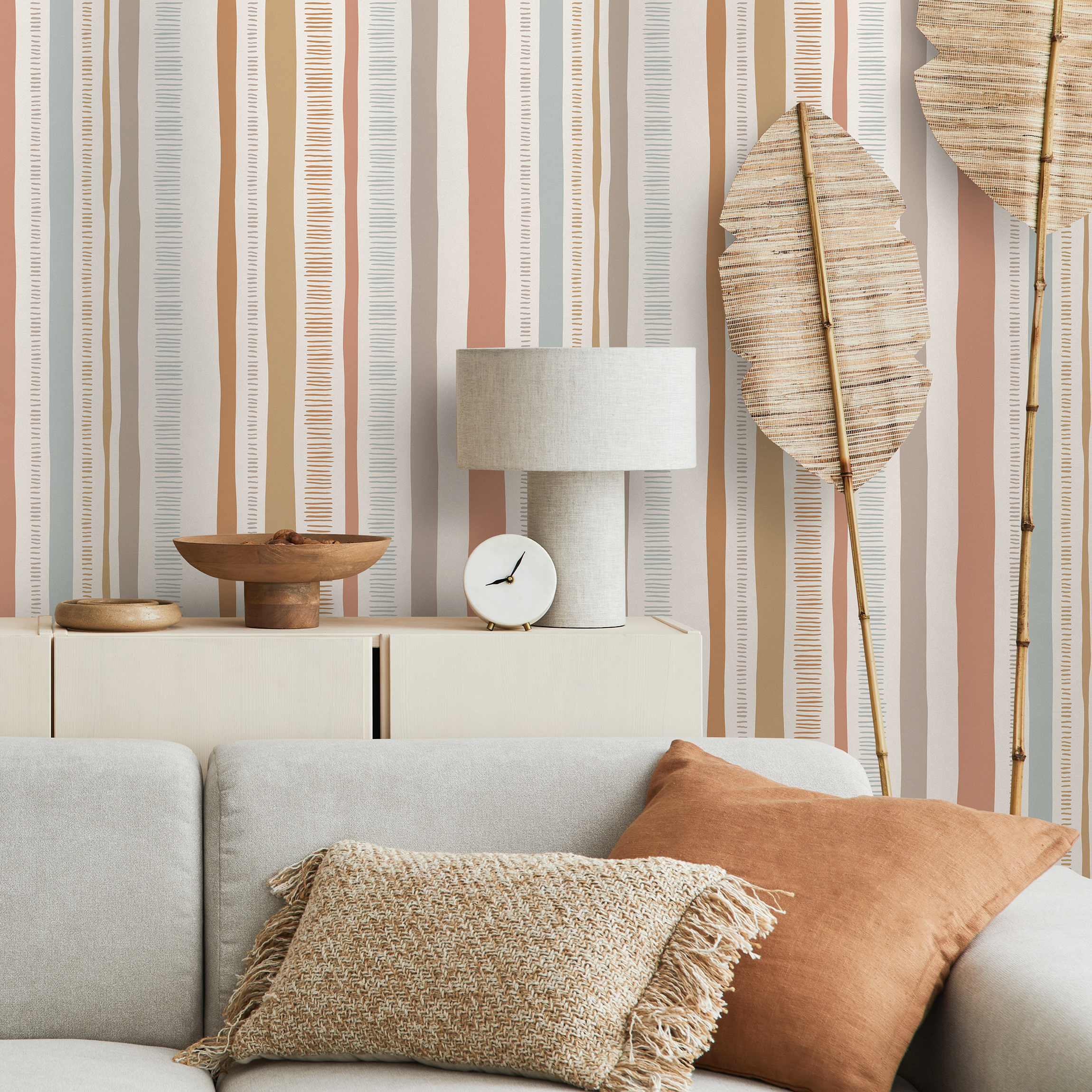
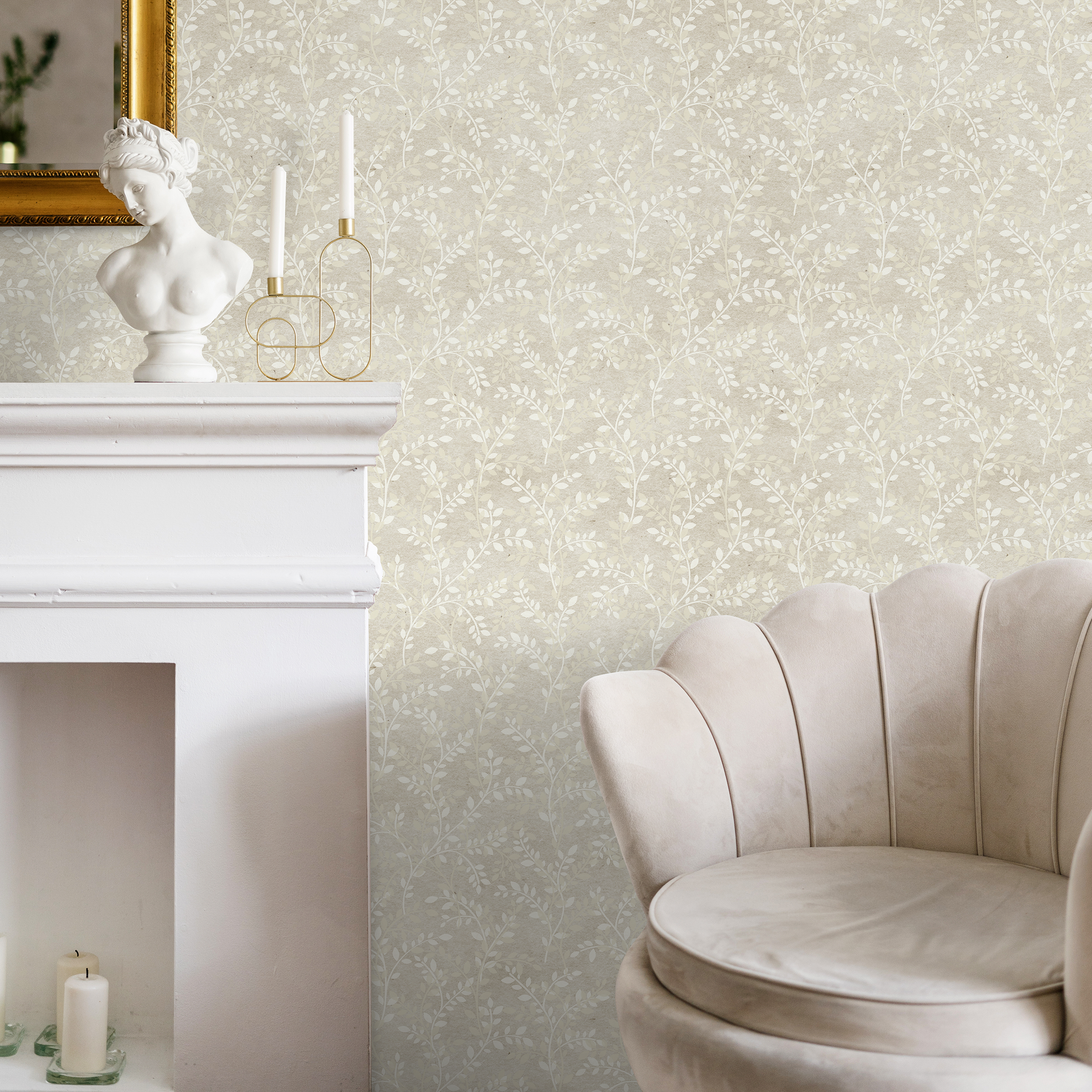
Neutral palettes such as cream, beige, gray, taupe, and soft black are easiest to layer with existing furniture. They work well when you already have color in rugs, pillows, or art.
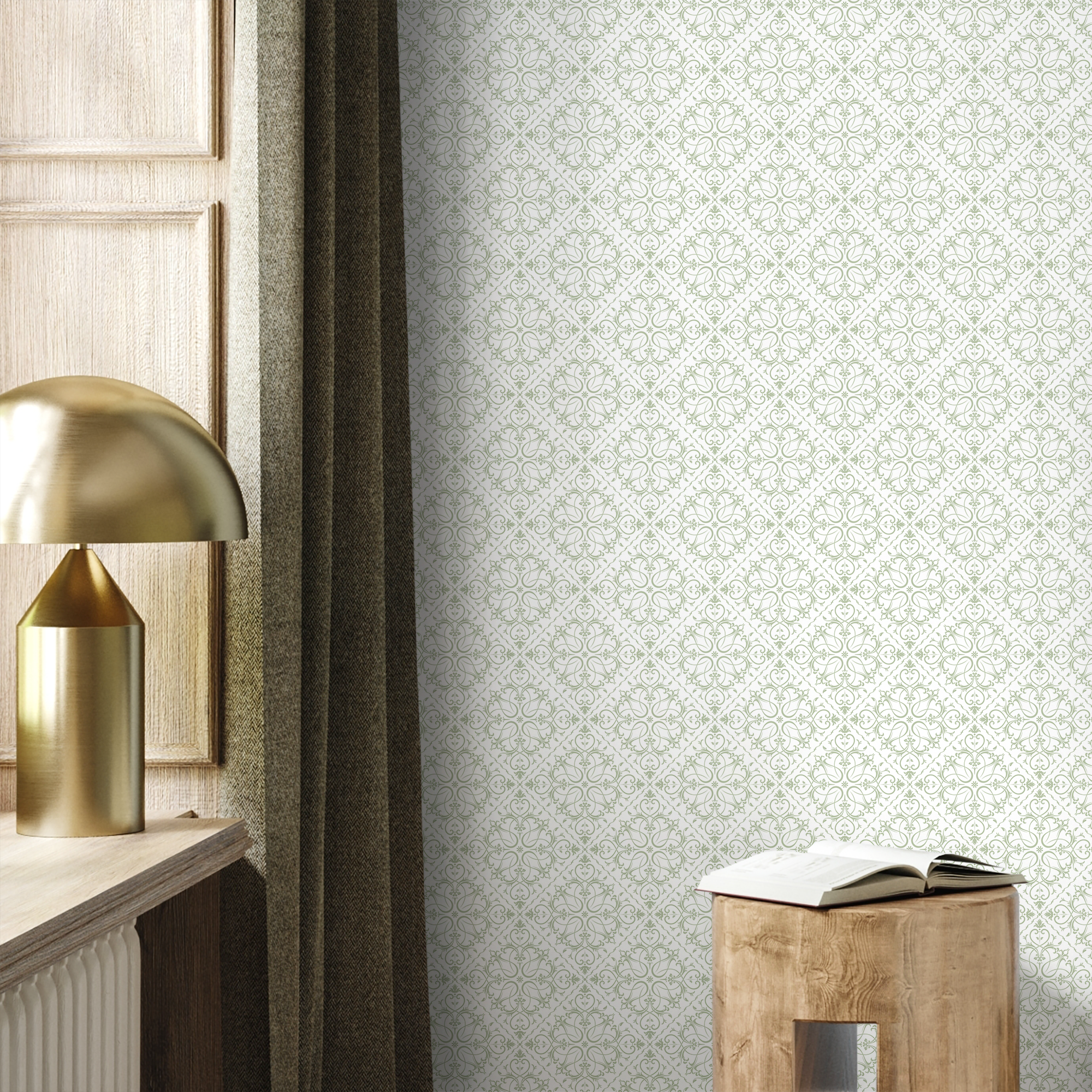
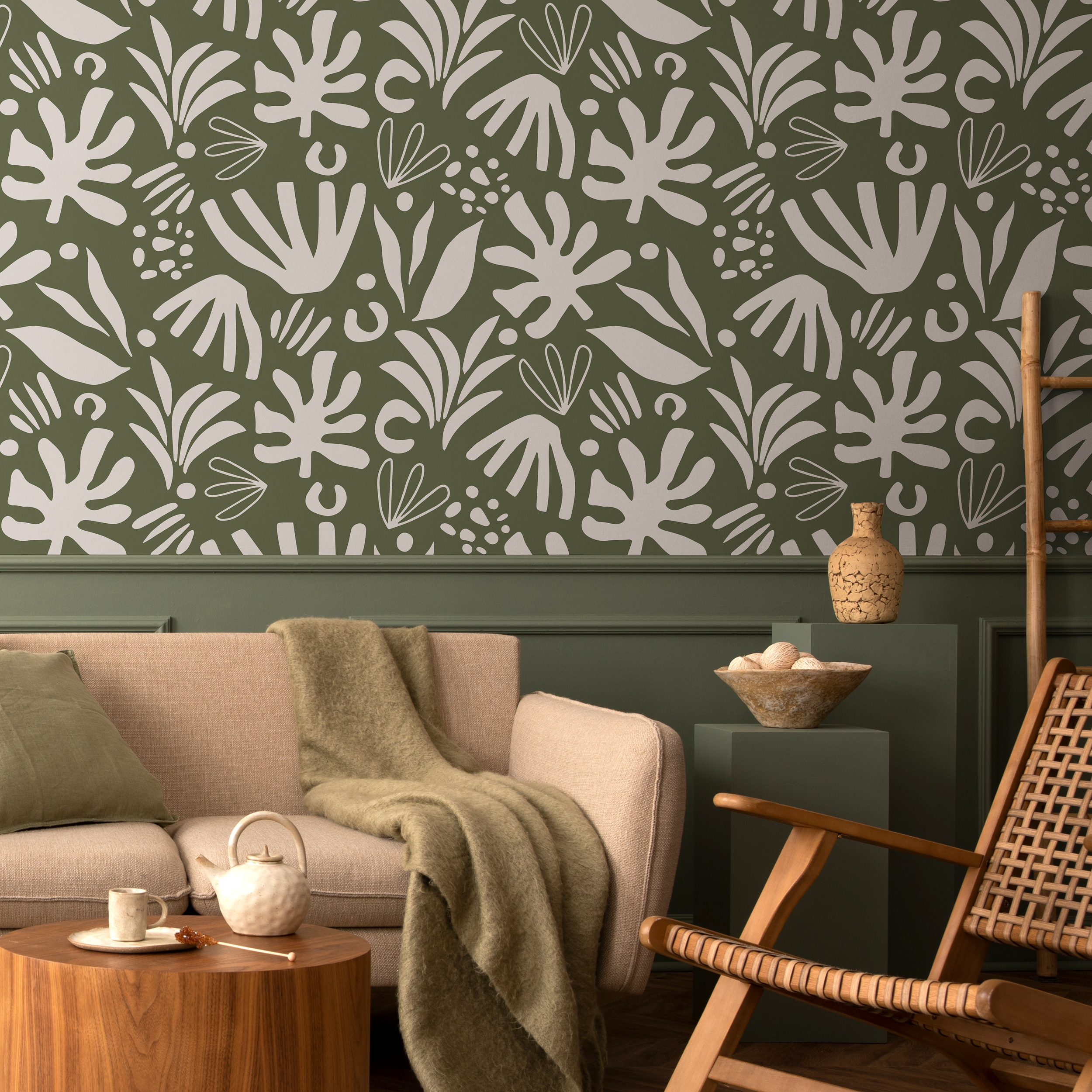
Blue and green palettes feel polished and livable. Navy, sage, teal, and dusty blue can make a living room feel calm while still adding depth.
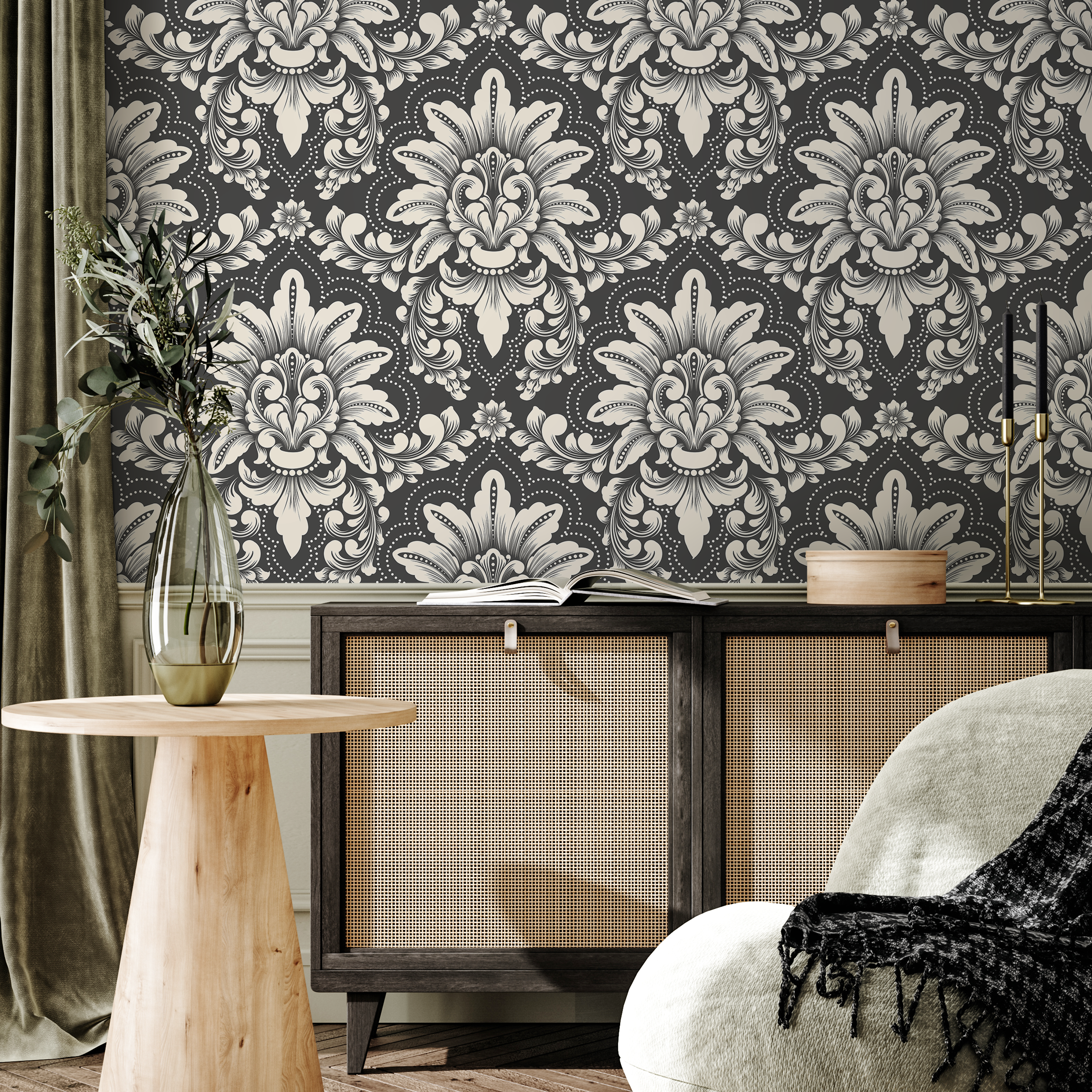
Black and white geometric wallpaper is crisp and graphic. Use it when the furniture has simple shapes and the room has enough warmth from wood, textiles, or plants.
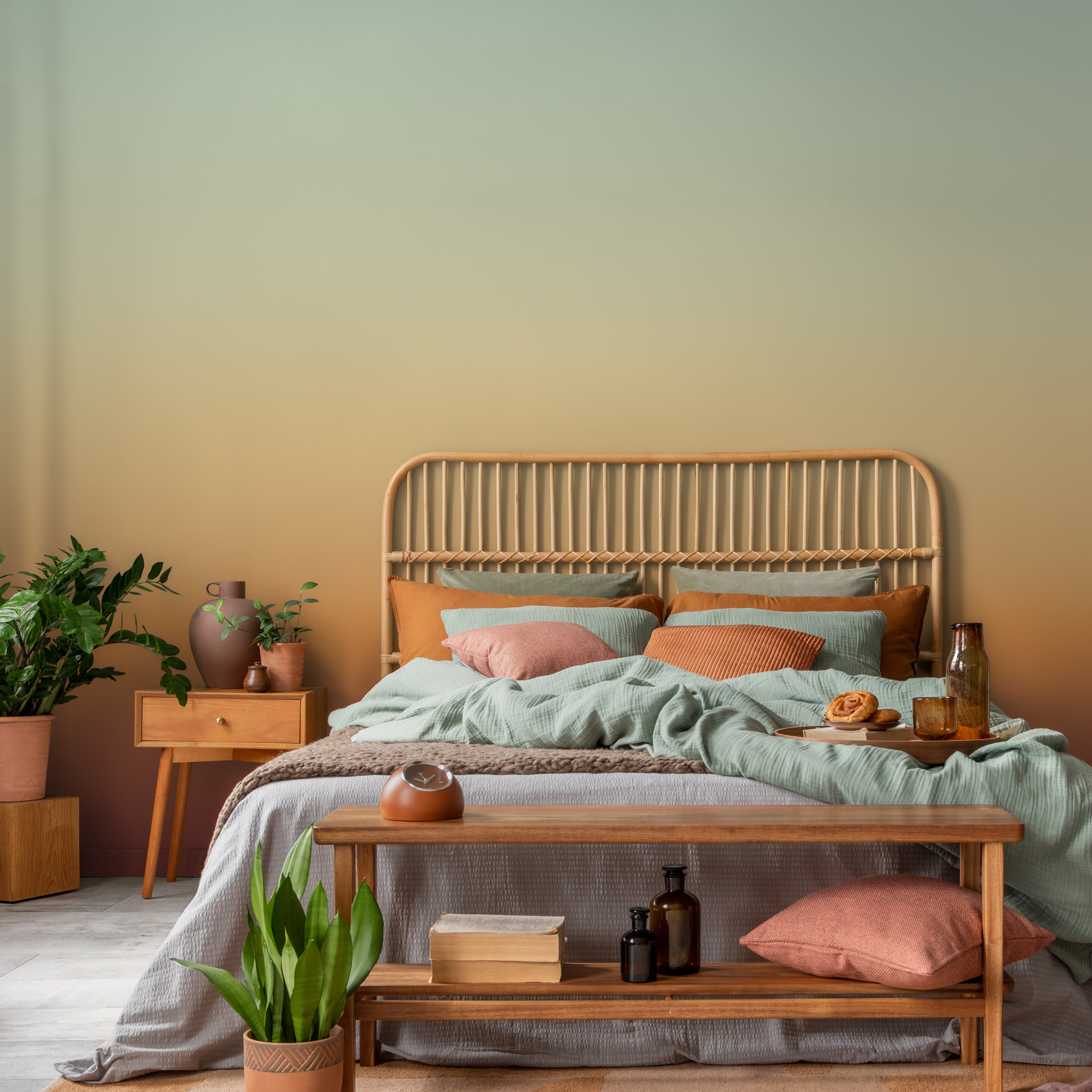
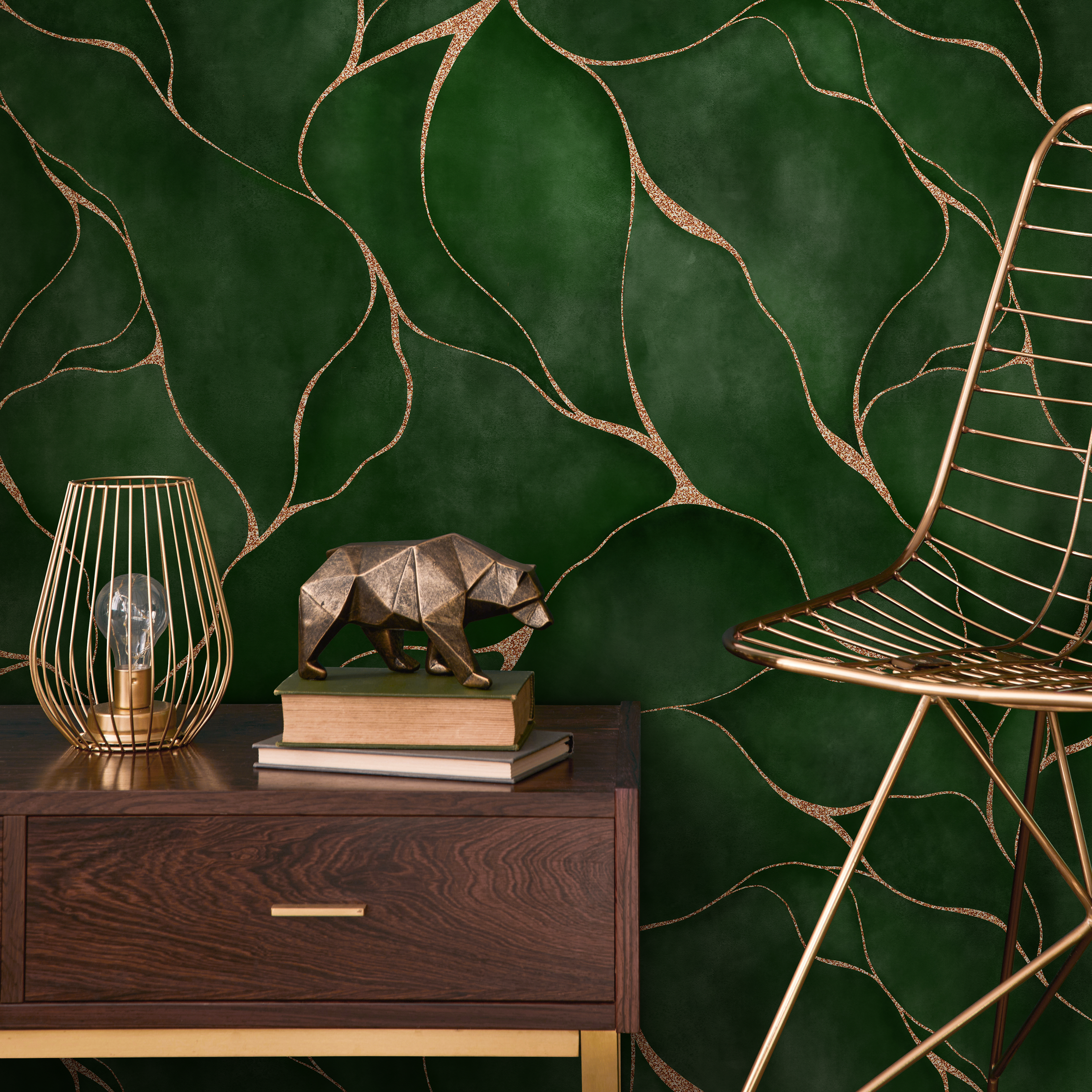
Gold, blush, rust, or terracotta accents can bring warmth to modern spaces. These shades pair well with natural wood, leather, woven shades, and warm lighting.
When in doubt, use the room's fixed finishes as your guide. If your floors are warm wood, a cream, sage, rust, or black-and-warm-white pattern may feel more connected. If your floors are cool gray, blue, charcoal, white, or soft green can look cleaner. If the room has a large colorful rug, pull one quiet color from the rug instead of adding a completely new palette.
Lighting also changes how geometric wallpaper reads. High-contrast patterns become stronger under bright overhead light. Softer patterns may need lamps, sconces, or daylight to show their texture. Always view a sample in the room before committing to a full wall.
## Accent Wall vs Full Room
Most homeowners should start with an accent wall. It gives geometric wallpaper a clear purpose and keeps the living room from feeling overworked. The best accent wall is usually the wall that already acts as the focal point: behind the sofa, around the fireplace, behind a console, or behind built-ins.
A full-room installation can work when the wallpaper is subtle, the furniture is restrained, and the room has enough natural light. Tone-on-tone patterns, small-scale repeats, and soft colors are better for all four walls than high-contrast designs.
If the room connects to a dining area or kitchen, use wallpaper to define one zone. A geometric wall behind the seating area can make an open floor plan feel more organized.
For a media wall, keep contrast moderate so the pattern does not distract from the screen. For a fireplace wall, a bolder design can work because the fireplace already has visual weight. For built-ins, wallpaper on the back panels can add pattern in a controlled way without covering an entire room.
If you want a full-room installation, repeat calm materials throughout the space. Solid curtains, a simple rug, and limited wall art can keep the room from feeling crowded. Full-room geometric wallpaper is strongest when it acts like architectural texture rather than a loud print.
## Pairing with Furniture & Decor
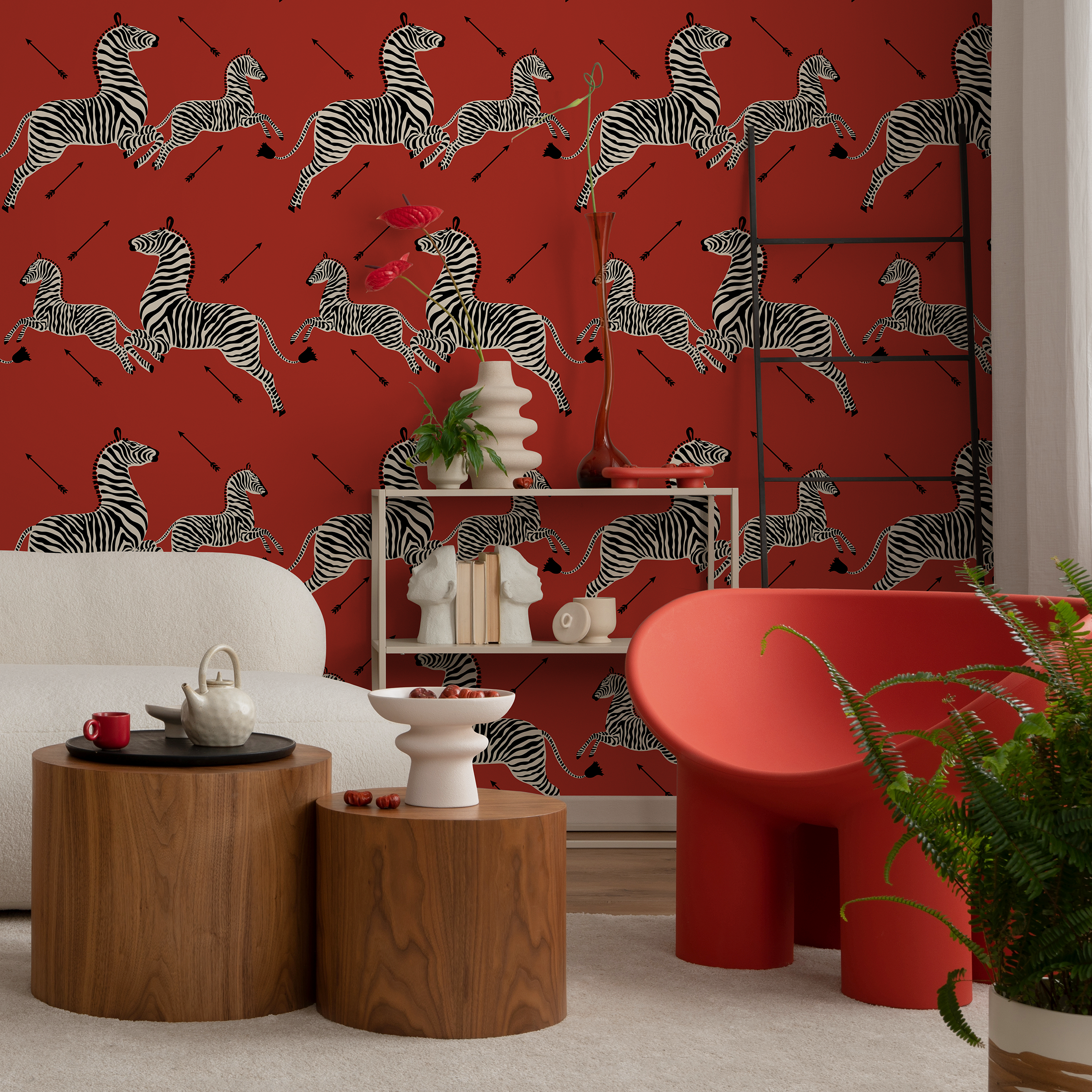
Geometric wallpaper looks best when the rest of the room respects its rhythm. If the wallpaper has strong lines, balance it with round coffee tables, curved lamps, soft upholstery, and organic materials. If the wallpaper has circles or arches, straight-lined furniture can keep the room from feeling too loose.
Repeat one wallpaper color elsewhere in the room. A pillow, throw, vase, lamp shade, or art frame can make the wallpaper feel integrated. Avoid using too many competing patterns at the same scale. If the wallpaper has a large repeat, choose smaller-scale textiles. If the wallpaper is tight and detailed, keep rugs and upholstery calmer.
Texture matters too. Wood, boucle, linen, leather, rattan, brass, and stone can all soften the graphic edge of geometric patterns.
Art placement deserves attention. If wallpaper is bold, choose fewer, larger art pieces with quiet frames. If wallpaper is subtle, you can layer more art over it. Mirrors also work well on geometric walls because they break up the repeat and bounce light around the room.
For renters, peel-and-stick geometric wallpaper can create a strong living room focal point without a permanent change. Use it behind freestanding furniture so the wall feels integrated even if you remove the wallpaper later.
## Shop Geometric Wallpaper
Use geometric wallpaper when your living room needs structure, a focal point, or a more contemporary style. Choose the wall first, then choose a pattern scale that fits how far away people will view it.
Start with:
- Geometric Wallpaper
- Modern Wallpaper
- Living Room Wallpaper
- Suggested style pillar: /blogs/news/wallpaper-styles-guide
Share